Anago at an Edomae counter
- Opinionated About Dining Top Restaurants in Japan Recommended · 2026
- Tabelog 100 #90: 3.7pts · 2025
- Opinionated About Dining Top Restaurants in Japan Recommended · 2023
Rice pressed at the Hamamatsucho counter
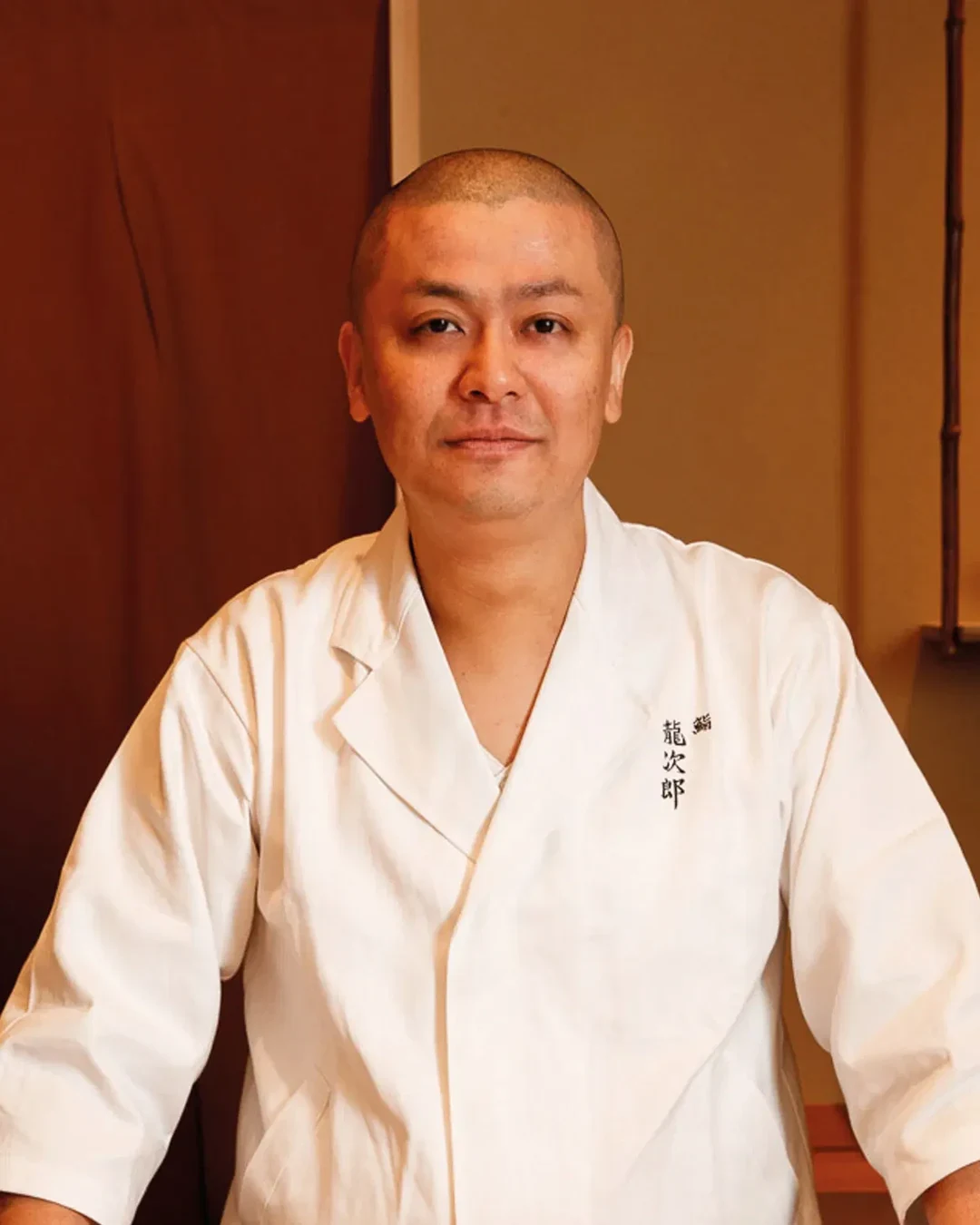
The nigiri leaves the hand one piece at a time. Ryujiro Nakamura, Chef at Sushi Miyaba in Hamamatsucho, Tokyo, keeps the work inside an Edomae frame: fish, shari, timing, the small pressure of the fingers before the piece reaches the counter. His line was sharpened at Umi in Aoyama, where he served as Executive Chef until 2019, before moving into chef-owner work at Sushi Ryujiro and Sushi Miyaba. Here, the role is less about display than repetition. The cut has to sit cleanly on the rice. The rice has to carry warmth and vinegar without calling attention to itself. The hand has to know when to stop.
Sushi Miyaba also carries an older house identity. The Hamamatsucho restaurant is an Edomae sushi house with roughly 200 years behind it, and it still works at counter scale. Nakamura’s own biography does not publish a founder-to-successor lineage for this address, and the venue has a traditional program, a quiet counter, and a chef whose cooking remains defined by Edomae sushi.
The Sunday letter
Find new places through the people who run them.
Our Sunday email brings you the chefs, winemakers and hoteliers behind our newest stories. See a sample before you subscribe.
See a sample of the Sunday emailOne email a week. Unsubscribe from any issue.
Anago, tuna, and the measured sequence
The omakase moves through seasonal neta with an emphasis on generous cuts, hand-formed shari, and a progression built around tuna, shellfish, blue-backed fish, uni, rolls, small dishes, and soup. The premium lunch procession has been described with 15 nigiri, including otoro, chutoro, lean tuna, sea urchin, seasonal pieces, and grilled conger eel. At dinner, the house also works around a 15-piece omakase, with grilled elements and additions available by preference.
Anago is the signature detail to watch. The house’s conger eel appears as a specialty, glazed with tare and carried by the same Edomae logic as kohada or tuna: preparation before the guest sees it, then a brief final gesture at the counter. Reviews have also singled out crosshatch-cut horse mackerel, fatty tuna set wide over rice, mackerel, yellowtail, white shrimp, kinmedai, and uni. The method is not presented as novelty. It is the older discipline of choosing, cutting, seasoning, pressing, and serving before the temperature or texture slips.
A quiet room near the station
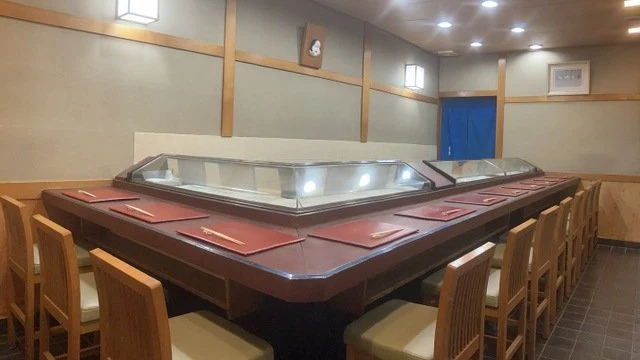
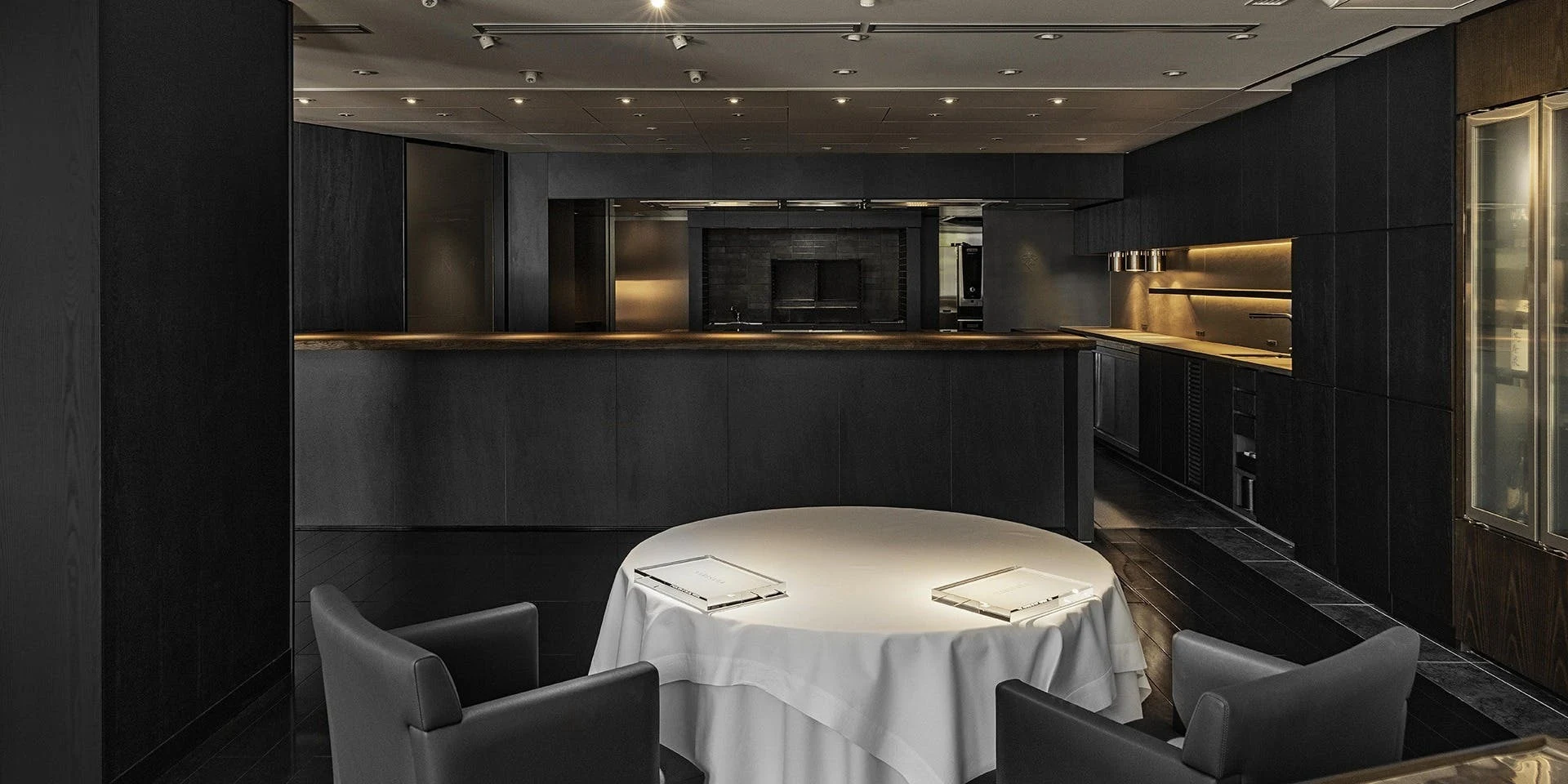
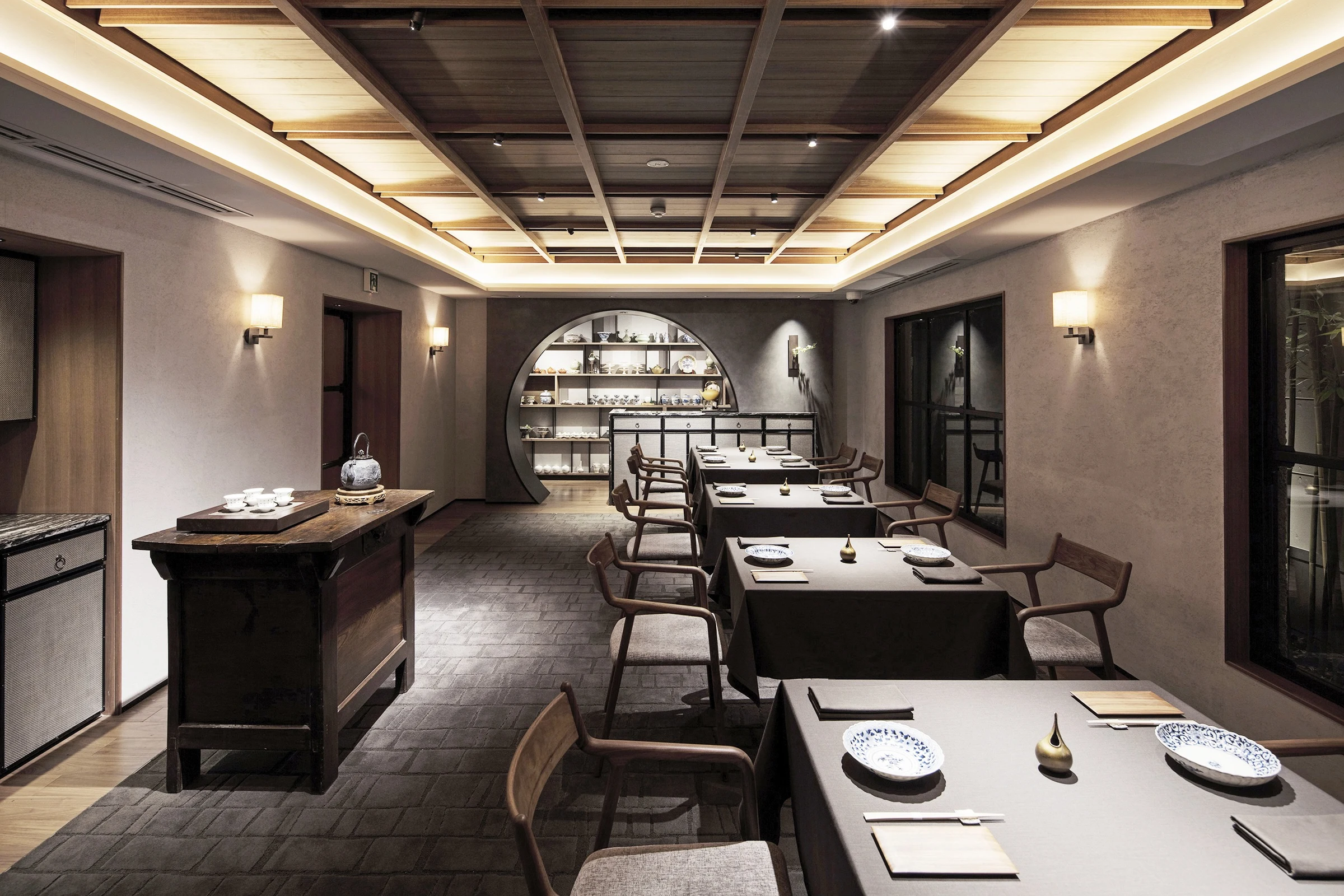
The room works best at a low register. Counter seating keeps the pass close, and the tone is hospitable rather than ceremonial; the chef names the fish quietly, the next piece follows, and the guest reads the sequence from the bench-side view. Hamamatsucho gives the restaurant a different pace from the heavier sushi districts. Office diners, solo guests, and regulars can sit within reach of the hands, without the room turning itself into theater.
Recognition has followed the house without changing that scale. Sushi Miyaba has been associated with Tabelog Bronze Awards from 2017–2020 and was selected for Tabelog Sushi TOKYO “Tabelog 100” in 2025. Awards are not the texture of the room, though. The texture is quieter at Sushi Miyaba: shari formed in the palm, neta laid cleanly across it, and anago arriving as the course that makes the house legible.
Questions
Frequently asked
What kind of sushi is served at Sushi Miyaba?
Sushi Miyaba is an Edomae sushi house in Hamamatsucho, working at counter scale with nigiri, omakase, and a traditional program built around fish, shari, and timing.
What is the restaurant known for?
The house is known for anago and tuna, with conger eel treated as a signature detail. The omakase also moves through seasonal neta with an emphasis on generous cuts and hand-formed rice.
Who is the chef at Sushi Miyaba?
Ryujiro Nakamura is the chef at Sushi Miyaba. His work there follows an Edomae frame shaped by his earlier role as Executive Chef at Umi in Aoyama until 2019 and his move into chef-owner work at Sushi Ryujiro and Sushi Miyaba.
What should a visit to Sushi Miyaba feel like?
The room is described as quiet and low-key, with counter seating that keeps the service close. The tone is hospitable rather than ceremonial, and the restaurant is said to suit office diners, solo guests, and regulars.
Is it necessary to book, and when is Sushi Miyaba open?
Reservations are recommended. The restaurant is closed on Mondays and Thursdays, and is open Tuesday, Wednesday, Friday, Saturday, and Sunday for lunch from 11:30 AM to 2:45 PM and dinner from 6 PM to 9:30 PM.
The field
How it compares
| Place | Cuisine | Notes | Awards |
|---|---|---|---|
| Sushi Miyaba | Edomae Sushi | Minato, $$$$ | · |
| Den | Modern Japanese Kaiseki | Tokyo | Michelin 2 Stars, World's 50 Best |
| Florilège | Modern French-Japanese Plant-Based Fine Dining | Tokyo | Michelin 2 Stars, World's 50 Best |
| Narisawa | Modern Japanese Satoyama Fine Dining | Tokyo | Michelin 2 Stars, World's 50 Best |
| Quintessence | Modern French Fine Dining | Tokyo | Michelin 3 Stars |
| Sazenka | Modern Chinese Fine Dining | Tokyo | Michelin 3 Stars, World's 50 Best |
| Sézanne | Modern French Fine Dining | Tokyo | Michelin 3 Stars, World's 50 Best |
In residence
Similar places
Modern Japanese Kaiseki
Den
Tokyo, Japan
★★ · 50 Best
Modern French-Japanese Plant-Based Fine Dining
Florilège
Tokyo, Japan
★★ · 50 Best
Modern Japanese Satoyama Fine Dining
Narisawa
Tokyo, Japan
★★ · 50 Best
Modern French Fine Dining
Quintessence
Tokyo, Japan
★★★
Modern Chinese Fine Dining
Sazenka
Tokyo, Japan
★★★ · 50 Best
Modern French Fine Dining
Sézanne
Tokyo, Japan
★★★ · 50 Best
The Sunday letter
Get the next Made By story in your inbox.
We send one email every Sunday morning with the places and people we covered that week.
See a sample of the Sunday emailOne email a week. Unsubscribe from any issue.