Sushi Osamu
In Residence
Osamu Muto
Chef
- 01CuisineTraditional Japanese Omakase Sushi
- 02CityFukuoka, Japan
- Opinionated About Dining Top Restaurants in Japan Recommended · 2026
- Tabelog Bronze #342: 3.9pts · 2026
- Tabelog 100 #82: 3.8pts · 2025
- Opinionated About Dining Top Restaurants in Japan Ranked #531 · 2025
- Tabelog Bronze · 2025
- Opinionated About Dining Top Restaurants in Japan Ranked #453 · 2024
- Opinionated About Dining Top Restaurants in Japan Recommended · 2023
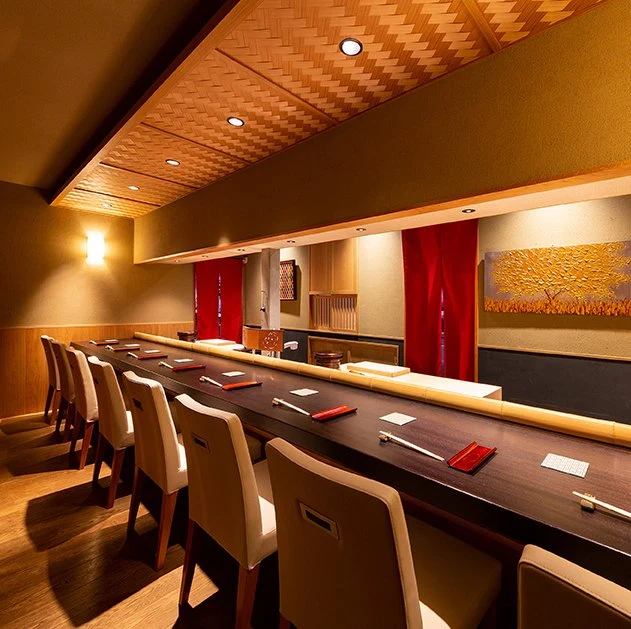
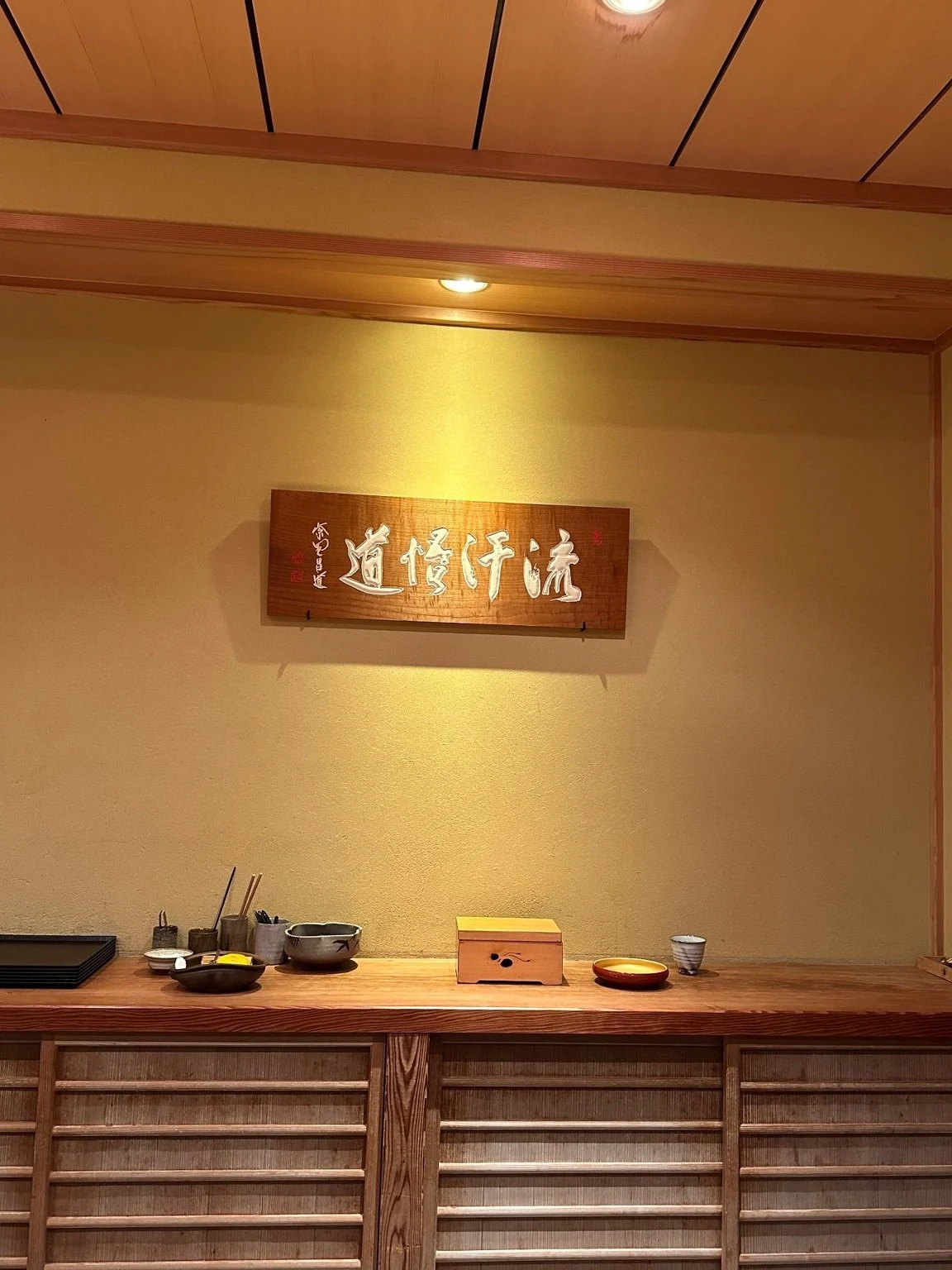
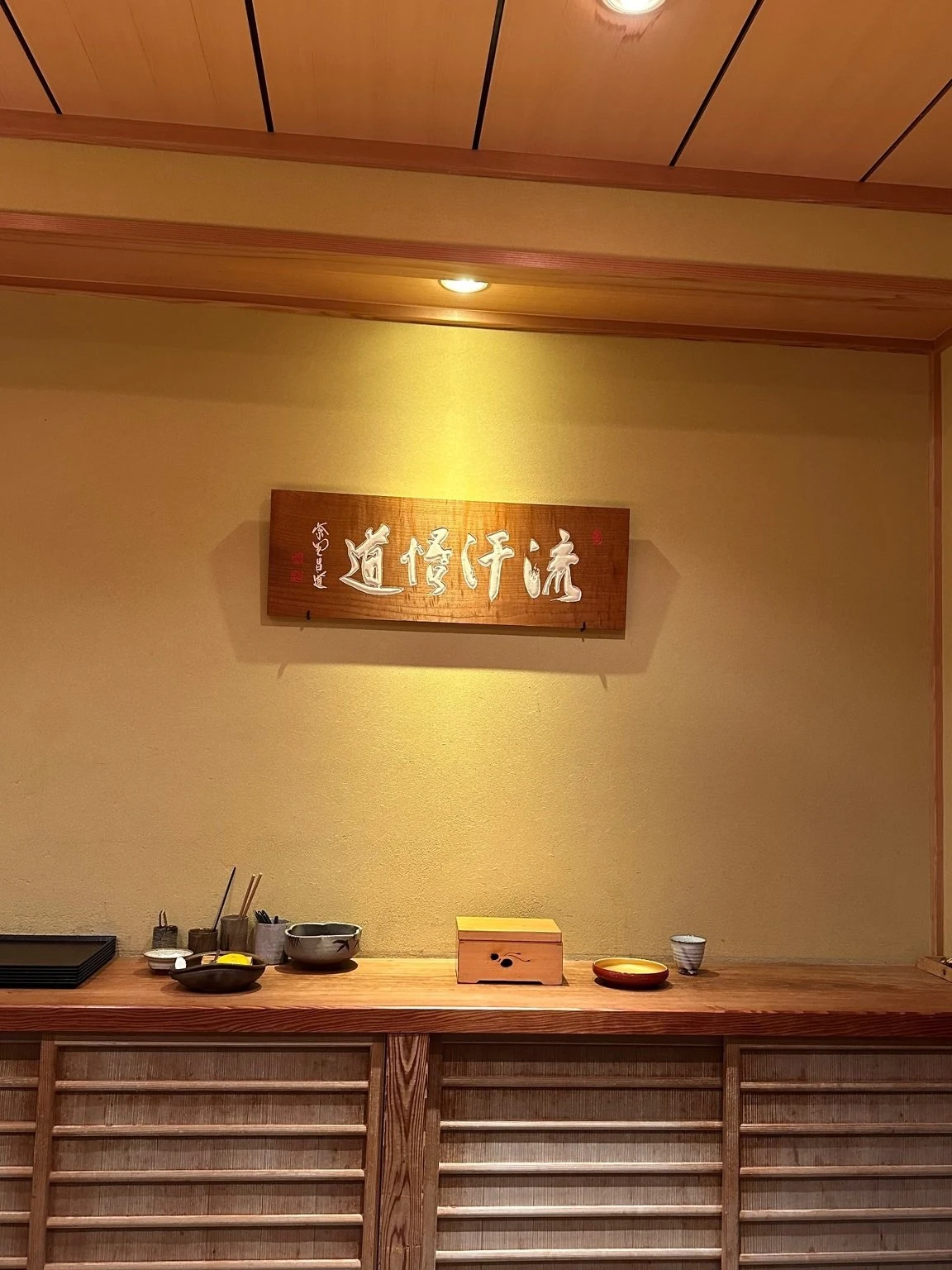
Approach in Nagazumi and the rhythm changes from central Fukuoka’s station-side density to a quieter residential register. That setting matters. Fukuoka sushi is often discussed through its access to Kyushu seafood, but its more compelling counters are defined by discipline: a small room, a fixed sequence, and the shokunin expectation that repetition is not routine but refinement. Sushi Osamu sits squarely in that tradition, with eight counter seats and a format that makes the chef’s hand, timing, and pacing the room’s central architecture.
The city’s serious sushi scene is not a Tokyo imitation. Fukuoka has its own logic, shaped by proximity to fishing grounds, a diner base that understands seafood, and a tighter circuit of counters where reputation travels through repeat visits rather than theatrical branding. Within that circuit, Sushi Gyoten, Chikamatsu, Morita, and Gahoujin 我逢人 form a useful comparison group: compact sushi rooms where the counter is not decoration but the operating system. Sushi Osamu’s place in that conversation is supported by repeat Tabelog Bronze recognition from 2017 through 2026 and inclusion in Tabelog Sushi WEST 100 in 2021, 2022, and 2025.
An eight-seat counter built around apprenticeship logic
The apprenticeship angle here should be understood as a dining structure, not a biography. Osamu Muto’s name matters because sushi at this level is judged through accumulated technique: rice temperature, fish preparation, hand pressure, serving cadence, and the ability to adjust a meal without breaking its tempo. In Japan’s shokunin tradition, mastery is less about visible novelty than controlled variation within a narrow field. A counter with only eight seats intensifies that scrutiny. There is nowhere for weak pacing to hide, and no large dining room energy to soften the meal’s concentration.
That is why the format aligns with Fukuoka’s stronger sushi identity. The city can support high-end counters without requiring the Ginza price theatre or hotel-dining polish that often frames sushi for international visitors. A place like Kotan broadens the local conversation, while the sushi counters listed above keep the focus on craft hierarchy, repetition, and direct chef-to-guest service. Sushi Osamu’s Tabelog score of 3.86 in 2026 and Bronze award give a measurable signal, but the more useful clue is the persistence of recognition across years. In a category where diners track small changes in rice, sourcing, and sequence, endurance counts.
Fukuoka also rewards understatement. The city’s dining culture has enough confidence to let small rooms stay small. That restraint suits sushi, where luxury is often expressed through control rather than display. Counter seating only, no private rooms, and a non-smoking policy create a narrow frame: the meal is the room. Drinks are listed in a conventional Japanese range, with sake, shochu, and wine, which places the experience closer to a disciplined sushi counter than a beverage-led restaurant.
Where Fukuoka sushi differs from the Tokyo template
Tokyo’s upper sushi tier often turns on scarcity, lineage signals, and a global reservation economy. Fukuoka’s serious counters can be less performative while remaining exacting. The distinction is useful for travelers deciding how to allocate meals in Kyushu. This is not a casual local sushi stop, nor is it a maximalist luxury production. It belongs to the small-counter category where the value of the evening depends on whether the diner cares about sequence, repetition, and minute technique.
The comparison with Sushi Gyoten and Chikamatsu is especially helpful because it shows how Fukuoka sustains more than one model of serious sushi. Some counters trade on national destination status; others feel more embedded in the city’s own dining habits. Sushi Osamu’s residential setting and compact scale place it in the latter camp. The decision is less about chasing spectacle and more about choosing a meal where the counter’s concentration is the point.
For travelers building a broader Fukuoka itinerary, sushi should not be isolated from the rest of the city’s food culture. The same trip might include contemporary Japanese cooking, yakitori, tonkotsu ramen, and seafood-led izakaya meals, but a counter like this gives the clearest view of how Fukuoka handles precision dining without losing its local character. Use Our full Fukuoka restaurants guide for the wider dining map, then layer in Our full Fukuoka bars guide, Our full Fukuoka hotels guide, Our full Fukuoka experiences guide, and Our full Fukuoka wineries guide if the trip extends beyond dinner reservations.
Who should choose this counter
This is a strong fit for diners who prefer close-range craft over restaurant theatre. The eight-seat format favors attention, quiet pacing, and a willingness to let the chef’s sequence set the evening. It is less suited to groups seeking private-room comfort or a flexible à la carte meal. Private use is available for small groups, which makes sense in a room of this size, but the counter remains the defining experience.
The practical reading is simple: treat it as a serious dinner reservation in Fukuoka’s small-counter sushi category. The course format, counter-only seating, and repeated local recognition put it above casual sushi planning and into the same itinerary conversation as the city’s more discussed sushi rooms. For Japan-wide context, the contrast with 3110, Sushi in Tokyo and AKA to SHIRO, Sushi in Osaka helps show how regional sushi experiences differ in scale, tone, and dining rhythm.
Travelers extending the route through Japan can compare Fukuoka’s counter culture with other category-specific pages, from -Grilled beef Sukiyaki- KAMAKURA TANUKIAN 鎌倉 たぬき庵 in Kamakura to. 鮪と炭火焼き うお炭 秋葉原店 in Tokyo,.cafe in Osaka,.know in Kumamoto, (Shoku) Vietnam in Kawasaki, and [Curry Senmon Ten] Maruyama Kyoju. in Sapporo. Those comparisons underline the point: Sushi Osamu is not trying to represent Japanese dining broadly. It represents a precise Fukuoka version of the sushi counter, where recognition, small scale, and apprenticeship-driven technique carry the argument.
Questions
Frequently asked
Who works at Sushi Osamu?
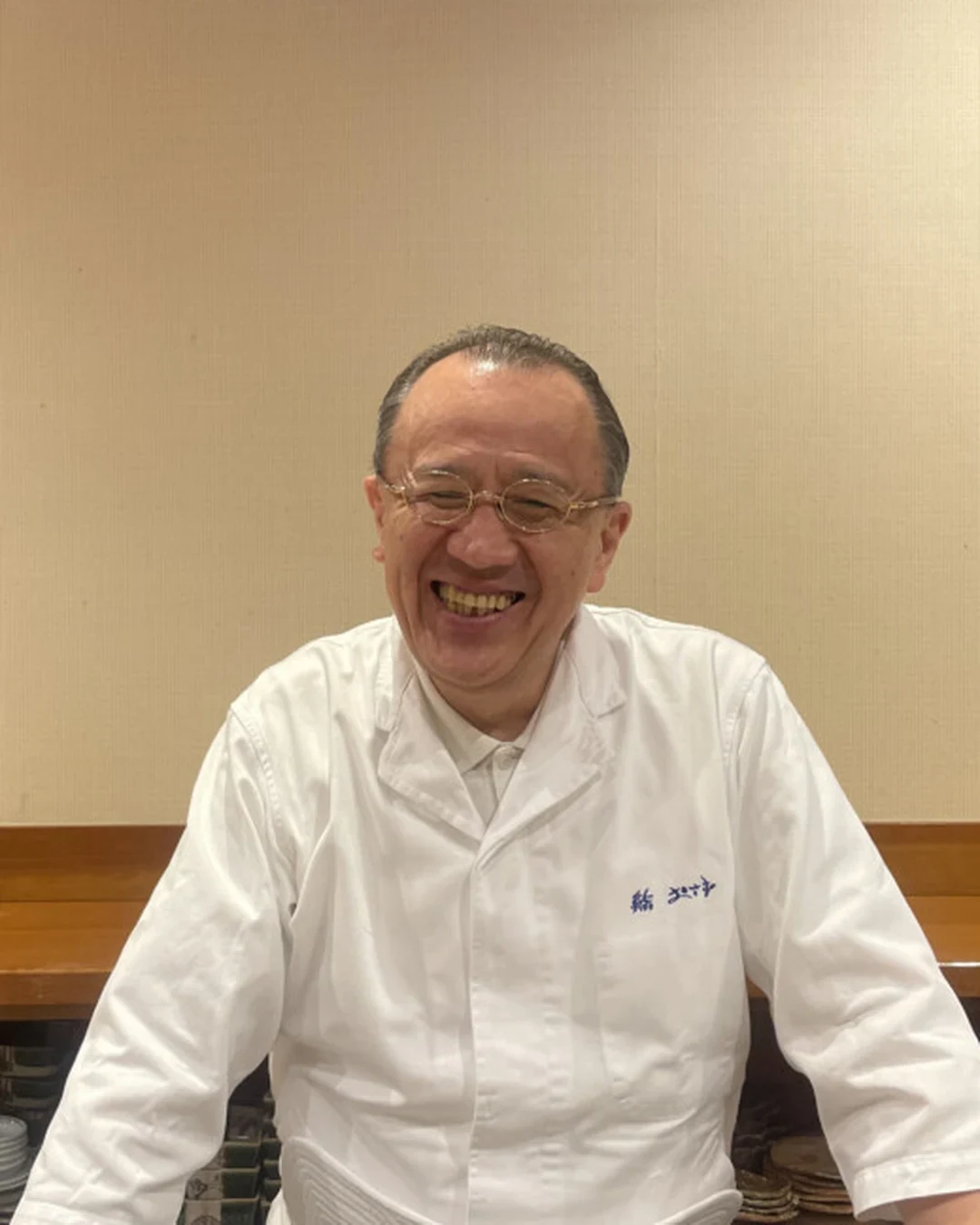
Made By profiles Osamu Muto (Chef) at Sushi Osamu.
How expensive is Sushi Osamu?
Sushi Osamu is listed at a price level of $$$$.
Where is Sushi Osamu and what does it serve?
Sushi Osamu is in Minami, Fukuoka, serving Traditional Japanese Omakase Sushi.
The field
How it compares
| Place | Cuisine | Notes |
|---|---|---|
| Sushi Osamu | Traditional Japanese Omakase Sushi | Minami, $$$$ |
| Chikamatsu | Edomae Sushi Omakase | Fukuoka |
| Restaurant Sola | Modern French with Kyushu Ingredients | Fukuoka |
| Sushi Gyoten | 3-Star Michelin Edomae Omakase | Fukuoka |
| Sushi Karashima | Kyushu-Style Edomae Omakase | Fukuoka |
| Sushi Sakai | Edomae-style Omakase Sushi | Fukuoka |
| Tenzushi Kyomachi | Modern Kyushu-style Omakase Sushi | Fukuoka |
In residence
Similar places
Edomae Sushi Omakase
Chikamatsu
Fukuoka, Japan
Modern French with Kyushu Ingredients
Restaurant Sola
Fukuoka, Japan
3-Star Michelin Edomae Omakase
Sushi Gyoten
Fukuoka, Japan
Kyushu-Style Edomae Omakase
Sushi Karashima
Fukuoka, Japan
Edomae-style Omakase Sushi
Sushi Sakai
Fukuoka, Japan
Modern Kyushu-style Omakase Sushi
Tenzushi Kyomachi
Fukuoka, Japan