Sushi Ryujiro
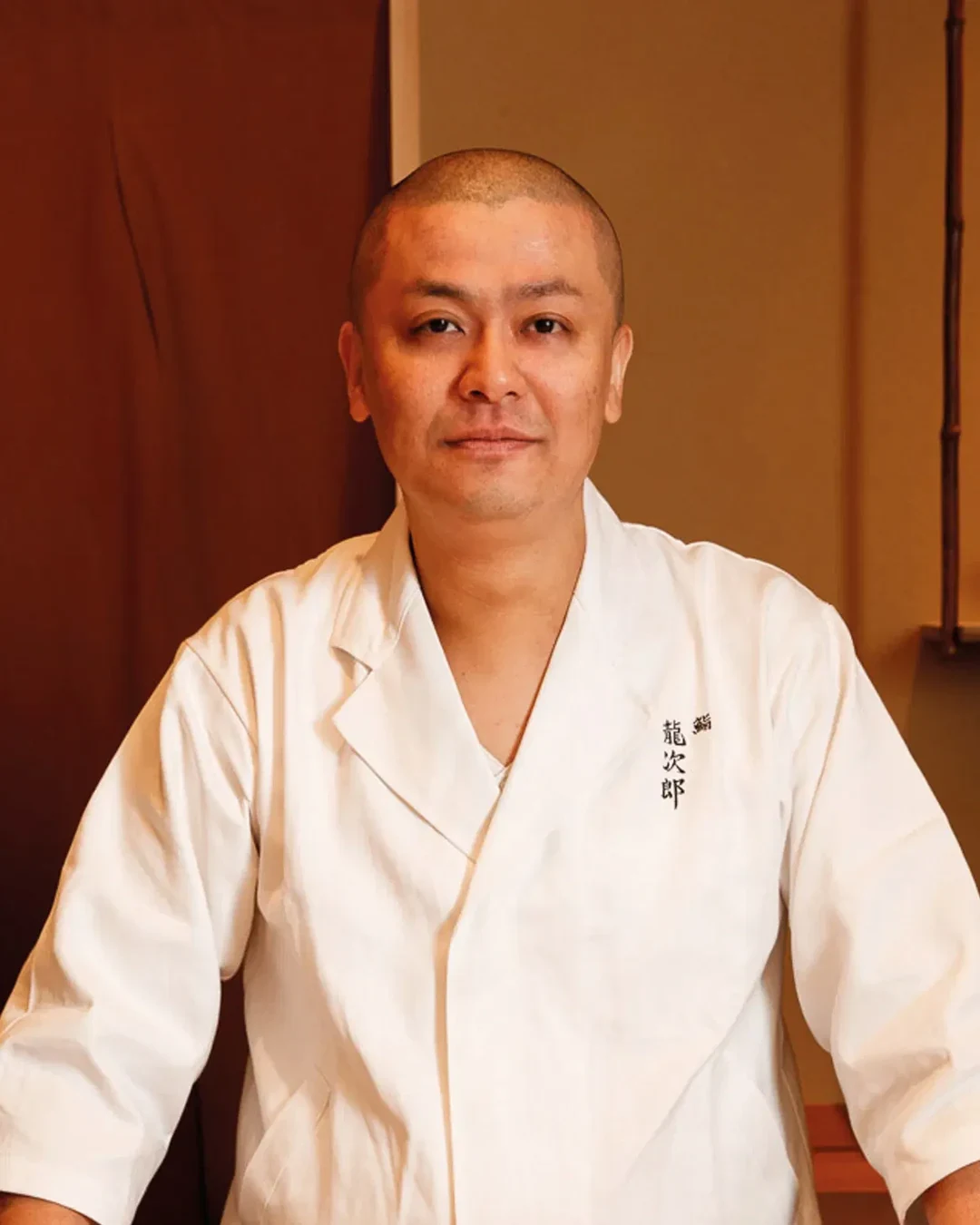
In Residence
Ryujiro Nakamura
Chef
- 01CuisineTraditional Japanese Omakase Sushi
- 02CityTokyo, Japan
- 03RecognitionOne Michelin Star
- 1 Michelin Star · Michelin Guide
- Michelin 1 Star · 2026
- Opinionated About Dining Top Restaurants in Japan Highly Recommended · 2026
- Tabelog Silver #111: 4.4pts · 2026
- Opinionated About Dining Top Restaurants in Japan Ranked #177 · 2025
- Tabelog 100 #88: 4.4pts · 2025
- Tabelog Silver · 2025
- Michelin 1 Star · 2024
- Opinionated About Dining Top Restaurants in Japan Ranked #409 · 2024
- Opinionated About Dining Top Restaurants in Japan Recommended · 2023
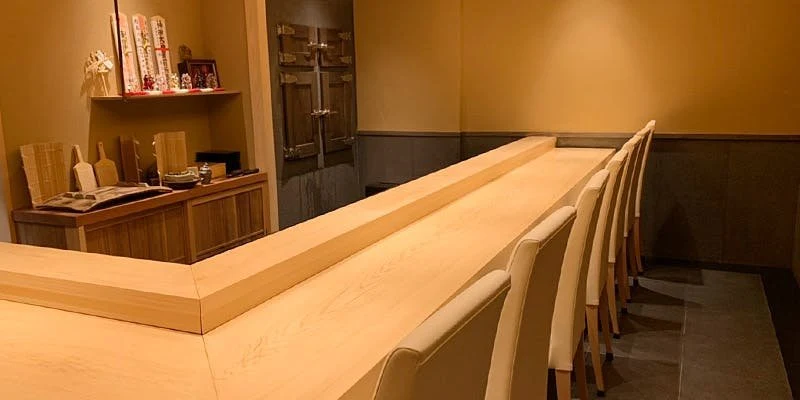
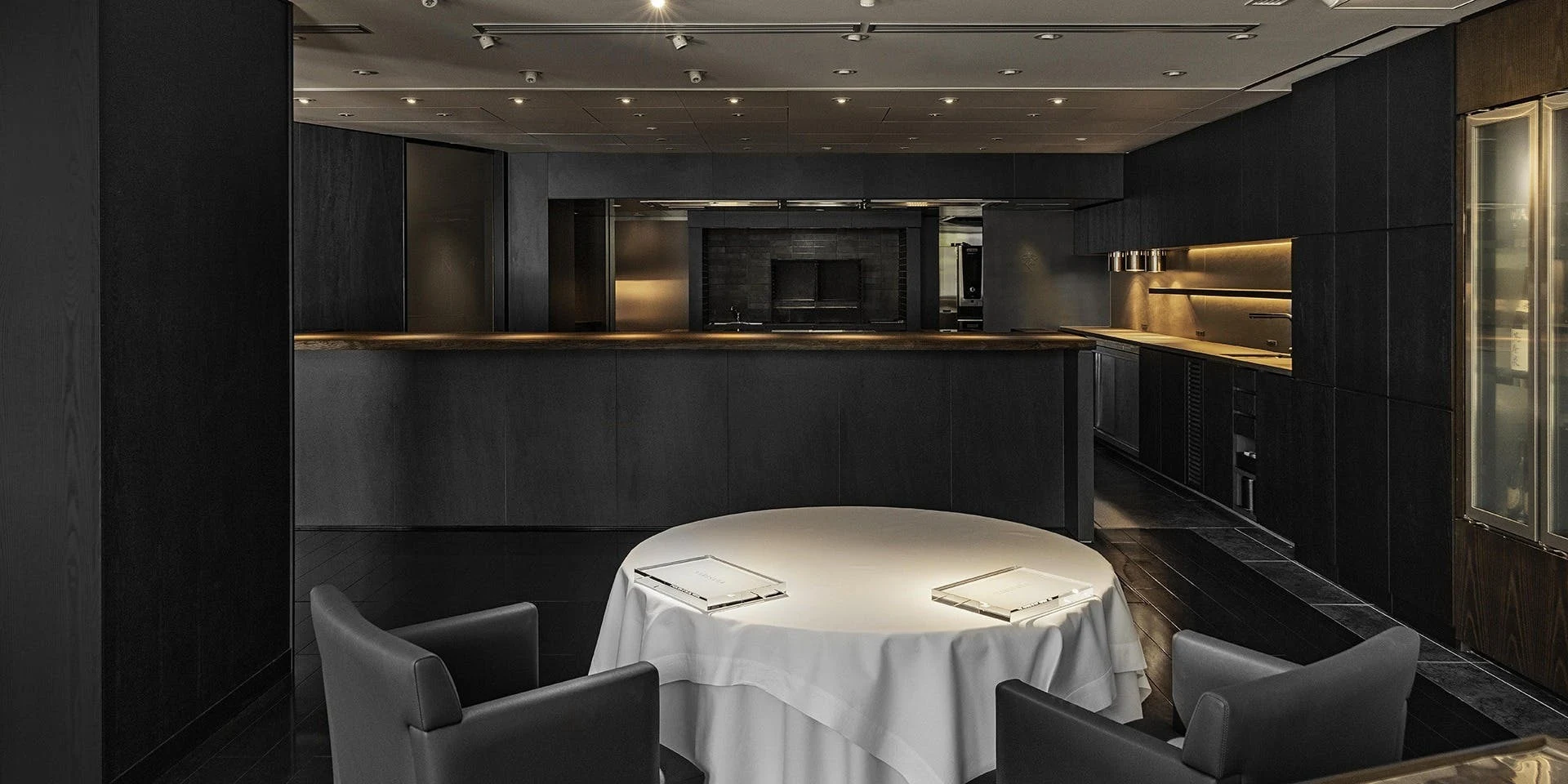
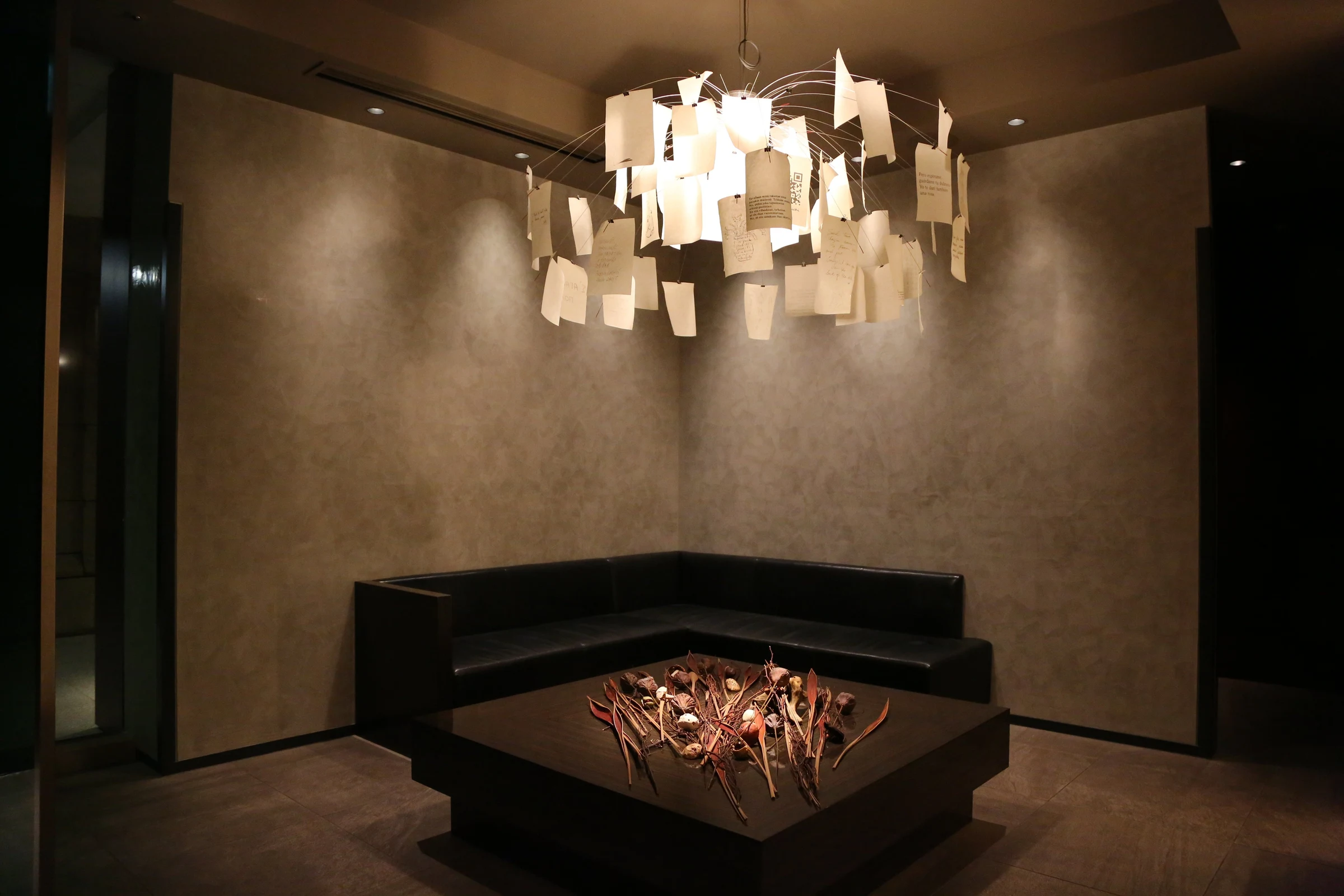
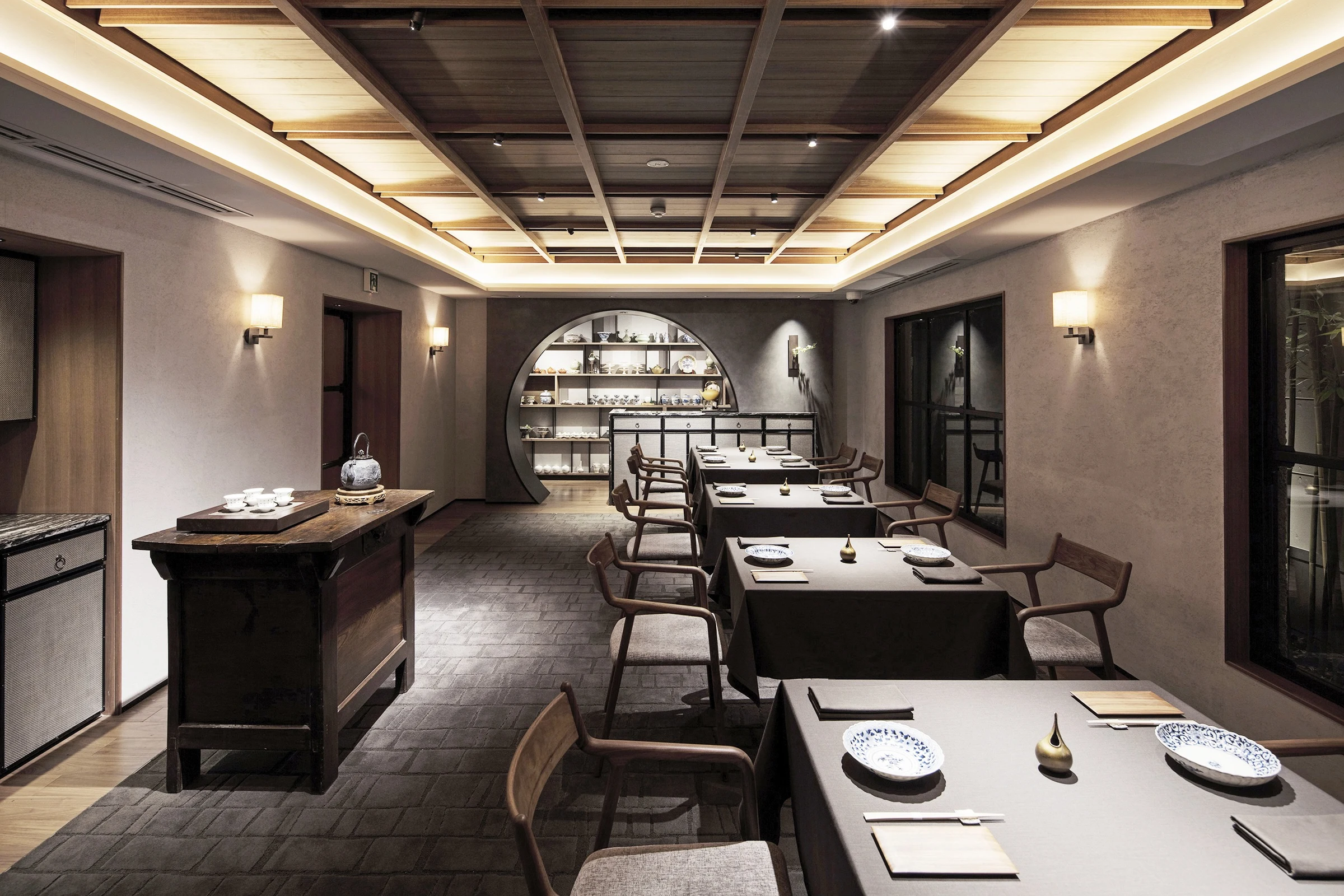
The first impression should be framed with restraint rather than theatre: Sushi Ryujiro is a Tokyo restaurant best approached through attention, patience, and the disciplined expectations of serious dining in the city. Without relying on unverified claims about the room, the useful way to read the experience is through what can be responsibly said: it belongs on a Tokyo itinerary for diners who are weighing carefully chosen meals rather than casual stops. The name carries enough recognition to merit that level of attention.
Tokyo has many restaurants associated with scarcity, but the sharper distinction for travelers is ritual. A meal at this level is not simply a parade of luxury signals; it is a sequence of decisions that diners experience through pace, focus, and the room’s own sense of control. Sushi Ryujiro should be understood within that grammar: not as a generic destination box to tick, but as a Tokyo dining choice for guests who care about the shape and seriousness of the meal.
The Sunday letter
Find new places through the people who run them.
Our Sunday email brings you the chefs, winemakers and hoteliers behind our newest stories. See a sample before you subscribe.
See a sample of the Sunday emailOne email a week. Unsubscribe from any issue.
The counter ritual: restraint first, then the discipline of pacing
The meal’s identity is best discussed through restraint. In Tokyo dining, opening moments can carry more meaning than their simplicity may suggest. Early impressions test judgment, balance, and confidence. Starting with restraint signals that a restaurant is not building only toward prestige; it begins with a direct statement of intent, then asks the rest of the experience to hold that standard.
That places Sushi Ryujiro in a familiar, demanding Tokyo category: restaurants where early details do much of the intellectual work. The appeal is calibration, not excess. Modest-looking moments can make the same argument, because simple presentations expose weaknesses quickly. A restrained dish has nowhere to hide. A shift in temperature, texture, or intensity can reset the register of the meal. These details separate a restaurant built for status photography from one built around dining literacy.
Names and personalities matter less here than the results experienced by the guest. Tokyo’s most serious dining culture still prizes repetition, transmission, and discipline, but the meal ultimately judges itself at the table. Recognition gives an external frame: Sushi Ryujiro is included in the Opinionated About Dining restaurant recognition for 2026. That signal does not make the meal; it confirms a competitive context where small differences in seasoning, pacing, and execution matter.
Where it sits in Tokyo's dining conversation
Tokyo’s upper-tier dining field is narrower than it looks from abroad. There are restaurants built around luxury display, restaurants built around lineage, and restaurants closer to technical studies of method. Sushi Ryujiro belongs in the serious Tokyo conversation rather than in broad destination dining alone. Its 2026 Opinionated About Dining recognition is the clearest confirmed marker for placing it there.
Comparison helps only when it clarifies the decision. Sushi Masashi and Nishiazabu Sushi Shin occupy the same serious Tokyo conversation, while Sushi Miura offers another point of reference for diners mapping focused restaurant experiences. Sushi Kimura is a useful comparison for guests interested in how technique can define identity, and Edomae Sushi Hanabusa offers another Tokyo reference for diners considering a highly focused meal. The choice is not about chasing one label. It is about selecting the kind of restaurant where rhythm, detail, and internal tempo matter as much as headline ingredients.
The wider Tokyo dining map matters because one restaurant rarely exists in isolation on a serious itinerary. A visitor might pair this meal with other contemporary rooms, French-inflected cooking, old-school local traditions, or another focused experience elsewhere in the city. For broader planning, Our full Tokyo restaurants guide is a better starting point than treating one restaurant as the whole city.
How to read the meal
The correct lens is restraint. Diners accustomed to longer tasting menus may look for overt progression, but serious Tokyo dining often moves through nuance rather than escalation. A sequence can pivot between textures, temperatures, and intensities without announcing a dramatic arc. The point is continuity: each moment stays alive, seasoning remains precise, and the room controls the gap between impressions. Conversation should follow the room, not dominate it.
A focused format changes etiquette. Watch the pace, respond promptly when something is presented, and treat the meal as a live exchange rather than a static checklist. The service style rewards attention to sequence: why a direct opening matters, why a quieter moment appears when it does, why a change in temperature can reset the palate. This is where value lies for travelers who have eaten similar meals outside Japan and want to understand why Tokyo restaurants can feel stricter, quieter, and more exacting.
Tokyo itineraries should leave space around a meal like this. The city’s hospitality scene pulls in many directions, from hotels to bars to cultural programming, and better trips avoid stacking too much sensory demand into one evening. For planning beyond restaurants, use Our full Tokyo hotels guide, Our full Tokyo bars guide, Our full Tokyo wineries guide, and Our full Tokyo experiences guide. Regional comparisons help too: unnamed dining rooms in other cities show how a format changes with city, sourcing network, and dining culture.
The verdict is clear: this is a Tokyo restaurant for diners who care about dining as practiced ritual, not merely luxury category. Recognition justifies attention, but the stronger reason to consider it is the seriousness implied by its place in the city’s dining conversation and its inclusion in Opinionated About Dining recognition for 2026. For wider Japan planning, useful contrasts include other dining rooms in Tokyo and beyond, where different cities express luxury, restraint, and hospitality through different forms.
Questions
Frequently asked
What recognition does Sushi Ryujiro hold?
Sushi Ryujiro holds 1 Michelin star.
Who works at Sushi Ryujiro?
Made By profiles Ryujiro Nakamura (Chef) at Sushi Ryujiro.
How expensive is Sushi Ryujiro?
Sushi Ryujiro is listed at a price level of $$$$.
Where is Sushi Ryujiro and what does it serve?
Sushi Ryujiro is in Minato, Tokyo, serving Traditional Japanese Omakase Sushi.
The field
How it compares
| Place | Awards | Cuisine | Notes |
|---|---|---|---|
| Sushi Ryujiro | Michelin 1 Star | Traditional Japanese Omakase Sushi | Minato, $$$$ |
| Den | Michelin 2 Stars, World's 50 Best | Modern Japanese Kaiseki | Tokyo |
| Florilège | Michelin 2 Stars, World's 50 Best | Modern French-Japanese Plant-Based Fine Dining | Tokyo |
| Narisawa | Michelin 2 Stars, World's 50 Best | Modern Japanese Satoyama Fine Dining | Tokyo |
| Quintessence | Michelin 3 Stars | Modern French Fine Dining | Tokyo |
| Sazenka | Michelin 3 Stars, World's 50 Best | Modern Chinese Fine Dining | Tokyo |
| Sézanne | Michelin 3 Stars, World's 50 Best | Modern French Fine Dining | Tokyo |
In residence
Similar places
Modern Japanese Kaiseki
Den
Tokyo, Japan
★★ · 50 Best
Modern French-Japanese Plant-Based Fine Dining
Florilège
Tokyo, Japan
★★ · 50 Best
Modern Japanese Satoyama Fine Dining
Narisawa
Tokyo, Japan
★★ · 50 Best
Modern French Fine Dining
Quintessence
Tokyo, Japan
★★★
Modern Chinese Fine Dining
Sazenka
Tokyo, Japan
★★★ · 50 Best
Modern French Fine Dining
Sézanne
Tokyo, Japan
★★★ · 50 Best
The Sunday letter
Get the next Made By story in your inbox.
We send one email every Sunday morning with the places and people we covered that week.
See a sample of the Sunday emailOne email a week. Unsubscribe from any issue.