Made ByRestaurant
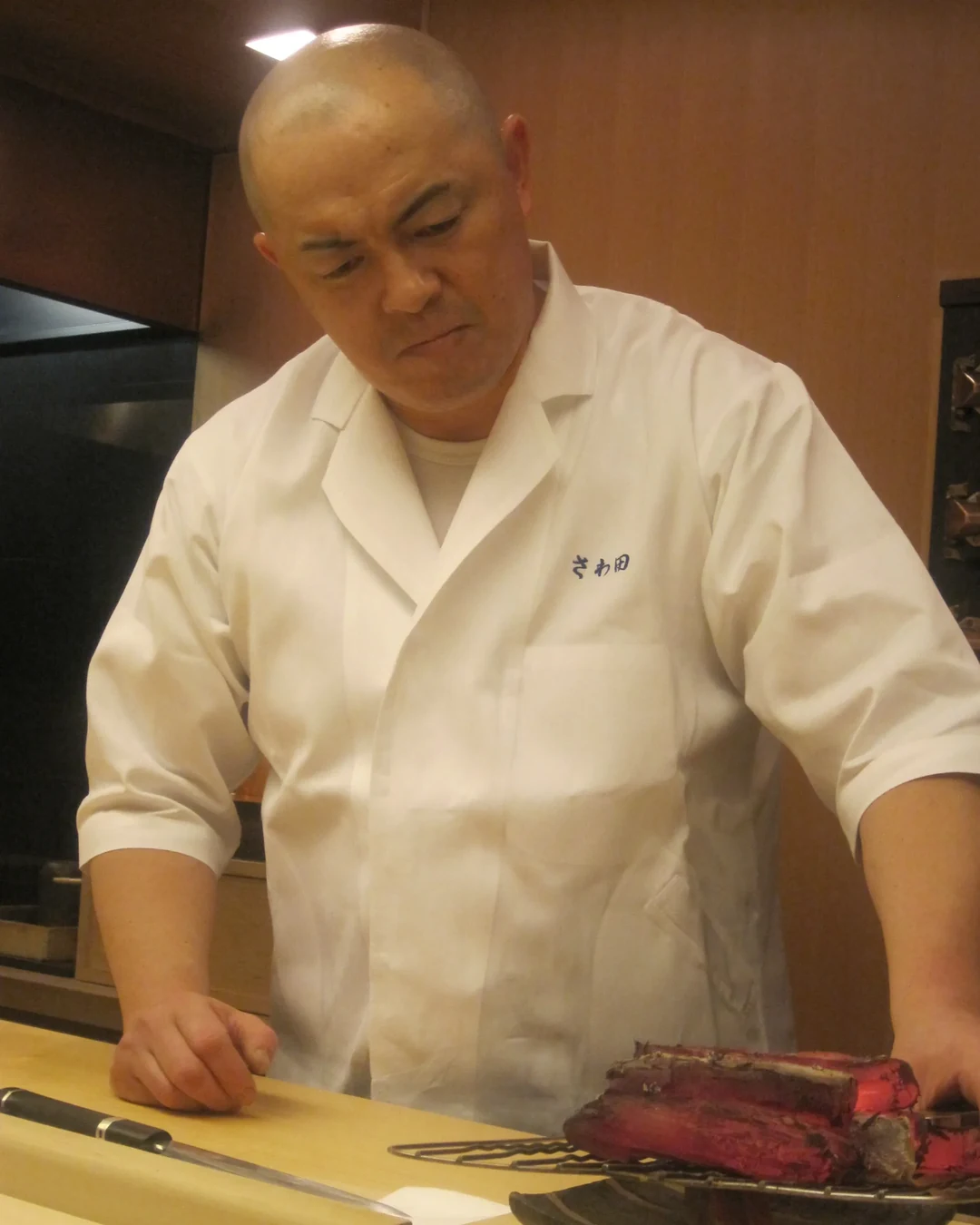
Koji Sawada, Chef at Sushi Sawada in Tokyo, shapes a daily omakase from fish he selects himself each morning.
At a glance
- Cuisine
- Sushi
Morning fish, chosen by hand
Koji Sawada chooses the morning fish himself, then carries those decisions back to his counter as Chef at Sushi Sawada in Tokyo, Japan. The day begins with selection, not with a fixed list. At this scale, the market does not simply supply the meal; it edits it. Sawada uses only the best fish available that day, a standard that keeps the work close to weather, season, condition, and the judgment of the hands that will shape each piece later.
Koji Sawada came to the bench late, becoming a chef at 31 after working as a truck driver. That earlier discipline still sits inside the service: long hours, physical labor, repetition, and attention carried into a craft where a small lapse changes the piece in front of the guest. Before Sawada, he worked for Aoki in Ginza, a lineage that places his counter inside one of Tokyo’s most exacting sushi districts without turning the room into ceremony for its own sake. His role here is direct. He selects, cuts, shapes, and serves, with the counter as the place where judgment becomes food.
The counter answers to the day
The method at Sushi Sawada is built around omakase, but the discipline is not theatrical. Chef’s-choice service gives Sawada room to respond to the fish he has chosen that morning. The sequence comes from the day’s quality, not from a script that must be obeyed because it was printed before the market opened. Tuna often draws attention from guests, and the counter’s reputation has gathered around that experience, but the more important fact is quieter: Sawada’s practice begins before service, in the act of deciding what is worthy of the bench.
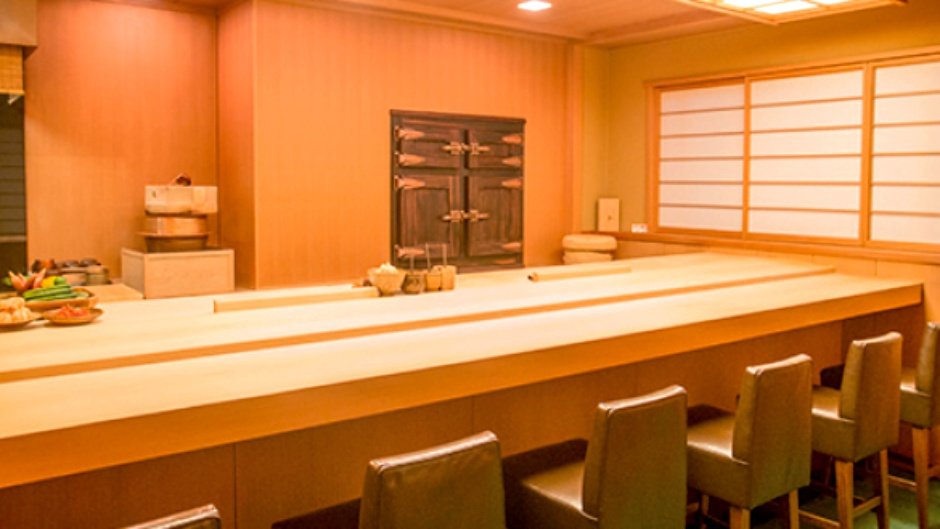
Once the fish reaches the counter, the work narrows. Cutting, temperature, rice, pressure, and timing meet in the final shaping of each piece. The restaurant does not need a large room to make those decisions visible. It needs proximity. Sawada’s hands make the last adjustment at the pass between ingredient and guest, while his wife works beside him, explaining some dishes in English and helping carry the rhythm of service. The partnership matters because this kind of counter depends on continuity. One person shapes the sushi; another helps keep the room aligned with the pace of the meal.
A small room above Ginza
Sushi Sawada sits in the MC Bldg. at 5-chōme-9-19 Ginza, Chuo City, Tokyo, in a small room where the counter does most of the speaking. There is little distance between the bench and the guest. The fish arrives piece by piece; the rice meets the hand; the hand corrects pressure in the moment. The room does not ask for spectacle. It asks the diner to watch what changes when selection, cut, and shape stay under one maker’s control.
Ginza can make luxury feel like architecture, but here it is closer to stamina. Sawada’s late start as a chef gives the place a particular grain, less inherited ease than earned repetition. The former truck driver’s habits have not been polished out of the work; they have been given a finer station. The room’s address or its scarcity is not the whole story. It is the piece placed in front of the guest by Koji Sawada.
Address
MC Bldg.,, 5 Chome-9-19 Ginza, Chuo City, Tokyo 104-0061, Japan
In residence
Similar places
French
Sézanne
Tokyo, Japan
★★★ · 50 Best
Modern Chinese Fine Dining
Sazenka
Tokyo, Japan
★★★ · 50 Best
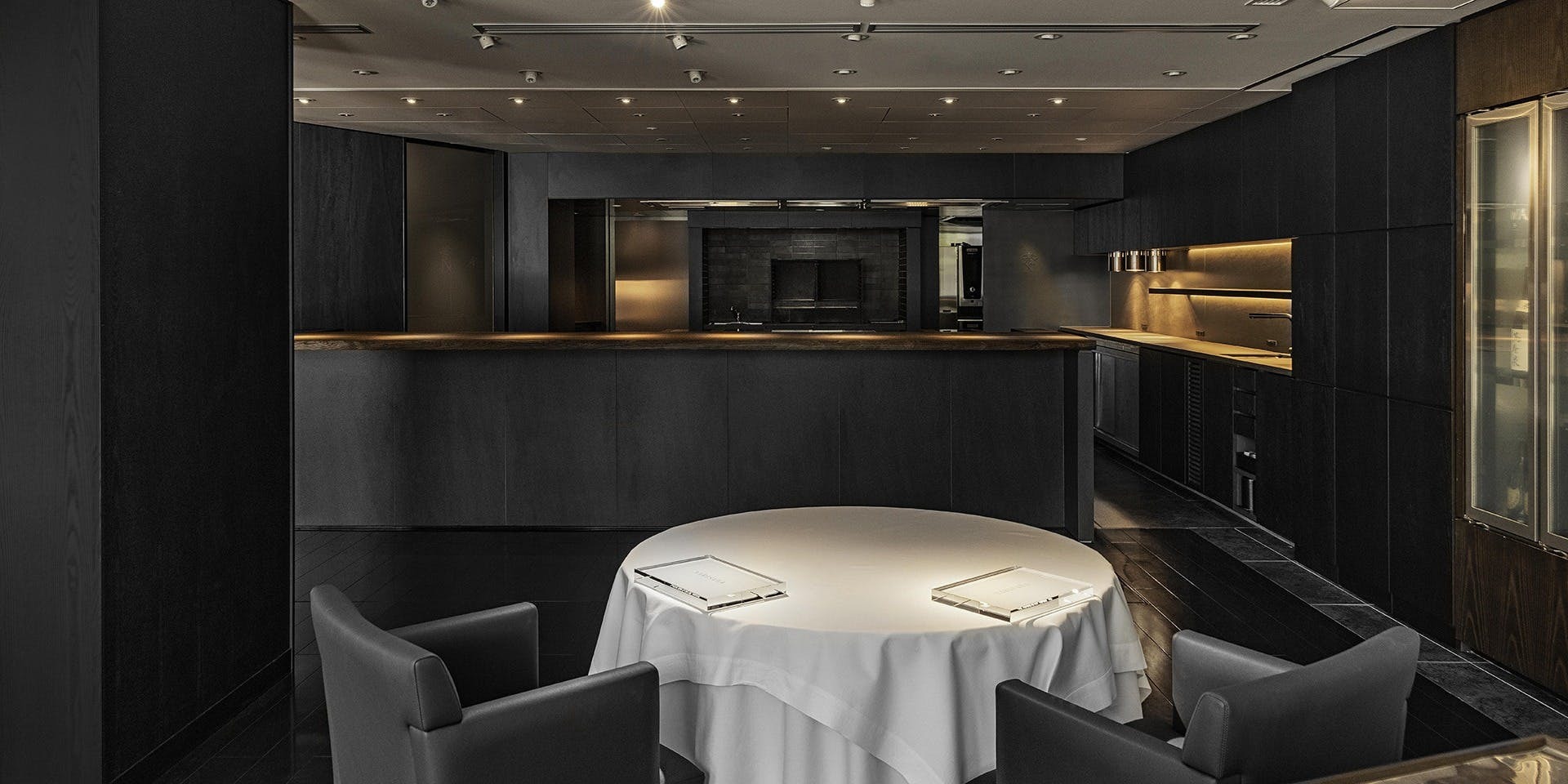
Modern Japanese Satoyama Fine Dining
Narisawa
Tokyo, Japan
★★ · 50 Best
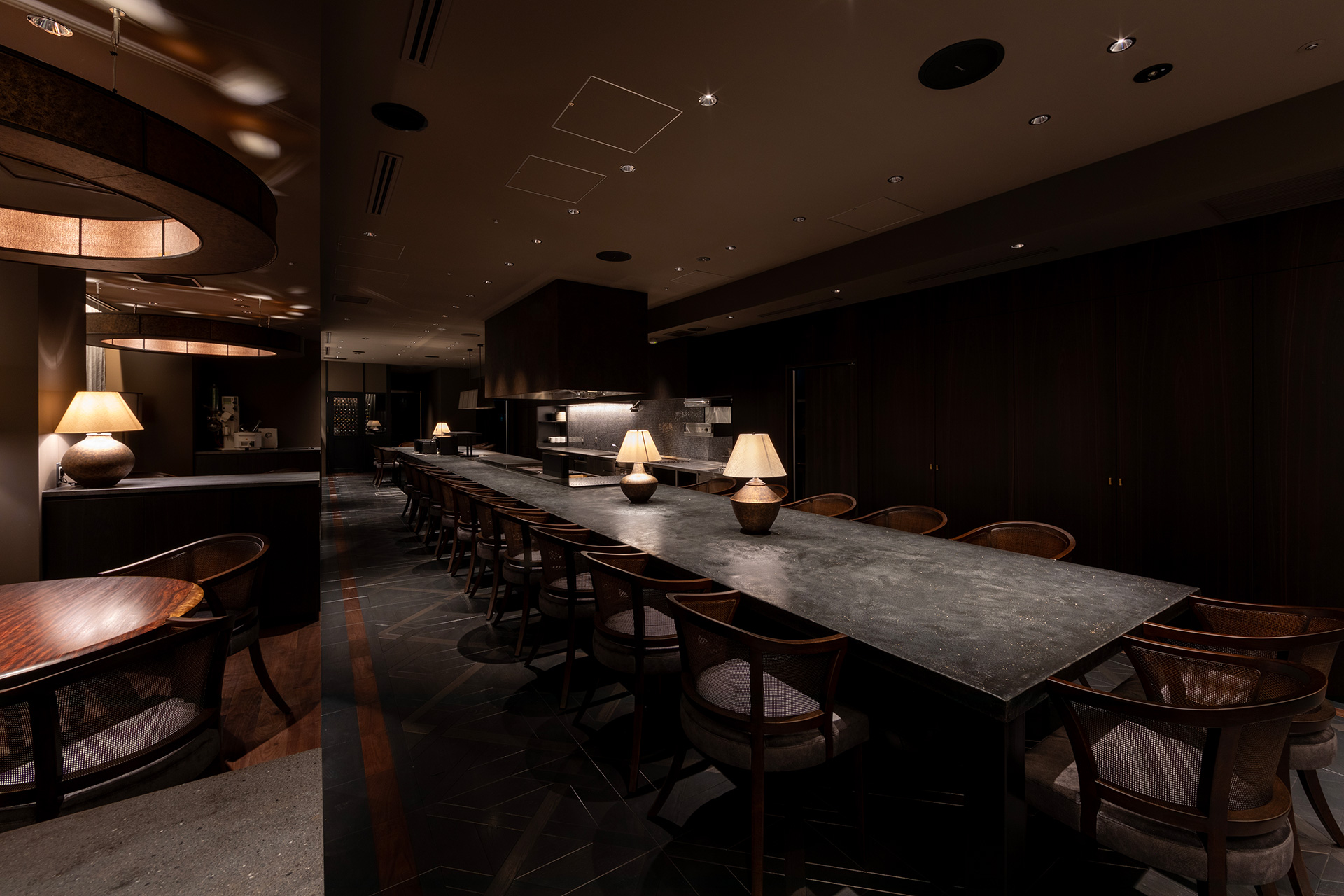
Modern French-Japanese Plant-Based Fine Dining
Florilège
Tokyo, Japan
★★ · 50 Best
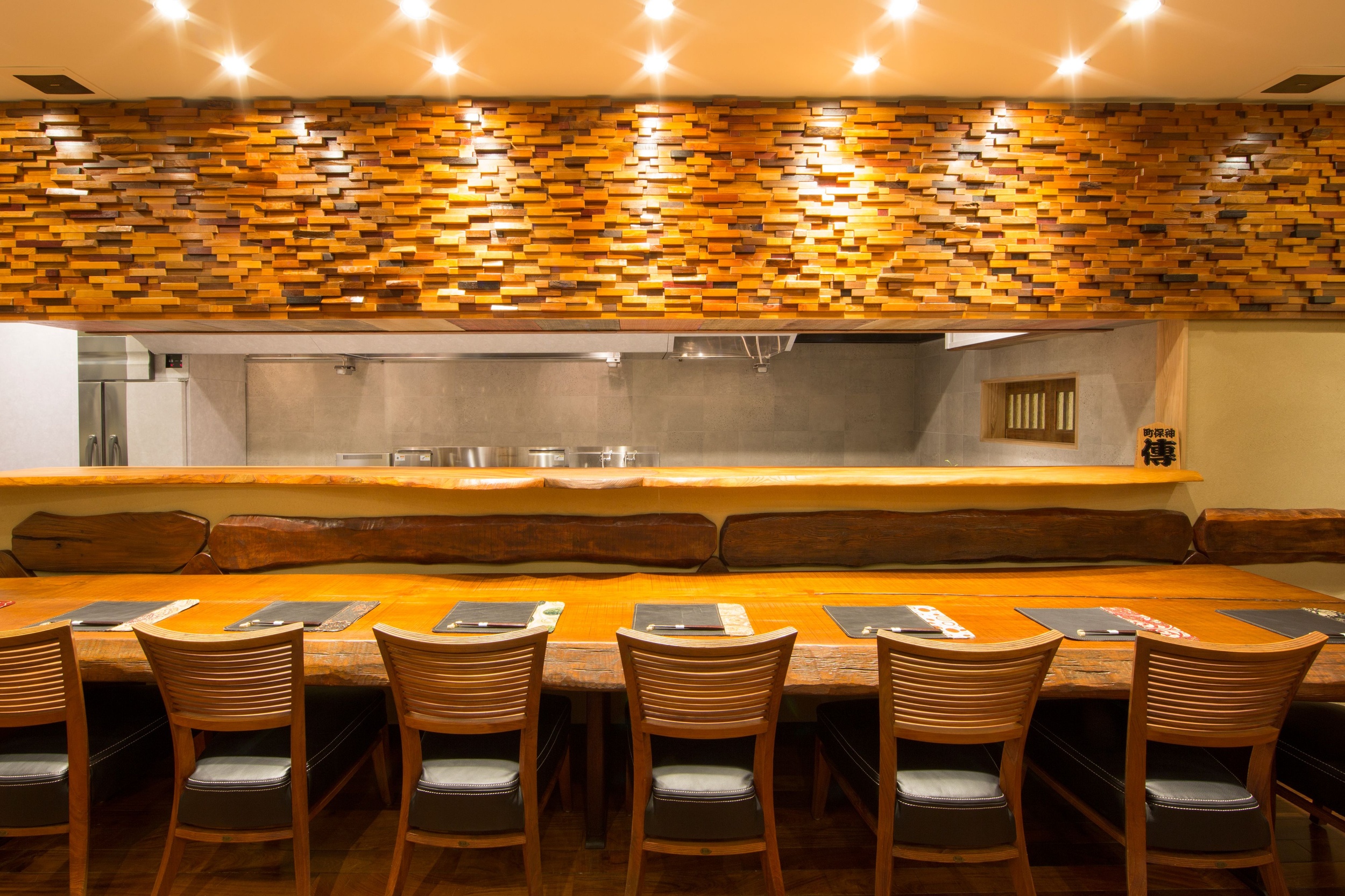
Modern Japanese Kaiseki
Den
Tokyo, Japan
★★ · 50 Best
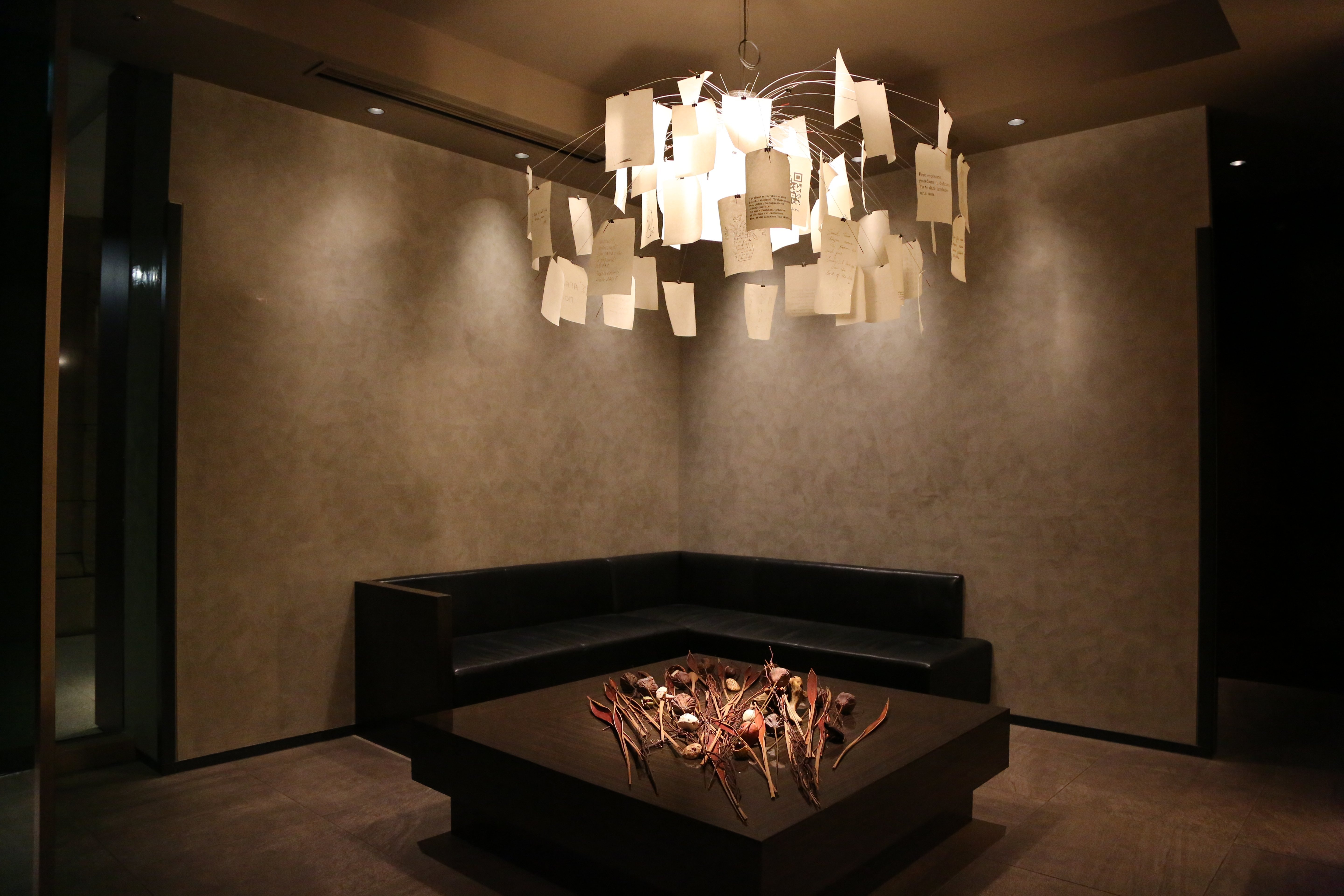
Modern French Fine Dining
Quintessence
Tokyo, Japan
★★★