Tempura Kondo
In Residence
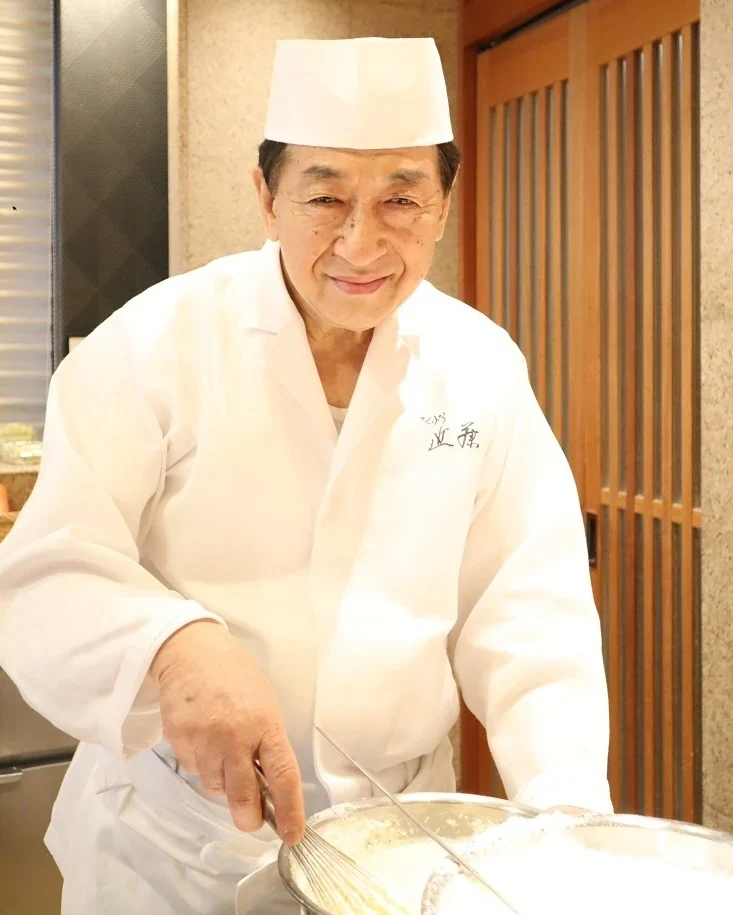
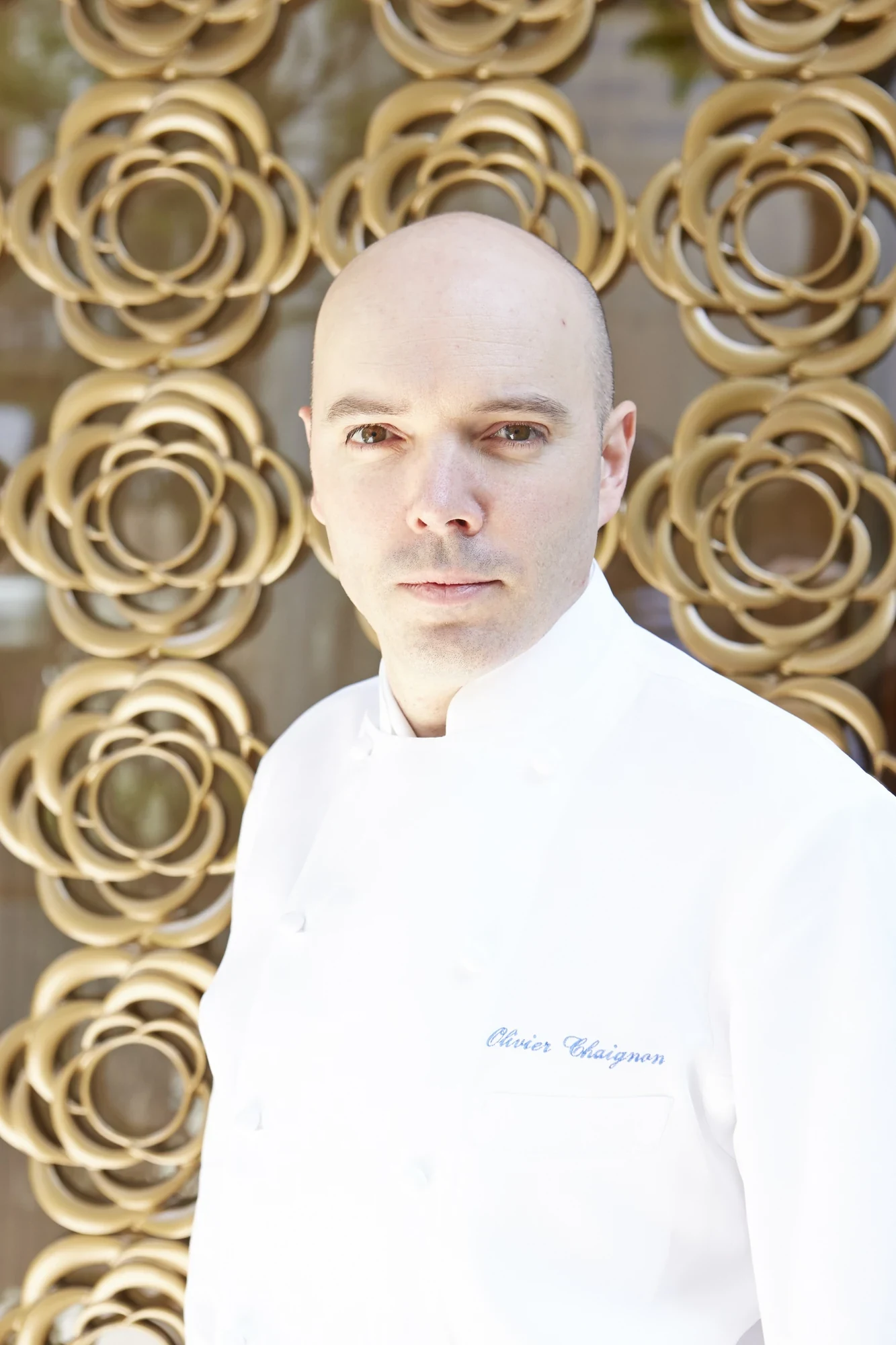
Fumio Kondo
Chef
- 01CuisineMichelin-Starred Edo Tempura
- 02CityTokyo, Japan
- 03RecognitionTwo Michelin Stars
From the people index
Recommended by
3 trusted voices point here.
- 2 Michelin Stars · Michelin Guide
- La Liste Top Restaurants: 85pts · 2026
- Tabelog Bronze #201: 4.1pts · 2026
- Opinionated About Dining Top Restaurants in Japan Recommended · 2026
- Michelin 2 Stars · 2026
- Michelin 2 Stars · 2025
- We're Smart World 3 Radishes · 2025
- La Liste Top Restaurants: 86.5pts · 2025
- Opinionated About Dining Top Restaurants in Japan Ranked #416 · 2025
- Tabelog Bronze · 2025
- Tabelog 100 #16: 4pts · 2025
- Michelin 2 Stars · 2024
- Opinionated About Dining Top Restaurants in Japan Ranked #360 · 2024
Where Ginza's Tempura Tradition Places Its Highest Bar
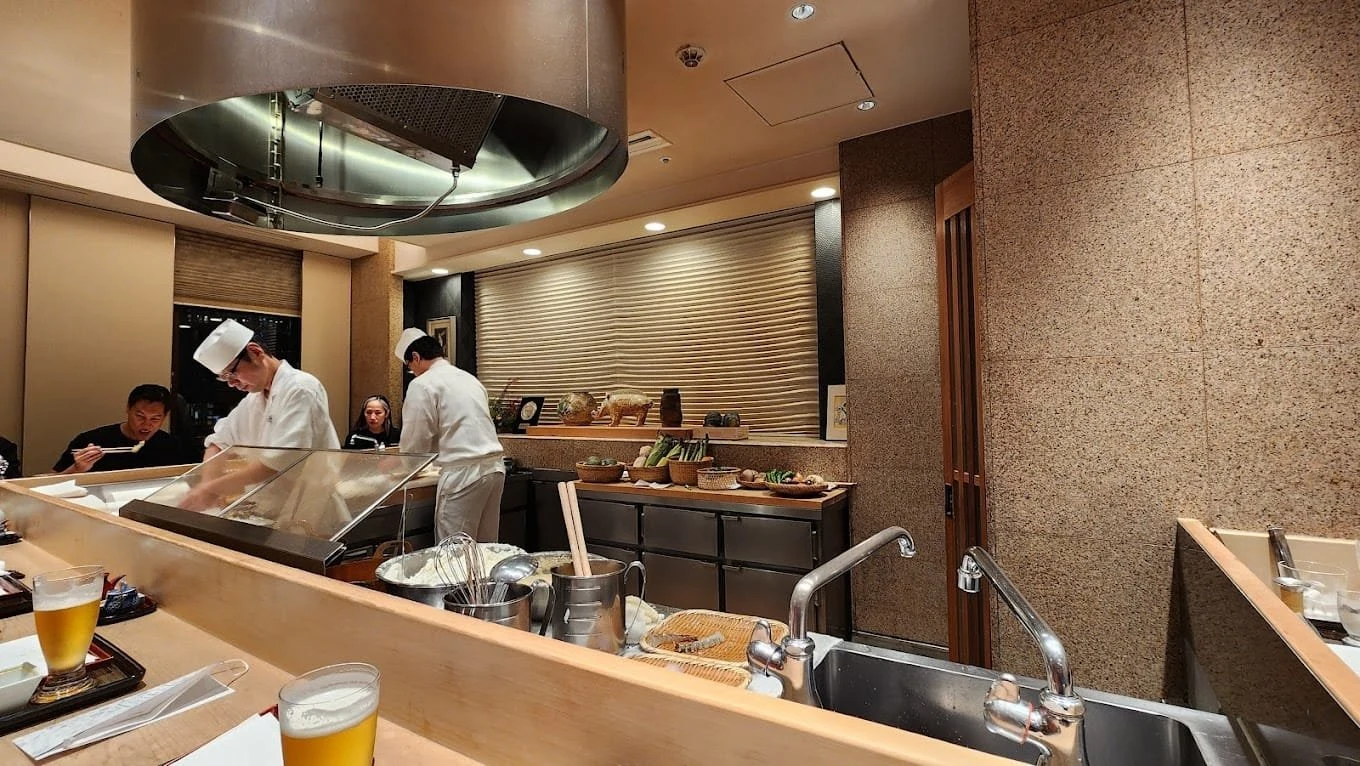
Tempura Kondo is a two-Michelin-star restaurant in Tokyo's Ginza district, led by chef Fumio Kondo and priced at about $200 per person. Twenty seats on the ninth floor of a Ginza office building sets the terms of the experience before the first piece hits the oil. Tempura Kondo operates at the upper tier of what is already a demanding category in Tokyo: the dedicated tempura counter, where a single chef's technical judgement governs every element of the meal.
Tempura as Steaming: The Technical Argument at the Core of the Menu
The dominant school of Edo tempura has historically centred on seafood, with vegetables as a supporting cast. Kondo inverts that hierarchy, and the inversion is not merely a stylistic preference but a technical proposition. The argument is that battered ingredients, when submerged in hot oil, do not fry in the conventional sense. The moisture inside the ingredient turns to steam, and that steam pushes outward through the batter, cooking the ingredient from within while the batter sets around it. Understood this way, the batter is a membrane for controlled steaming, and the quality of the result depends entirely on what is inside it.
The Sunday letter
Find new places through the people who run them.
Our Sunday email brings you the chefs, winemakers and hoteliers behind our newest stories. See a sample before you subscribe.
See a sample of the Sunday emailOne email a week. Unsubscribe from any issue.
Vegetables, with their higher water content and greater structural diversity, give this logic more to work with than uniform fish fillets. Seasonal produce from carefully selected sources means the ingredient arriving at the fryer already has defined character: sweetness, bitterness, starch concentration, moisture level. Chef Fumio Kondo, working with 50 years at this particular craft, prepares each ingredient immediately before frying to preserve that character rather than allow it to dissipate. The timing between preparation and oil contact is not incidental; it is the mechanism by which freshness carries through to the plate.
The drink program reflects the same material focus. The kitchen's attention to sake and shochu is described as deliberate, with both receiving specific curation rather than generic list-building. That alignment between frying oil, batter, ingredient, and paired drink is characteristic of counters operating in this tier, where every element is expected to hold at the same level.
The Ginza Ninth Floor: Context and Competitive Set
Ginza has functioned as Tokyo's baseline for high-end counter dining across multiple formats for decades. The neighbourhood's tempura addresses span a wide price range, from lunch counters to dinners priced against kaiseki rooms. Kondo sits near the upper end of that spread, with dinner averaging ¥20,000–¥29,999 and lunch at ¥10,000–¥14,999 per person based on review data. That positions it below the ¥¥¥¥ bracket occupied by comparison-set venues like Edomae Shinsaku and the kaiseki and sushi rooms that define Ginza's most expensive tier, while still clearing the threshold at which ingredient sourcing and format discipline become the primary differentiators.
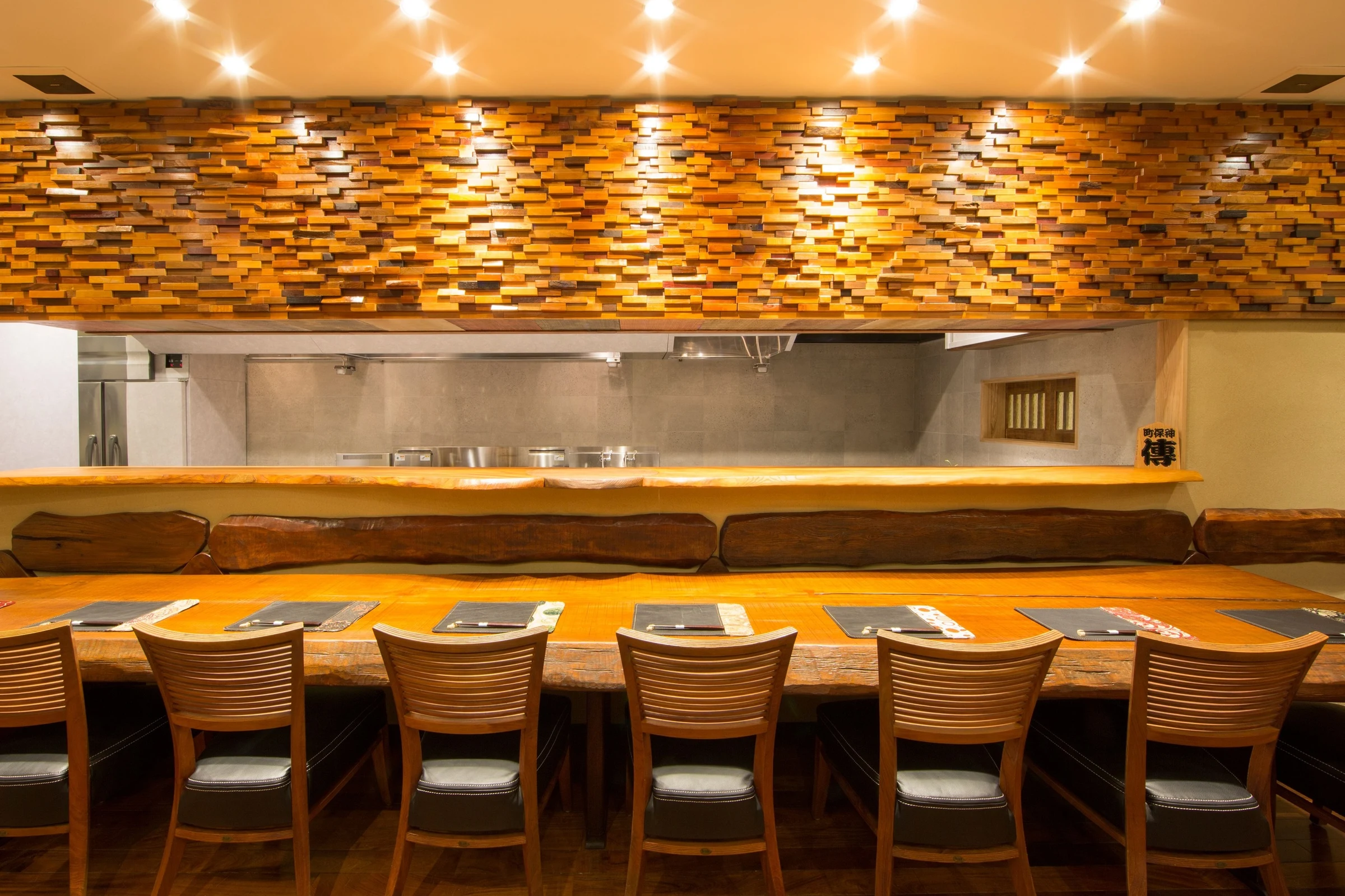
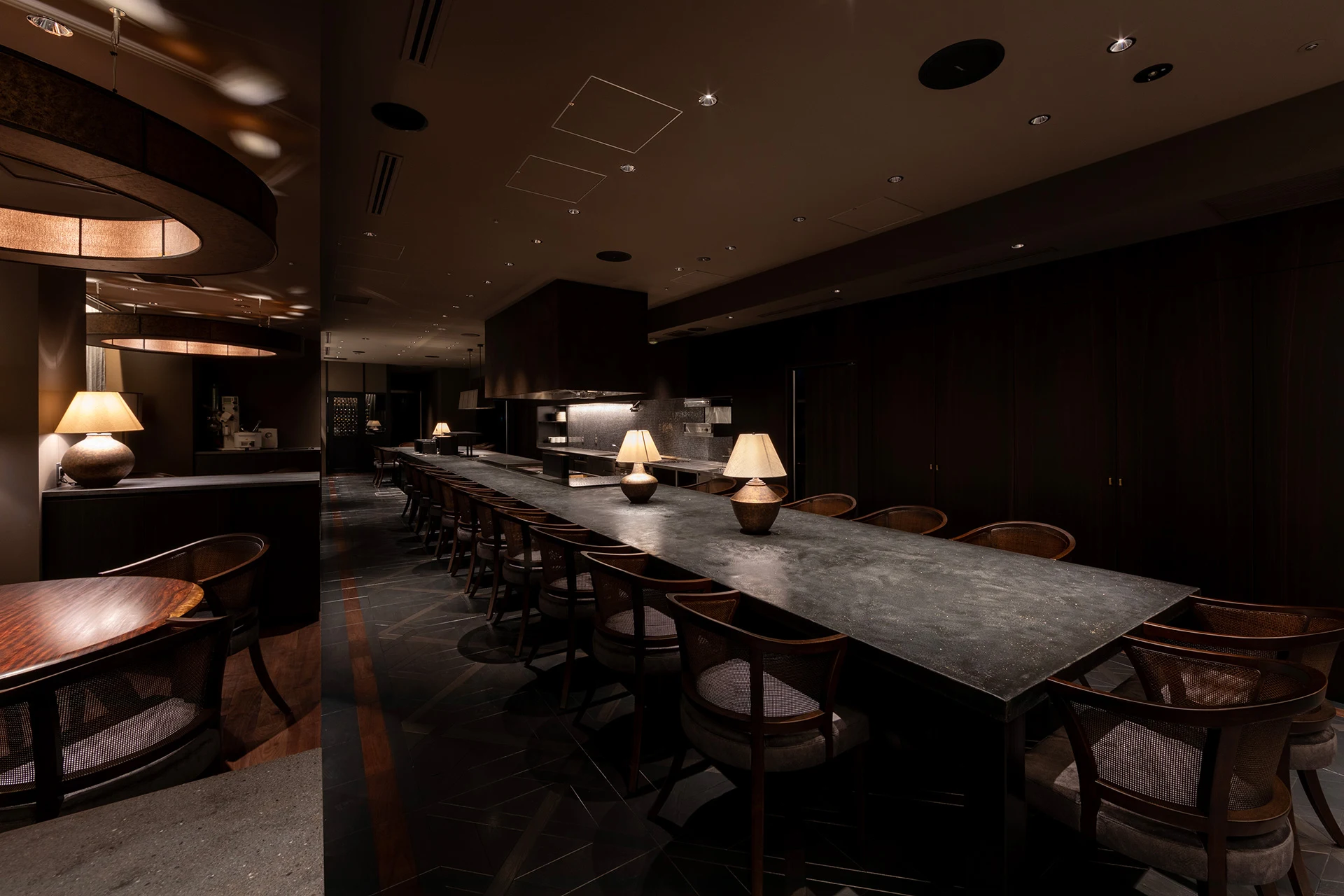
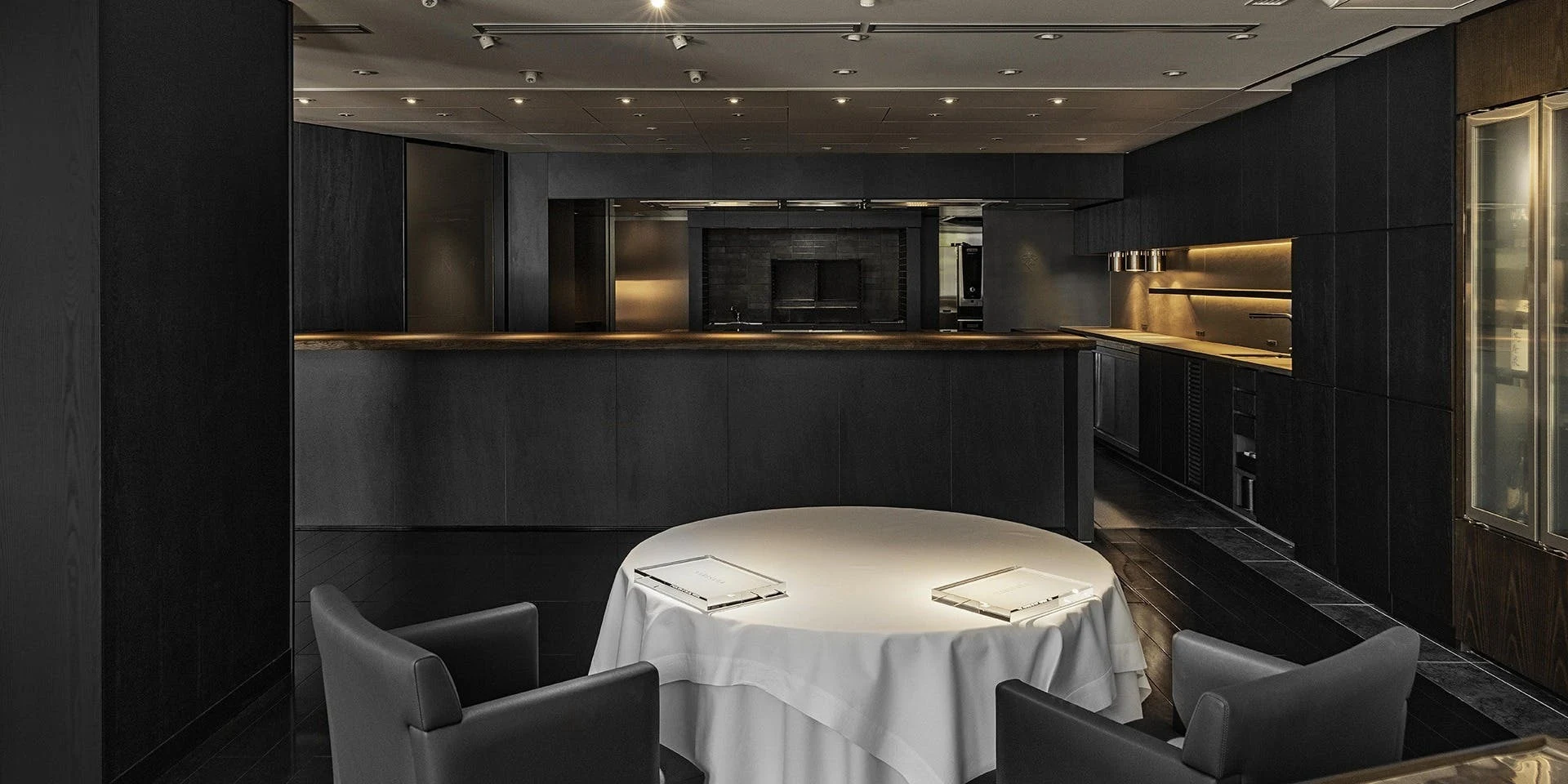
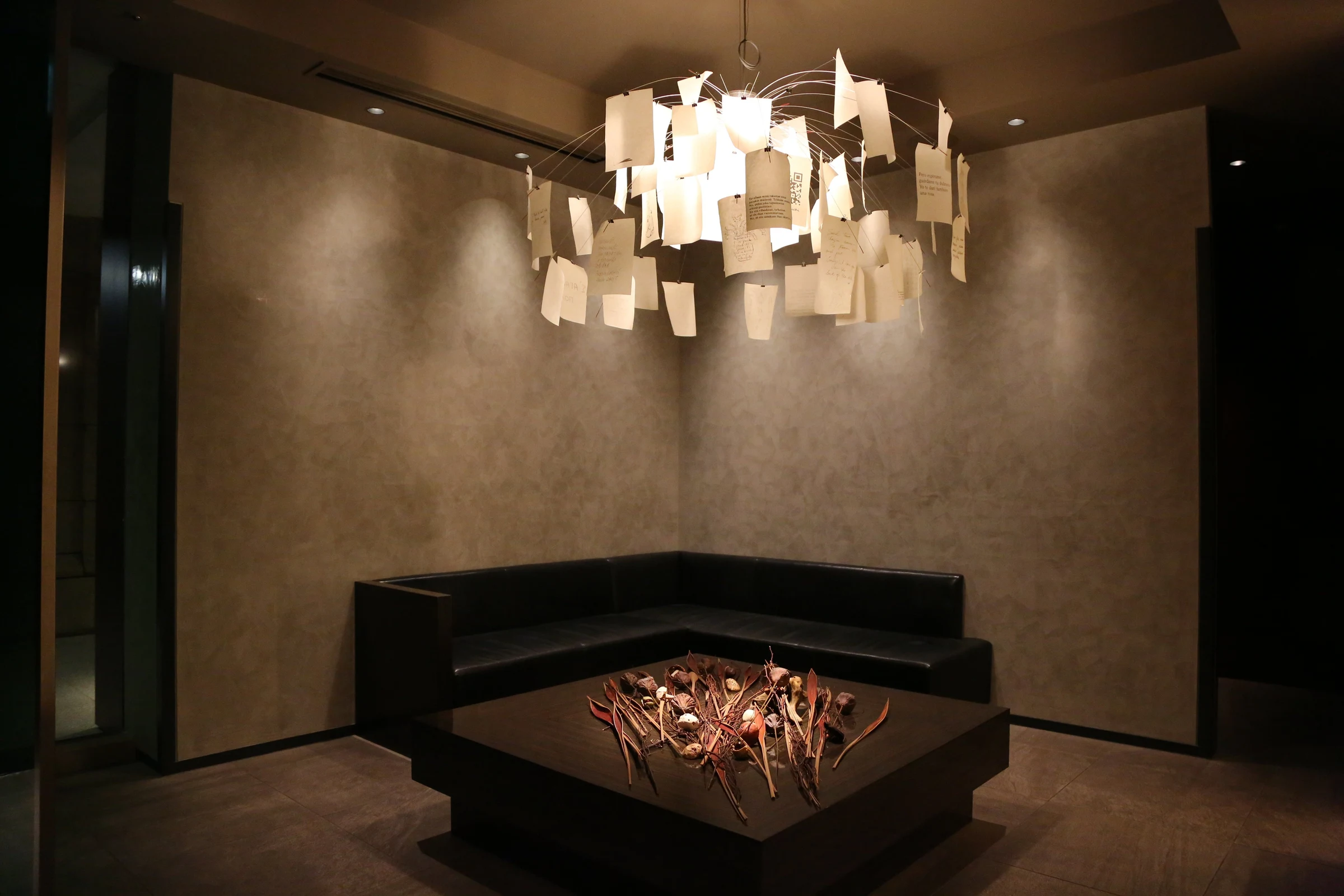
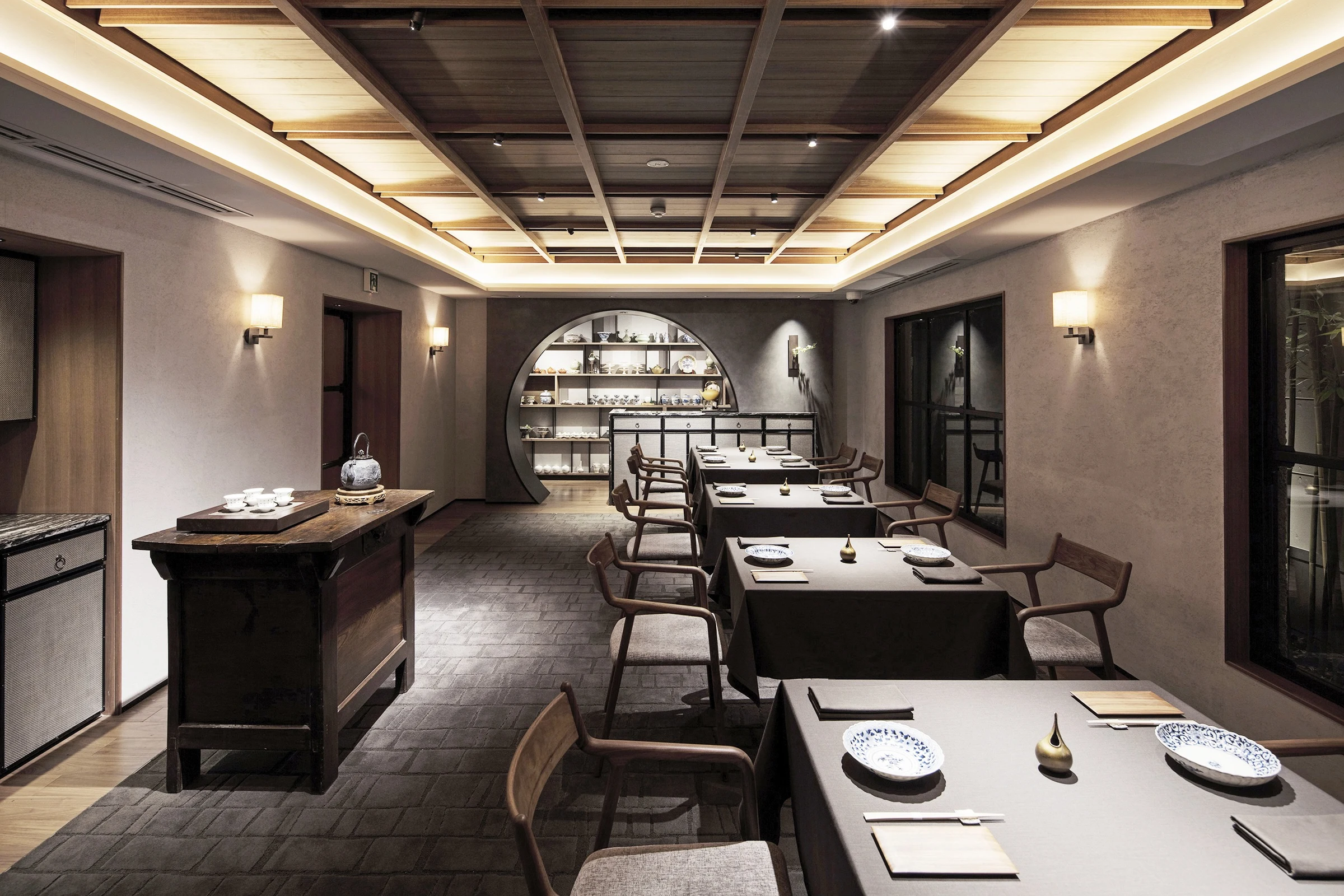
The physical setting, counter seating on the ninth floor of the Sakaguchi Building, reflects a structural reality of Tokyo dining: the address and building exterior rarely signal what happens inside. This is consistent across the city's leading counters, where the premium is absorbed by ingredients and the chef's time rather than by interior design or service theatrics. Seiju operates in a similar register within the broader Tokyo tempura category.
The 20-seat configuration is intimate, with no private rooms. That detail tends to matter more for repeat visitors than first-timers, but it signals the format: intimate, unified, with no separation between the cooking and the room.
HAJIME in Osaka, Gion Sasaki in Kyoto, akordu in Nara, Goh in Fukuoka, 1000 in Yokohama, and 6 in Okinawa represent the reach of serious Japanese restaurant culture beyond the capital.
Questions
Frequently asked
What recognition does Tempura Kondo hold?
Tempura Kondo holds 2 Michelin stars.
Who works at Tempura Kondo?
Made By profiles Fumio Kondo (Chef) at Tempura Kondo.
How expensive is Tempura Kondo?
Tempura Kondo is listed at a price level of $$$$.
Where is Tempura Kondo and what does it serve?
Tempura Kondo is in Chūō, Tokyo, serving Michelin-Starred Edo Tempura.
The field
How it compares
| Place | Awards | Cuisine | Notes |
|---|---|---|---|
| Tempura Kondo | Michelin 2 Stars | Michelin-Starred Edo Tempura | Chūō, $$$$ |
| Den | Michelin 2 Stars, World's 50 Best | Modern Japanese Kaiseki | Tokyo |
| Florilège | Michelin 2 Stars, World's 50 Best | Modern French-Japanese Plant-Based Fine Dining | Tokyo |
| Narisawa | Michelin 2 Stars, World's 50 Best | Modern Japanese Satoyama Fine Dining | Tokyo |
| Quintessence | Michelin 3 Stars | Modern French Fine Dining | Tokyo |
| Sazenka | Michelin 3 Stars, World's 50 Best | Modern Chinese Fine Dining | Tokyo |
| Sézanne | Michelin 3 Stars, World's 50 Best | Modern French Fine Dining | Tokyo |
In residence
Similar places
Modern Japanese Kaiseki
Den
Tokyo, Japan
★★ · 50 Best
Modern French-Japanese Plant-Based Fine Dining
Florilège
Tokyo, Japan
★★ · 50 Best
Modern Japanese Satoyama Fine Dining
Narisawa
Tokyo, Japan
★★ · 50 Best
Modern French Fine Dining
Quintessence
Tokyo, Japan
★★★
Modern Chinese Fine Dining
Sazenka
Tokyo, Japan
★★★ · 50 Best
Modern French Fine Dining
Sézanne
Tokyo, Japan
★★★ · 50 Best
The Sunday letter
Get the next Made By story in your inbox.
We send one email every Sunday morning with the places and people we covered that week.
See a sample of the Sunday emailOne email a week. Unsubscribe from any issue.