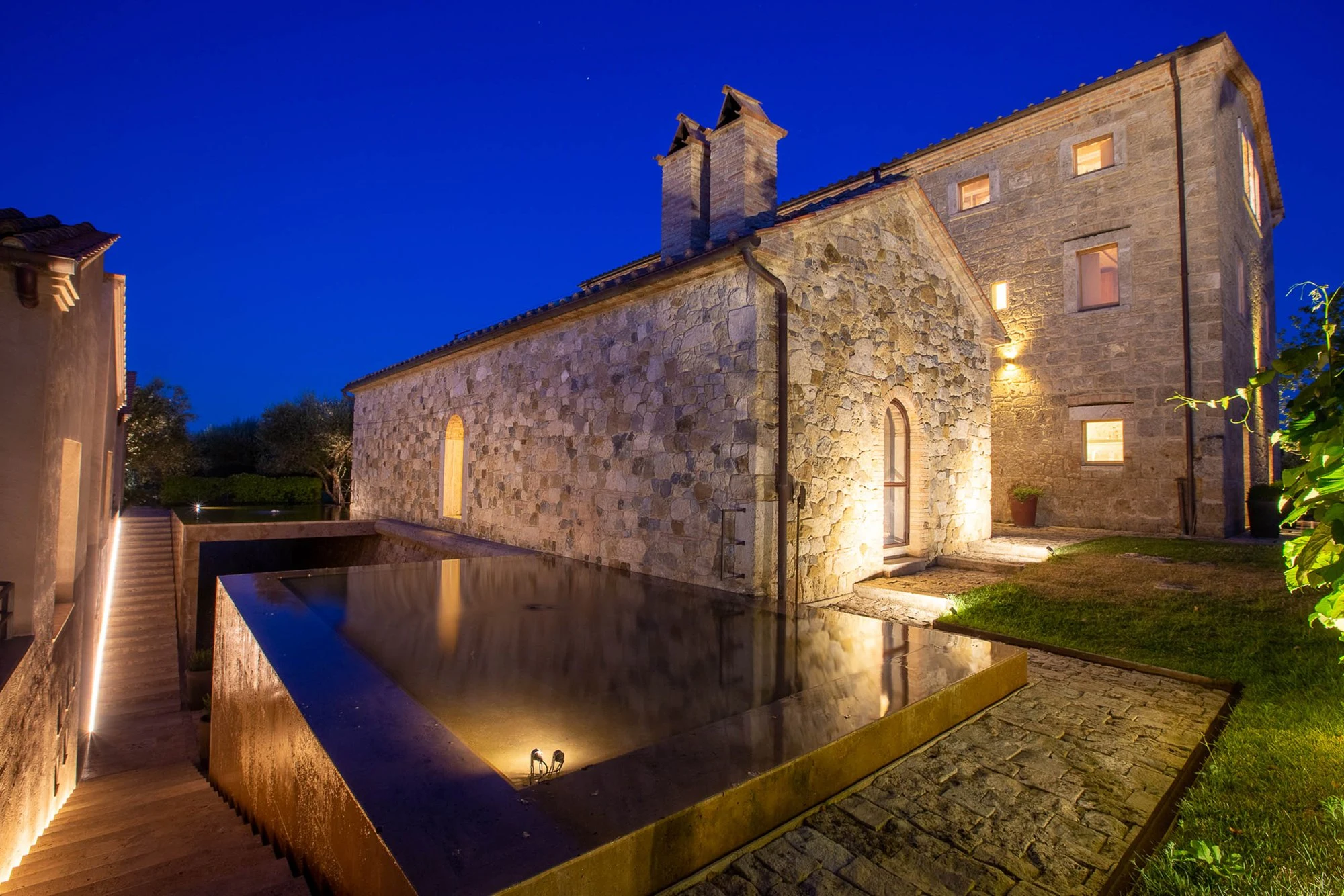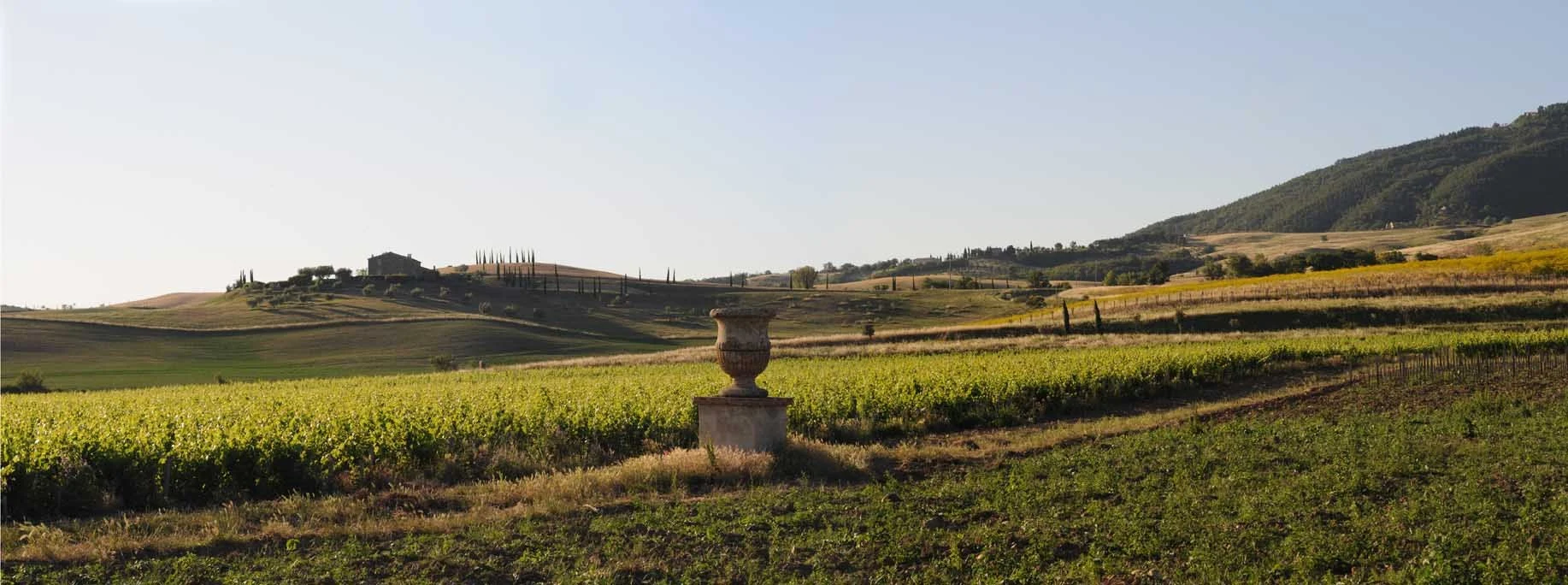
Tenuta di Trinoro sits in the volcanic soils above the Val d'Orcia, producing Bordeaux-variety wines that read as distinctly Tuscan rather than imitative. Awarded Pearl 2 Star Prestige in 2025, the estate operates at the serious end of central Italy's emerging-estate tier, where terroir specificity and low-volume production define the comparable set rather than appellation heritage.
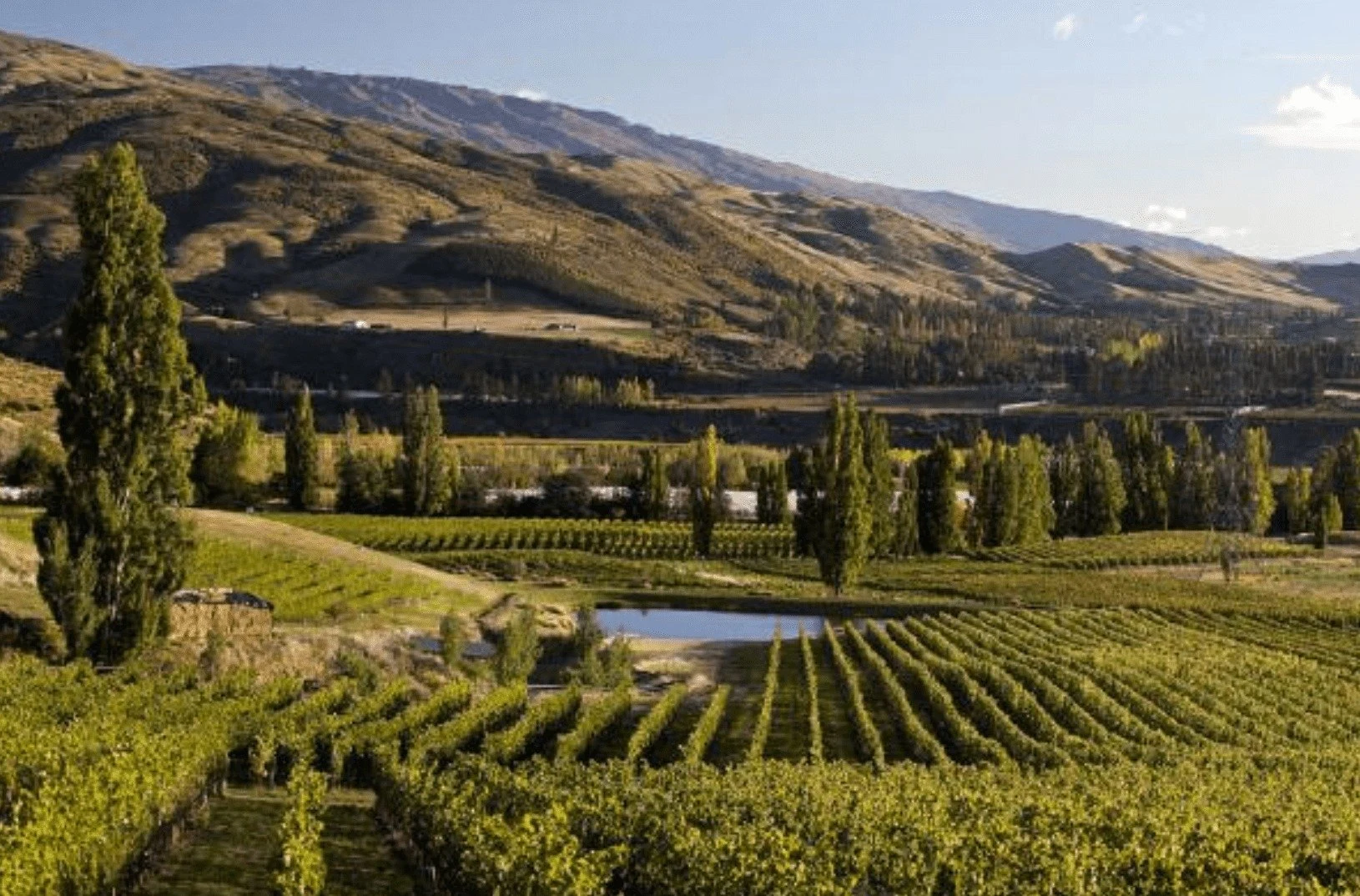
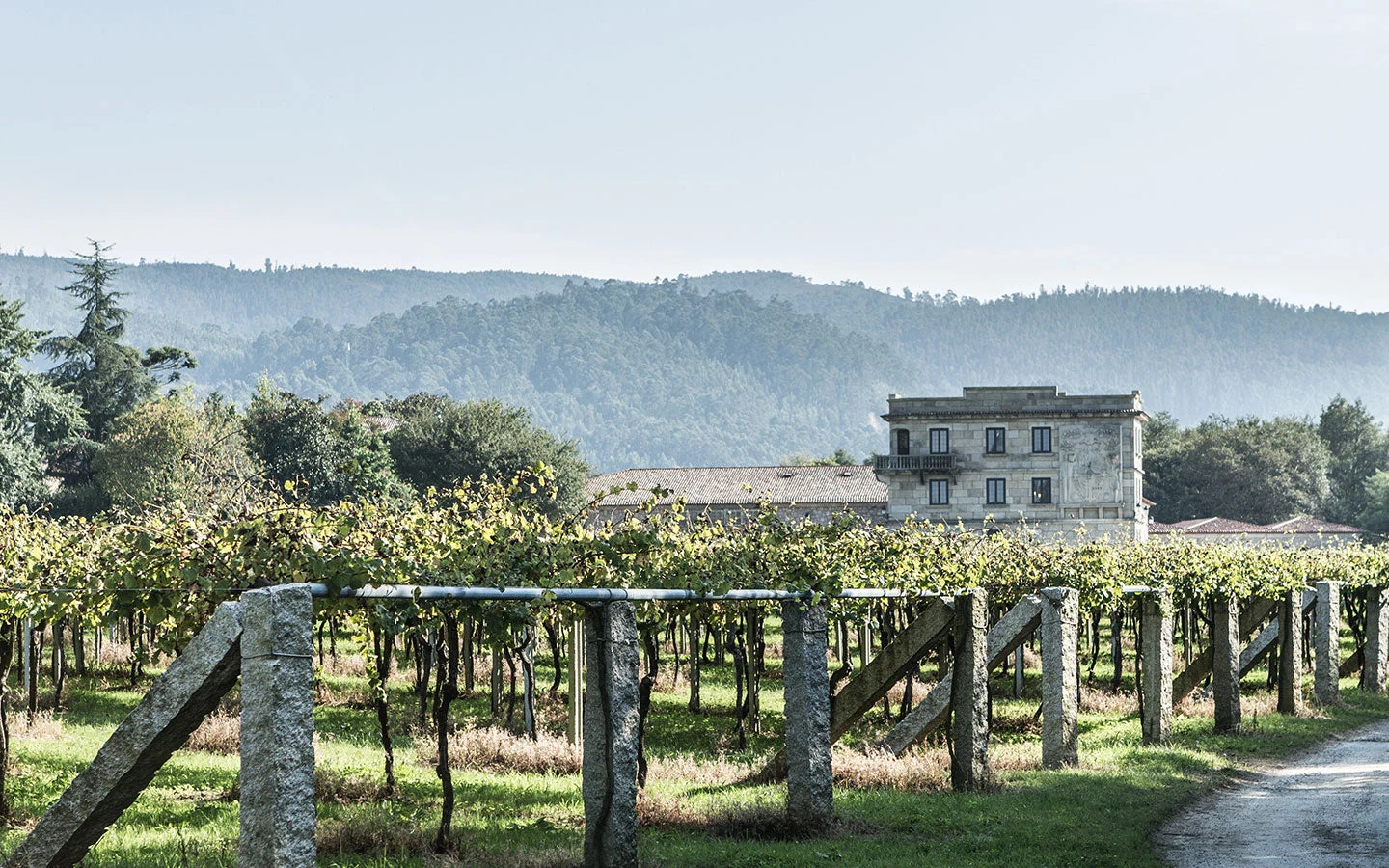
<h2>Where the Val d'Orcia Meets Volcanic Stone</h2><p>The road into Sarteano from the south climbs through terrain that feels cut off from the more trafficked wine corridors of Tuscany. The Val d'Orcia, a UNESCO-listed valley whose ochre hills and cypress lines have defined the region's visual identity for centuries, gives way here to something geologically more complex. The soils around Sarteano carry volcanic deposits from the Monte Amiata system, layered over clay and tufo, producing a mineral signature that distinguishes this corner of Siena province from the galestro-dominated slopes of Chianti Classico to the north or the iron-rich soils of Montalcino to the west. This terroir specificity is the defining story of the area's most serious producers.</p><p>Tenuta di Trinoro operates from within this geological specificity. The estate sits above the valley floor, allowing longer hang time and more gradual phenolic development than producers at lower altitudes manage. The physical environment announces itself before the wine does: a range of scrub oak, broom, and ancient drainage channels cut into pale volcanic rock, the kind of terrain that pushes vines to work rather than yielding fruit easily.</p><h2>The Terroir Case: Why This Soil Matters</h2><p>Central Italy's wine map is frequently read through appellation logic: Brunello to the northwest, Nobile to the northeast, Orvieto to the south. Sarteano and the broader Cetona-Sarteano arc occupy a less codified position. That ambiguity has historically made the area easy to overlook in competitive Italian wine contexts, but it has also allowed producers willing to prioritise terroir expression over DOC convention to work with fewer constraints.</p><p>The volcanic tufo soils characteristic of this zone drain freely while retaining enough subsoil moisture to buffer drought stress, a combination that matters significantly in years with dry summers. Vines grown in these conditions tend to produce smaller berries with thicker skins relative to clay-dominant terroirs, a structural reality that shows in the wine's tannic architecture. The altitude, averaging several hundred metres above the valley floor at Trinoro, adds a temperature differential between day and night that preserves aromatic complexity through the growing season. These are not abstract claims about terroir theory; they are measurable conditions that distinguish this site from lower-altitude estates across Tuscany.</p><p>Producers working in adjacent zones, such as <a href="https://www.enprimeurclub.com/wineries/castello-di-volpaia-radda-in-chianti-winery">Castello di Volpaia in Radda in Chianti</a> and <a href="https://www.enprimeurclub.com/wineries/poggio-antico">Poggio Antico</a> in the Montalcino hills, face different geological conditions that yield different structural outcomes. The comparison is useful precisely because it illustrates how Italian wine quality in this price tier increasingly resolves around site specificity rather than appellation name recognition.</p><h2>Bordeaux Varieties in a Tuscan Register</h2><p>The decision to plant Bordeaux varieties in Sarteano rather than Sangiovese placed Trinoro in the same broad category as other ambitious central Italian estates that arrived outside traditional denomination frameworks in the 1990s and early 2000s. That cohort, often grouped under the loose label of Super Tuscans, now occupies a bifurcated market: some members have become large commercial operations sustained by international distribution; others have remained small, site-focused producers whose wines are allocated rather than broadly available.</p><p>Trinoro's position has consistently been toward the latter end of that split. The Bordeaux varieties grown here, principally Cabernet Franc, with Merlot, Cabernet Sauvignon, and Petit Verdot in supporting roles depending on vintage requirements, read differently in this volcanic, high-altitude context than they do in their home region or in warmer Italian sites. Cabernet Franc in particular responds to poor volcanic soils with an aromatic precision and mid-palate tension that warmer, richer sites tend to suppress. The comparison to how the same variety performs in the cooler Loire or in the more structured portions of Saint-Émilion is instructive, though Trinoro's wines occupy their own register.</p><p>For comparative context across Italy's serious wine estates, <a href="https://www.enprimeurclub.com/wineries/lungarotti-torgiano-winery">Lungarotti in Torgiano</a> and <a href="https://www.enprimeurclub.com/wineries/lenoteca-banfi">L'Enoteca Banfi in Montalcino</a> represent how different regional identities and varietal choices shape estate positioning across the central Italian arc. Further north, estates like <a href="https://www.enprimeurclub.com/wineries/aldo-conterno-monforte-dalba-winery">Aldo Conterno in Monforte d'Alba</a> and <a href="https://www.enprimeurclub.com/wineries/ca-del-bosco-erbusco-winery">Ca' del Bosco in Erbusco</a> illustrate how Italy's prestige wine culture operates across entirely different terroir and varietal frameworks.</p><h2>Recognition and Where It Places the Estate</h2><p>Tenuta di Trinoro holds a Pearl 2 Star Prestige rating for 2025, a recognition tier that places it among Italy's serious estate producers operating below the ultra-premium allocation ceiling but above the regional curiosity bracket. In practical terms, this rating signals wines that reward attention from collectors and serious buyers rather than casual retail consumption.</p><p>The Prestige designation in this context functions as a marker. Across the Italian wine map, the estates clustered at this recognition level tend to share certain characteristics: low to moderate production volumes, a defined relationship with a specific site rather than a broad denomination, and pricing that reflects scarcity and critical tracking rather than mass-market positioning. The 2025 rating follows a sustained trajectory of critical engagement with the estate's wines, suggesting that whatever vintage variation exists year to year, the baseline quality argument is consistent enough to maintain its tier.</p><p></p><h2>Planning a Visit</h2><p>Sarteano sits in the southern reaches of the Siena province, accessible by road from both Siena (approximately 70 kilometres to the north) and from the A1 autostrada via the Chiusi-Chianciano Terme exit. The estate sits along the Val d'Orcia approach, in a zone that sees fewer organised wine tourism circuits than Montalcino or Montepulciano, which means visits tend to require direct contact rather than walk-in access through a tasting room infrastructure. Given the estate's allocation-level production and prestige tier positioning, prospective visitors should plan contact well in advance of any intended trip. Visits are by appointment only.</p><p>The broader Sarteano and Cetona area rewards visitors who combine wine objectives with the Val d'Orcia's considerable landscape and cultural draw. The thermal springs at Bagno Vignoni and the medieval hill towns of Pienza and Montepulciano sit within easy driving distance, making the zone workable as a multi-day base rather than a single-purpose wine destination.</p>
The estate sits along Via Val d'Orcia on the southern edge of Siena province, in terrain that sits apart from Tuscany's more trafficked wine corridors. Sarteano occupies a position between Brunello country to the northwest and Orvieto to the south, on soils shaped by volcanic activity rather than the clay-dominant zones that define many neighbouring appellations. The address places it firmly in working agricultural land rather than a wine tourism hub.
Tenuta di Trinoro has received recognition including: Pearl 2 Star Prestige (2025).
Trinoro built its reputation on Bordeaux varieties planted in Sarteano rather than the Sangiovese that dominates central Tuscany. That decision placed the estate in a small peer group of ambitious Italian producers who looked to Cabernet Franc, Merlot, and related varieties to express local terroir on their own terms. The volcanic and mineral-rich soils of this corner of the Val d'Orcia give those grapes a profile distinct from their counterparts in the Maremma or the Bolgheri corridor.
Tenuta di Trinoro is located at Via Val d'Orcia, 15, 53047 Sarteano SI, Sarteano.
The estate's Pearl 2 Star Prestige rating for 2025 positions it among Italy's serious estate producers, a recognition tier that reflects both consistency and a defined point of view on winemaking. What separates Trinoro from many peer estates is the specificity of its terroir argument: the choice to farm Bordeaux varieties on volcanic soils in a zone outside any major appellation framework was a deliberate rejection of the easier commercial path.
Given its location on Via Val d'Orcia, 15 in Sarteano and its Pearl 2 Star Prestige standing, reaching out directly through official channels before any planned visit is the practical approach.
Via Val d'Orcia, 15, 53047 Sarteano SI
Val d'Orcia