Marqués de Murrieta

In Residence
María Vargas
Winemaker
- 01CityLogroño, Spain
- 02RecognitionWorld's 50 Best — No. 30
- World's 50 Best · #30 · World's 50 Best Restaurants
- Falstaff Winery - 5 Stars · 2026
- World's 50 Best Best Vineyards #48 · 2025
- Pearl 4 Star Prestige · 2025
- World's 50 Best Best Vineyards #30 · 2024
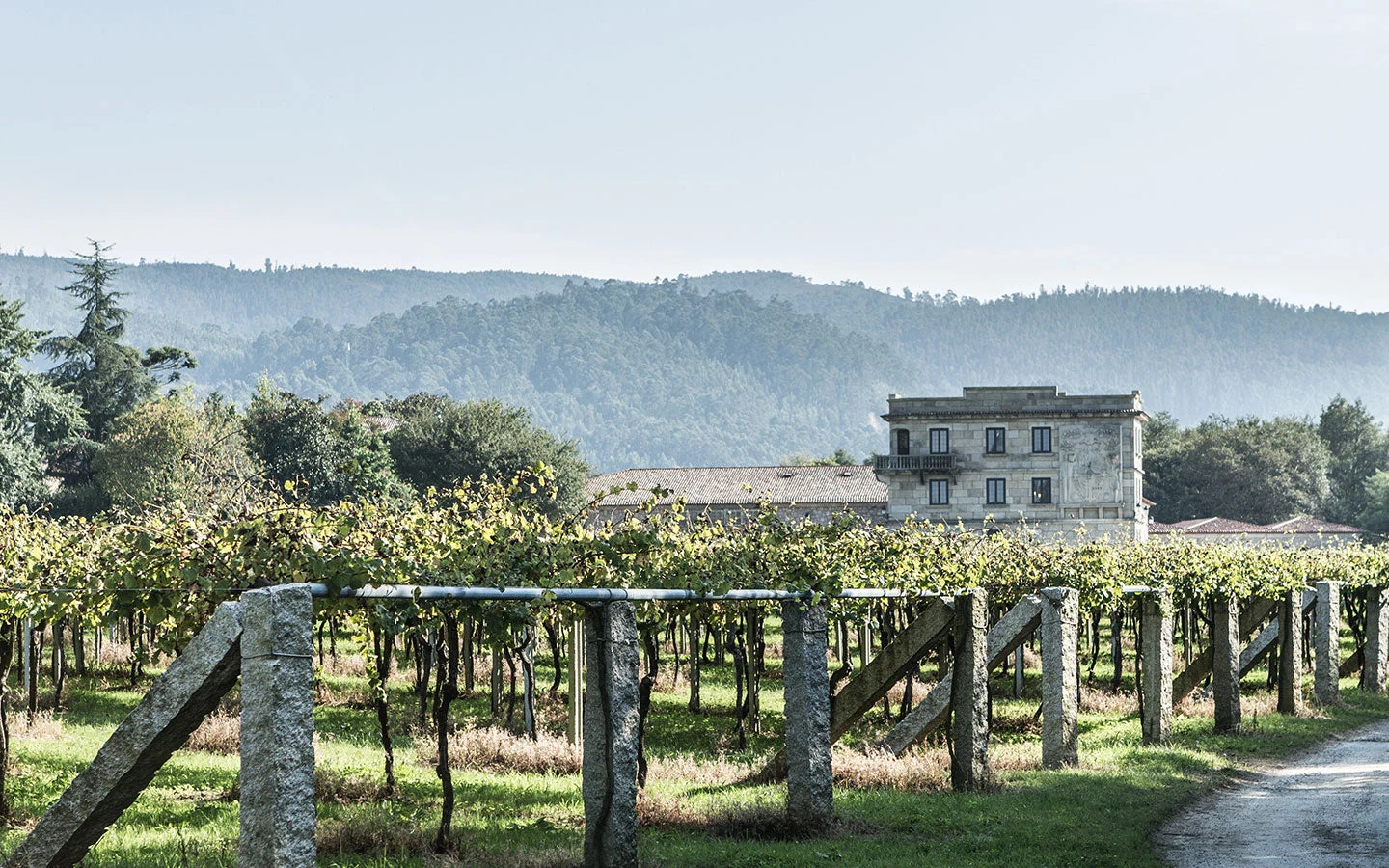
Approaching Rioja through Logroño changes the scale of Spanish wine. The city is not only a dining stop; it is one of the places connected with Rioja’s wider recognition beyond Spain. Marqués de Murrieta sits inside that older narrative, where long commercial memory matters more than novelty. Its verified story is direct: a house founded in 1852, associated with Château Ygay, and credited with helping Rioja reach international markets.
That date matters because Rioja’s identity was built through export and reputation as much as through local production. Marqués de Murrieta is credited with taking Rioja wines internationally in the 19th century, a distinction that places it in a different category from many visitor-facing wineries whose reputations may be driven by more recent attention. In Logroño, that history gives the estate a specific editorial weight: it is a reference point for understanding how Rioja moved from regional production to a name recognized beyond Spain.
The Sunday letter
Find new places through the people who run them.
Our Sunday email brings you the chefs, winemakers and hoteliers behind our newest stories. See a sample before you subscribe.
See a sample of the Sunday emailOne email a week. Unsubscribe from any issue.
Rioja seen through age, place and commercial memory
The defining Rioja conversation is not simply red versus white, or modern versus traditional. It is how a wine region turns local identity into bottles with a reputation that travels. At Marqués de Murrieta, the verified relevance lies in continuity: the 1852 founding, the Château Ygay association and the international export claim are the grounded facts that shape its profile.
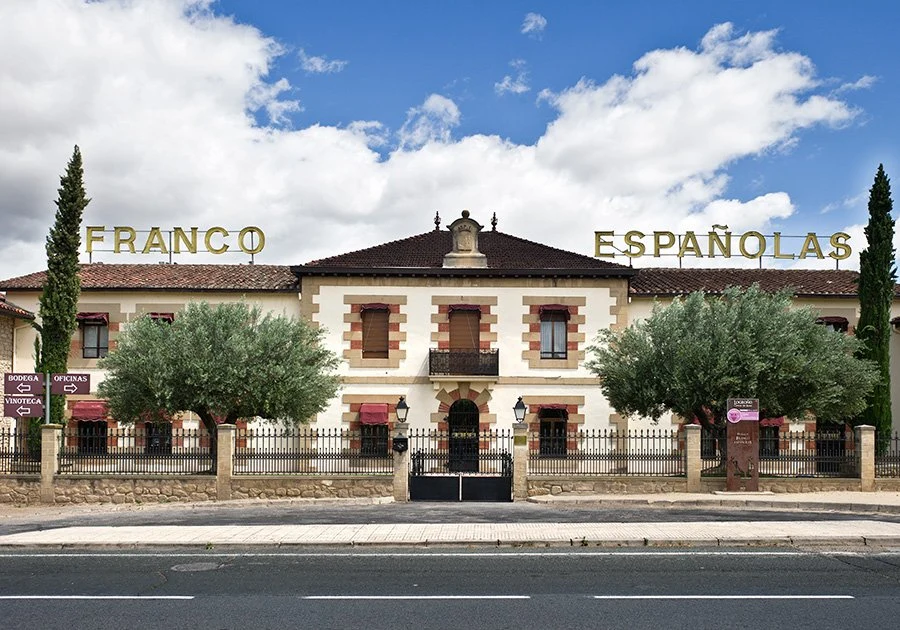
That makes the estate useful for travellers who want to read Rioja as a system. Logroño has urban wineries such as Bodegas Franco-Españolas and larger regional names such as Campo Viejo, each pointing to a different side of the area’s wine economy. Marqués de Murrieta’s lane is older and more patrimonial. Its story is tied to the moment Rioja became exportable, and that matters when comparing it with other Spanish wine estates, where identity may be framed through different histories and regional ambitions.
For Rioja specifically, the history question is often misunderstood by visitors expecting a single script. The region’s prestige has been shaped over time by house identity, reputation and the ability of its wines to travel beyond their place of origin. Marqués de Murrieta is valuable because it belongs to the strand of Rioja where that older grammar remains central.
Why this house matters in Logroño's wine circuit
Logroño can split a wine itinerary in two directions. One route is urban and social: glass-by-glass discovery and quick comparisons across producers. The other is estate-led, where the visitor reads Rioja through longer historical context. Marqués de Murrieta belongs naturally to the second route. Its significance is cumulative, built from founding date, export history and the continuing presence of Château Ygay in the estate’s identity.
That historical position is a stronger reason to prioritize it than any generic winery checklist. Spain has estates whose appeal may come from design, scarcity or contemporary reputation; Murrieta’s verified role is different. It helps explain why Rioja became durable and internationally legible.
Comparisons sharpen that point. Wine regions outside Rioja may frame identity through different grapes, climates, visitor formats or production traditions. Rioja’s mature houses operate by another logic: they ask how regional identity survives travel, time and market demand. Marqués de Murrieta is one of the clearest Logroño answers to that question.
How to place it in a Logroño itinerary
Use Marqués de Murrieta as a historical anchor for a Rioja day rather than an incidental stop. Its value is highest when paired with city context: start with the wider winery map in our full Logroño wineries guide, then decide whether the day should lean historic, architectural or urban. Travellers building a fuller stay can cross-reference other Logroño dining, bars, hotels and experiences before fixing the order of the day.
The editorial case is clear: choose this estate when the priority is Rioja’s long memory, not novelty. The founding date, the export claim and the Château Ygay association give the visit substance before any other detail is considered. In a region where many wineries can explain their own style, Marqués de Murrieta carries the heavier question: how did Rioja become a wine region that mattered outside its own borders?
Questions
Frequently asked
What recognition does Marqués de Murrieta hold?
Marqués de Murrieta holds a place on the World's 50 Best list at number 30.
Who works at Marqués de Murrieta?
Made By profiles María Vargas (Winemaker) at Marqués de Murrieta.
How expensive is Marqués de Murrieta?
Marqués de Murrieta is listed at a price level of $$$.
The field
How it compares
| Place | Awards | Notes |
|---|---|---|
| Marqués de Murrieta | World's 50 Best #30 | Rioja Alta, $$$ |
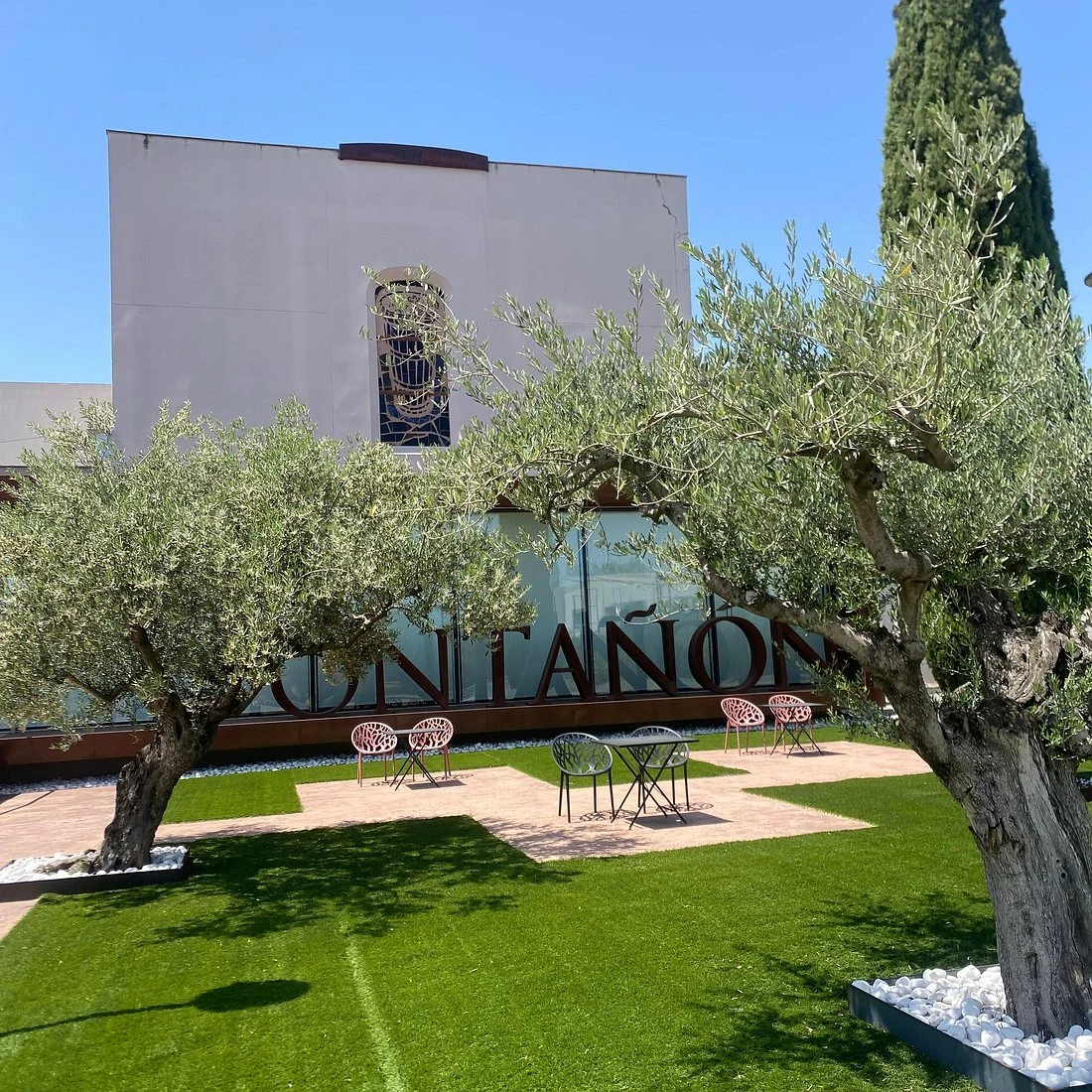
| Bodega Ontañón | · | Logroño |
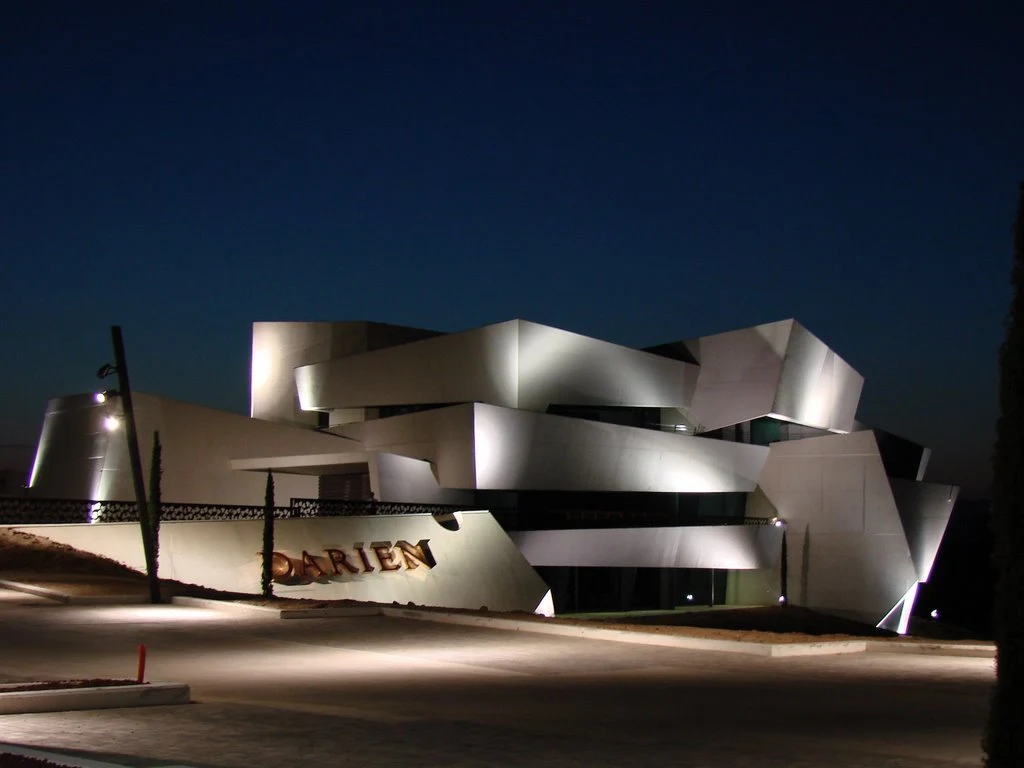
| Bodegas Darien | · | Logroño |
| Bodegas Franco-Españolas | · | Logroño |
| Bodegas Juan Alcorta | · | Logroño |
| Bodegas Viña Ijalba | · | Logroño |
| Campo Viejo | · | Logroño |
In residence
Similar places
The Sunday letter
Get the next Made By story in your inbox.
We send one email every Sunday morning with the places and people we covered that week.
See a sample of the Sunday emailOne email a week. Unsubscribe from any issue.