- Falstaff Winery - 1 Stars · 2026
- Pearl 2 Star Prestige · 2025
Rioja from the Ebro's Edge
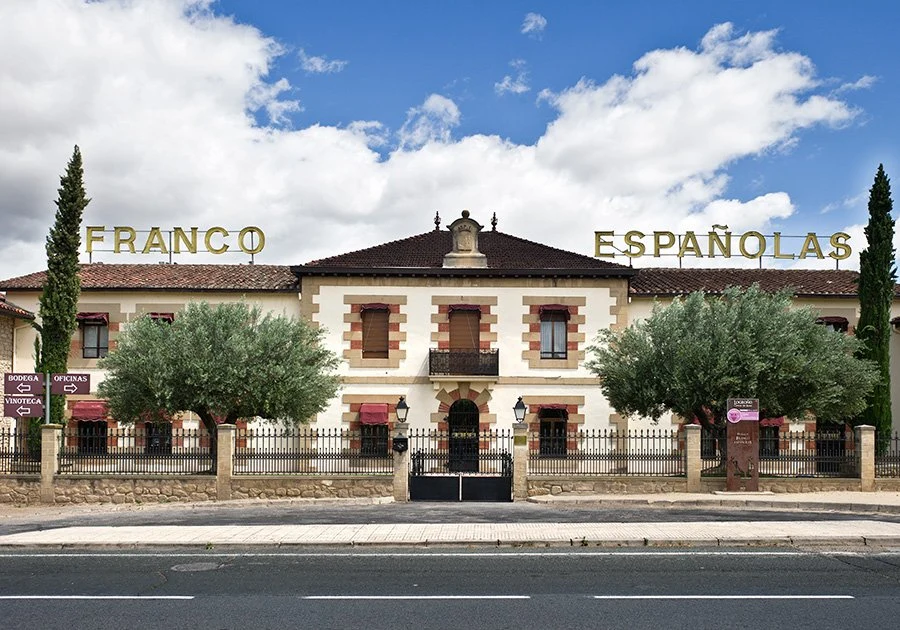
The city of Logroño sits at the point where the Ebro River defines the southern boundary of Rioja Alta and Rioja Oriental begins its drier, warmer stretch eastward. It is not a romantic rural setting in the way that isolated hilltop bodegas can be. It is, instead, a working wine city, and the wineries that have operated here for over a century are shaped by that urban-industrial continuity as much as by soil type or rainfall. Bodegas Franco-Españolas, positioned on Calle Cabo Noval at the western edge of the old city, is part of that tradition: a production house with deep Rioja roots that the wider region uses as a kind of institutional benchmark for the DOCa's more classical registers.
Understanding Franco-Españolas means understanding how Logroño differs from the village bodegas of Haro or the estate properties that have proliferated along the Camino del Vino since the 1990s. Here, scale and continuity are the editorial story, not artisan scarcity. Compare that positioning to CVNE (Cune) in Haro, whose railway-era architecture and Haro Station District heritage place it in a different kind of institutional register, or to Campo Viejo, also based in Logroño, which has pursued a volume-forward international identity. Franco-Españolas occupies a middle position: city-based, historically grounded, and more focused on medal-circuit consistency than on critic-driven prestige allocations.
The Sunday letter
Find new places through the people who run them.
Our Sunday email brings you the chefs, winemakers and hoteliers behind our newest stories. See a sample before you subscribe.
See a sample of the Sunday emailOne email a week. Unsubscribe from any issue.
What Nine Decanter Medals Say About the House Style
At the 2025 Decanter World Wine Awards, Bodegas Franco-Españolas secured nine medals across its portfolio: five Silver and four Bronze, with no Gold or Platinum. Taken together, these results tell a specific story about where this winery sits in the competitive hierarchy. Decanter's medal structure rewards consistent technical execution and typicity within a category. Silver medals at the scale of five wines indicate a winery whose range holds a reliable standard rather than producing one standout at the expense of the rest. This is the profile of a house whose production discipline keeps multiple bottlings within a creditable band.
For context within Rioja's premium tier, compare that to the approach taken at Marqués de Murrieta, also Logroño-based, whose Castillo Ygay Gran Reserva Especial sits at the very best of the DOCa's critical hierarchy and commands allocation pricing. Franco-Españolas does not compete in that bracket. It competes in the tier where reliability, accessibility, and terroir expression across a range matters more than any single prestige bottling. Within that tier, nine Decanter medals across one vintage cycle is a creditable showing.
Terroir, Classification, and What the Rioja System Demands
Rioja's DOCa classification system places more structural weight on aging categories, Crianza, Reserva, Gran Reserva, than on single-vineyard or geographical sub-zone designations, though the 2018 regulations introduced Viñedos Singulares and village-level designations to address that gap. Most of Rioja's established houses, including Franco-Españolas, built their identities under the older regime, where how long a wine spent in oak and bottle was the primary signal of quality and price position.
The terroir argument for Logroño-area wines specifically centers on the transition between Rioja Alta's clay-limestone soils and the alluvial plains closer to the Ebro. Altitude is lower here than in the western reaches near Haro, and the continental climate, hot summers, cold winters, moderate rainfall filtered by the Cantabrian mountains, produces Tempranillo with riper, fuller profiles than the higher, cooler plots. For a winery drawing fruit from these zones, that expression shows up as wines with body and structure suited to oak aging, which aligns with the Reserva and Gran Reserva formats that defined Franco-Españolas' historical reputation.
Across Spain, the tension between appellation-wide terroir expression and individual site specificity is playing out differently in each region. Clos Mogador in Gratallops represents one extreme in Priorat, where minimal-intervention estate production translates terroir at near-single-plot resolution. At the other end, houses like Codorníu in Sant Sadurní d'Anoia operate at a scale where appellation-level character is the consistent signal rather than site-level nuance. Franco-Españolas sits closer to the Codorníu end of that spectrum: DOCa Rioja as the primary terroir frame, with aging category as the quality differentiator.
Placing Franco-Españolas in the Wider Spanish Wine Map
Spain's premium wine geography has diversified considerably in the past two decades. Ribera del Duero producers like Bodegas Protos in Peñafiel and Emilio Moro in Pesquera de Duero have drawn critical attention and investment away from Rioja's dominance, while Jerez houses like Lustau have built export prestige on sherry's critical rehabilitation. Even within Rioja, the emergence of single-vineyard expressions from producers associated with Marqués de Cáceres in Cenicero or the Castilian estate model practiced by Abadía Retuerta in Sardón de Duero and Arzuaga Navarro in Quintanilla de Onésimo points toward a market increasingly organized around estate narrative and scarcity.
Franco-Españolas does not compete in those narratives. Its 2025 Decanter performance positions it as a winery whose value lies in consistent, medals-backed range production rather than in single-bottle prestige. That is a different proposition, and for travelers and buyers seeking reliable, typicity-driven Rioja without allocation queues or prestige premiums, it is a coherent one.
Visiting and Planning
The winery's address on Calle Cabo Noval places it within walking distance of Logroño's old town, which means a visit pairs naturally with the city's broader wine-bar culture along Calle Laurel and Calle San Juan. For visitors working through the Logroño wine scene, Franco-Españolas functions as a reference point for classical Rioja house production, best understood alongside a visit to the region's other city-based producers. Booking arrangements and tour formats are best confirmed directly with the winery.
For those building a broader Spanish wine itinerary, the contrast between Logroño's urban production houses and the isolated estate model of, say, Marqués de Griñón (Dominio de Valdepusa) in Malpica de Tajo or internationally recognized cellars like Accendo Cellars in St. Helena and Aberlour in Aberlour helps frame what makes Rioja's institutional houses a distinct category within the global fine wine conversation.
Questions
Frequently asked
Who works at Bodegas Franco-Españolas?
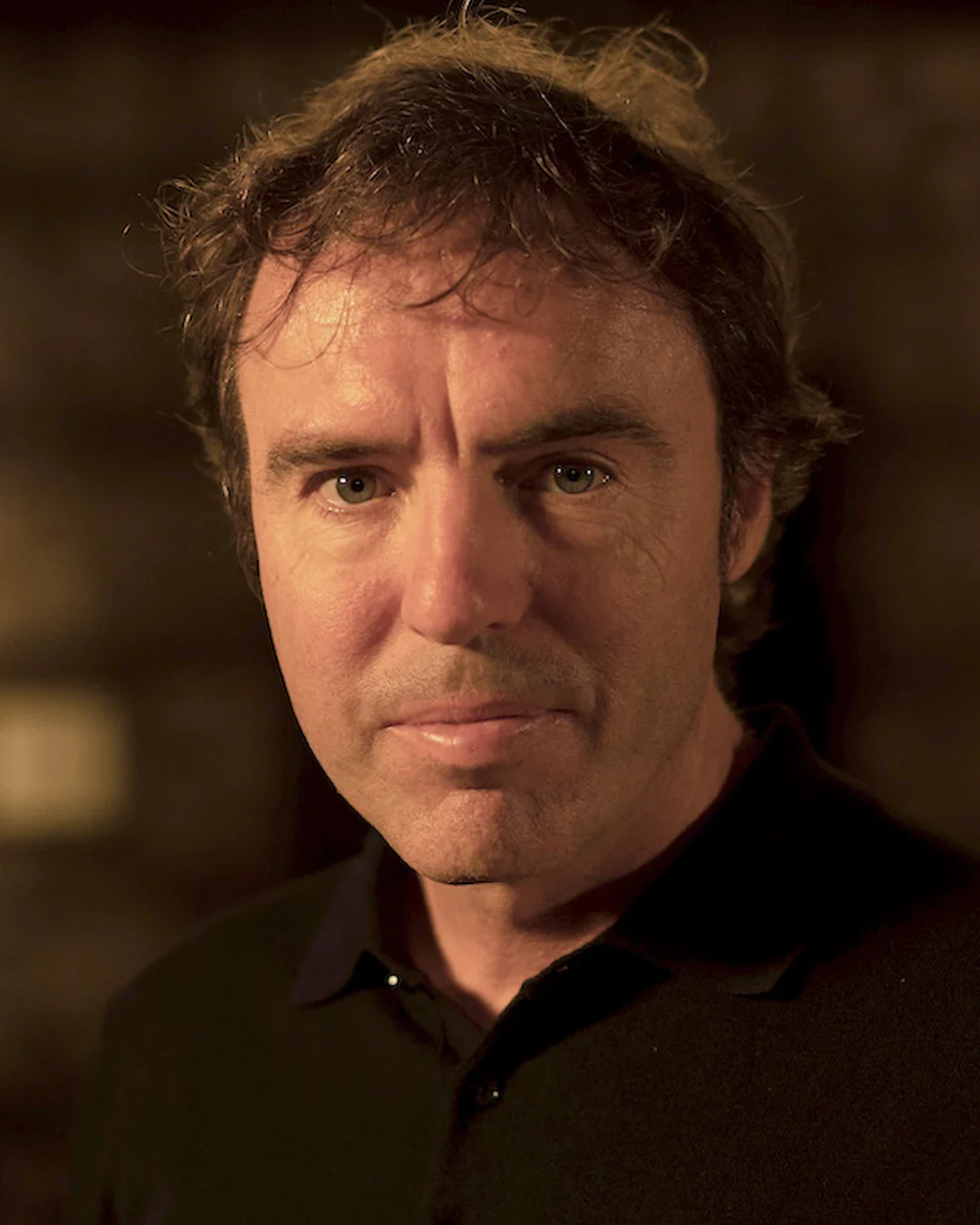
Made By profiles Borja Eguizábal (Winemaker) at Bodegas Franco-Españolas.
How expensive is Bodegas Franco-Españolas?
Bodegas Franco-Españolas is listed at a price level of $$.
The field
How it compares
| Place | Notes | Awards |
|---|---|---|
| Bodegas Franco-Españolas | Logroño, $$ | · |
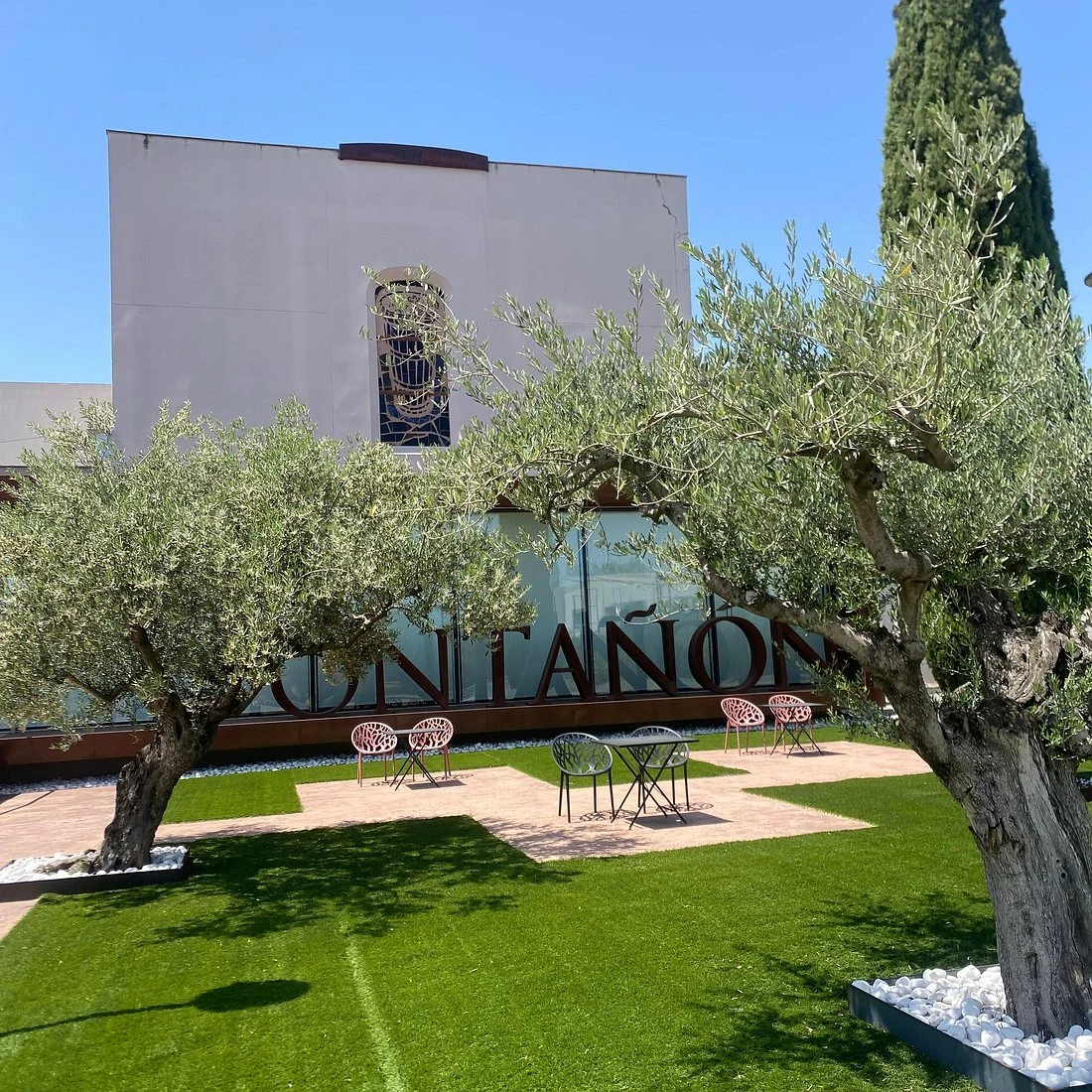
| Bodega Ontañón | Logroño | · |
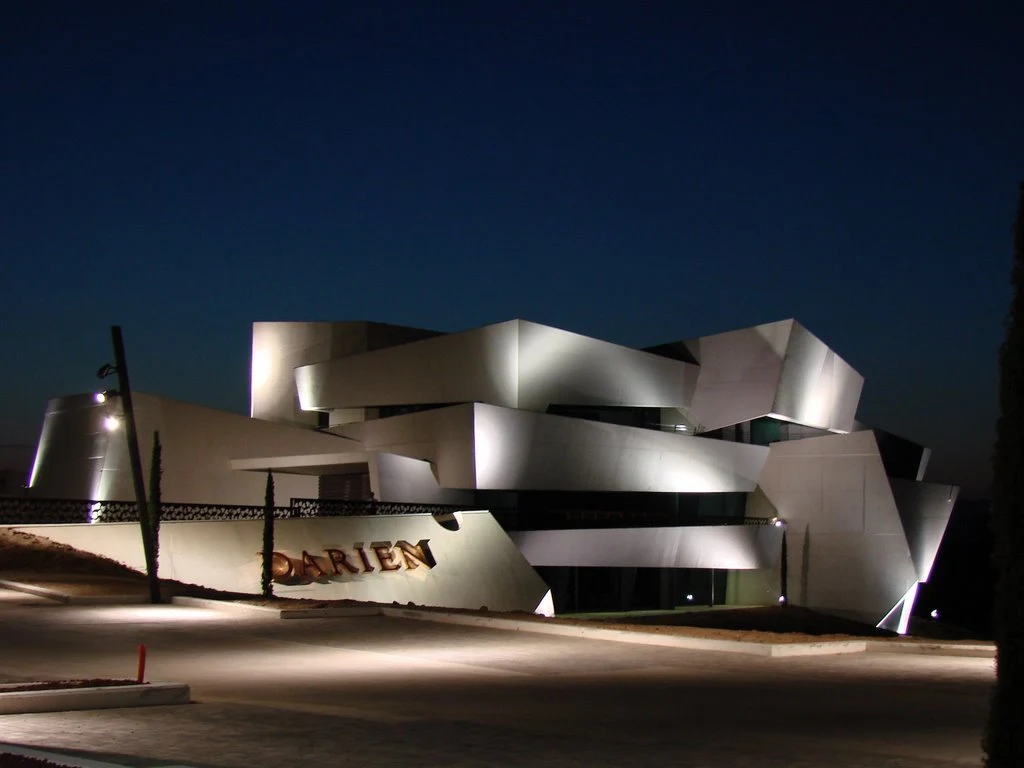
| Bodegas Darien | Logroño | · |
| Bodegas Juan Alcorta | Logroño | · |
| Bodegas Viña Ijalba | Logroño | · |
| Campo Viejo | Logroño | · |
| Marqués de Murrieta | Logroño | World's 50 Best |
In residence
Similar places
The Sunday letter
Get the next Made By story in your inbox.
We send one email every Sunday morning with the places and people we covered that week.
See a sample of the Sunday emailOne email a week. Unsubscribe from any issue.