Made ByRestaurant
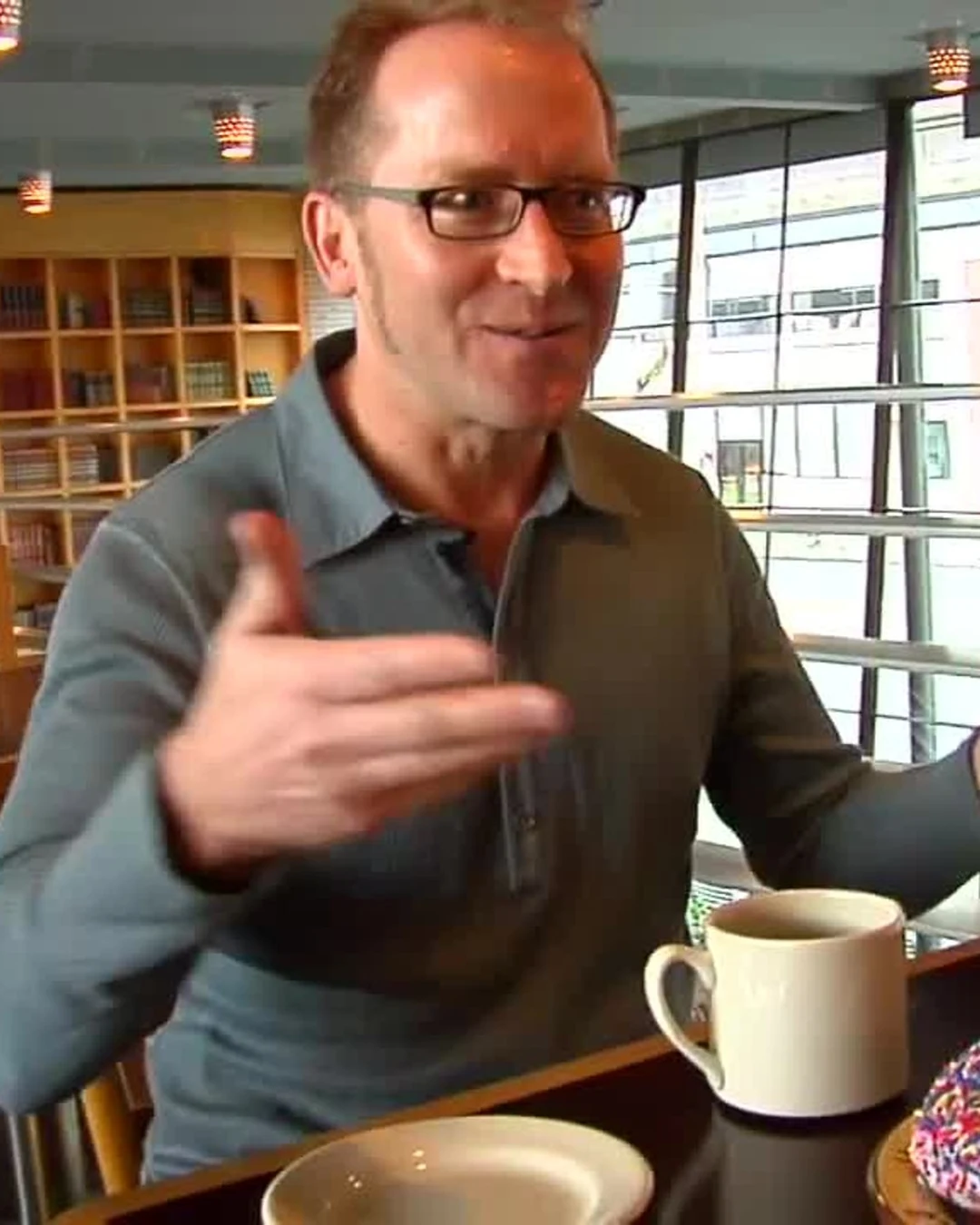
Mark Klebeck, Chef at Top Pot Doughnuts in Seattle, hand-forges familiar doughnuts with cleaner technique and a coffee program beside them.
At a glance
- Cuisine
- Donuts
Hand forging the familiar
Hand forging is the decision that steadies the bench for Mark Klebeck, Chef at Top Pot Doughnuts in Seattle, where the doughnut is treated as a form to be refined, not disguised. Klebeck co-founded Top Pot Doughnuts & Coffee in 2002 with Michael Klebeck, after reading a gap in the city’s breakfast counter with a baker’s instinct and an entrepreneur’s eye. His answer was not novelty. It was a cleaner doughnut, made with better ingredients and tighter technique, lifted from the old shorthand of the mom-and-pop case without losing the comfort that made the category endure.
That restraint is the point. A Maple Bar stays close to its classic outline. A Sourdough Old Fashioned brings a more specific chew and tang to a shape people already know. Feather Boa lets the name carry some of the house character, while the doughnut itself remains legible: glaze, coconut, finish. Klebeck’s lineage here is not presented through a named mentor or formal apprenticeship; the house frames the work through his founding role, his reading of Seattle’s appetite, and the discipline of repetition across a retail counter.
Recipes built for repetition
The program at Top Pot rests on hand-forged doughnuts and coffee, with more than 40 daily varieties moving through the line. That breadth matters only if the base holds. The doughnuts have to fry cleanly, glaze evenly, and sit in the case with enough definition that a regular can recognize the thing they came back for. Top Pot uses sustainably harvested zero trans-fat palm oil for frying, a technical choice that belongs to the texture as much as to the ingredient list.
The coffee is not an accessory. The company roasts its own, and the pairing gives the shops a rhythm closer to a cafe bench than a pastry counter alone. Scale has not stayed small: Top Pot recipes are used in more than 7,000 Starbucks stores in the U.S. and Canada, and the company counted 17 cafe locations in the Puget Sound region as of November 2023. The more useful craft question is how a Maple Bar, Apple Fritter, Raspberry Glazed Old Fashioned, or Chocolate Feather Boa keeps its identity when the program moves beyond a single shop. The answer sits in the method, not in decoration.
The counter and the room
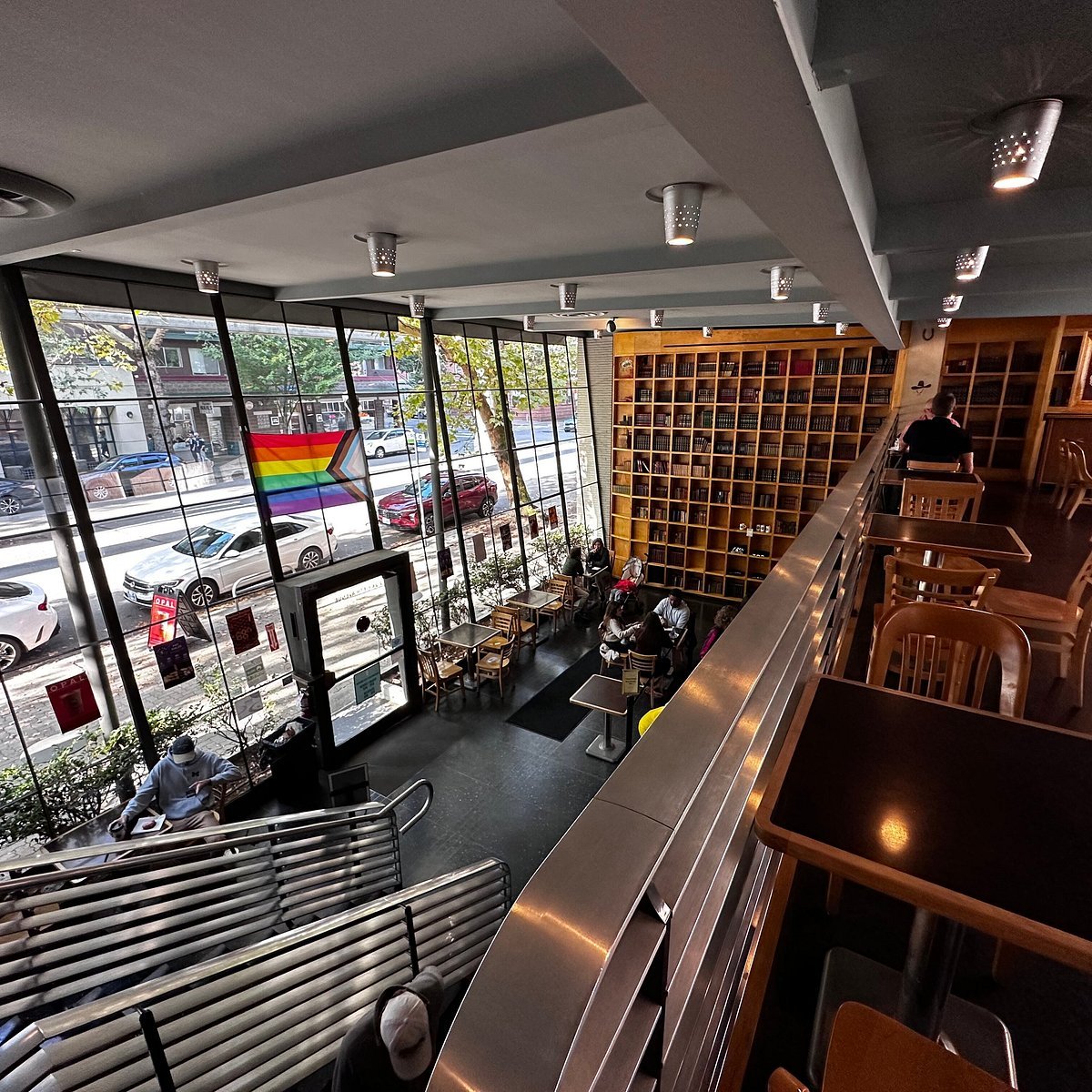
The room at Top Pot carries the work into public view without turning it theatrical. The best known Seattle settings lean into a vintage cafe language: books on the walls, broad windows, deep seating, a counter built for regular traffic. At the 5th Avenue store in Belltown and Denny Regrade, the coffee roastery shares the address, so the smell of roasting sits close to the case and the queue.
This is doughnut craft as a neighborhood habit. The regular comes for a known shape, the traveler for the name they have heard, the worker for coffee and a table. None of those uses weakens the bench; they are the reason the bench has to be consistent. When Top Pot became the official doughnut at Lumen Field, the house carried that same logic into a louder room, but the concrete noun remains simple enough to hold: a Maple Bar in Seattle.
Address
Seattle, Washington, United States
In residence
Similar places
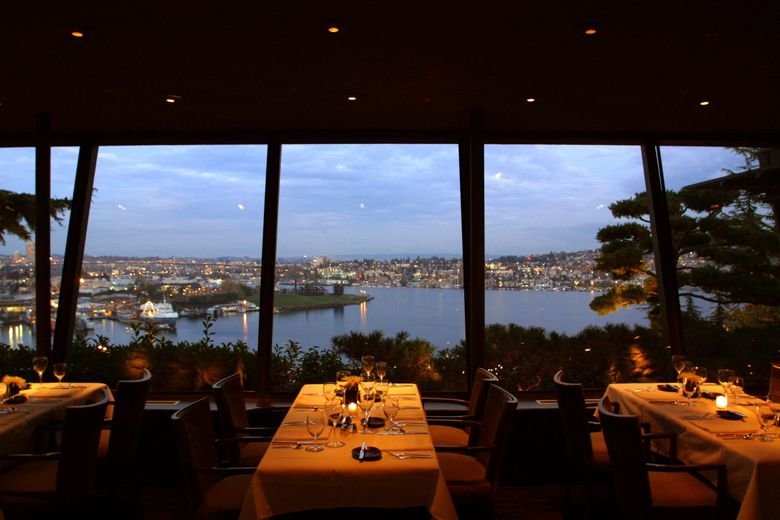
Modern American Fine Dining
Canlis
Seattle, United States
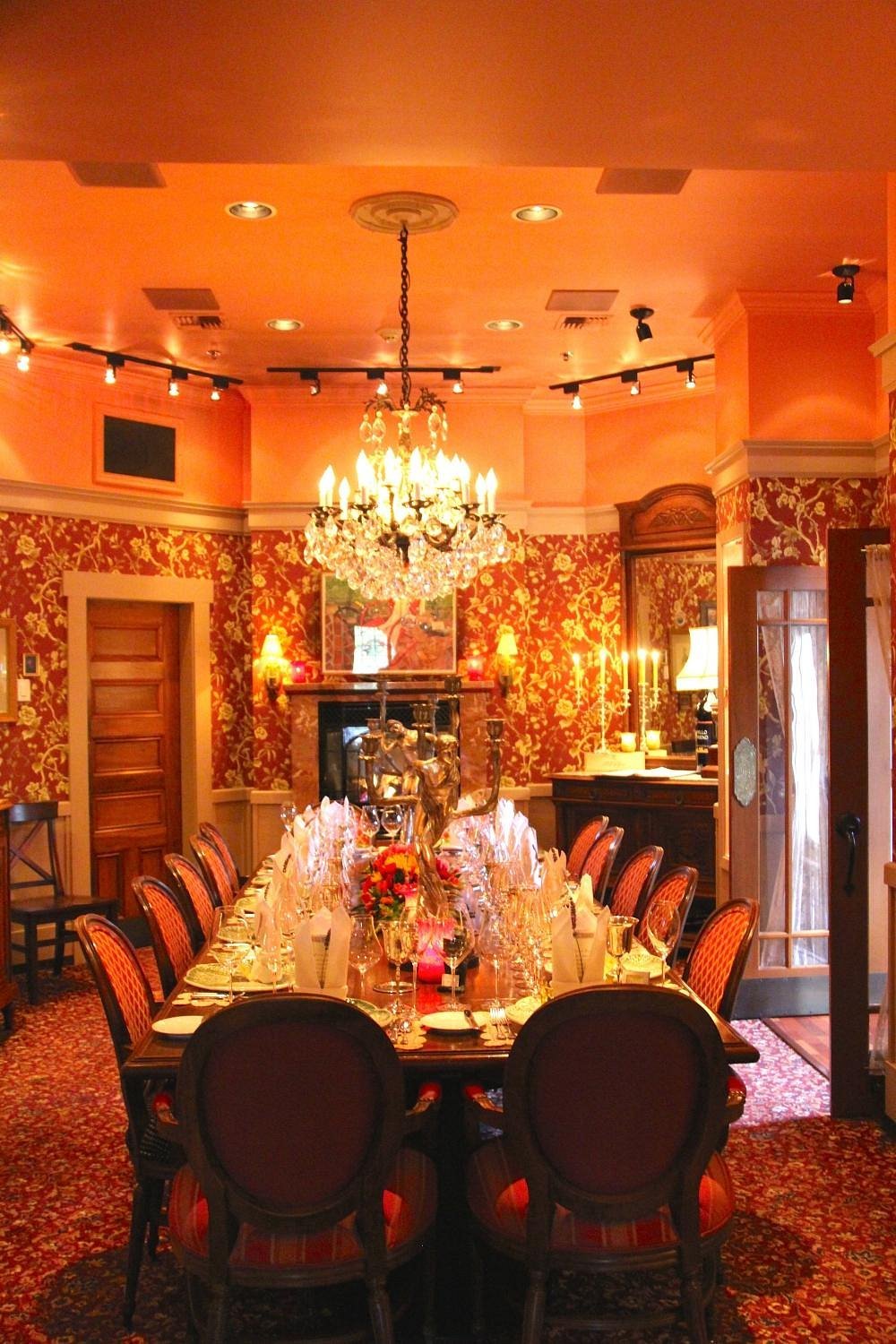
Pacific Northwest Farm-to-Table Tasting
The Herbfarm
Seattle, United States
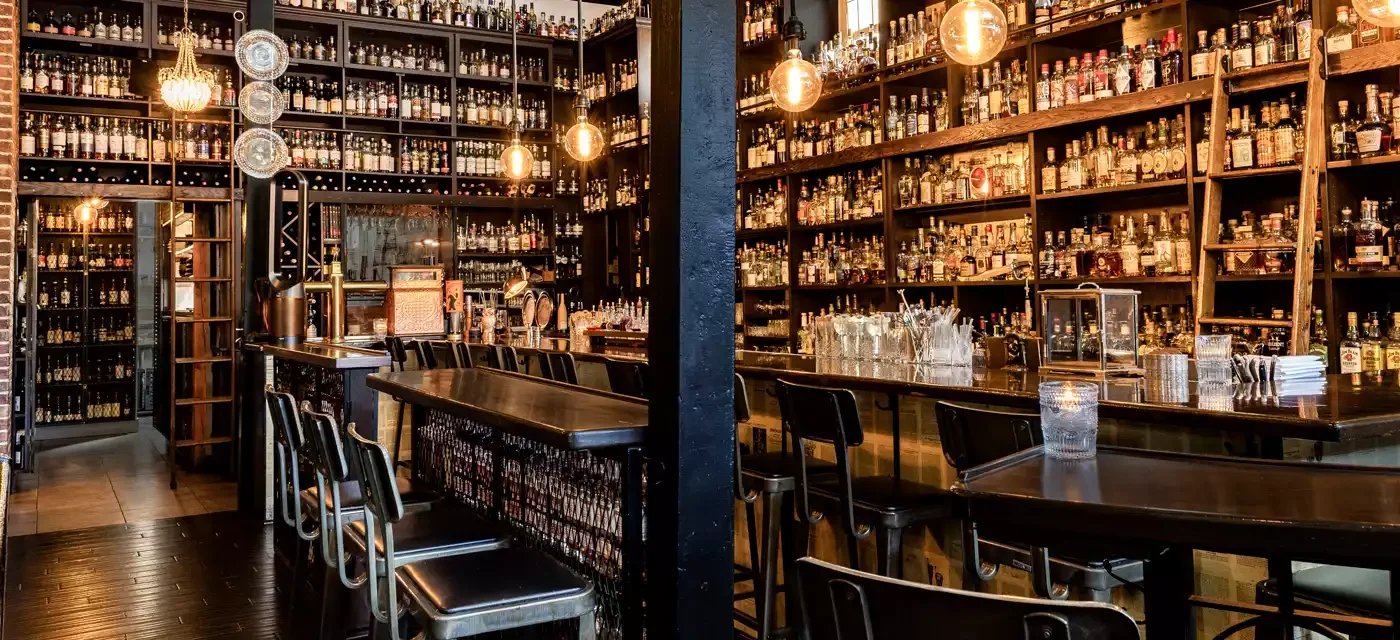
American Small Plates & Cocktails
canon
Seattle, United States
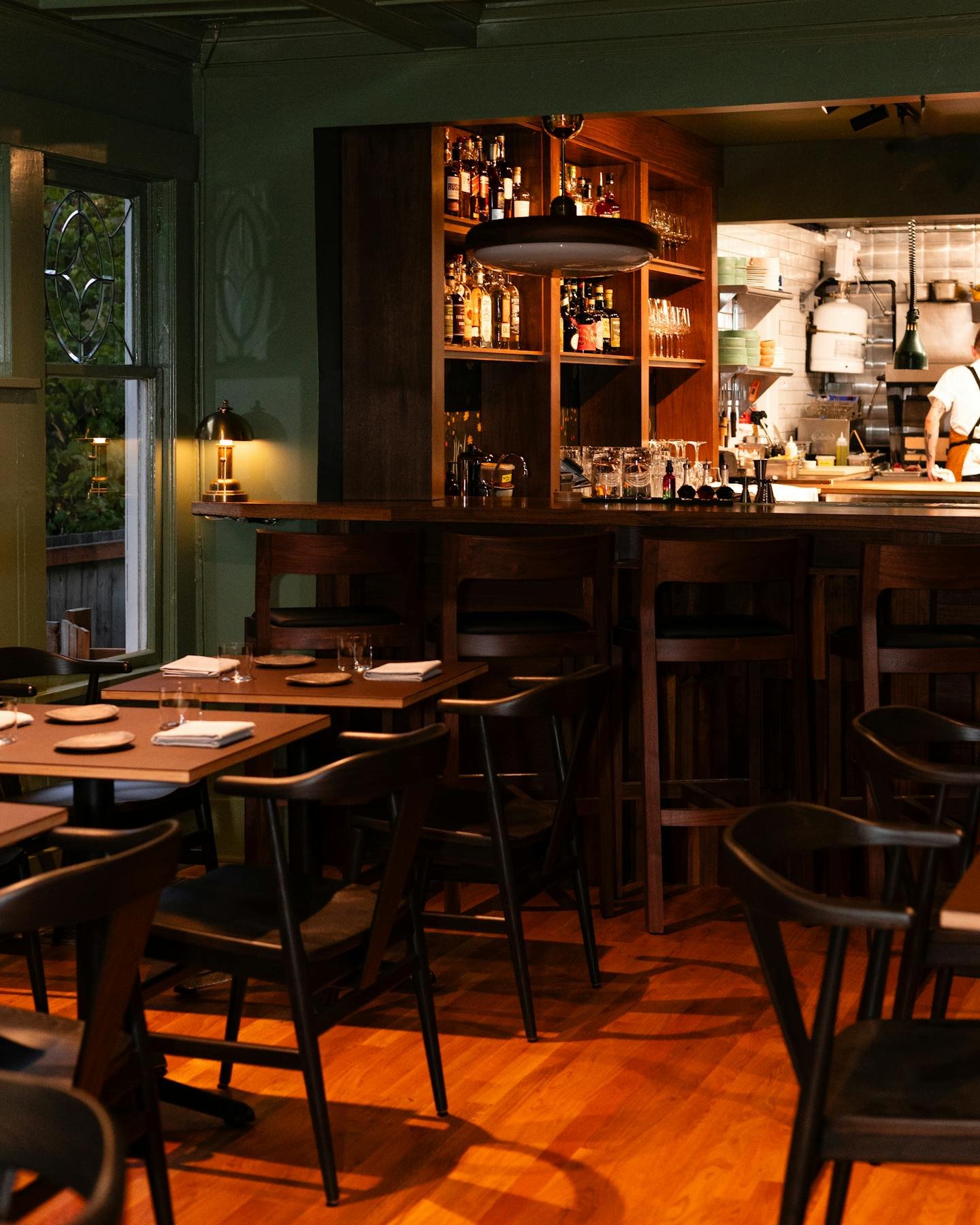
Modern New American
Atoma
Seattle, United States
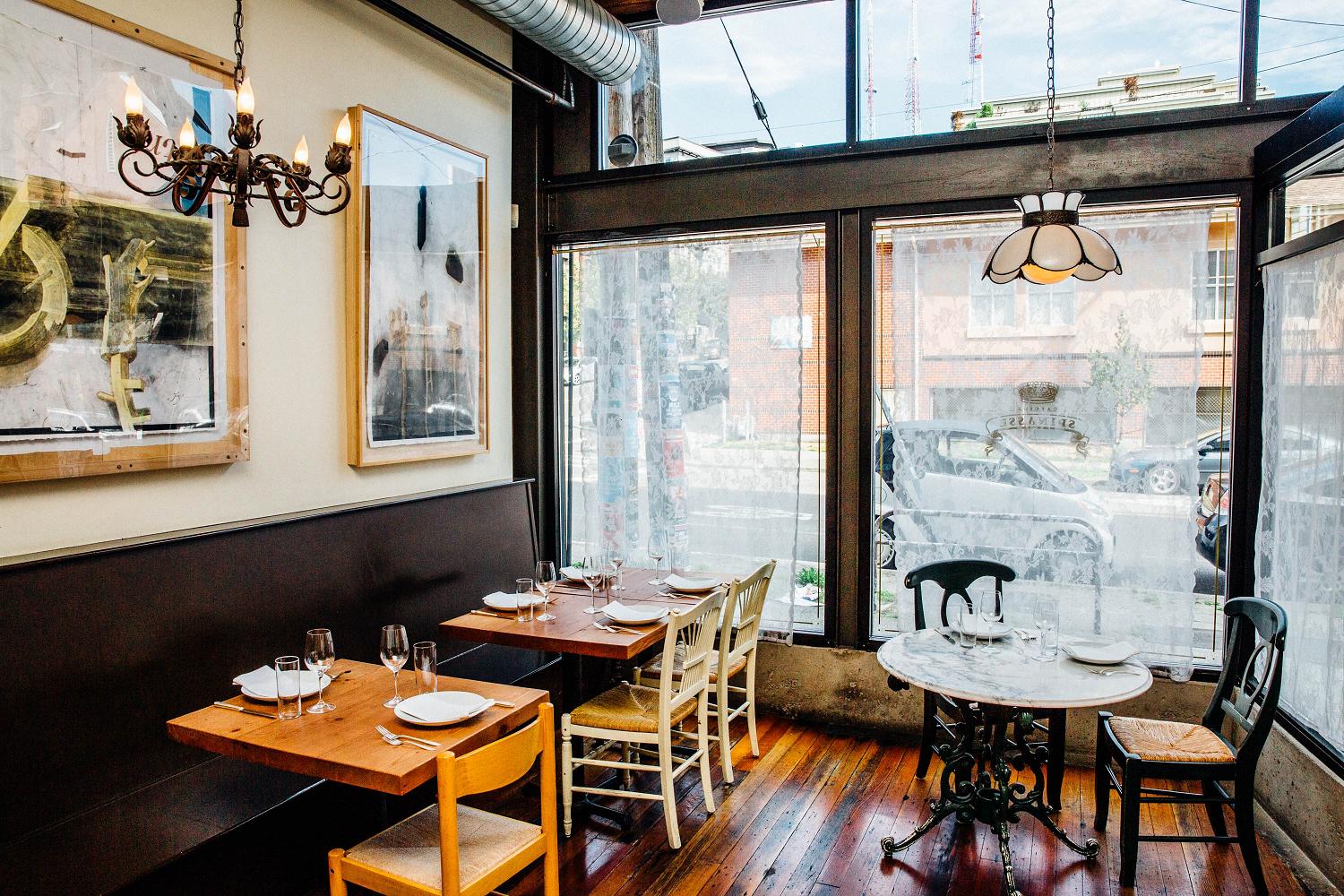
Piedmontese Northern Italian
Spinasse
Seattle, United States
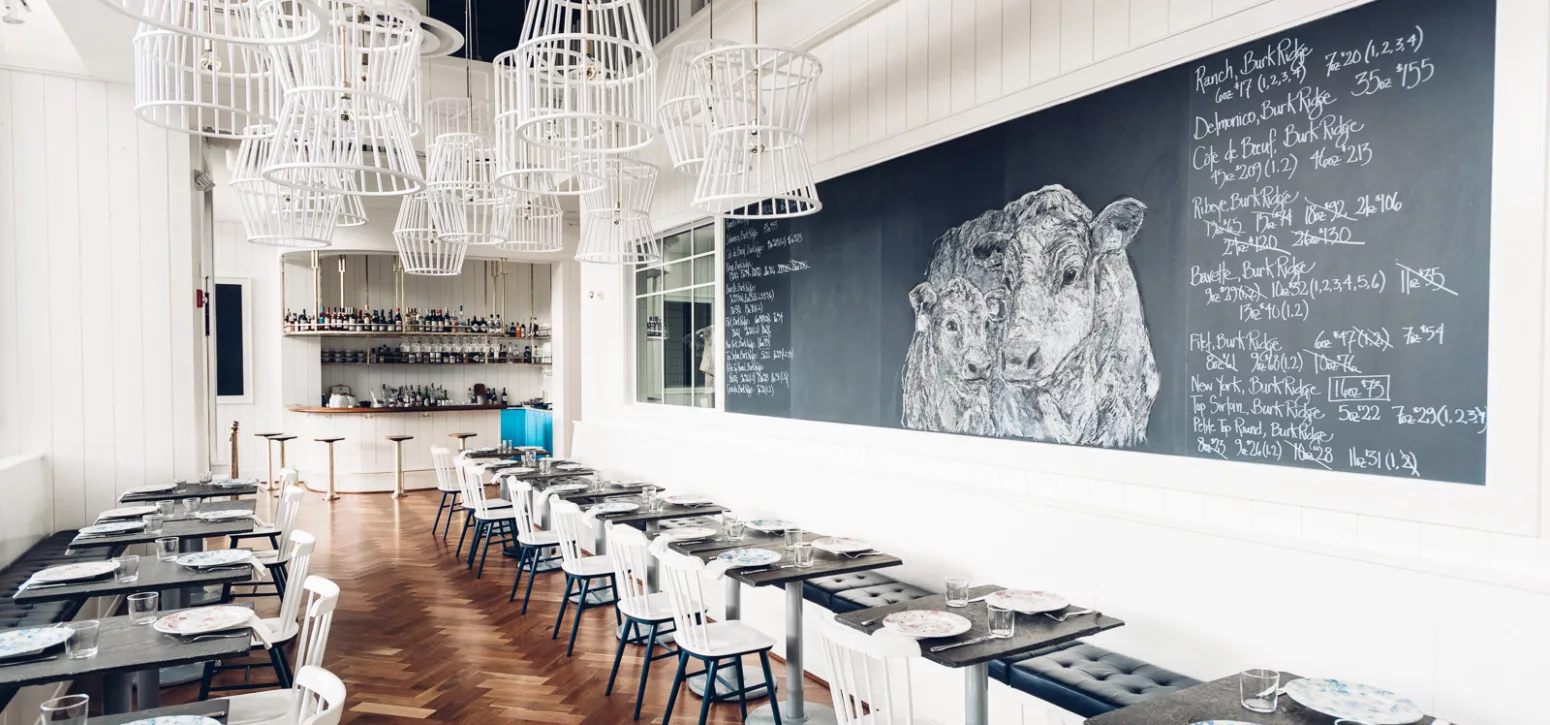
Contemporary Steakhouse
Bateau
Seattle, United States