Tour d'Argent
In Residence
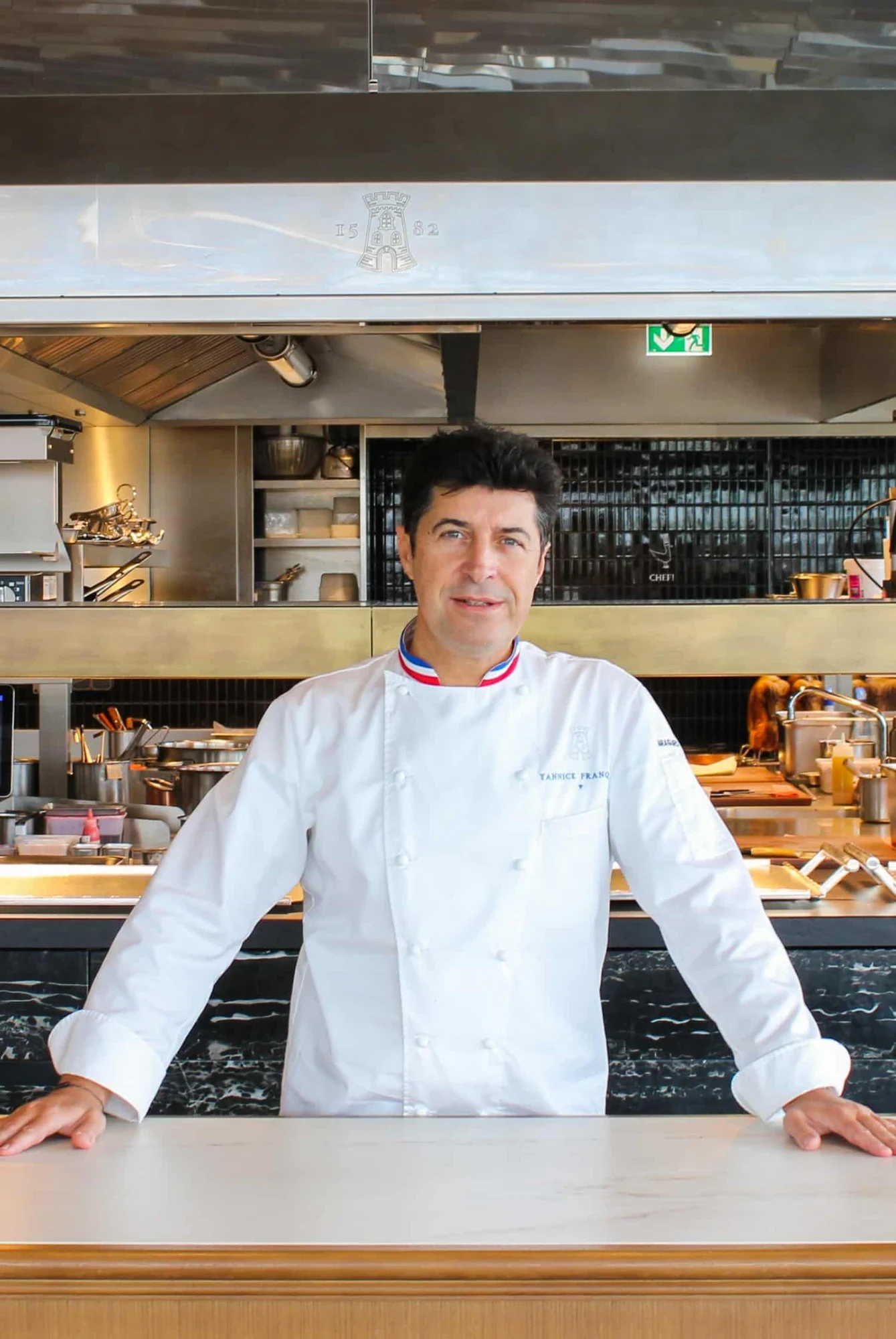
Yannick Franques
Chef
- 01CuisineClassic French Fine Dining
- 02CityParis, France
- 03RecognitionOne Michelin Star
From the people index
Recommended by
One trusted voice points here.
- 1 Michelin Star · Michelin Guide
- World's 50 Best · #45 · World's 50 Best Restaurants
- Wine Spectator · Tier 3
- Les Grandes Tables du Monde Member · 2026
- Michelin 1 Star · 2026
- Wine Spectator Grand Award · 2026
- Star Wine List · 2026
- Opinionated About Dining Classical in Europe Ranked #82 · 2026
- Falstaff Restaurant - 93 Falstaff Points · 2026
- La Liste Top Restaurants: 81pts · 2025
- Michelin 1 Star · 2025
- Gault & Millau Remarkable Restaurant: 15pts · 2025
- Wine Spectator Grand Award · 2025
- Opinionated About Dining Classical in Europe Ranked #106 · 2024
- Michelin 1 Star · 2024
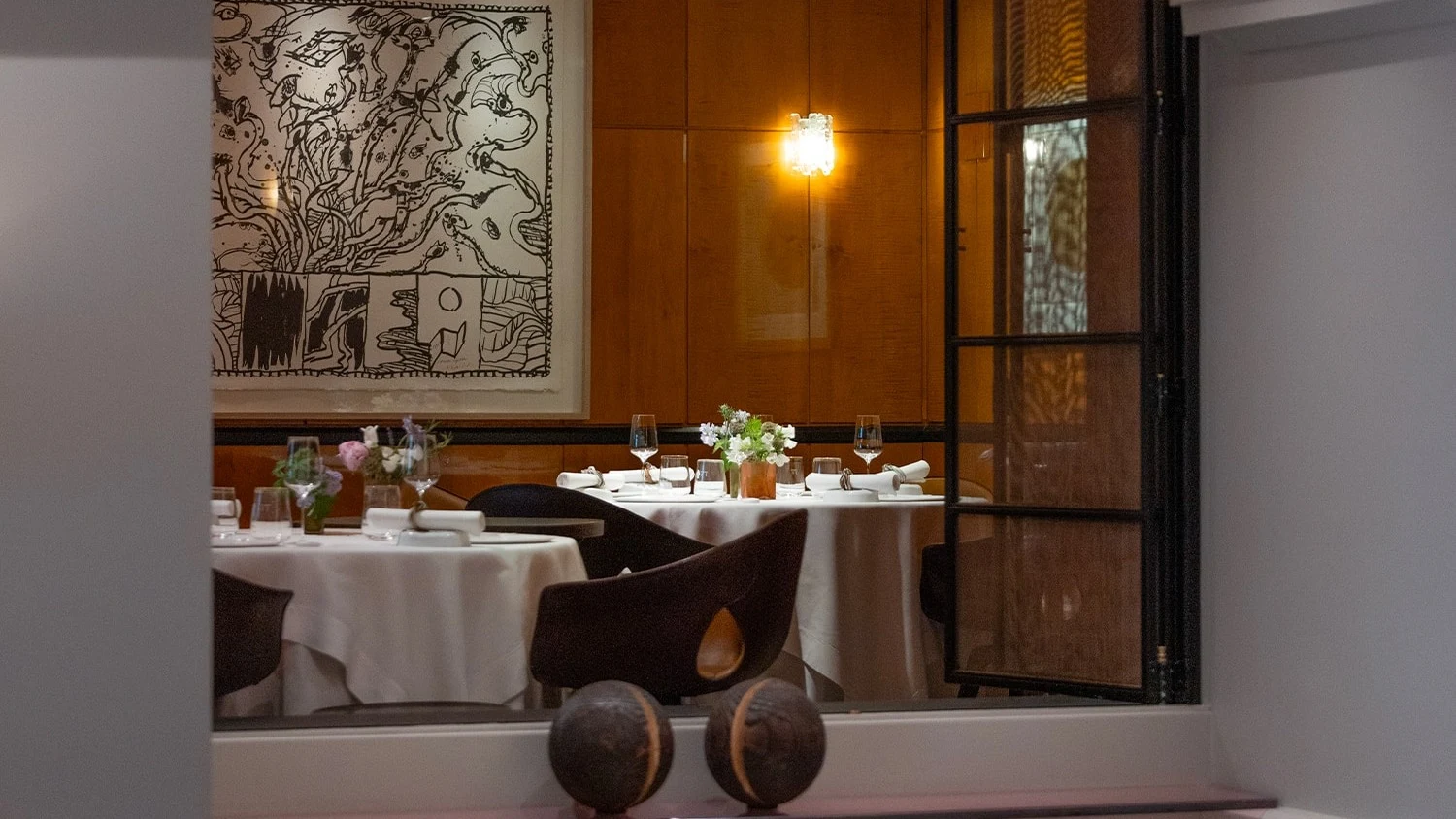
A Room That Keeps Its Own Time
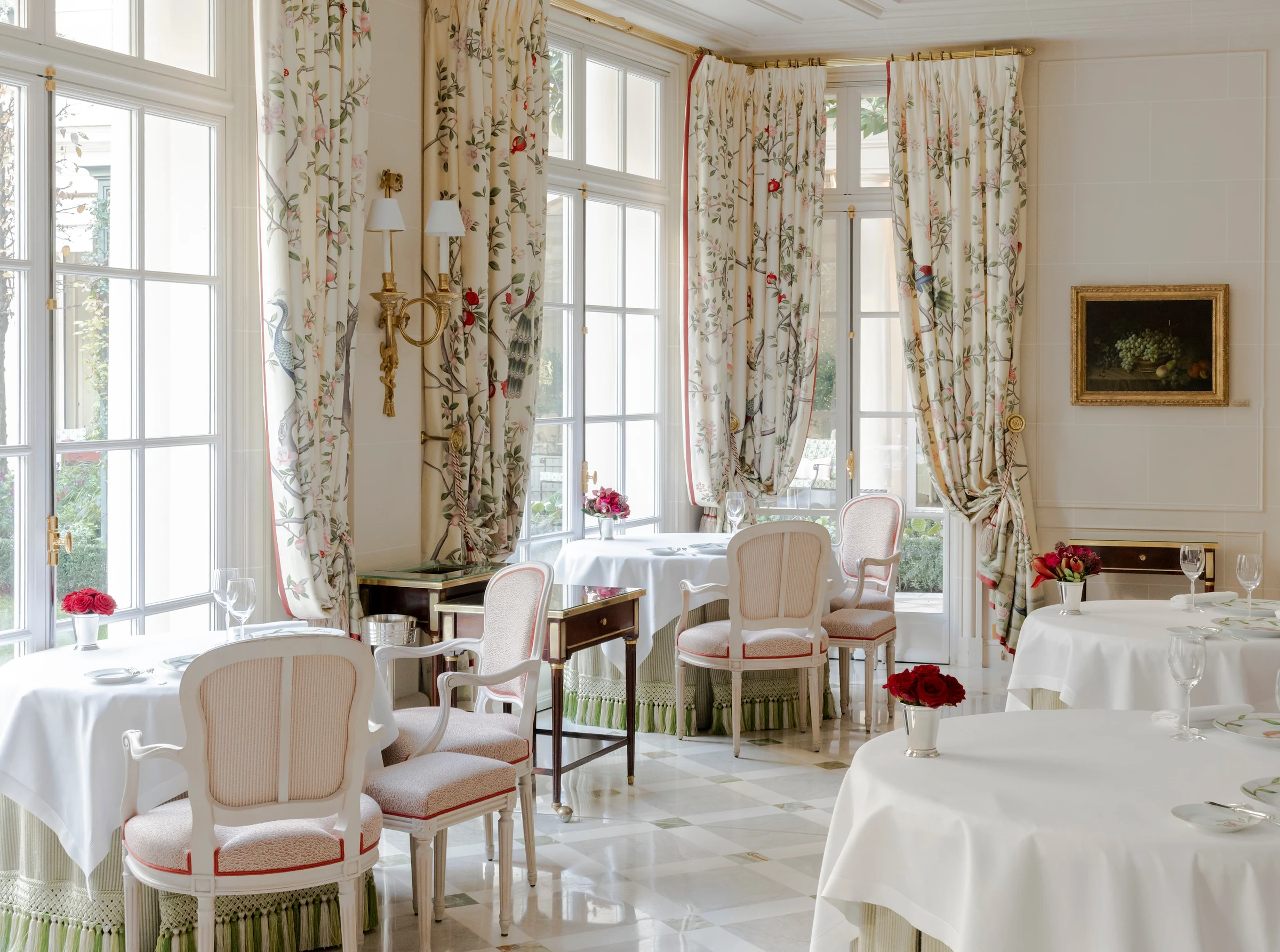
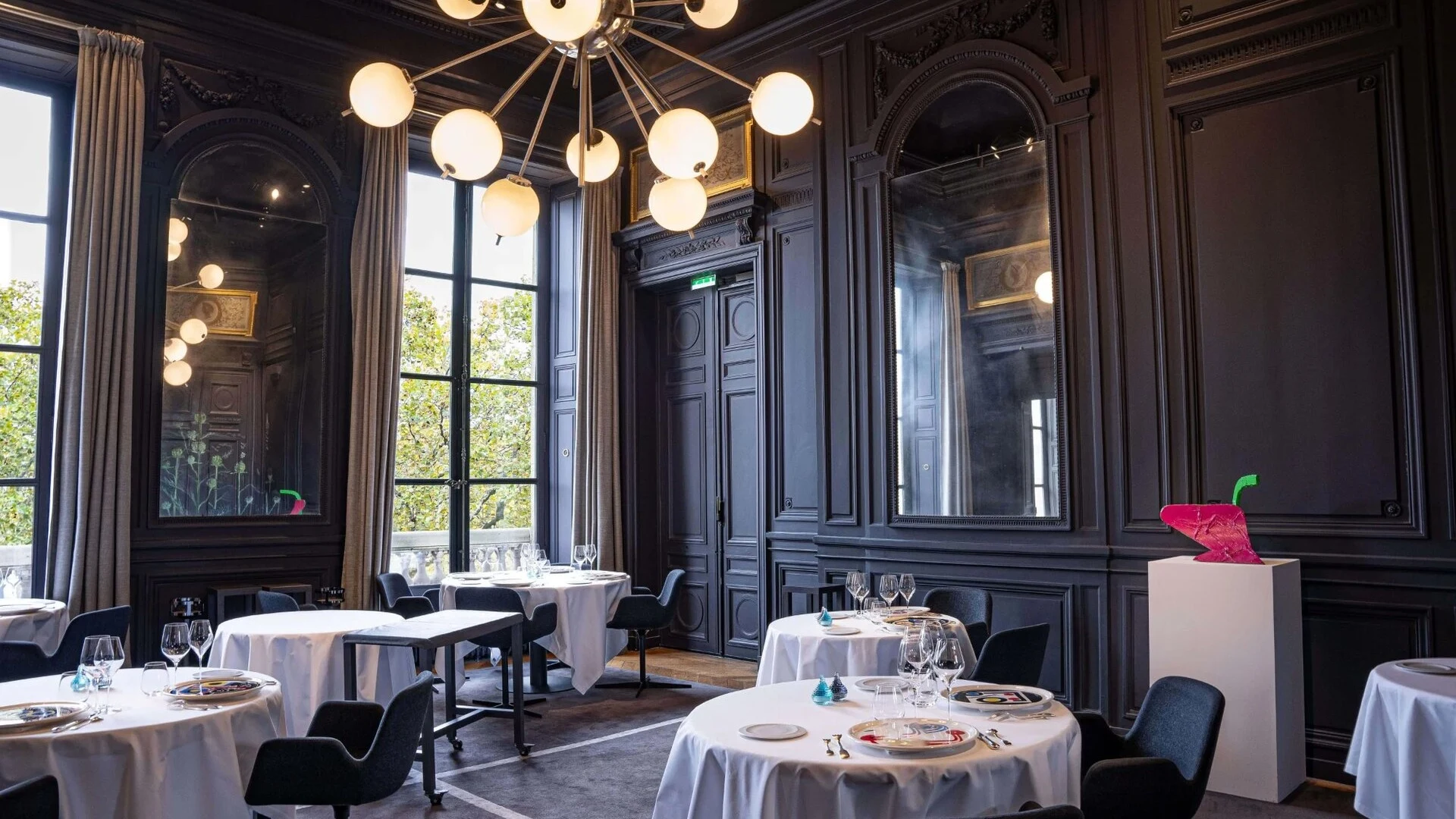
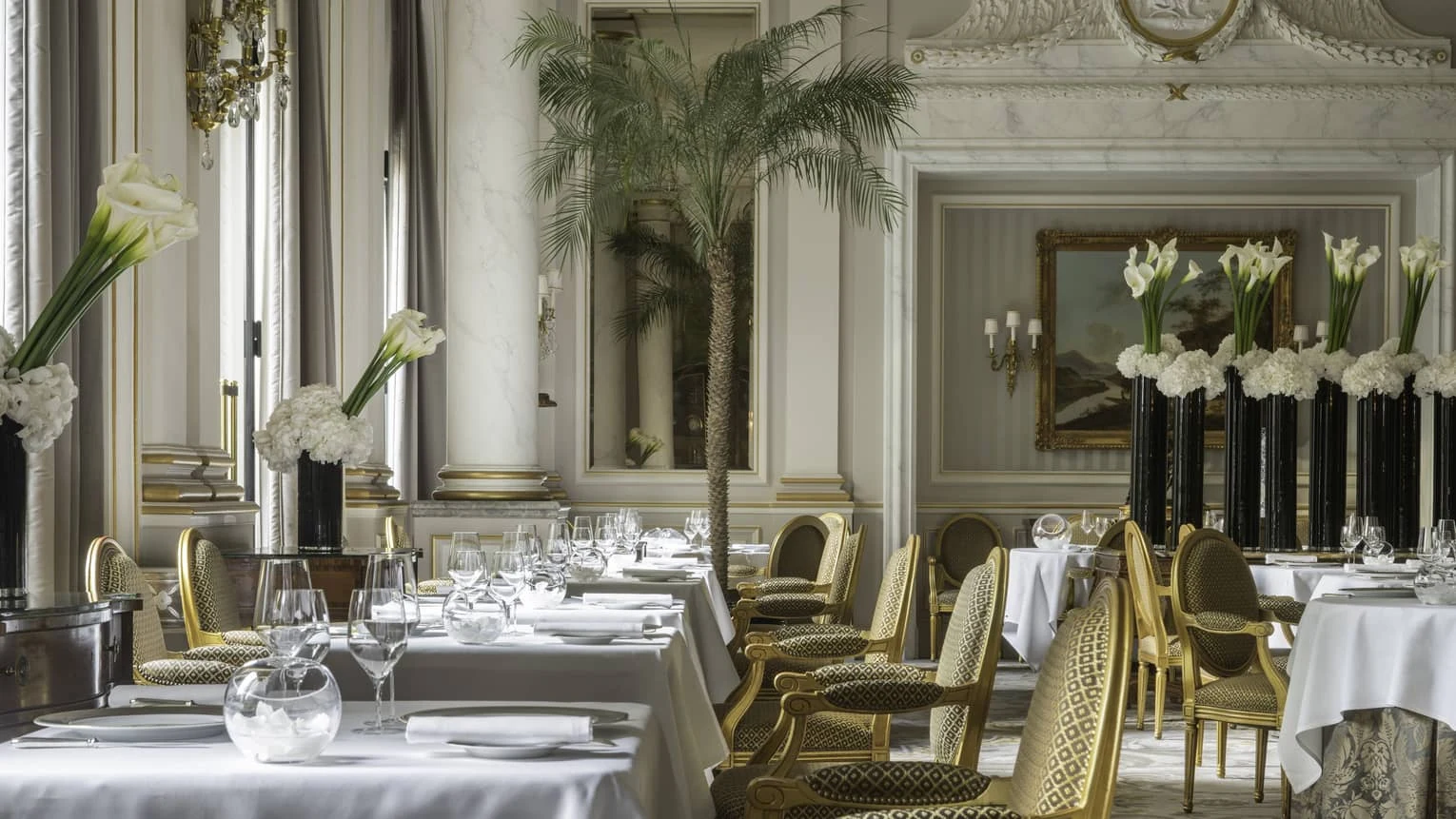
Tour d'Argent is a restaurant in Paris's 5th arrondissement, on the Quai de la Tournelle, with 1 Michelin Star and a price tier of about $400 per person. The nouvelle cuisine movement redrew expectations in the 1970s. The brasserie revival pulled diners toward informality in the 1990s. Modernist kitchens and open counters reshaped the top tier again through the 2010s. Through each of those cycles, Tour d'Argent maintained a position that few Paris restaurants can credibly hold: a dining room where the historical weight of the space is itself part of what you come for, not a liability to be apologised for.
That positioning is rare even among Paris's €€€€-tier French addresses. Le Cinq at the Four Seasons George V operates within a palace hotel context. Guy Savoy at the Monnaie de Paris leans into a chef's singular creative voice. La Scène and L'Orangerie represent the newer wave of contemporary French ambition. Tour d'Argent's competitive set is older and harder to replicate: the restaurant opened before France's current restaurant culture existed in any recognisable form, and the room above the Seine carries that history in a way the setting makes clear.
The Sunday letter
Find new places through the people who run them.
Our Sunday email brings you the chefs, winemakers and hoteliers behind our newest stories. See a sample before you subscribe.
See a sample of the Sunday emailOne email a week. Unsubscribe from any issue.
The Wine Cellar as the Real Argument
Among Paris's upper-tier restaurants, the wine program at Tour d'Argent occupies a category of its own. A 300,000-bottle inventory across 14,000 selections is not a claim that any peer address in the city, or most in the country, can match. The depth runs through Burgundy, Bordeaux, the Rhône, Champagne, Alsace, Loire, and Port, which means the list covers the full classical French canon with genuine back-vintage depth rather than a curated selection of current releases.
What that scale means in practice: regulars return partly because successive visits allow a kind of vertical exploration that would be impossible to replicate elsewhere in Paris. That is the logic that keeps a loyal clientele in a way that a single spectacular dinner does not. Wine Director Victor Gonzalez leads a team that includes sommeliers Guillaume Delvert and Antoine Cabre, working a list where pricing sits at the premium end of Paris's fine dining range, with many bottles above the €100 threshold. Previous sommelier David Ridgway built much of what exists today, and the program is cited specifically by peers in the classical French category as a benchmark for depth of heritage cellaring.
For the wine-focused guest, this is the practical argument for Tour d'Argent over newer addresses: no other Paris kitchen puts you in front of a 300,000-bottle cellar anchored in French classical appellations. Its many awards reflect an institution that has maintained consistency and heritage alongside kitchen innovation.
The Kitchen Under Yannick Franques
Paris's classical French dining tier has divided in recent years between restaurants using historical positioning as a justification for stasis and those that treat legacy as a foundation for sustained kitchen seriousness. Tour d'Argent's Michelin one-star under Chef Yannick Franques signals that the kitchen operates in the latter category. The OAD classical rankings specifically weight technique and ingredient fidelity over novelty, which places Tour d'Argent in a peer group that includes some of France's most referenced addresses for traditional craft.
The cuisine sits within the French and modern French classification, which, at this tier and in this room, means the kitchen is not attempting conceptual leaps, it is executing the French canon at a level that sustains continuous recognition from the restaurant industry's more technically demanding evaluators. That is a different ambition from what you find at the contemporary creative addresses on Paris's right bank, and it is worth arriving with that expectation calibrated. The regulars who return year after year are not looking for surprise; they are looking for the kitchen to be exactly where they left it, and better.
What Keeps Regulars Returning
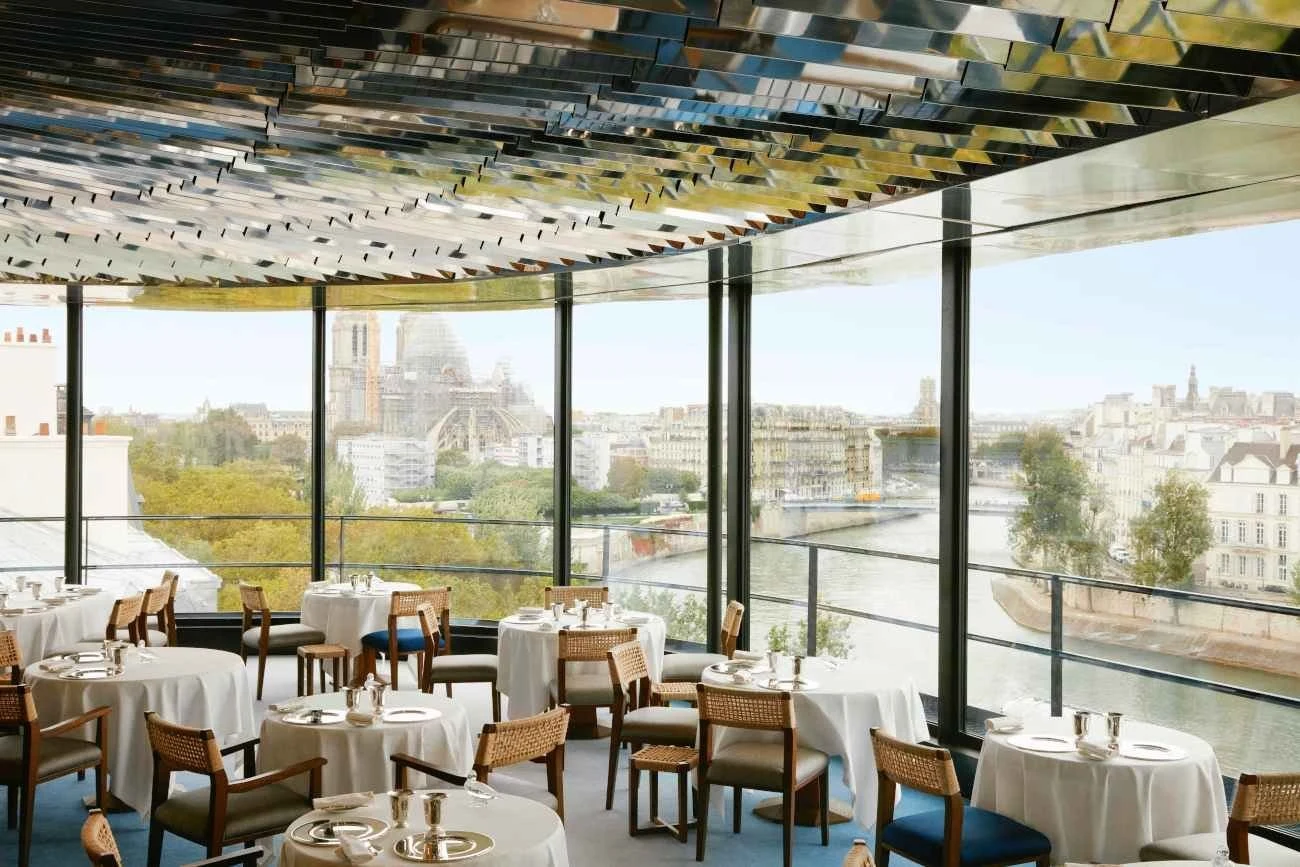
The view from above the Seine toward Notre-Dame is one documented feature of Tour d'Argent's dining room, and for good reason: the refined position on the Quai de la Tournelle means the cathedral sits at eye level across the water, and at dinner the light changes across the course of a meal in a way that no interior space can replicate. For a first visit, this is the primary draw alongside the cellar. For repeat visitors, it becomes the backdrop to something more layered.
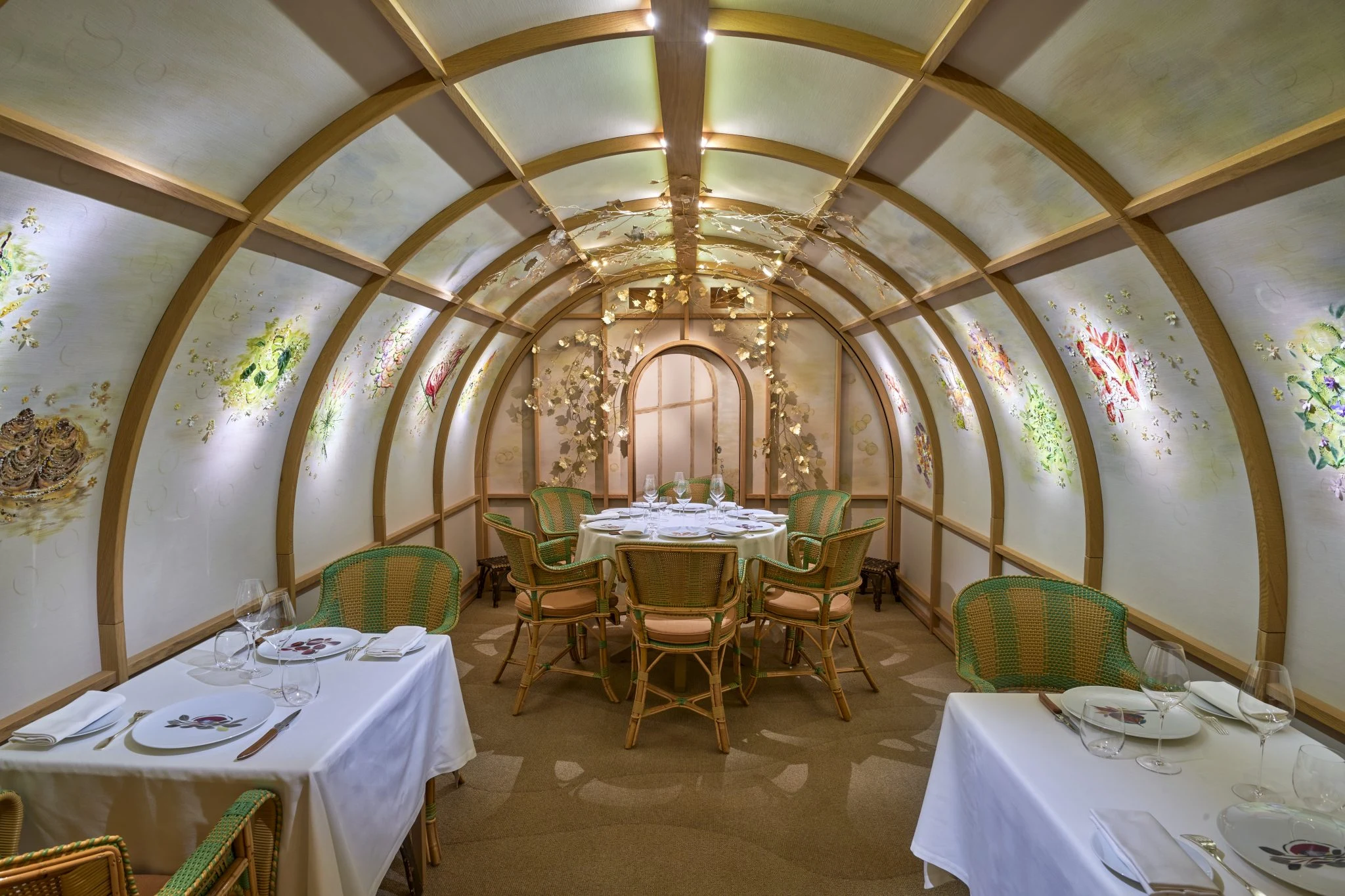
Unwritten appeal for regulars is the sense that the room does not change around them. In a Paris dining scene where new openings arrive seasonally and attention cycles quickly, there is a particular value in a room where the rituals feel stable, the ceremony around the wine service, the formality of the table, the continuity of the team. General Manager Laurent Rapoport oversees an operation that positions itself in the grande table tradition, which means the service grammar is closer to what you would find at Auberge de l'Ill in Illhaeusern or Paul Bocuse's Auberge du Pont de Collonges than to the more casual cadence of newer Paris rooms.
Owner André Terrail represents the continuation of a family stewardship model that has kept the restaurant outside the hospitality group structures that govern many of its Paris peers. That independence shows in how the property makes decisions: the cellar has been built over generations rather than assembled by acquisition, and the room has been preserved rather than redesigned to follow hospitality trends. Among France's grandes tables, alongside institutions such as Troisgros, Bras in Laguiole, and Flocons de Sel in Megève, family continuity is both a financial model and an editorial statement about what the restaurant is trying to be.
Placing Tour d'Argent in the Wider French Dining Scene
In the context of France's broader fine dining geography, Tour d'Argent sits in a specific lineage of city-based classical houses that operate on a different axis from the destination restaurants of the countryside. Where Mirazur in Menton or La Fourchette des Ducs in Obernai draw guests to a specific chef's vision in a particular landscape, Tour d'Argent's proposition is urban and historical: the city itself, the view across the Seine, the depth of the cellar, the continuity of the room. Hélène Darroze at The Connaught operates in a comparable institutional register in London, pairing deep provenance with a formal room. The peer logic is useful: these are restaurants where the building, the archive, and the team are as much the product as the plate.
For the reader building a Paris itinerary, Tour d'Argent answers a specific brief: a formal French lunch or dinner where the wine program is central, the room has independent historical significance, and the kitchen maintains the level of classical seriousness that sustained a World's 50 Best ranking. It is not the address for someone seeking Paris's most forward-facing cooking. It is the address for someone who wants to understand what classical French hospitality looks like when it has been maintained at the highest level over a long time.
Know Before You Go
- Address: 15 Quai de la Tournelle, 75005 Paris, France
- Hours: Tuesday to Saturday, 12:00 to 2:15 pm and 7:00 to 10:30 pm. Closed Sunday and Monday.
- Price range: €€€€ (cuisine pricing at $66+ for a typical two-course meal; wine list with many bottles above €100)
- Awards: Michelin 1 Star (2025); La Liste 81pts (2025); Les Grandes Tables du Monde (2025); OAD Classical Europe #106 (2024)
- Wine cellar: 300,000 bottles; 14,000 selections; strengths in Burgundy, Bordeaux, Rhône, Champagne, Alsace, Loire, and Port
- Chef: Yannick Franques
- Meals served: Lunch and Dinner, Tuesday through Saturday
Questions
Frequently asked
What recognition does Tour d'Argent hold?
Tour d'Argent holds 1 Michelin star and a place on the World's 50 Best list at number 45.
Who works at Tour d'Argent?
Made By profiles Yannick Franques (Chef) at Tour d'Argent.
How expensive is Tour d'Argent?
Tour d'Argent is listed at a price level of $$$$.
Where is Tour d'Argent and what does it serve?
Tour d'Argent is in Quartier Latin, Paris, serving Classic French Fine Dining.
The field
How it compares
| Place | Awards | Cuisine | Notes |
|---|---|---|---|
| Tour d'Argent | Michelin 1 Star, World's 50 Best #45 | Classic French Fine Dining | Quartier Latin, $$$$ |
| Arpège | Michelin 3 Stars, World's 50 Best | Vegetable-Focused French Fine Dining | Paris |
| Epicure | Michelin 3 Stars | Contemporary French Fine Dining | Paris |
| Guy Savoy | Michelin 2 Stars, World's 50 Best | Classic French Fine Dining | Paris |
| Le Cinq | Michelin 3 Stars, World's 50 Best | Modern French Fine Dining | Paris |
| Le Taillevent | Michelin 2 Stars, World's 50 Best | Classic and Modern French Fine Dining | Paris |
| Pierre Gagnaire | Michelin 3 Stars, World's 50 Best | Avant-Garde French Fine Dining | Paris |
In residence
Similar places
Vegetable-Focused French Fine Dining
Arpège
Paris, France
★★★ · 50 Best
Contemporary French Fine Dining
Epicure
Paris, France
★★★
Classic French Fine Dining
Guy Savoy
Paris, France
★★ · 50 Best
Modern French Fine Dining
Le Cinq
Paris, France
★★★ · 50 Best
Classic and Modern French Fine Dining
Le Taillevent
Paris, France
★★ · 50 Best
Avant-Garde French Fine Dining
Pierre Gagnaire
Paris, France
★★★ · 50 Best
The Sunday letter
Get the next Made By story in your inbox.
We send one email every Sunday morning with the places and people we covered that week.
See a sample of the Sunday emailOne email a week. Unsubscribe from any issue.