Villa Miraé - Cap d'Antibes
In Residence
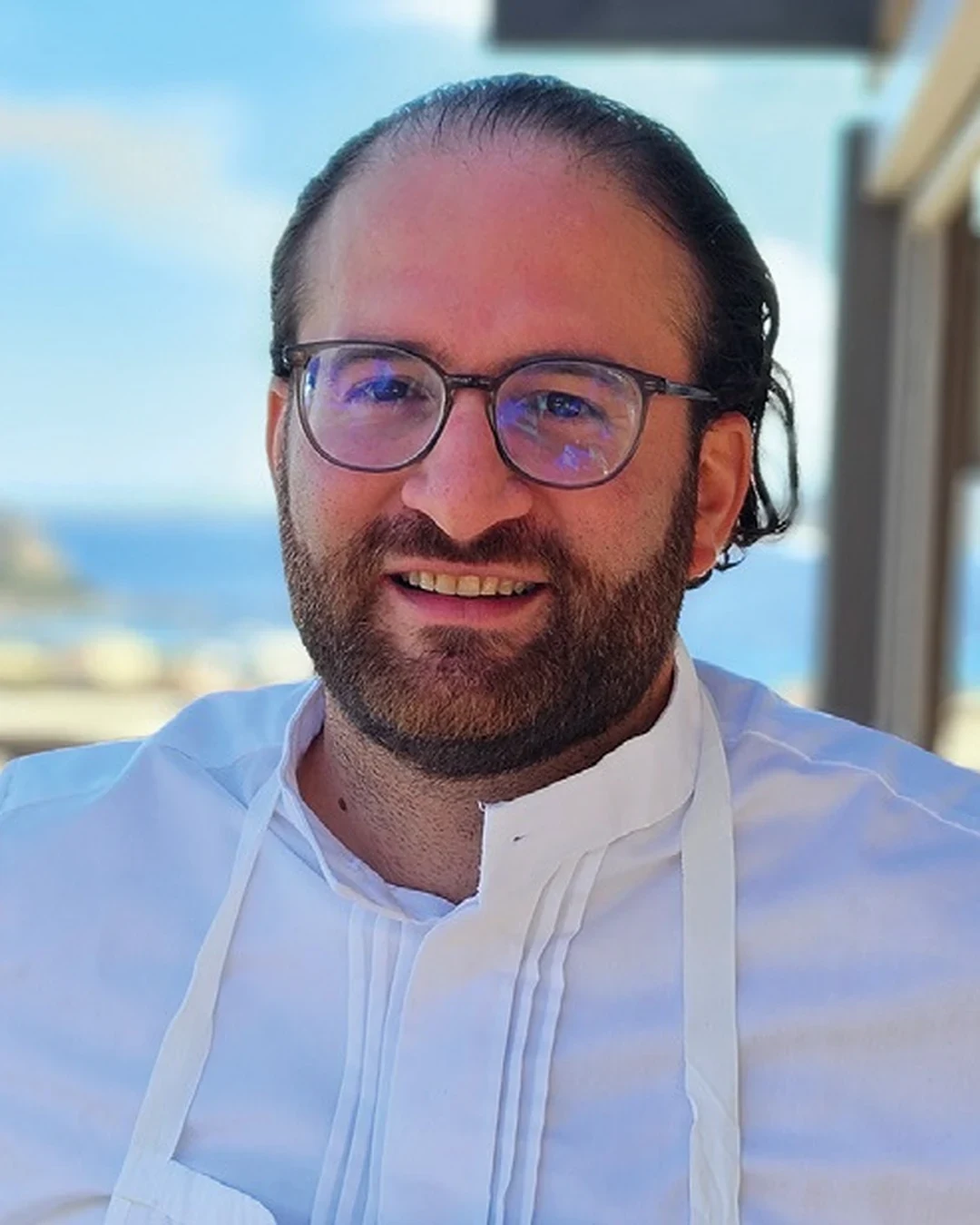
Can Kurt
Chef
- 01CuisineMediterranean Riviera Cuisine by Mauro Colagreco
- 02CityAntibes, France
- Relais Chateaux Award · 2026
- Relais Chateaux Award · 2025
Where the Mediterranean Meets Itself
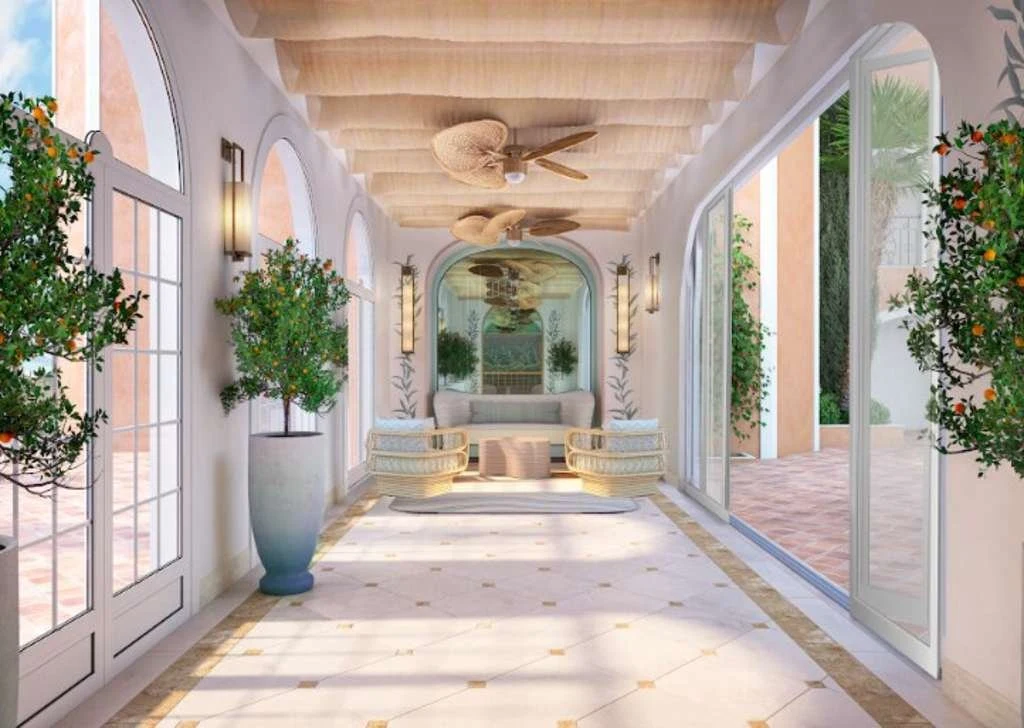
The Chemin de la Garoupe is one of those roads that announces its intent before you arrive. Lined with stone walls, mature pines, and the occasional flash of blue between the tree trunks, it runs along the southern flank of Cap d'Antibes toward a small community of properties that share a single defining asset: direct access to the Garoupe beach, one of the few sandy stretches on a coastline that otherwise deals in rocks and jetties. Villa Miraé occupies this strip, and the geography does much of the work before the kitchen even enters the conversation.
The Mediterranean basin has always operated as a culinary crossroads rather than a single tradition. The sea connects Catalonia to Liguria, the Levant to the Maghreb, Anatolia to Provence. The cuisines that developed around its shores share structural ingredients, olive oil, preserved citrus, dried legumes, fresh herbs cut hard in summer heat, but they reach those ingredients through different hands and different histories. A property on the French Riviera in 2024 sits at an intersection of all of this, and the more considered kitchens on this coastline use that geography as a working brief rather than a backdrop.
The Sunday letter
Find new places through the people who run them.
Our Sunday email brings you the chefs, winemakers and hoteliers behind our newest stories. See a sample before you subscribe.
See a sample of the Sunday emailOne email a week. Unsubscribe from any issue.
The French Mediterranean Table: Context and Tradition
French Mediterranean cooking is often flattened in popular understanding to a version of Provençal cuisine: ratatouille, bouillabaisse, tapenade, rosé. The reality is more layered. The Côte d'Azur absorbed Italian influence through Nice and its surrounding villages, where the cuisine has closer links to Ligurian tradition than to anything from Paris or Lyon. The eastern edge of the coast, around Menton, pulls toward a kind of botanical cooking shaped by the microclimate and the border it shares with Italy. Further inland, the garrigue introduces different herbs, different animal husbandry, a shift in register. Mirazur in Menton has perhaps done most to articulate this eastern Riviera identity at the highest level of the formal dining world.
Cap d'Antibes sits in the middle of this arc. The peninsula separates the Baie des Anges from the Baie de Cannes, which means it faces two different stretches of water and two slightly different versions of the coast. Its restaurant culture has historically been shaped by the hotel estates that occupy much of the cape, properties with large gardens, private beaches, and kitchens that serve an international clientele who arrive by yacht or helicopter rather than train. The register at these addresses tends toward formal French technique applied to Mediterranean produce, with the ratio of each determined by the kitchen in charge. Eden Roc represents the older model of that tradition on the cape, a grand address anchored in place and reputation.
Villa Miraé: A Relais & Châteaux Address in the Garoupe Pocket
Villa Miraé holds Relais & Châteaux membership, a classification that places it in a specific tier of luxury properties distinguished by their relationship to place and table rather than by chain scale. Relais & Châteaux properties are assessed on five criteria the organisation describes as character, courtesy, calm, charm, and cuisine. Membership is not automatic and is not retained without continued assessment.
The property holds private beach access at the Garoupe, which in practical terms means guests move between rooms, garden, and sea without negotiating the public beach infrastructure. On a peninsula where water access is either expensive or difficult for most visitors, this matters. The garden itself functions as a green buffer between the built environment of the cape and the blue horizon, the kind of transition that feels different in the Midi than it does anywhere else in France.
Chef Can Kurt and the Kitchen's Position
Chef Can Kurt leads the kitchen at Villa Miraé. The name signals a Turkish background, and in the context of a French Mediterranean property, that is editorially interesting. Turkish culinary tradition is itself a synthesis: Ottoman court cooking met Anatolian peasant cooking met the influence of the Aegean coast, which shares olive groves, grape varieties, and fishing patterns with Greek and Italian coastal communities. A chef who trained through that tradition and now works within the French Mediterranean framework has access to a wider set of reference points than someone whose entire formation happened within Provençal kitchens. Whether and how Kurt uses that range is not confirmed in specific dish terms.
Within the broader France fine dining circuit, the addresses most associated with rigorous French technique at the highest level include Alléno Paris au Pavillon Ledoyen, Flocons de Sel in Megève, and Troisgros in Ouches. On the southern end of the country, AM par Alexandre Mazzia in Marseille has pushed Mediterranean produce through a more experimental lens. Villa Miraé occupies a different tier of that conversation, one where the hotel context, the beach setting, and the Relais & Châteaux classification shape the expectations before the food arrives. That is not a limitation; it is a different brief. The properties that do this well on the Riviera understand that the setting is part of the dish, and that a lunch eaten forty metres from the sea should taste different from a lunch eaten in a Paris dining room.
The Coastal Crossroads in Practice
French Mediterranean cuisine as a category has gained institutional recognition across France. Properties from Grand Hôtel de Cala Rossa in Corsica to Le Lys in Luxembourg operate under the same broad designation, which suggests both how elastic the category has become and how much interpretive range individual kitchens exercise within it. At Villa Miraé, the Garoupe location anchors the category to a specific coastline with specific seasonal produce, specific fishing grounds, and a specific summer rhythm that has shaped cooking on this peninsula for decades. The comparison address Amarines by Mauro Colagreco, also on Cap d'Antibes, approaches similar coastal produce through an Argentine-European lens, which illustrates how the same geography can generate genuinely distinct culinary positions within a small geographical radius.
Planning a Visit
Villa Miraé is located at 770 Chemin de la Garoupe, 06160 Antibes. The property can be reached by telephone on +33 (0)4 92 93 31 61 or by email at garoupe@relaischateaux.com, with further information at villamirae-capantibes.com.
Questions
Frequently asked
Who works at Villa Miraé - Cap d'Antibes?
Made By profiles Can Kurt (Chef) at Villa Miraé - Cap d'Antibes.
How expensive is Villa Miraé - Cap d'Antibes?
Villa Miraé - Cap d'Antibes is listed at a price level of $$$$.
Where is Villa Miraé - Cap d'Antibes and what does it serve?
Villa Miraé - Cap d'Antibes is in Cap d'Antibes, Antibes, serving Mediterranean Riviera Cuisine by Mauro Colagreco.
The field
How it compares
| Place | Cuisine | Notes | Awards |
|---|---|---|---|
| Villa Miraé - Cap d'Antibes | Mediterranean Riviera Cuisine by Mauro Colagreco | Cap d'Antibes, $$$$ | · |
| Daniel | Modern French Fine Dining | New York City | Michelin 1 Star, World's 50 Best |
| La Cime | Modern French with Japanese Ingredients | Osaka | Michelin 2 Stars, World's 50 Best |
| Pujol | Modern Mexican Fine Dining | Mexico City | Michelin 2 Stars, World's 50 Best |
| Quintessence | Modern French Fine Dining | Tokyo | Michelin 3 Stars |
| Restaurant Tim Raue | Asian-German Fine Dining | Berlin | Michelin 2 Stars, World's 50 Best |
| Saison | Modern Fire-Forward Fine Dining | San Francisco | Michelin 2 Stars, World's 50 Best |
In residence
Similar places
Modern French Fine Dining
Daniel
New York City, United States
★ · 50 Best
Modern French with Japanese Ingredients
La Cime
Osaka, Japan
★★ · 50 Best
Modern Mexican Fine Dining
Pujol
Mexico City, Mexico
★★ · 50 Best
Modern French Fine Dining
Quintessence
Tokyo, Japan
★★★
Asian-German Fine Dining
Restaurant Tim Raue
Berlin, Germany
★★ · 50 Best
Modern Fire-Forward Fine Dining
Saison
San Francisco, United States
★★ · 50 Best
The Sunday letter
Get the next Made By story in your inbox.
We send one email every Sunday morning with the places and people we covered that week.
See a sample of the Sunday emailOne email a week. Unsubscribe from any issue.