Viña Garcés Silva, producing under the Amayna label, is a Chilean winery operating in the cool-climate San Antonio Valley, where Pacific fog and lean soils shape restrained, precise whites and reds. A 2025 Pearl 1 Star Prestige award places it among a selective tier of producers drawing serious collector attention. For those tracking cool-climate South American viticulture, this is a reference-point address.
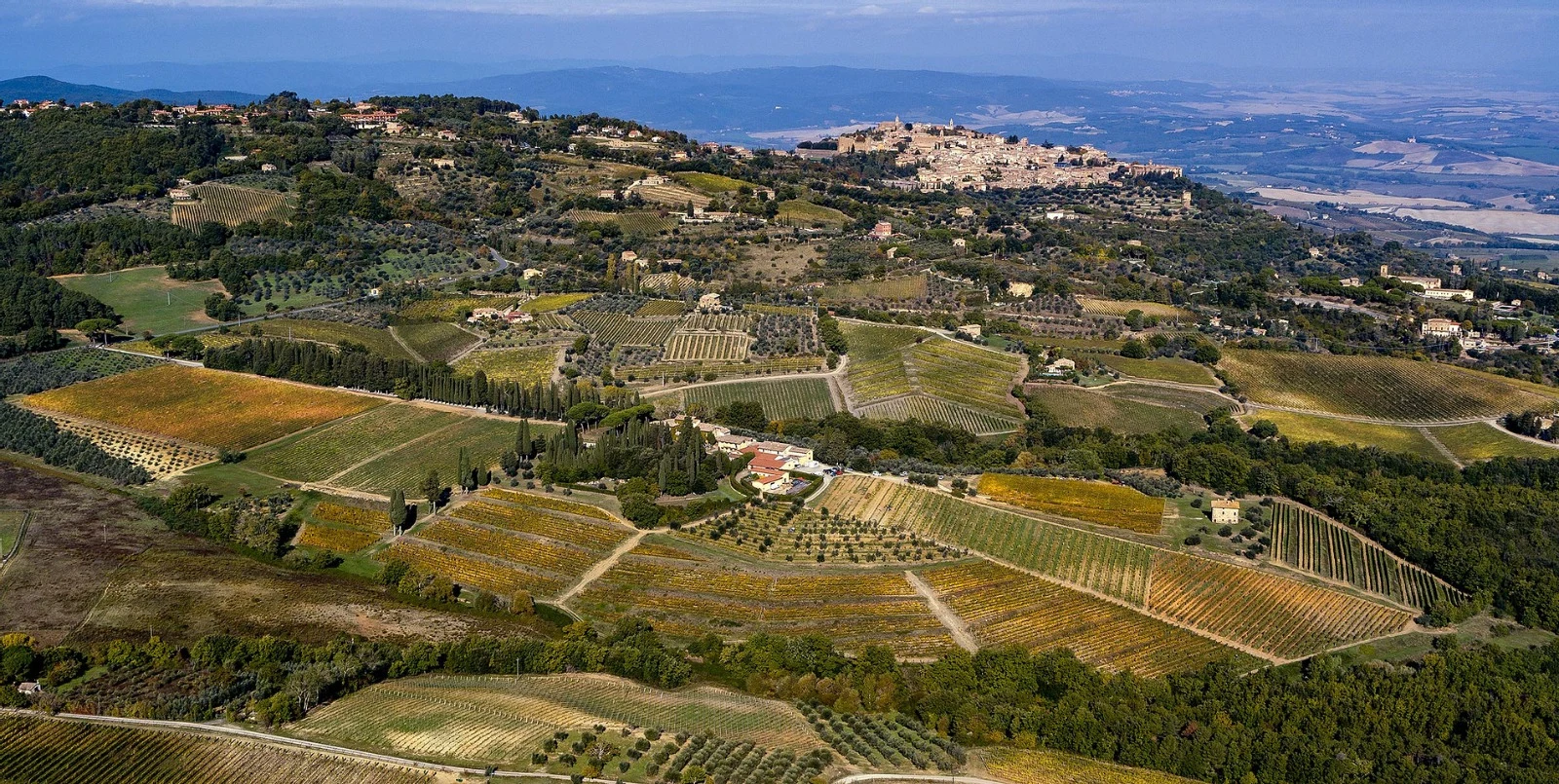
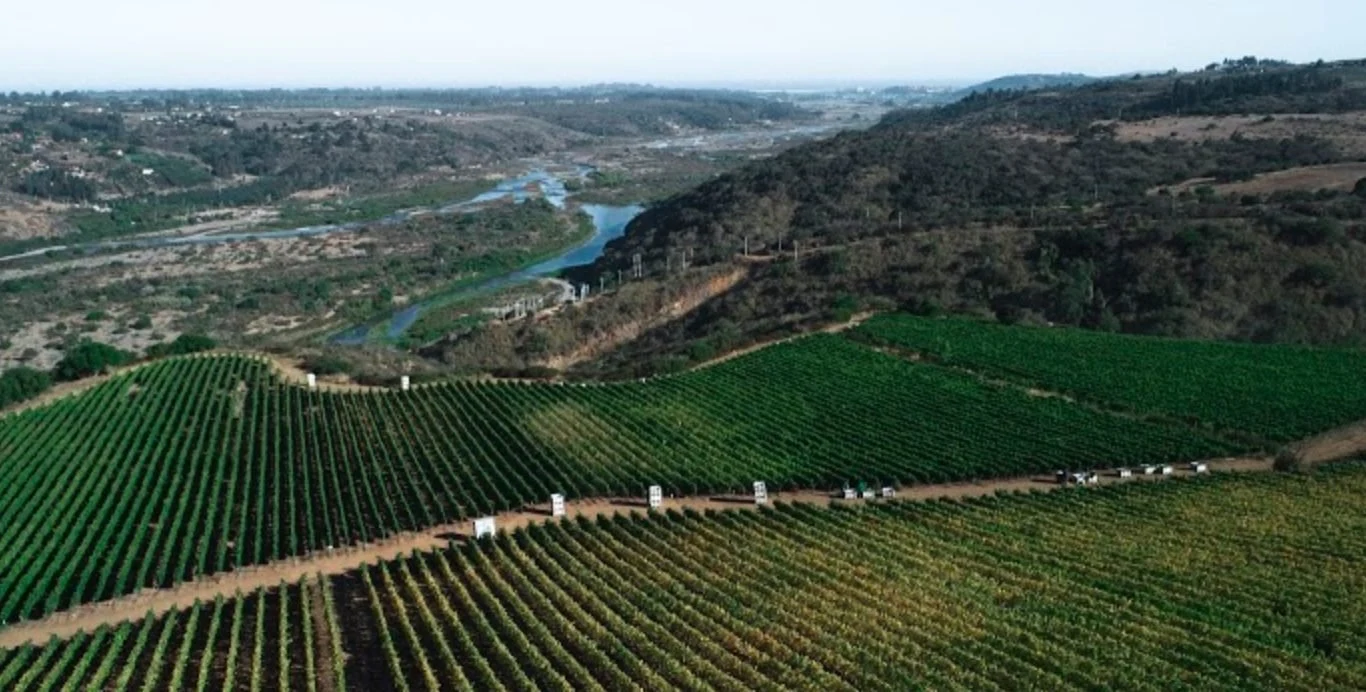
The San Antonio Valley sits closer to the Pacific Ocean than almost any other Chilean wine-producing zone, and that proximity defines everything that happens in the vineyard. Marine fog pushes inland through the Coastal Range each morning, suppressing daytime temperatures and extending the growing season by weeks compared to inland valleys like Maipo or Colchagua. The result is a slow, even ripening curve that preserves acidity and aromatic complexity in ways that warmer Chilean appellations structurally cannot replicate. Viña Garcés Silva, working under the Amayna label, built its entire production logic around that coastal reality. The winery earned a Pearl 1 Star Prestige award in 2025.
For context on how San Antonio fits into the broader Chilean wine picture: the valley was largely overlooked by the industry's export machine for decades, which concentrated investment and marketing energy on the warmer, more accessible Central Valley corridors. The push into coastal viticulture came later, driven by producers who recognised that Chile's proximity to the Pacific gave it a natural advantage in cool-climate varieties. San Antonio, alongside the adjacent Leyda sub-valley, became the address where that argument got made most forcefully. Viña Leyda occupies the same appellation and represents an instructive peer comparison: both producers work the same coastal fog belt, and tasting across both labels gives a clear picture of what the valley's terroir delivers consistently versus what individual production choices add on leading.
Across Chilean fine wine, the conversation around organic and low-intervention viticulture has shifted considerably over the past decade. What was once a fringe position held by a small number of producers has become a mainstream commitment at the upper tier of the market, driven partly by international buyer pressure and partly by the growing evidence that coastal Chilean soils, with their natural drainage and lower disease pressure than humid inland zones, are well-suited to reduced chemical input farming. The San Antonio Valley's dry summers and persistent coastal winds create conditions where vine disease management is inherently easier than in wetter regions, lowering the practical cost of organic transition for producers willing to invest the initial labour.
Amayna's production approach sits within this broader regional shift. The winery's focus on expressing site-specific character through careful canopy management and soil health practices reflects a commitment that goes beyond compliance with a certification framework. Across the international wine circuit, the producers earning sustained collector attention at this price and recognition tier tend to share a common attribute: they have a clear, defensible argument for why their vineyard expresses place rather than process. For the San Antonio Valley as a whole, that argument rests on the interaction between marine influence, granitic and clay soils, and low-intervention farming that allows the vine to respond to its actual environment rather than a managed approximation of it. For reference on how comparable sustainability commitments play out in North American fine wine contexts, the work at Adelaida Vineyards in Paso Robles and Adelsheim Vineyard in Newberg offers useful comparisons in terms of how organic and biodynamic practice shapes both vineyard character and market positioning.
The Amayna label functions as the primary expression of Viña Garcés Silva's estate fruit, and it occupies a specific position in the international cool-climate conversation. San Antonio's strengths lie in Sauvignon Blanc and Pinot Noir, the two varieties whose global benchmarks come from regions with similar temperature profiles: the Loire Valley, Burgundy, Marlborough, and coastal California. The competitive set for Amayna therefore extends well beyond Chile. A wine buyer sourcing Pinot Noir for a serious restaurant list is comparing it not just against other Chilean labels but against entry-level Burgundy, Central Otago, and Sonoma Coast.
Within the Chilean market, the winery sits in a smaller tier of estate-focused coastal producers who have chosen depth of expression over volume. That is a different commercial model from the large Central Valley exporters who dominate the sub-fifteen-dollar international category. Producers at this level, including peers like those found across the Leyda sub-valley, typically release limited quantities of single-vineyard or estate-designated wines that reward the kind of vintage-by-vintage tracking that serious collectors apply to Burgundy or northern Rhône addresses.
The San Antonio Valley is defined by its wine production, but for visitors planning a broader itinerary around the region, it is worth noting that the wider Texas and Chilean craft production scene has expanded significantly. In Texas specifically, the spirits sector has developed a distinct identity over the past decade. Devils River Distillery, Maverick Whiskey, Ranger Creek Brewing and Distilling, and Rebecca Creek Distillery represent a cluster of craft producers that have given San Antonio a genuine artisan spirits identity alongside its wine culture.
For producers working at the other end of the appellation and variety spectrum, the work at Alban Vineyards in Arroyo Grande on Rhône varieties and Andrew Murray Vineyards in Los Olivos on similar cool-to-moderate climate expressions offer useful comparative drinking for those trying to calibrate where Amayna's coastal Chilean character sits on the global cool-climate map. For Old World comparison points, the historic depth of Achaia Clauss in Patras and the whisky tradition at Aberlour serve as reminders that estate identity and long production history anchor a wine or spirit's reputation in ways that vintage-by-vintage recognition alone cannot. Alexander Valley Vineyards in Geyserville provides another angle on how a committed estate producer builds identity over decades within a defined appellation.
The winery's own website and direct contact will carry the most current information on tasting appointments, export purchasing, and any on-site visit protocols. Chilean estate wineries at this production tier generally operate by appointment rather than open cellar-door formats, so advance planning is worth building into any itinerary. For a broader picture of what the San Antonio region offers in terms of dining, accommodation, and complementary experiences alongside its wine culture, the full San Antonio guide covers the wider field in detail.
Viña Garcés Silva (Amayna) has received recognition including: Pearl 1 Star Prestige (2025).
The Amayna label is the estate's primary expression, drawing on San Antonio Valley fruit grown closer to the Pacific Ocean than almost any other Chilean wine zone. That coastal proximity produces cool-climate whites and reds with pronounced acidity and restraint.
The estate earned a Pearl 1 Star Prestige in 2025, the clearest external signal of where it sits in the Chilean fine wine comparable set. What distinguishes it structurally is the San Antonio Valley address: the appellation's ocean proximity drives the cool temperatures that separate Amayna's fruit profile from inland Chilean estates. Sustainability is a production framework here, not a communication strategy.
Reaching out through the winery's official channels before any visit is the sensible approach, particularly given that estates of this profile in the San Antonio Valley typically require advance scheduling for tastings.
Viña Garcés Silva (Amayna)
Viña Leyda
Maverick Whiskey
Rebecca Creek Distillery
Ranger Creek Brewing & Distilling
Devils River Distillery