Chaoyang's Quieter Register
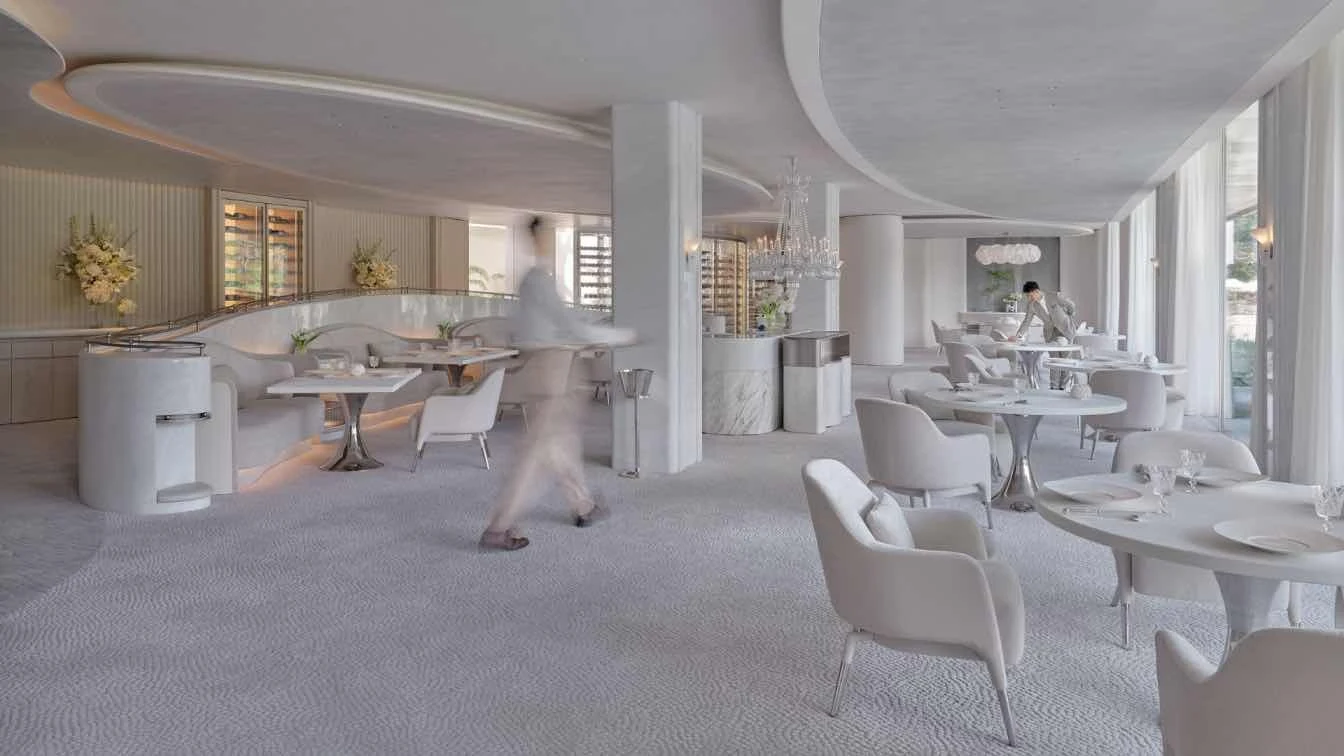
The stretch of Gongti Bei Lu in Chaoyang is better known for its nightlife circuit than for considered dining. Which makes the first-floor address of Wulixiang, inside a commercial centre, an exercise in deliberate understatement. There is no street-facing theatre. The entrance rewards those who already know to look for it.
Chaoyang houses several of the capital's most serious restaurants. Xin Rong Ji on Xinyuan South Road anchors the Taizhou seafood end of the market at the ¥¥¥¥ tier. Chao Shang Chao occupies a comparable price point in Chaozhounese cooking. Wulixiang sits inside this same district's premium dining conversation, though the format merits confirmation directly.
The Sunday email
Read about the people behind restaurants like Wulixiang in the Sunday email.
Every Sunday we send a lead story and up to four more about the chefs, winemakers, sommeliers and hoteliers behind the restaurants, bars, wineries and hotels we cover.
Recent stories
Free. One email a week, and you can unsubscribe from any issue.
The Architecture of a Progressive Meal
The concept of a meal that builds, that moves through textures, temperatures, and intensities rather than presenting dishes as isolated events, has deep roots in Chinese banquet tradition. In the capital, that tradition has been pulled in two directions simultaneously: toward the state-banquet formality of old Beijing cuisine, and toward the lighter, more produce-led approach associated with coastal regional cooking. The most interesting addresses in the city's current dining scene tend to sit somewhere between those poles, using classical Chinese sequencing while drawing on ingredients and techniques that resist easy regional labelling.
Wulixiang's name itself carries weight in that context. The phrase gestures toward a sensory layering, five fragrances, or rather the idea that a meal is composed rather than assembled. Whether the kitchen delivers that promise through a formal tasting format or a more fluid à la carte progression should be confirmed at the time of booking. What the address signals is a kitchen operating at a measured remove from the capital's more visible fine dining circuit.
Across China's premium dining tier, the tasting progression has become a structuring device in many serious kitchens. At 102 House in Shanghai, the progression is built around a philosophy of seasonal restraint. At Chef Tam's Seasons in Macau, Cantonese technique anchors the arc. In Beijing, the equivalents tend to lean into northern ingredients: game, fermented pastes, dried aromatics, and root vegetables that appear in mid-meal sequences with a different kind of weight than the delicate preparations that open and close.
Beijing's Premium Dining in Competitive Frame
To place Wulixiang accurately, it helps to understand how Beijing's premium restaurants are distributed. The ¥¥¥¥ segment, where addresses like Lamdre and Jingji operate, is characterised by high specificity of concept, whether that is regional cuisine executed to a strict brief or a vegetarian format with serious kitchen credentials. King's Joy has long demonstrated that Beijing's premium vegetarian space carries its own philosophical and aesthetic weight. These venues compete not on comfort or convenience but on the coherence of what they are presenting.
The wider picture across Chinese cities confirms that this pattern is not unique to the capital. Xin Rong Ji in Chengdu brings Taizhou seafood rigour to a Sichuan market. Ru Yuan in Hangzhou and Imperial Treasure Fine Chinese Cuisine in Guangzhou each demonstrate how regional tradition translates into the premium urban format. Dai Yuet Heen in Nanjing, Dingshan·Jiangyan in Suzhou, Fleurs Et Festin in Xiamen, Jiangnan Wok·Rong in Fuzhou, and Shang Palace in Yangzhou collectively illustrate that the serious Chinese dining tier is now distributed evenly across second and third-tier cities, not concentrated in Beijing and Shanghai. Against that backdrop, a Beijing address that maintains a deliberately low profile, no aggregator dominance, limited press, is either very new or very selective about its audience.
For comparison beyond China, the progressive tasting format at its most technically exacting appears in venues like Le Bernardin in New York City and Atomix in New York City, both of which demonstrate how a commitment to sequencing and hospitality precision becomes the product itself, independent of any single dish. The principle translates across culinary traditions.
Questions
Frequently asked
Who works at Wulixiang?
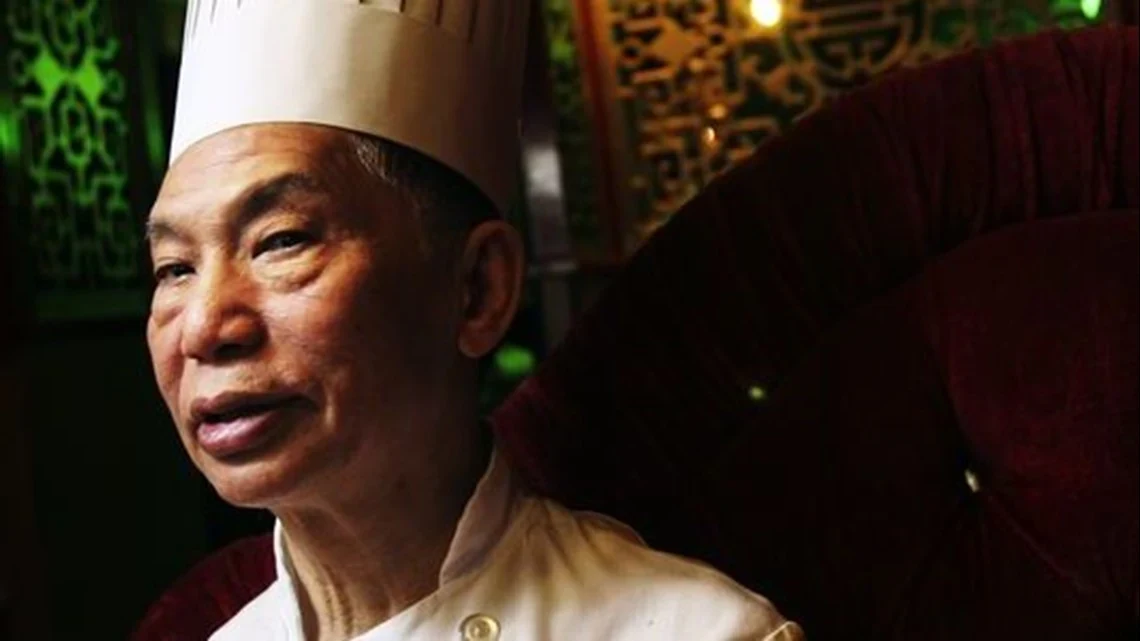
Made By profiles Kam Siew Ton (Chef) at Wulixiang.
How expensive is Wulixiang?
Wulixiang is listed at a price level of $$$.
Where is Wulixiang and what does it serve?
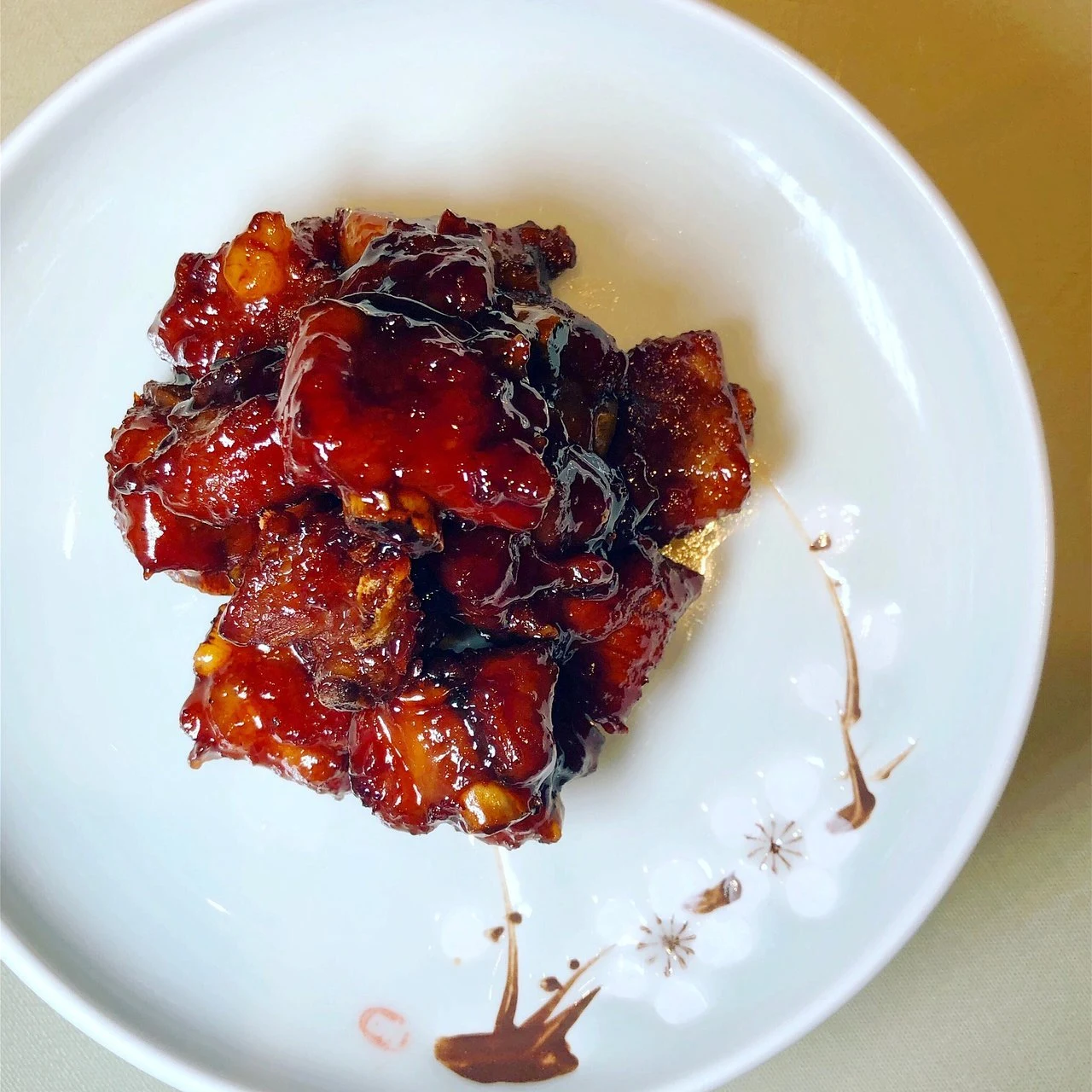
Wulixiang is in Tuanjiehu, Beijing, serving Traditional Shanghainese.
The field
How it compares
| Place | Cuisine | Notes | Awards |
|---|---|---|---|
| Wulixiang | Traditional Shanghainese | Tuanjiehu, $$$ | · |
| Blackswan | Modern French Fine Dining | Beijing | Michelin 1 Star |
| Chef 1996 | Refined Sichuan Fine Dining | Beijing | 50 Best |
| Gastro Esthetics DaDong | Modern Chinese - Peking Duck Haute Cuisine | Beijing | Michelin 1 Star |
| Jing | Modern French with Asian Influences | Beijing | Michelin 1 Star |
| King's Joy | Modern Vegetarian Chinese Fine Dining | Beijing | Michelin 2 Stars |
| Lamdre | Modern Plant-Based Chinese Vegetarian | Beijing | Michelin 1 Star, 50 Best |
Similar places
Modern French Fine Dining
Blackswan
Beijing, China
★
Refined Sichuan Fine Dining
Chef 1996
Beijing, China
50 Best
Modern Chinese - Peking Duck Haute Cuisine
Gastro Esthetics DaDong
Beijing, China
★
Modern French with Asian Influences
Jing
Beijing, China
★
Modern Vegetarian Chinese Fine Dining
King's Joy
Beijing, China
★★
Modern Plant-Based Chinese Vegetarian
Lamdre
Beijing, China
★ · 50 Best
The Sunday email
Read about the people behind restaurants like Wulixiang in the Sunday email.
Every Sunday we send a lead story and up to four more about the chefs, winemakers, sommeliers and hoteliers behind the restaurants, bars, wineries and hotels we cover.
Recent stories
Free. One email a week, and you can unsubscribe from any issue.