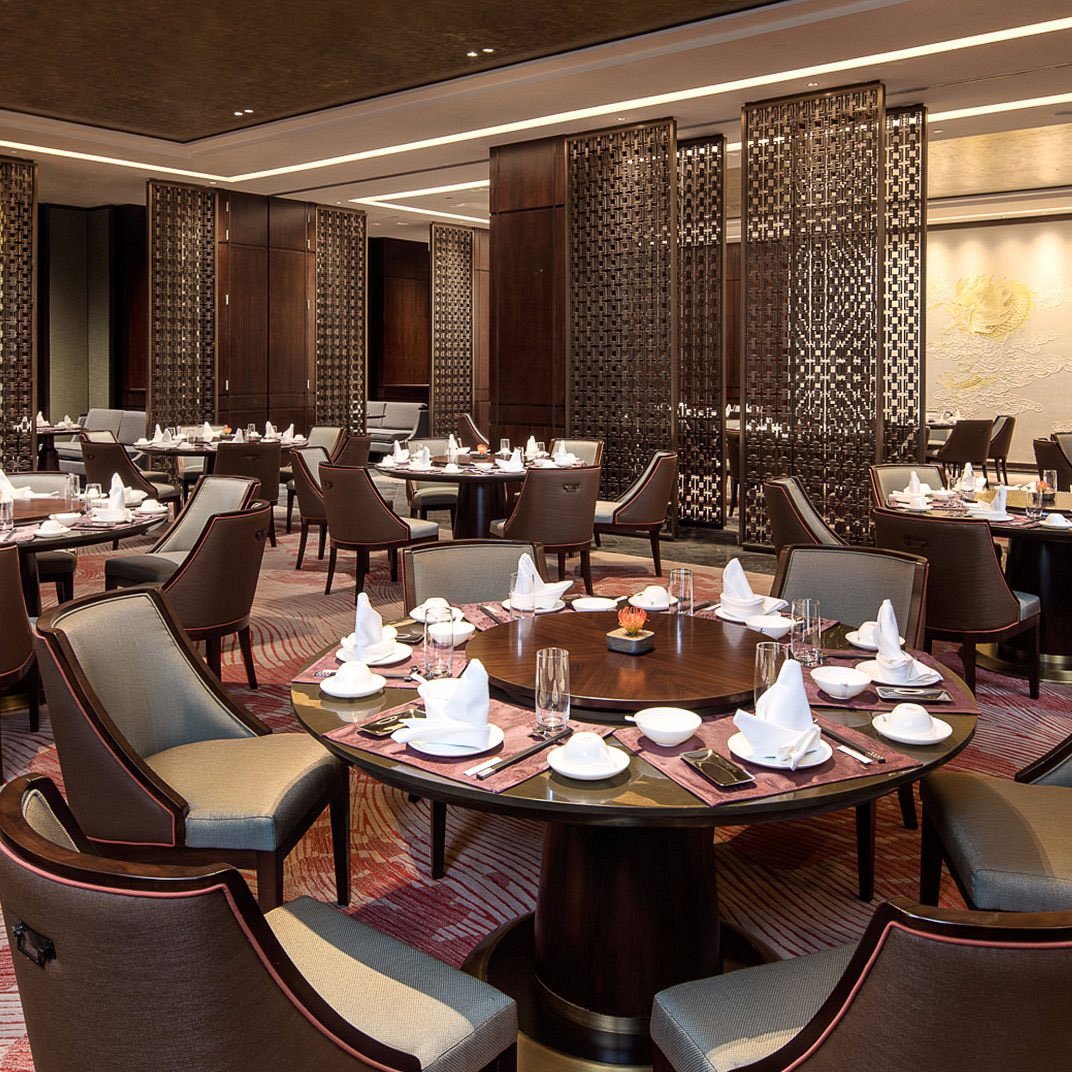
Made ByRestaurant
Xiao Cheng Xi

Chef in Residence
Hudson Rouse
Chef
- 01CuisineTraditional Fujian Minnan Cuisine
- 02CityXiamen, China
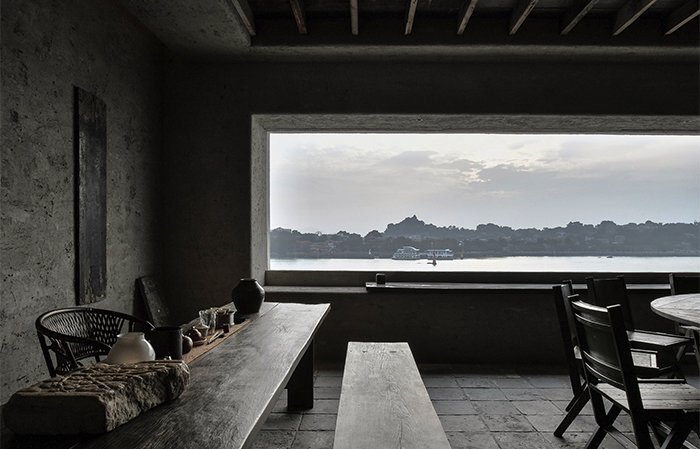
A Michelin Bib Gourmand recipient in both 2024 and 2025, Xiao Cheng Xi occupies a rooftop perch in Xiamen's Siming District with views across to Gulangyu Island. The menu centres on Minnan cooking, taro dumplings, salt-baked fish, and the kind of regional specificity that earns sustained recognition. An evening puppet show runs alongside dinner, anchoring the meal in Fujian cultural tradition.
- Michelin Bib Gourmand
At a glance
- Cuisine
- Traditional Fujian Minnan Cuisine
- Price
- $$
- Per person
- $20
- Hours
- Mon: 10 AM–10 PM; Tue: 10 AM–10 PM; Wed: 10 AM–10 PM; Thu: 10 AM–10 PM; Fri: 10 AM–10 PM; Sat: 10 AM–10 PM; Sun: 10 AM–10 PM
- Neighborhood
- Siming
- Rating
- 4.7 (20)
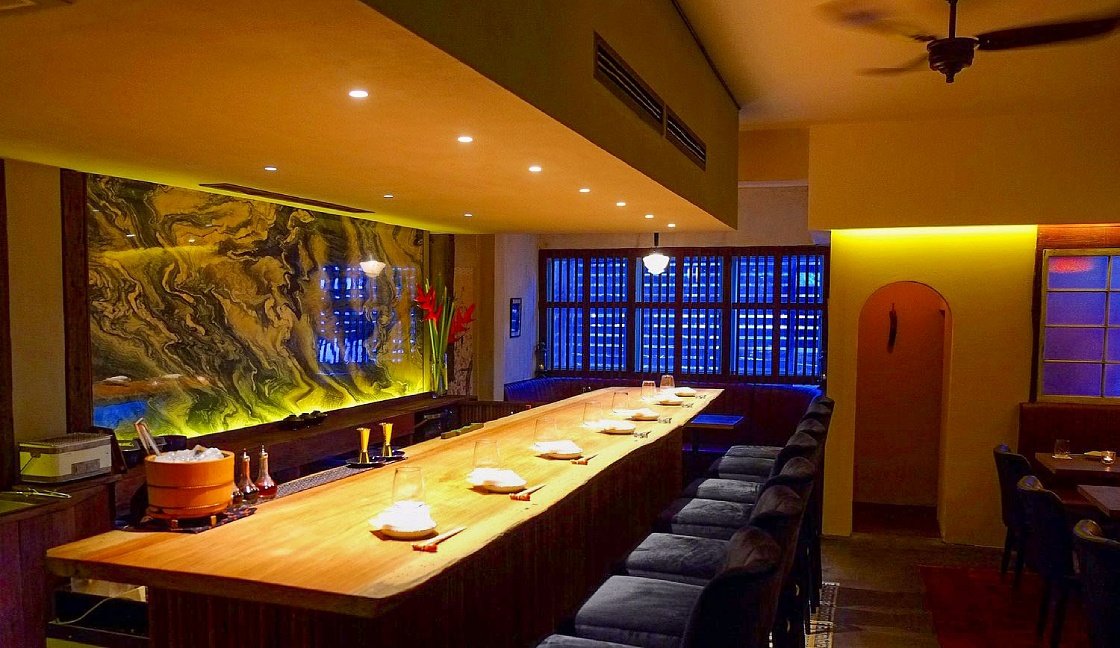
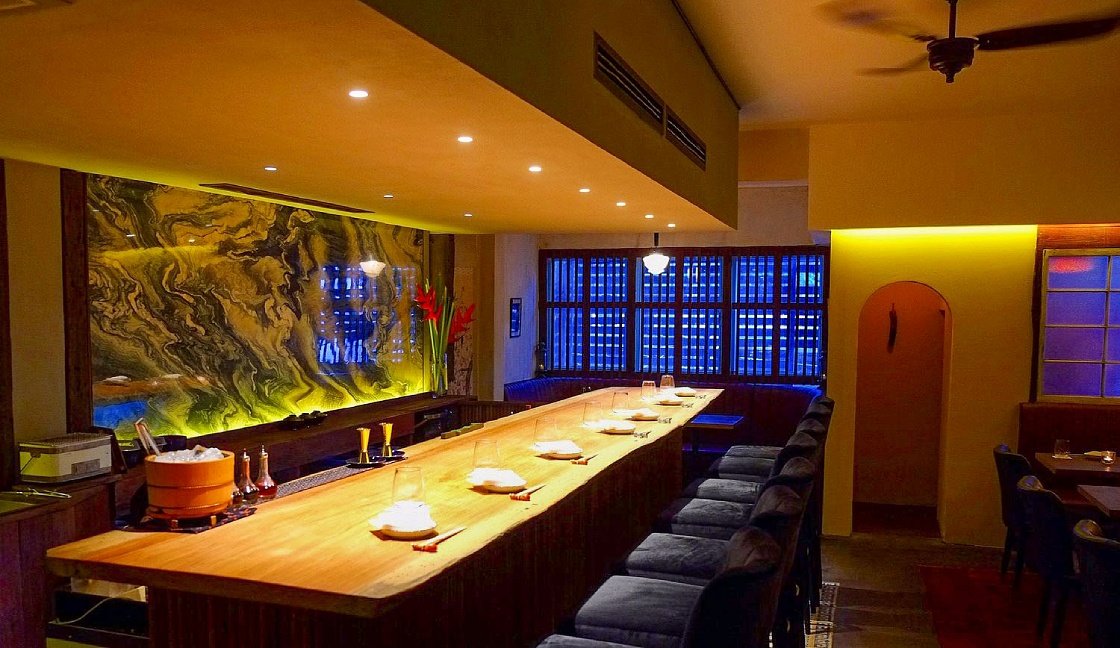
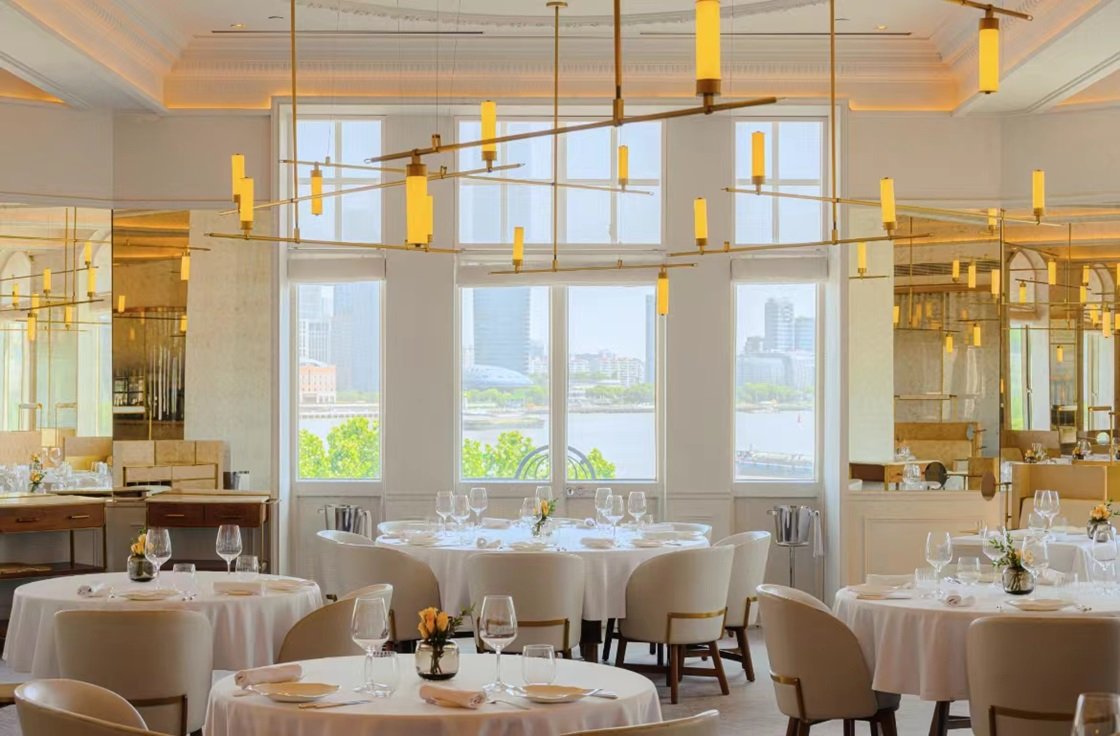
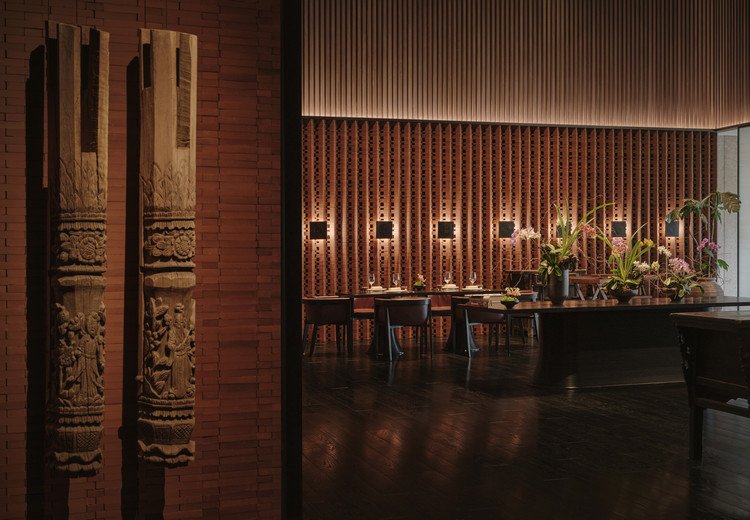
<h2>Rooftop Minnan: Where Gulangyu Views Meet Fujian Culinary Tradition</h2><p>There is a particular quality of light over the Xiamen strait in the early evening, when the colonial rooflines of Gulangyu begin to soften against the sky and the ferry traffic slows. Xiao Cheng Xi, positioned on a rooftop along Xiahe Road in Siming District, makes that view central to the dining proposition, but the room earns its standing through what lands on the table, not just what lies beyond the parapet. The architecture inside is a deliberate reconstruction of ancient Fujian style: stone arches, a water feature, and lush greenery that reference the region's built heritage rather than perform a generic Chinese aesthetic. The effect is a room that feels specific to place, which matters when the menu is equally rooted.</p><h2>Minnan Cooking and What the Bib Gourmand Signals</h2><p>Michelin's Bib Gourmand designation, awarded to Xiao Cheng Xi in both 2024 and 2025, recognizes quality food at accessible prices. In Xiamen's Fujian dining scene, that distinction is meaningful. The city has a mid-range tier of Minnan restaurants that can blur into interchangeable seafood menus, and the Bib recognition functions as a sorting mechanism, it identifies places where the cooking shows genuine technical care alongside regional fidelity. Xiao Cheng Xi sits in that smaller, recognised bracket, with a Google rating of 4.7 from verified reviewers reinforcing the consistency the awards suggest.</p><p>Minnan cuisine, the cooking tradition of southern Fujian, rooted in what is sometimes called Hokkien food culture, is built on umami depth, careful treatment of seafood, and a lighter hand with chilli than the cuisines that surround it. The deep-fried taro dumpling with pork filling is a technical marker: the taro shell requires precise control of oil temperature to achieve the characteristic lacework crust, and the filling balance defines how well the kitchen understands the dish's structural logic. Salt-baked Japanese scad, another menu reference point here, is a preparation that works with the fish's natural oil content rather than against it, a technique that rewards restraint and an accurate reading of the ingredient.</p><p>For those mapping the Fujian dining scene across the region, the Minnan tradition at Xiao Cheng Xi connects to broader conversations about how southern Chinese coastal cooking is being documented and served at this moment. <a href="https://www.enprimeurclub.com/restaurants/wenru-no9-fuzhou-restaurant">Wenru No.9 in Fuzhou</a> approaches the northern end of Fujian cuisine, while <a href="https://www.enprimeurclub.com/restaurants/hokkien-cuisine-chengdu-restaurant">Hokkien Cuisine in Chengdu</a> shows how this regional tradition travels inland. Within Xiamen itself, <a href="https://www.enprimeurclub.com/restaurants/hokklo-xiamen-restaurant">Hokklo</a> and <a href="https://www.enprimeurclub.com/restaurants/1927-dong-yuan-si-chu-xiamen-restaurant">1927 Dong Yuan Si Chu</a> represent adjacent points on the city's Fujian dining spectrum.</p><h2>Tea as the Silent Organiser of the Table</h2><p>Any serious reading of Minnan cuisine requires taking Fujian tea culture into account. The province is the origin point of oolong production in China, tieguanyin comes from Anxi in western Fujian, and the gongfu cha ceremony, the practice of repeated short steeps in small vessels, developed here as a way of drawing out the layered aromatics in these tightly rolled leaves. That tradition shapes how a thoughtful Minnan meal moves: tea punctuates the courses, cuts through oil, and resets the palate between the umami weight of a pork-filled dumpling and the cleaner salinity of a salt-baked fish.</p><p>At a rooftop table with the Gulangyu view in front of you, the gongfu format also sets a pace. The repeated pouring, the small cups, the attention required to assess each successive steep, these are the opposite of efficiency, and that friction is the point. A meal here that incorporates proper tea service runs considerably longer than a quick Fujian seafood dinner, and the evening puppet show, staged after dark, fits into that unhurried rhythm. The show is not incidental entertainment bolted onto a restaurant concept; it is a gesture toward the performance traditions of southern Fujian, where glove puppetry carries a history stretching back centuries.</p><p>For travellers curious about how Fujian tea culture connects to a wider Chinese fine-dining context, the thread runs through restaurants like <a href="https://www.enprimeurclub.com/restaurants/ru-yuan-hangzhou-restaurant">Ru Yuan in Hangzhou</a> and reaches into the more formal mainland Chinese dining rooms such as <a href="https://www.enprimeurclub.com/restaurants/xin-rong-ji-xinyuan-south-road-beijing-restaurant">Xin Rong Ji in Beijing</a>, where tea pairings are part of the service architecture. At Xiao Cheng Xi, the scale is different and the price point is Bib Gourmand rather than starred, but the underlying logic of tea-as-structure applies at every level of formality.</p><h2>Placing Xiao Cheng Xi in the Xiamen Mid-Range</h2><p>At the ¥¥ price range, Xiao Cheng Xi occupies the same tier as Chic 1699 among Fujian-focused restaurants in Xiamen, sitting above the ¥ end of the market represented by venues like <a href="https://www.enprimeurclub.com/restaurants/bai-jia-chun-hao-de-lai-jiang-mu-ya-zhongxing-road-xiamen-restaurant">Bai Jia Chun Hao De Lai Jiang Mu Ya on Zhongxing Road</a> and <a href="https://www.enprimeurclub.com/restaurants/a-zhong-shi-fang-xiamen-restaurant">A Zhong Shi Fang</a>. What the Bib Gourmand designation clarifies is that ¥¥ here delivers recognised quality rather than simply a higher check average, a distinction worth making in a city where rooftop positioning and harbour views can carry a premium that the cooking does not always justify.</p><p>Comparable Fujian-rooted restaurants elsewhere in China's major cities, including <a href="https://www.enprimeurclub.com/restaurants/xin-rong-ji-chengdu-restaurant">Xin Rong Ji in Chengdu</a> and <a href="https://www.enprimeurclub.com/restaurants/imperial-treasure-fine-chinese-cuisine-guangzhou-restaurant">Imperial Treasure Fine Chinese Cuisine in Guangzhou</a>, operate at higher price brackets and with starred recognition. The Bib tier at Xiao Cheng Xi represents a different access point to the same culinary lineage: regional Fujian cooking taken seriously, in a room designed with care, at a price that does not require the kind of planning a starred dinner demands.</p><p> Those visiting Xiamen with broader regional Chinese dining interests may also find reference points in <a href="https://www.enprimeurclub.com/restaurants/102-house-shanghai-restaurant">102 House in Shanghai</a> and <a href="https://www.enprimeurclub.com/restaurants/chef-tams-seasons-macau-restaurant">Chef Tam's Seasons in Macau</a>, where southern Chinese cooking traditions are brought into formal contemporary formats.</p><h2>Planning Your Visit</h2><p>Xiao Cheng Xi is located at Xiahe Road in Siming District, Xiamen, accessible from the central city and a reasonable approach route from the Gulangyu ferry terminal for visitors already spending time on the island. Booking in advance is recommended, particularly for evening tables. The ¥¥ pricing means the restaurant draws both local regulars and visiting travellers, which keeps demand steady across the week. Arriving around dusk works well for the view. <a href="https://www.enprimeurclub.com/restaurants/yanyu-jiahe-road-xiamen-restaurant">Yanyu on Jiahe Road</a> is another Xiamen option worth considering if dates at Xiao Cheng Xi are not available.</p>
Know before you go
- Dress code
- smart_casual
- Reservations
- recommended
- Outdoor seating
- Yes
- Groups
- Welcomed
Frequently asked
Which chef is Xiao Cheng Xi associated with?
The chef associated with Xiao Cheng Xi is Hudson Rouse.
What's the must-try dish at Xiao Cheng Xi?
The deep-fried taro dumplings with pork filling are the clearest expression of Minnan cooking here — crisp shell, savoury filling, and a technique rooted in Fujian home tradition. The salt-baked Japanese scad is equally worth ordering: the method draws out the fish's natural oils rather than masking them. Both dishes appear on the Michelin Bib Gourmand-recognised menu for 2024 and 2025.
What does dinner at Xiao Cheng Xi typically cost?
Pricing at Xiao Cheng Xi is listed as ¥¥.
Where is Xiao Cheng Xi located?
Xiao Cheng Xi is located at F35C+6MH, Xiahe Rd, Siming District, Xiamen, Fujian, China, 361001, Xiamen.
Is Xiao Cheng Xi Michelin-listed?
Xiao Cheng Xi has received recognition including: By the pier, this roof-top dining room commands gorgeous views of Gulangyu. The owner chose to re-create the ancient Fujian-style architecture and landscaping in his stunning venue, complete with a water feature, lush greenery and stone arc….
How hard is it to get a table at Xiao Cheng Xi?
Xiao Cheng Xi draws consistent demand as a two-year Michelin Bib Gourmand holder in Siming District, and the rooftop setting with Gulangyu views adds pressure on weekend evenings in particular. Booking ahead is advisable, especially if you want the evening slot when the puppet show runs.
Address
F35C+6MH, Xiahe Rd, Siming District, Xiamen, Fujian, China, 361001
Siming
How it compares
- Cuisine
- Traditional Fujian Minnan Cuisine
- Price
- $$
- Notes
- Siming
- Cuisine
- Minnan Sand-Cooked Fujian Cuisine
- Price
- $$
- Notes
- Siming
- Cuisine
- Beef Noodle Soup Specialist
- Price
- $$
- Notes
- Huli
Bai Jia Chun Hao De Lai Jiang Mu Ya (Zhongxing Road)
- Cuisine
- Traditional Fujian Ginger Duck
- Price
- $$
- Notes
- Siming
- Cuisine
- Sichuan Cuisine from Zigong
- Price
- $$
- Notes
- Huli
- Cuisine
- Modern Fujian Minnan Seafood
- Price
- $$
- Notes
- Siming