A Sichuan restaurant operating inside a Fujian red-brick mansion in Xiamen's Siming District, Panda's specialises in the cuisine of Zigong, the salt-industry city that gives Sichuan cooking some of its most distinctive condiment traditions. Both owner and chef hail from Sichuan, and most condiments are shipped directly from the province. Michelin Bib Gourmand in 2024 and 2025, with a Google rating of 4.7.
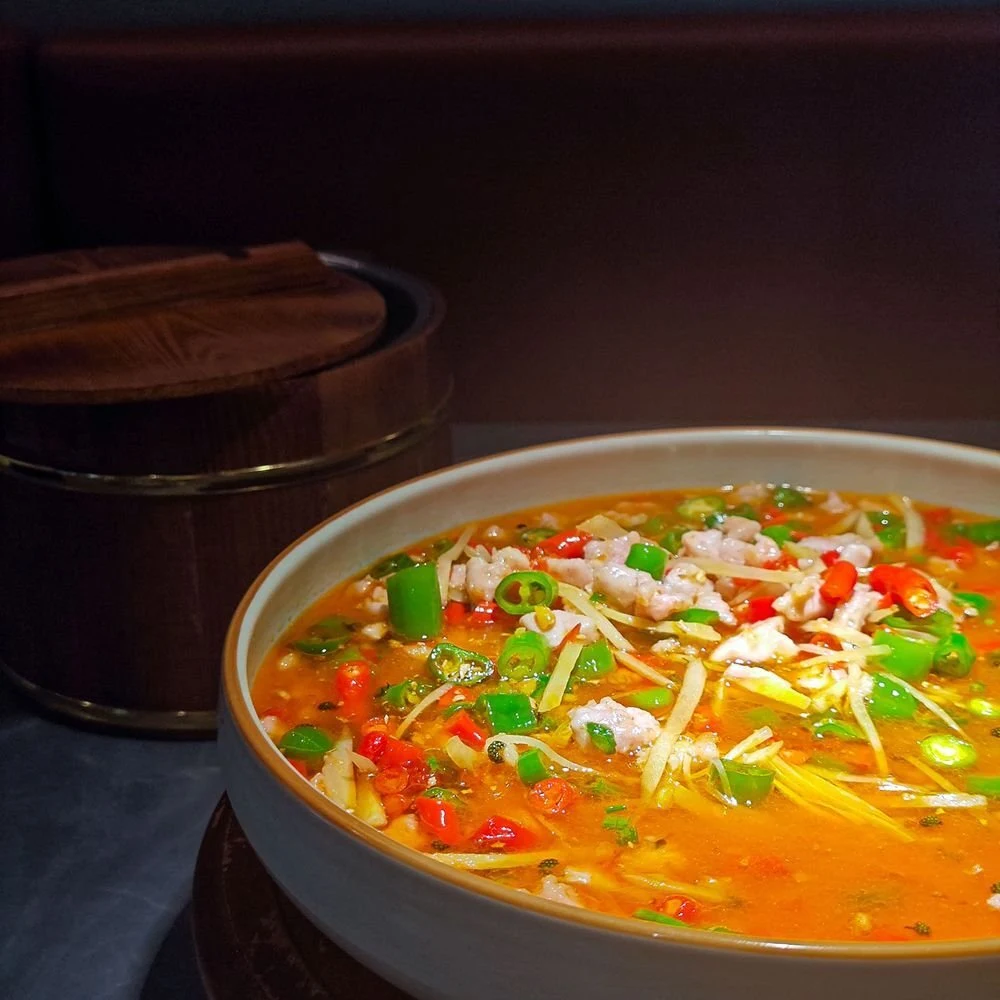
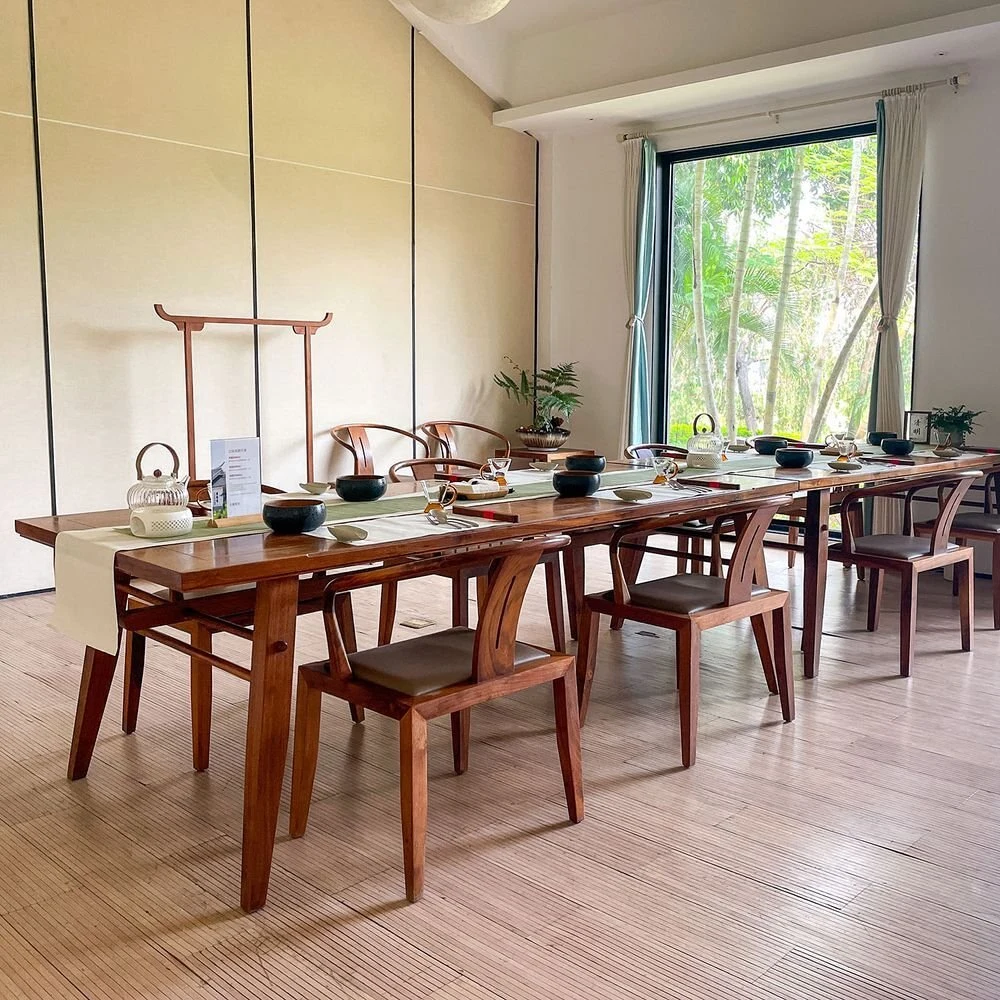
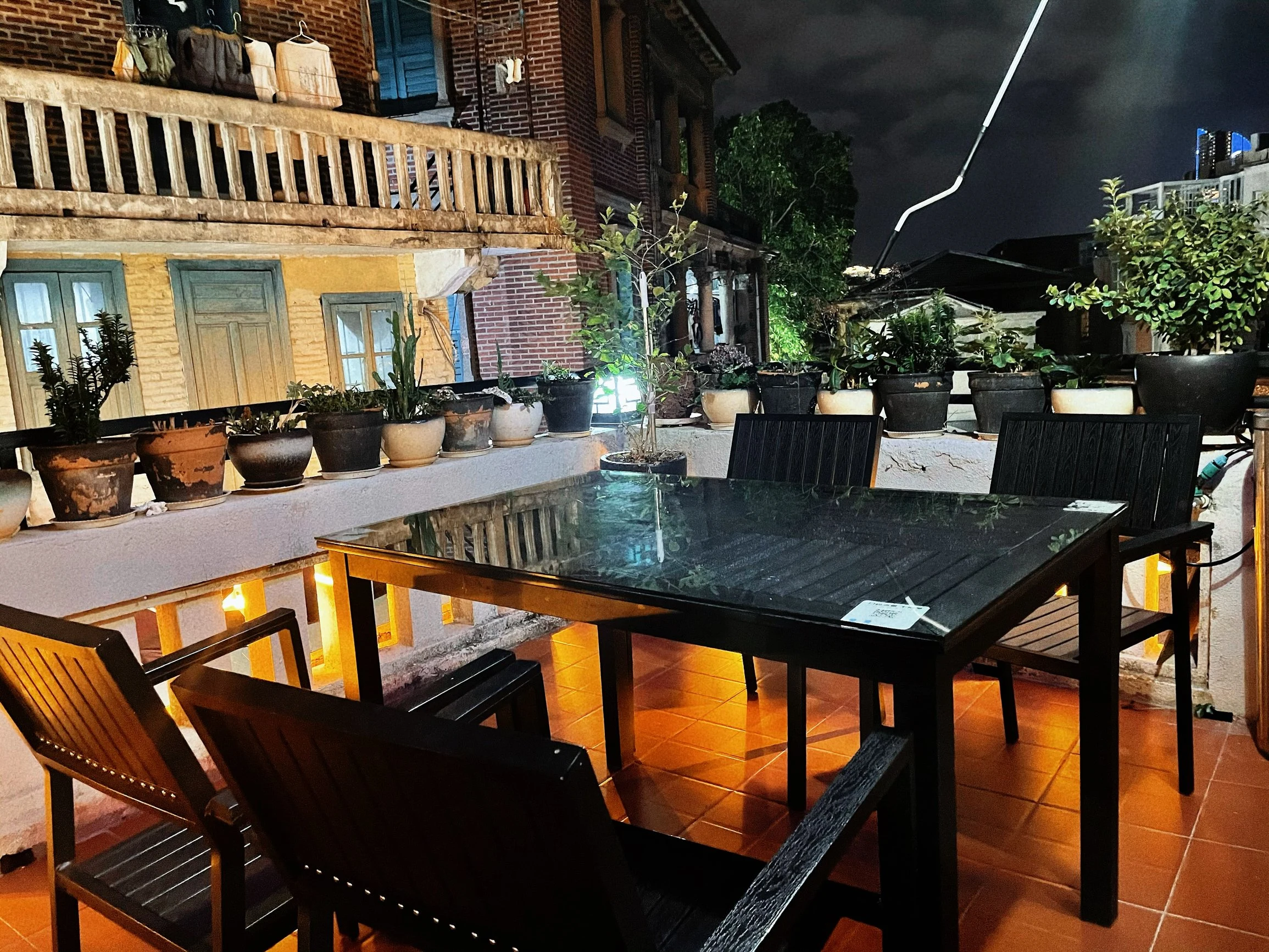
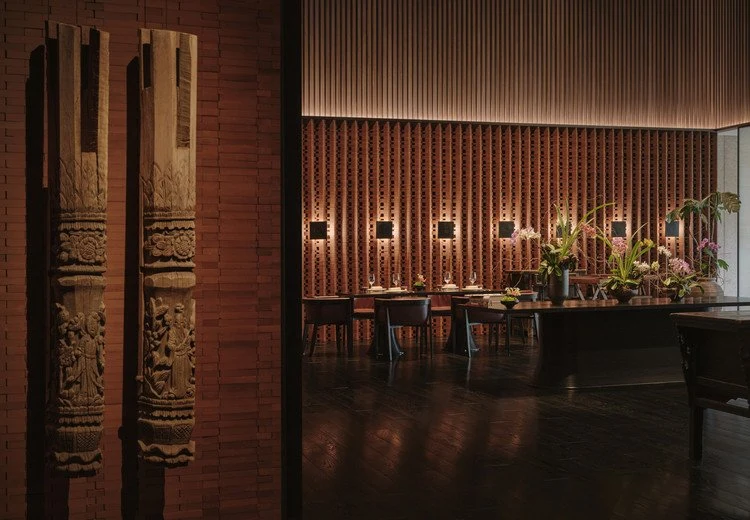
<h2>A Sichuan Table Inside a Fujianese Shell</h2><p>The tension between container and contents is immediate at Panda's. The building is a Fujian red-brick mansion of the kind that defines older residential Xiamen, its thick walls and courtyard proportions a product of the Minnan architectural tradition. Step inside and the interior shifts register: a black, white, and timber framework punctuated by deliberate pops of red, a colour palette that carries the heat associations of Sichuan without resorting to the loud signage of a chain. The contrast is not accidental. Xiamen's dining scene has long absorbed cuisines from other provinces, but few restaurants make the cross-regional dialogue as spatially legible as this one.</p><p>Panda's sits at the mid-range price tier for Xiamen dining (¥¥). Where those addresses work squarely within Fujian's seafood and fermentation traditions, Panda's imports its logic from inland China, from a city most visitors to Sichuan never reach.</p><h2>Zigong: The Salt City That Shaped a Cuisine</h2><p>Sichuan cooking is not a monolith. The province's cuisine fractures into regional sub-styles, and Zigong, the salt-mining city in southern Sichuan, produced one of the most distinctive. Salt determined everything in Zigong's food culture: how proteins were preserved, how vegetables were pickled, how condiments were layered. The result is a style of cooking that is technically Sichuan in its use of doubanjiang, Sichuan peppercorn, and dried chilli, but inflected by a salting and pickling logic that separates it from Chengdu's more mainstream restaurant vocabulary.</p><p>Both owner and chef at Panda's are Sichuan natives, and the kitchen's commitment to sourcing is concrete rather than rhetorical: most condiments are shipped directly from Sichuan. In a coastal city where ingredient supply chains default to local produce, that decision signals both authenticity and operational effort. Panda's operates at the Bib Gourmand level, which is a different tier of formality but not of seriousness.</p><h2>The Arc of a Meal at Panda's</h2><p>Meals at Panda's are best understood through a sequence of registers, moving from preserved-ingredient acidity into fat-rich umami and then the numbing heat of Sichuan pepper. The kitchen's noted dishes frame that progression clearly.</p><p>The chilli fish roes arrive as a study in contrast: the soft, granular texture of roe against the dry fragrance of chilli oil, a preparation that requires confident seasoning to avoid the dish collapsing into one-note heat. This is the kind of opening that tells you whether a Sichuan kitchen has calibrated its spice or simply deployed it.</p><p>Fish maws with pickled cabbage and ginger occupy the mid-course position, and here the Zigong salt tradition becomes explicit. Pickled cabbage in Sichuan cooking carries a different character than the Cantonese or Shanghainese versions: sharper, more aggressively sour, with a fermentation profile that cuts through the gelatinous fat of the fish maw. The ginger acts as a brake on both the richness and the acidity, a three-way balancing act that is simple to describe and difficult to execute.</p><p>The diced rabbit hot pot in Sichuan pepper sauce arrives last, and it completes the meal's tonal arc. Rabbit is a protein that Sichuan cuisine uses with a frequency that surprises visitors from other regions; it absorbs the numbing qualities of Sichuan pepper without the fat of pork obscuring the sensation. The hot pot format means the dish continues cooking at the table, which extends the sensory engagement and ensures the pepper-sauce intensity deepens over the course of eating. For diners familiar with the more structured tasting formats at restaurants like <a href="https://www.enprimeurclub.com/restaurants/102-house-shanghai-restaurant">102 House in Shanghai</a> or <a href="https://www.enprimeurclub.com/restaurants/ru-yuan-hangzhou-restaurant">Ru Yuan in Hangzhou</a>, Panda's represents a looser, more communal version of sequenced eating, where the order of dishes still matters but the logic is inherited from home cooking rather than a chef's tasting menu.</p><h2>Bib Gourmand in Context</h2><p>The Michelin Bib Gourmand, awarded here in both 2024 and 2025, designates good cooking at moderate prices rather than technical complexity for its own sake. In a city where the Michelin selection for Chinese cuisine leans heavily toward Fujian and Chaozhou traditions, as seen at <a href="https://www.enprimeurclub.com/restaurants/fleurs-et-festin-xiamen-restaurant">Fleurs Et Festin</a> and <a href="https://www.enprimeurclub.com/restaurants/1927-dong-yuan-si-chu-xiamen-restaurant">1927 Dong Yuan Si Chu</a>, a Bib Gourmand for a Zigong-style Sichuan address represents a specific editorial decision by the guide: this kitchen is doing something worth tracking, and it is doing it at a price point accessible to most diners.</p><p>Google rating of 4.7 from 20 reviews is a small sample, but the consistency with the Michelin recognition suggests the kitchen is not trading on novelty. Panda's belongs to a comparable set of restaurants that use regional specificity, rather than prestige format, as the primary differentiator. Compare <a href="https://www.enprimeurclub.com/restaurants/a-zhong-shi-fang-xiamen-restaurant">A Zhong Shi Fang</a> in Xiamen's Fujian tier, or look further afield to <a href="https://www.enprimeurclub.com/restaurants/xin-rong-ji-chengdu-restaurant">Xin Rong Ji in Chengdu</a> or <a href="https://www.enprimeurclub.com/restaurants/chef-tams-seasons-macau-restaurant">Chef Tam's Seasons in Macau</a> for how regional Chinese cuisines operate across different formality levels in the same broader dining geography.</p><h2>Practical Information</h2><p>Panda's is located in the Siming District at address 923, in the direction of approximately 110 metres west-southwest of the nearest postal landmark, with postcode 361007. The price range sits at ¥¥, making it an accessible option for a full Sichuan meal in central Xiamen without the premium outlay required at more formal Chinese dining addresses. Chef Jimmy Wang leads the kitchen. Those building a broader China itinerary around regional Chinese cuisine can cross-reference <a href="https://www.enprimeurclub.com/restaurants/xin-rong-ji-xinyuan-south-road-beijing-restaurant">Xin Rong Ji (Xinyuan South Road) in Beijing</a> and <a href="https://www.enprimeurclub.com/restaurants/imperial-treasure-fine-chinese-cuisine-guangzhou-restaurant">Imperial Treasure Fine Chinese Cuisine in Guangzhou</a> for comparable points of reference at different price tiers.</p>
The ¥¥ price point and casual Xiamen dining context make Panda's broadly accessible, but Zigong-style Sichuan cooking runs genuinely hot and numbing by design. The chilli fish roes and Sichuan pepper–based hot pot are not dialled back for mild palates. Families with children who have limited tolerance for spice should order carefully rather than assume the kitchen will adjust.
Panda's occupies a Fujian red-brick mansion in Xiamen's Siming District, fitted out in a black, white, and timber interior with deliberate pops of red. The ¥¥ price range puts it firmly in the mid-market tier, a placement confirmed by back-to-back Michelin Bib Gourmand recognition in 2024 and 2025. The contrast between the Fujianese architecture and the fiercely Sichuan cooking from Zigong gives the room a tension that is architectural as much as culinary.
Panda's has received recognition including: This restaurant is set up in a Fujian red-brick mansion, with a black, white and wood colour scheme punctuated by pops of bright red. Both the owner and the chef are Sichuan natives, specialising in cuisine from the city of Zigong, famous f….
The diced rabbit hot pot in Sichuan pepper sauce and the fish maws with pickled cabbage and ginger are the dishes most closely tied to Panda's identity. Both represent the Zigong sub-regional style, a salt-city tradition within Sichuan cooking where preservation techniques and assertive seasoning define the palate. Most condiments are shipped directly from Sichuan to maintain that regional specificity.
China, Fujian, Xiamen, Siming District, 923, 正西方向110米 邮政编码: 361007
Huli
Bai Jia Chun Hao De Lai Jiang Mu Ya (Zhongxing Road)