Made ByRestaurant
Xin Rong Ji Taizhou (Ling Hu ) - 新荣记(灵湖店)
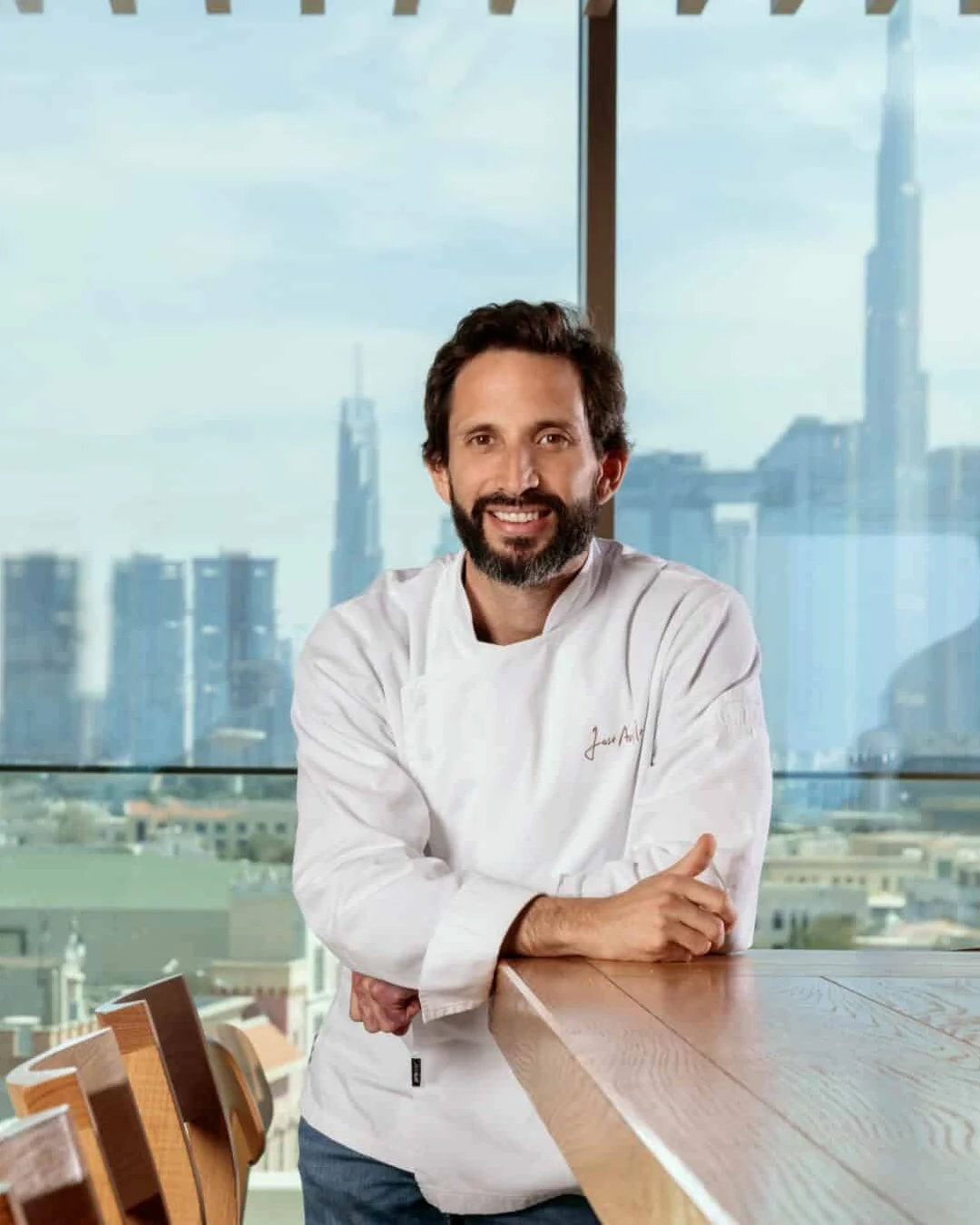
Chef in Residence
José Avillez
Chef
- 01CuisineTaizhou Cuisine
- 02CityTaizhou, China
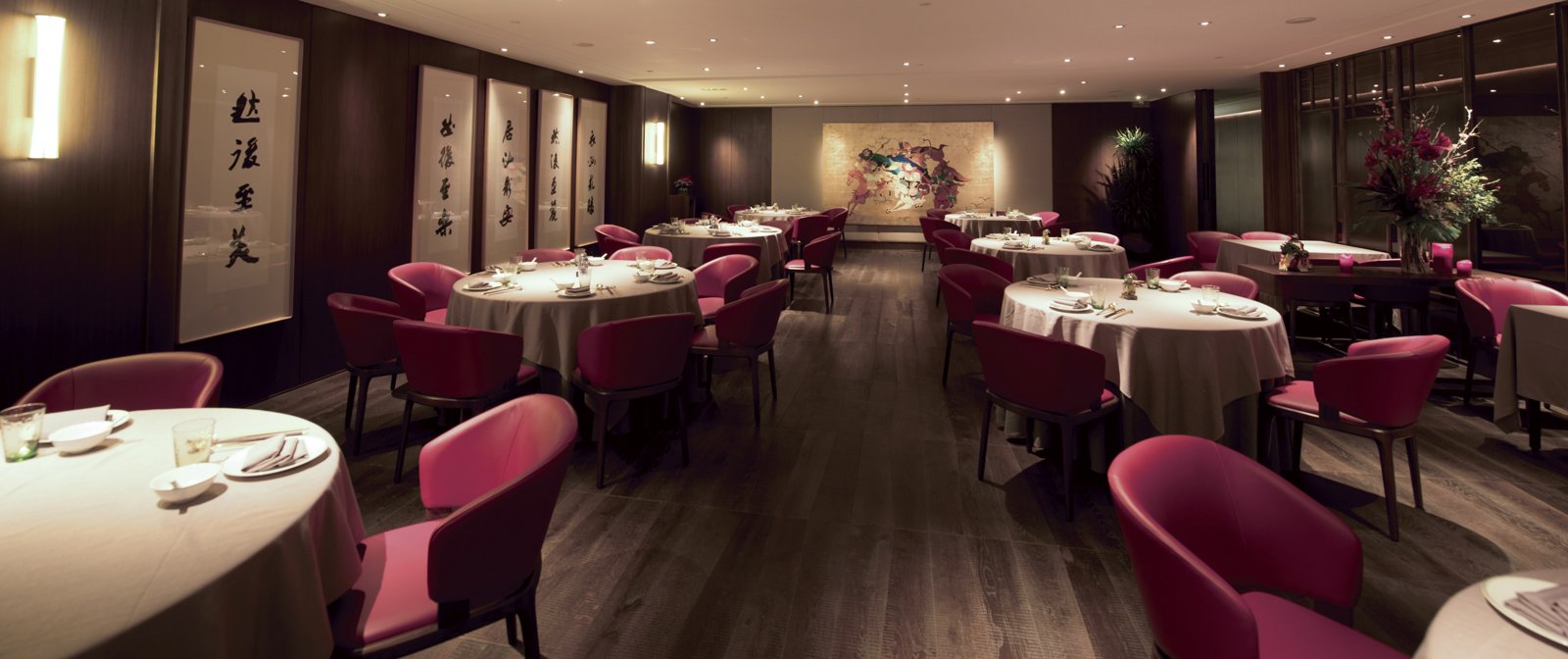
The Ling Hu branch of Xin Rong Ji sits on Linhai Boulevard in Taizhou, carrying the group's La Liste-rated reputation for Taizhou cuisine into one of Zhejiang's most historically rooted dining cities. With 97 points in the 2026 La Liste rankings, it occupies a tier of Chinese fine dining that operates well above regional restaurant norms. For serious diners tracking the evolution of Jiangnan coastal cooking, this is a reference-point address.
At a glance
- Cuisine
- Taizhou Cuisine
- Price
- $$$$
- Per person
- $80
- Neighborhood
- Linghu Park area
- Rating
- 4.2 (5)
<h2>Where Taizhou Cooking Meets High-Heat Precision</h2><p>Linhai Boulevard is not a street that announces itself as a dining destination. The broad, tree-lined road runs through a district of Taizhou that feels more civic than culinary, government buildings, low-rise commercial blocks, a certain administrative calm. Which makes the arrival at 239 Linhai Blvd, home to Xin Rong Ji's Ling Hu location, something of a recalibration. The exterior signals seriousness in the way that serious Chinese restaurants often do: understated materials, precise proportions, a quietness that stops short of austerity. You are walking into a kitchen's philosophy made physical.</p><p>That philosophy is rooted in Taizhou cuisine, a regional tradition within Zhejiang province that has historically been underrepresented in the international conversation about Chinese cooking. Where Cantonese and Sichuan traditions dominate global recognition, Taizhou's approach, built around the coastal produce of the East China Sea, a preference for clean flavours, and techniques that preserve rather than transform the primary ingredient, has remained largely local. Xin Rong Ji, as a group, changed that calculus.</p><h2>The La Liste Signal: What 97 Points Actually Means</h2><p>La Liste's ranking methodology aggregates reviews from multiple international and domestic sources, weighted alongside culinary context, to produce a score that functions as a composite of critical consensus. A score of 97 points in 2026 places the Ling Hu location within a narrow band of Chinese restaurants that compete not just domestically but against reference-point addresses of global fine dining. For context, the kind of venues scoring in this range internationally include establishments like <a href="https://www.enprimeurclub.com/restaurants/le-bernardin">Le Bernardin in New York City</a> and <a href="https://www.enprimeurclub.com/restaurants/atomix">Atomix in New York City</a>, both of which operate at the upper tier of their respective categories. A 97-point score in Taizhou is not a local achievement, it is a global positioning statement.</p><p>The Xin Rong Ji group has accumulated recognition across multiple cities. The Beijing outpost at <a href="https://www.enprimeurclub.com/restaurants/xin-rong-ji-xinyuan-south-road-beijing-restaurant">Xin Yuan South Road</a> and the <a href="https://www.enprimeurclub.com/restaurants/xin-rong-ji-chengdu-restaurant">Chengdu location</a> both carry the brand's reputation for discipline and regional fidelity. But the Ling Hu branch in Taizhou carries a specific weight: it operates in the cuisine's home territory, where the standard of comparison is not a peer restaurant across town but the actual fishing boats and river markets that supply the region's ingredient chain.</p><h2>Wok Hei and the Logic of Taizhou Technique</h2><p>Chinese high-heat cooking is a discipline that most diners understand intuitively but few can articulate precisely. Wok hei, literally 'breath of the wok', refers to the complex flavour compound produced when a carbon-steel wok, heated to temperatures that domestic stoves cannot replicate, interacts with proteins, vegetables, and fats at speed. The result is a Maillard reaction pushed to a particular edge: caramelisation without burning, sear without stewing, a flavour that disappears within seconds of leaving the heat source. Getting it right is a matter of timing measured in fractions of a second, which is why the quality of wok cooking is one of the most reliable indicators of kitchen discipline overall.</p><p>Taizhou cooking applies this technical framework to ingredients that the broader Chinese culinary tradition has not always treated as premium: yellow croaker, river shrimp, sea vegetables, pork prepared with an eye toward fat rendering rather than sauce complexity. The region's coastline, along the East China Sea, produces seafood that rewards restraint. Overworking a yellow croaker with aggressive seasoning is a category error; the right technique enhances the brine-and-sweetness profile of the fish without overwhelming it. Kitchens operating at the level implied by a 97-point La Liste score are expected to know the difference.</p><p>Among Chinese restaurants operating at comparable price tiers in eastern China, the approach at venues like <a href="https://www.enprimeurclub.com/restaurants/ru-yuan-hangzhou-restaurant">Ru Yuan in Hangzhou</a> and Dingshan Jiangyan in Suzhou reflects a similar commitment to regional ingredient fidelity, though each operates within a different culinary tradition. The Jiangnan coastal corridor has produced a cluster of serious fine-dining restaurants that compete on technique and sourcing rather than spectacle. Xin Rong Ji's Ling Hu branch sits inside that cluster, not as an outlier but as one of its defining references.</p><h2>The Broader Context: Taizhou Fine Dining and Its comparable set</h2><p>Understanding what this restaurant represents requires understanding what Chinese regional fine dining has become in the post-pandemic period. The category has split between large-format venues oriented toward banquet dining and smaller, more technique-focused operations where the cooking itself is the primary experience. Restaurants like <a href="https://www.enprimeurclub.com/restaurants/102-house-shanghai-restaurant">102 House in Shanghai</a> and <a href="https://www.enprimeurclub.com/restaurants/imperial-treasure-fine-chinese-cuisine-guangzhou-restaurant">Imperial Treasure in Guangzhou</a> represent different points on that spectrum. The Xin Rong Ji group has consistently positioned toward the technique-focused end, which is reflected both in its La Liste trajectory and in the Google review average of 4.4, a signal of consistent execution rather than viral popularity.</p><p>For diners travelling through Zhejiang, the Ling Hu branch offers a specific argument: that Taizhou cuisine, treated with the same rigour applied to Cantonese cooking at venues like <a href="https://www.enprimeurclub.com/restaurants/chef-tams-seasons-macau-restaurant">Chef Tam's Seasons in Macau</a> or to regional Chinese traditions at <a href="https://www.enprimeurclub.com/restaurants/dai-yuet-heen-nanjing-restaurant">Dai Yuet Heen in Nanjing</a>, is capable of competing at the same level. The 2025-to-2026 point increase in the La Liste rankings suggests the kitchen is improving one.</p><h2>Planning Your Visit</h2><p>Xin Rong Ji's Ling Hu location is at 239 Linhai Boulevard, Linhai, Taizhou, Zhejiang, a district of the city that requires deliberate navigation rather than a casual walk-in. Taizhou is accessible by high-speed rail from Hangzhou (approximately 90 minutes) and from Shanghai (approximately two hours), which makes it a viable destination for diners already travelling the Jiangnan corridor. Booking ahead is advisable for any restaurant operating at this recognition level; For comparable fine-dining reference points across the eastern China region, <a href="https://www.enprimeurclub.com/restaurants/fleurs-et-festin-xiamen-restaurant">Fleurs et Festin in Xiamen</a>, Jiangnan Wok Rong in Fuzhou, and <a href="https://www.enprimeurclub.com/restaurants/shang-palace-yangzhou-restaurant">Shang Palace in Yangzhou</a> offer useful points of comparison across different regional traditions.</p>
Know before you go
- Dress code
- smart_casual
- Reservations
- essential
- Parking
- on_site_lot
- Groups
- Welcomed
Frequently asked
Has Xin Rong Ji Taizhou (Ling Hu ) - 新荣记(灵湖店) won any awards?
Xin Rong Ji Taizhou (Ling Hu ) - 新荣记(灵湖店) has received recognition including: La Liste Top Restaurants (2026): 97pts; La Liste Top Restaurants (2025): 96pts.
Is Xin Rong Ji Taizhou (Ling Hu) okay with children?
The Ling Hu branch operates at the La Liste 97-point tier — a recognition level that signals a composed, pace-conscious dining room where the format is built around extended courses and attention to preparation. Children are not excluded, but the experience is calibrated for adult diners who will engage with the depth of Taizhou regional cooking rather than a flexible, casual meal.
Is Xin Rong Ji Taizhou (Ling Hu) better for a quiet night or a lively one?
At 97 points on La Liste 2026, this Linhai Boulevard address sits in the tier of Chinese restaurants where the room is orchestrated rather than spontaneous. Expect a measured pace and an environment that rewards focus on the food. This is a venue for a deliberate dinner, not a high-energy table.
Address
239 Linhai Blvd, 239, Linhai, Taizhou, Zhejiang, China, 317099
Linghu Park area
How it compares
Xin Rong Ji Taizhou (Ling Hu ) - 新荣记(灵湖店)
- Cuisine
- Taizhou Cuisine
- Price
- $$$$
- Awards
- 2 recognitions
- Notes
- Linghu Park area
- Cuisine
- Traditional Taizhou Regional Cuisine
- Price
- $$
- Awards
- 1 recognition
- Notes
- Taizhou
- Cuisine
- Taizhou Seafood Chinese
- Price
- $$$
- Awards
- —
- Notes
- 灵湖
- Cuisine
- Taizhou Cuisine
- Price
- $$$
- Awards
- 1 recognition
- Notes
- Taizhou
- Cuisine
- Zhejiang Coastal Seafood
- Price
- $$
- Awards
- 1 recognition
- Notes
- HuangYan District
Gastro Esthetics at DaDong(Beijing Nanxincang Branch)
- Cuisine
- Contemporary Fine-Dining Beijing Cuisine by DaDong
- Price
- $$$$
- Awards
- —
- Notes
- Dongcheng
In residence
Similar places
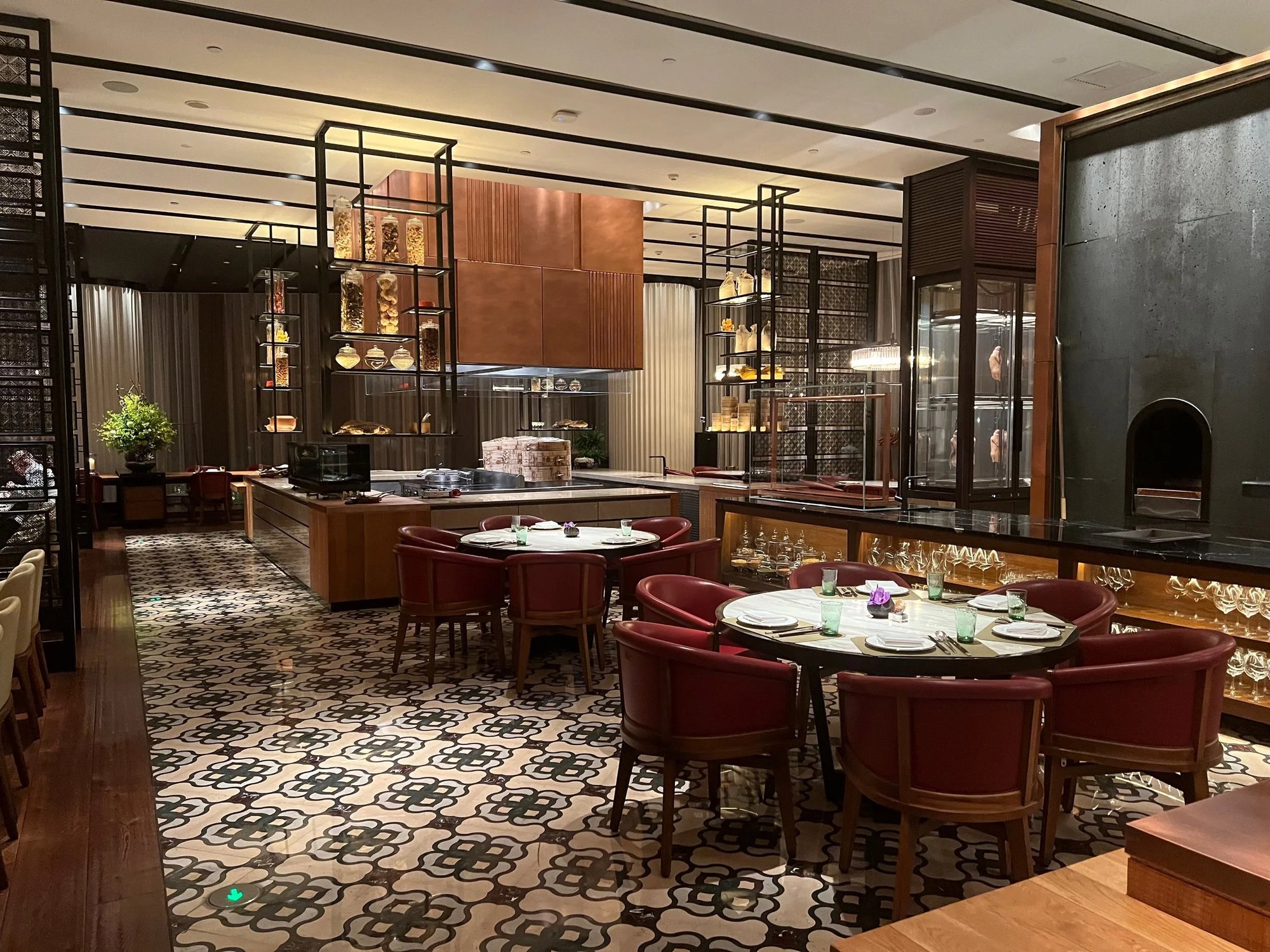
Taizhou Cuisine
Xinrongji
Taizhou, China
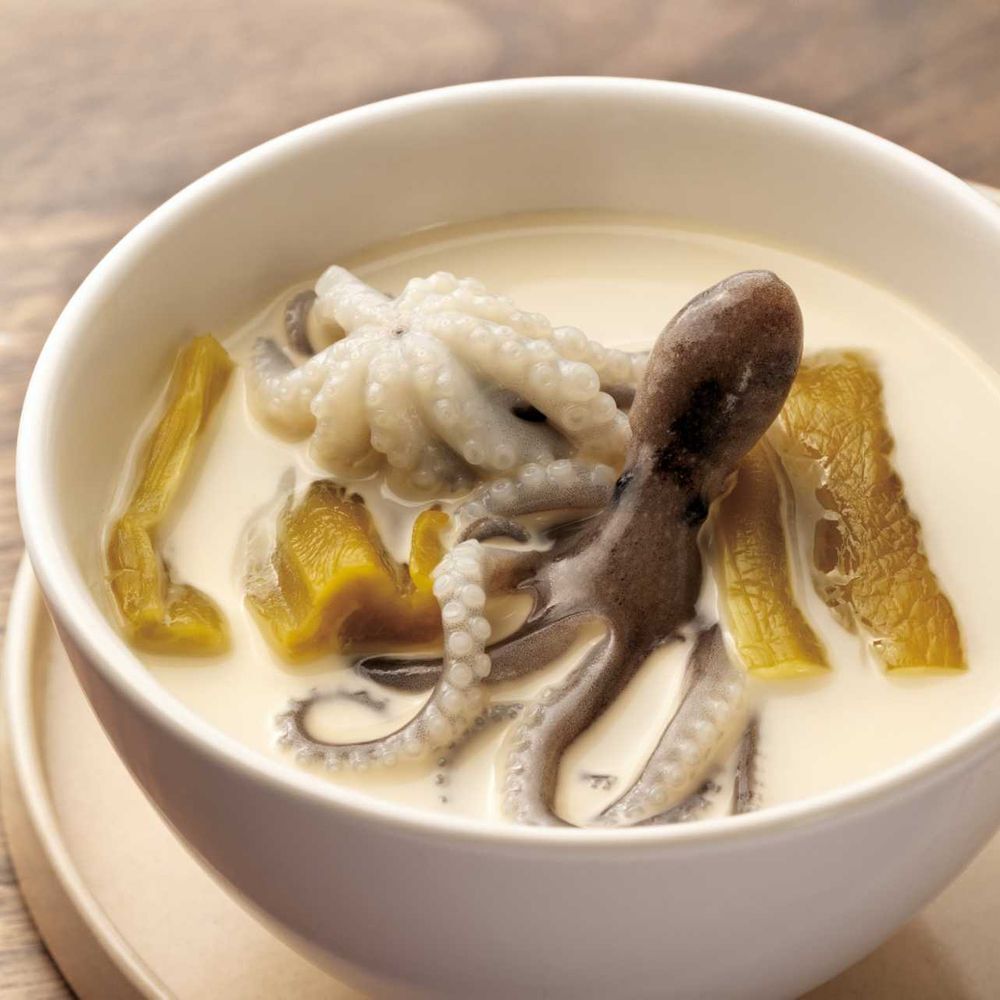
High-end Taizhou seafood fine dining
Xin Rong Ji (Linhai)
Taizhou, China
★
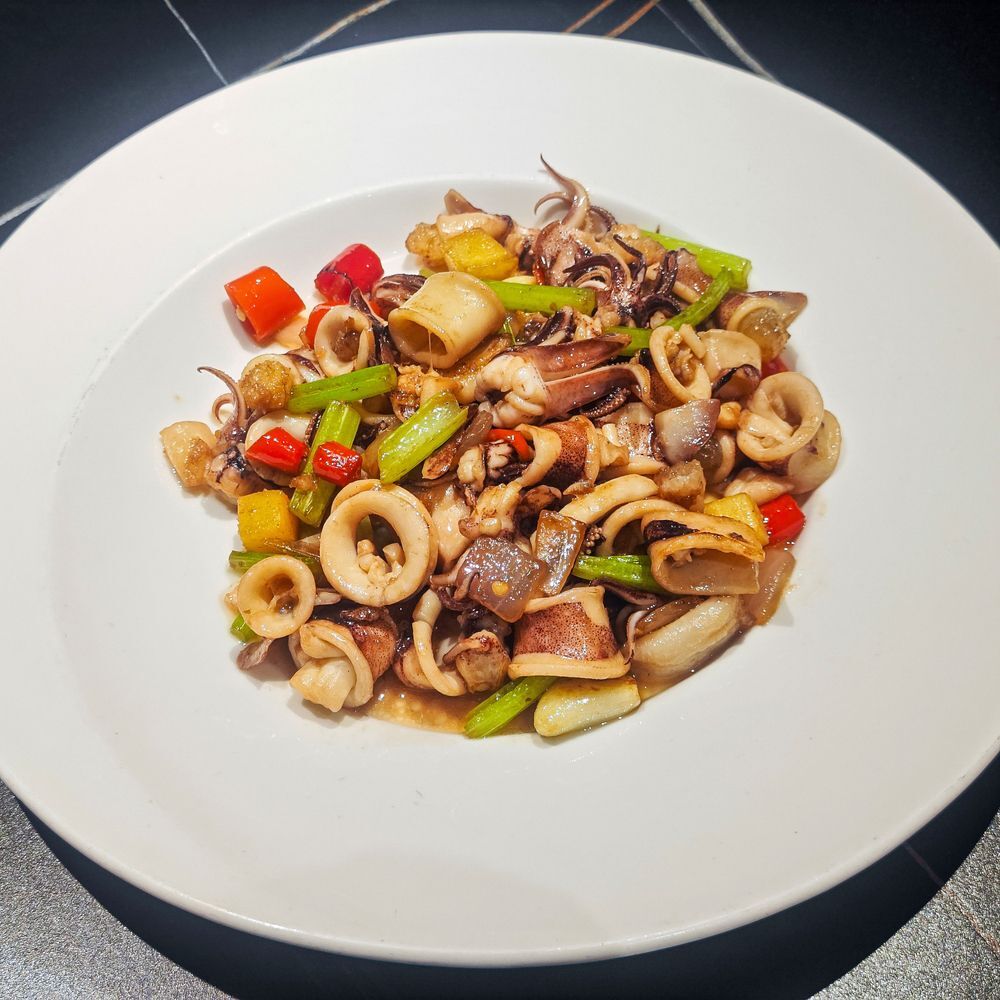
Casual Taizhou seafood restaurant
Guoping Seafood
Taizhou, China
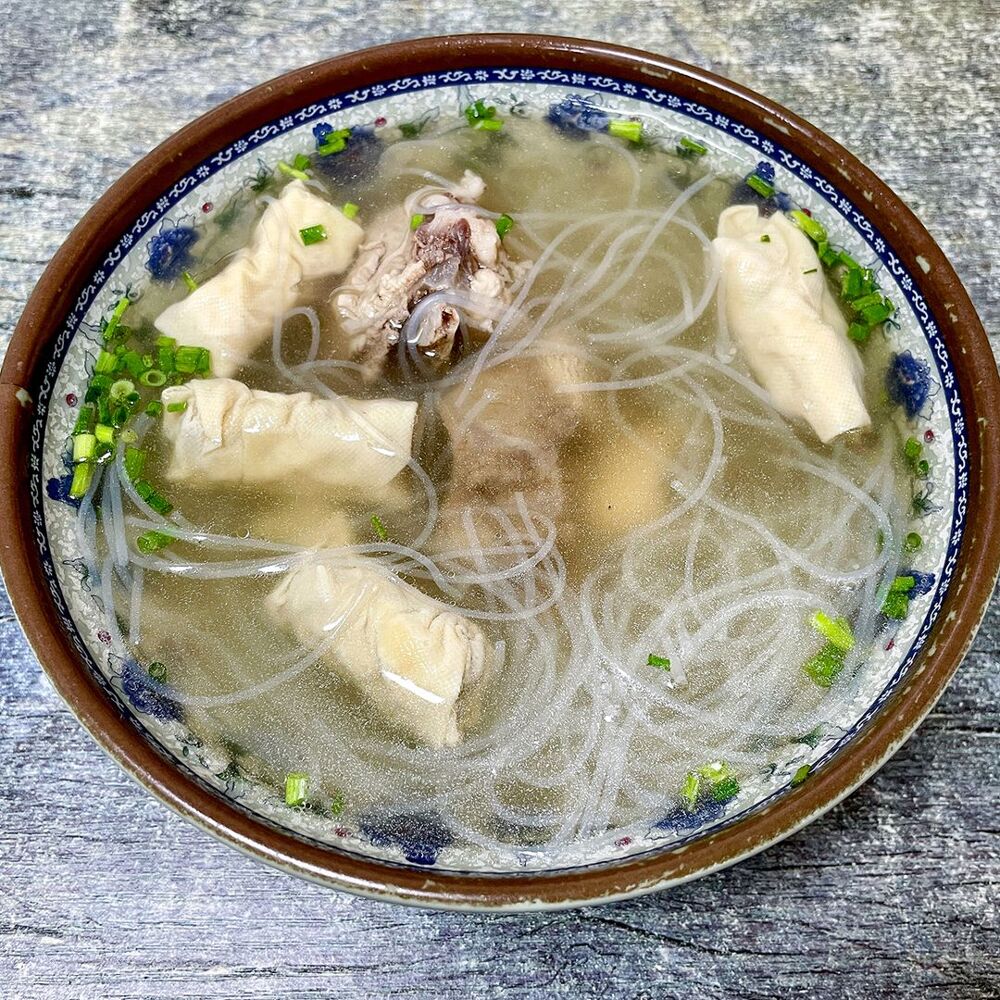
Traditional Taizhou Noodle & Bone Soup Shop
Li Ji Gu Tou Tang
Taizhou, China
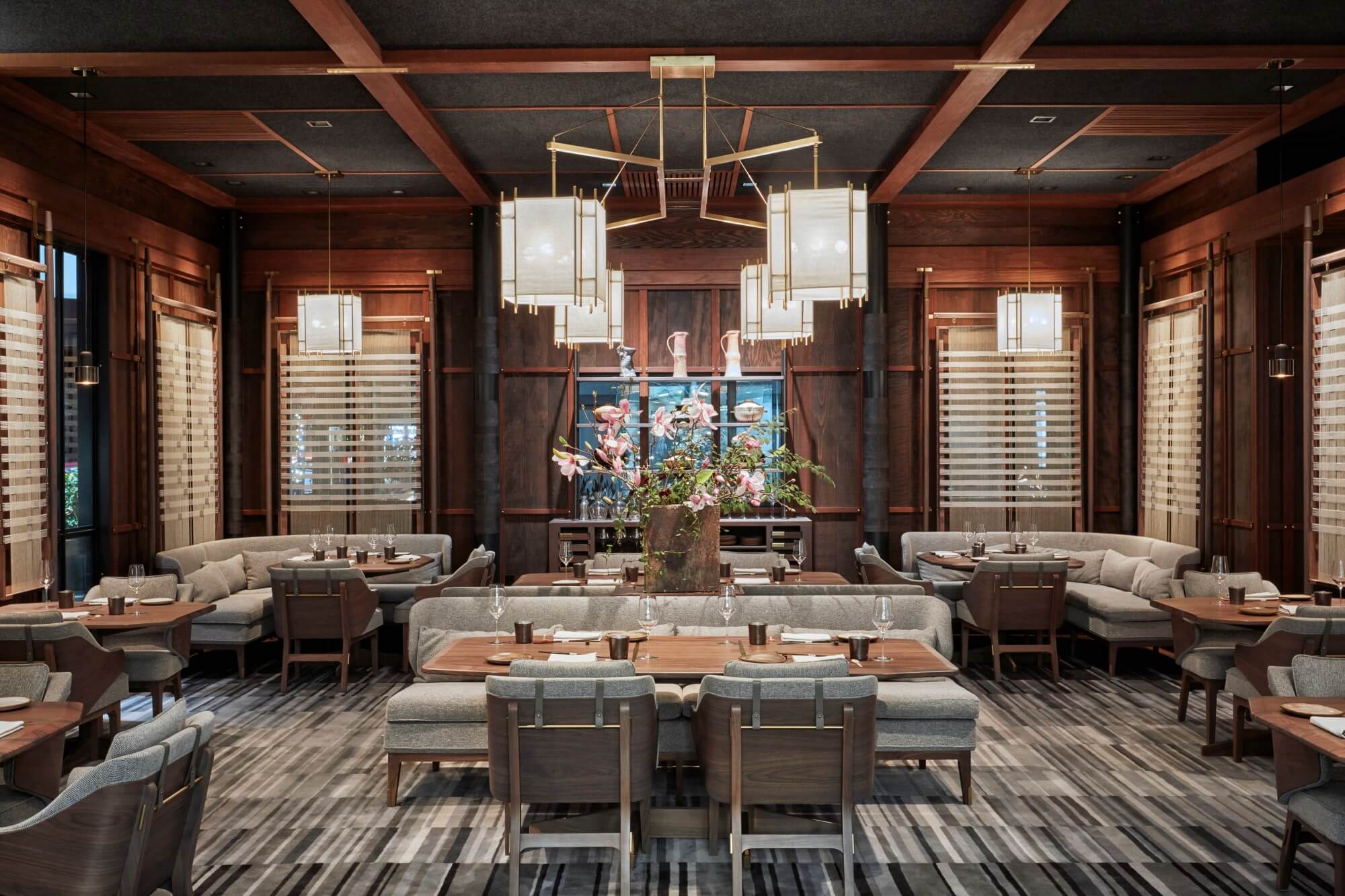
Japanese-influenced Californian Kaiseki
Single Thread Farm
Healdsburg, United States
★★★ · 50 Best
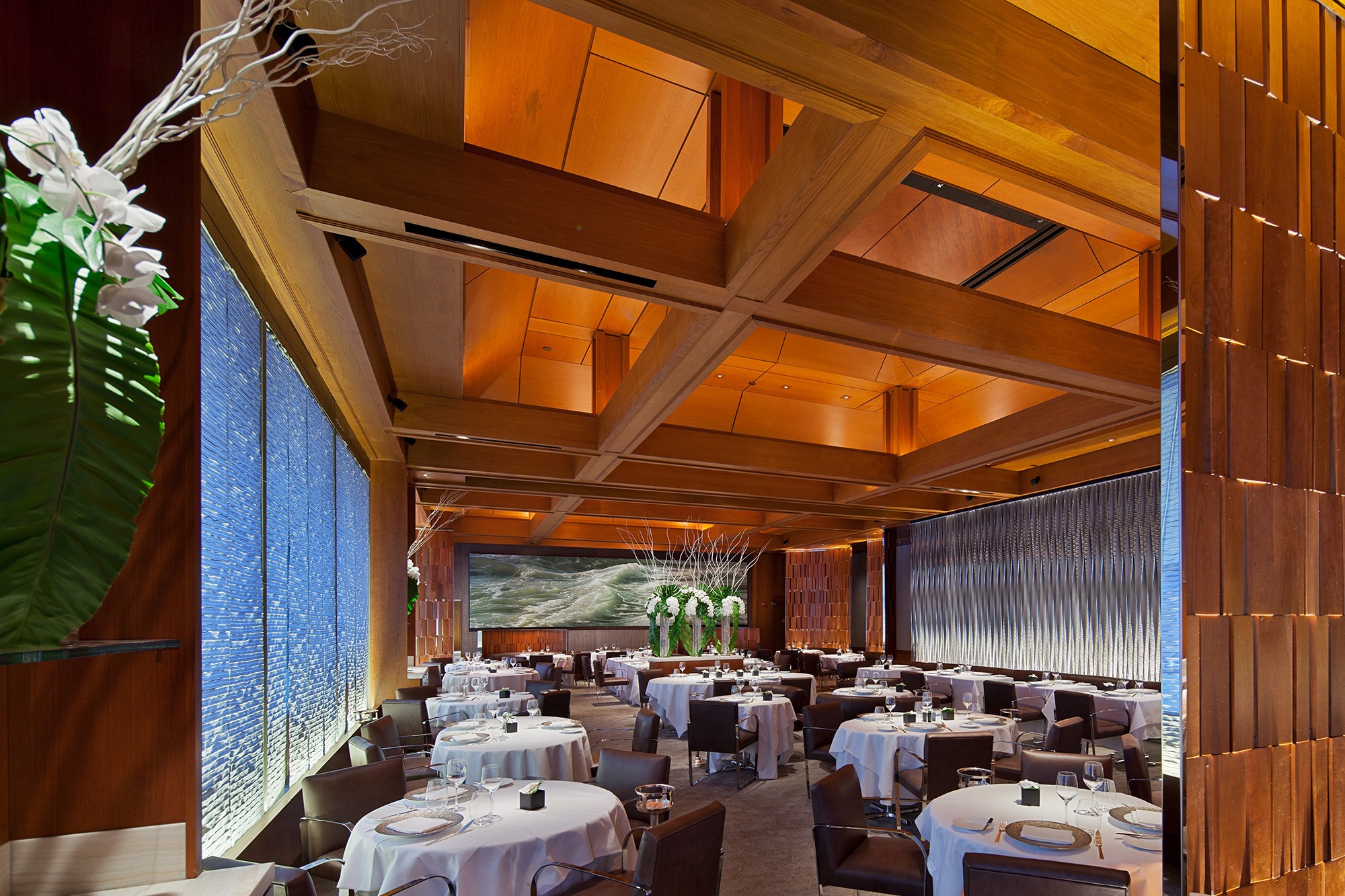
French Seafood Fine Dining
Le Bernardin
New York City, United States
★★★ · 50 Best