Dashi, hand rolls and timing
- Tabelog Silver #154: 4.5pts · 2026
- Michelin Plate · 2026
- Tabelog 100 #71: 3.7pts · 2025
- Tabelog Silver · 2025
- Tabelog 100 #43: 4.5pts · 2025
- Michelin Plate · 2025
- Michelin Plate · 2024
- Opinionated About Dining Top Restaurants in Japan Ranked #128 · 2024
- Opinionated About Dining Top Restaurants in Japan Ranked #124 · 2023
Dashi before the room fills
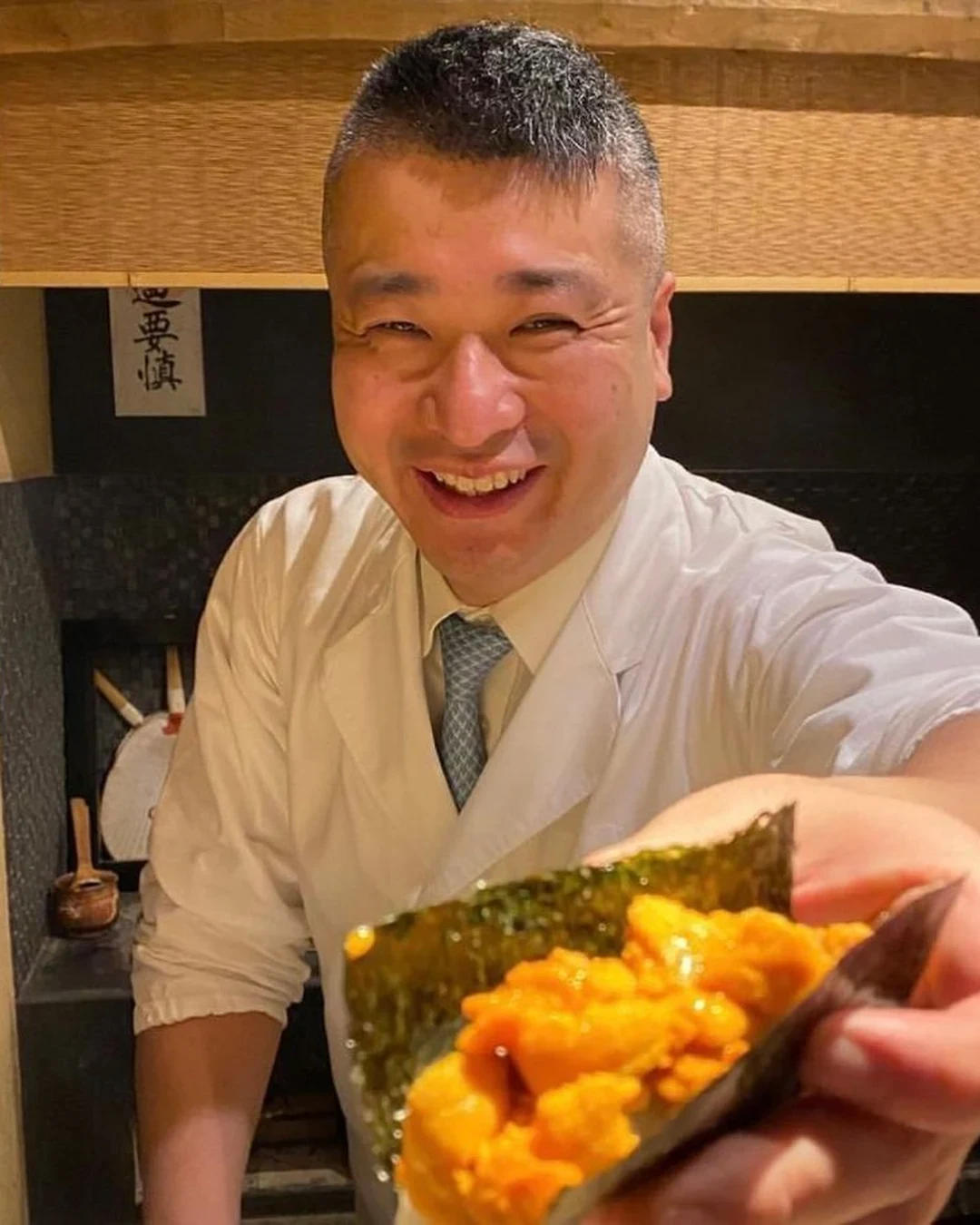
Kombu, bonito and well water set the first register before Takahiro Yamagishi, chef at Tominokoji Yamagishi in Kyoto, begins to move the meal from the pass. The work here depends on timing as much as display: soup held clear, rice carried warm, seaweed kept crisp until the hand receives it. Yamagishi has run the restaurant as owner-chef since 2015, after earlier work here as a sushi chef, so the station is not a borrowed platform. It is the same address returned to with authority.
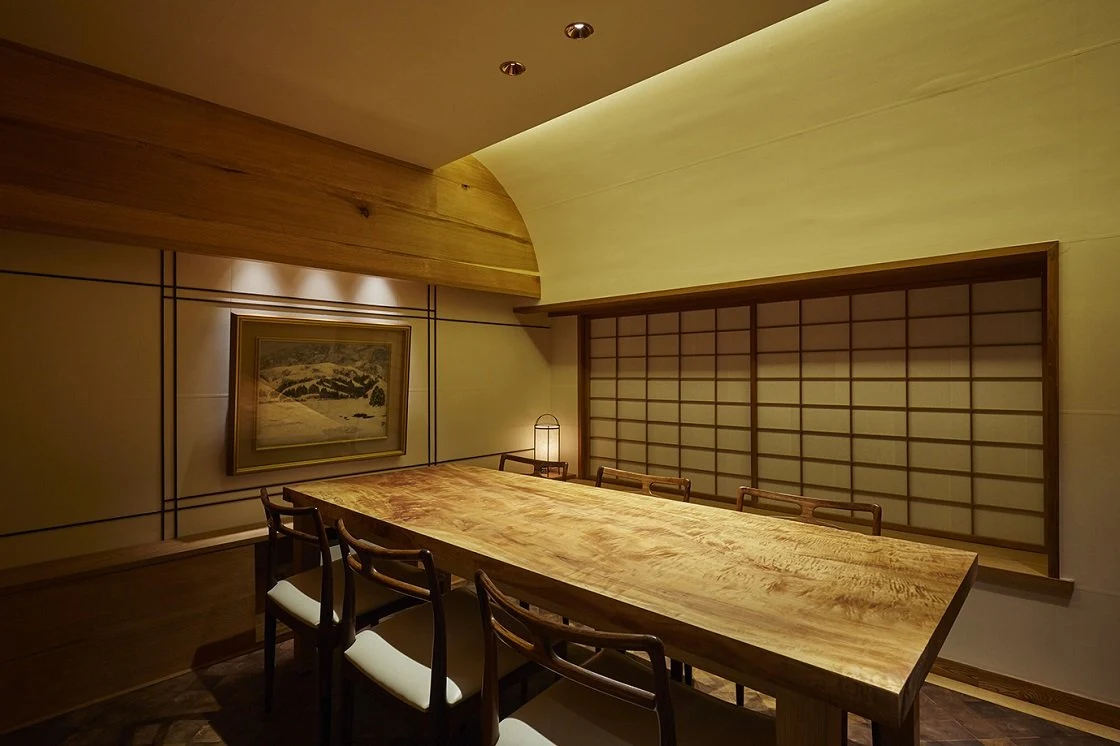
His formation sits partly outside the kitchen. Tea ceremony, flower arrangement, calligraphy and Saga Goryu ikebana shape the way the meal is handled, not as ornament, but as order. A bowl arrives with the space around it considered. A course lands with enough restraint for the next one to matter. The restaurant opened in October 2015 on Tominokoji Street in Nakagyo-ku, inside a traditional townhouse, and its kaiseki carries that domestic scale without becoming casual. Yamagishi also holds a management role beyond the restaurant, but at this counter the title that matters is owner-chef, the person responsible for direction and daily execution.
The Sunday letter
Find new places through the people who run them.
Our Sunday email brings you the chefs, winemakers and hoteliers behind our newest stories. See a sample before you subscribe.
See a sample of the Sunday emailOne email a week. Unsubscribe from any issue.
Cha-kaiseki, heat and the hand roll
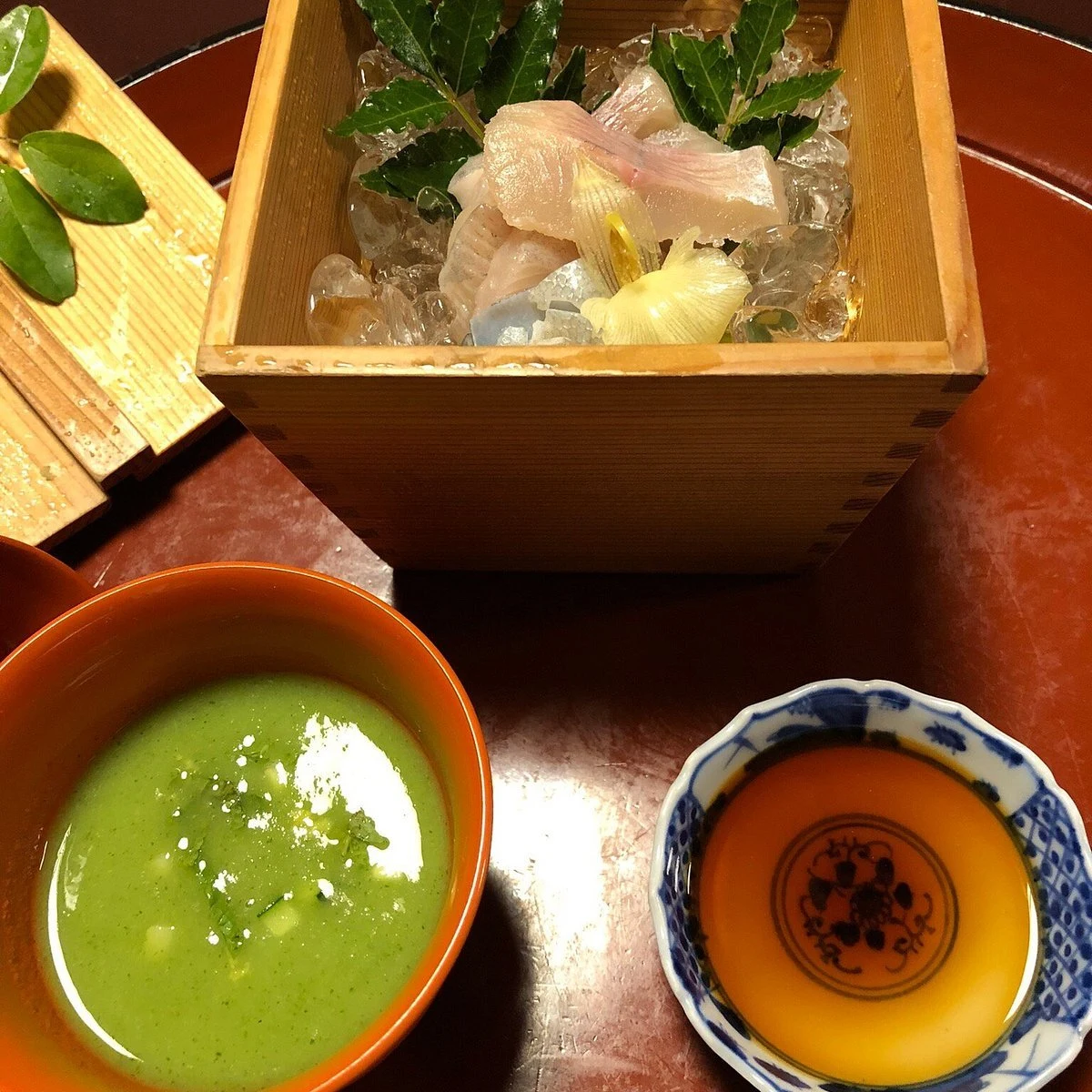
The program is kaiseki, built around seasonal Kyoto ingredients, river fish, vegetables and seafood, with a home-like nabe kaiseki current running through it. The signature dashi hotpot gives the room a center of gravity: broth, heat, vessel, timing. Clear dashi appears in another register with kombu, bonito, well water, clam and steamed white fish, a course that relies on subtraction rather than force.
Courses run over 10, and the discipline is in portion, temperature and interval. A sea urchin hand roll moves differently. Yamagishi layers uni over vinegared rice, wraps it in crisp seaweed, and passes it directly from the chef’s hands. The house is also known for an uni hotdog, a more direct expression of range, but the hand roll explains the bench-side logic: ingredient, rice, wrapper, immediate transfer. Other named dishes keep the seasonal field wide, including shirago, grilled moroko, crab in vinegar jelly, buri and grilled frost in salt-plum broth. None of those works if the pass loses pace.
The townhouse keeps the measure
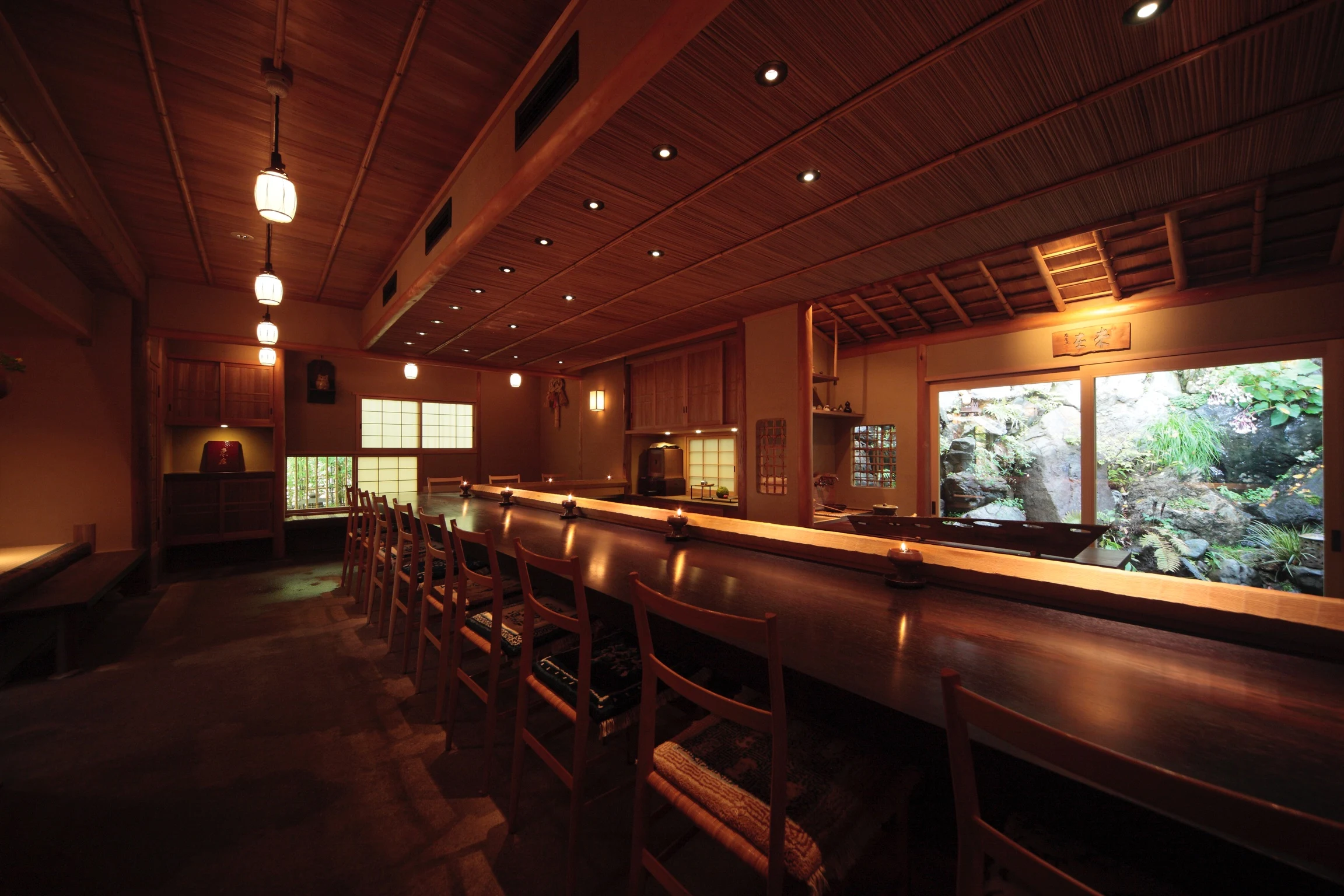
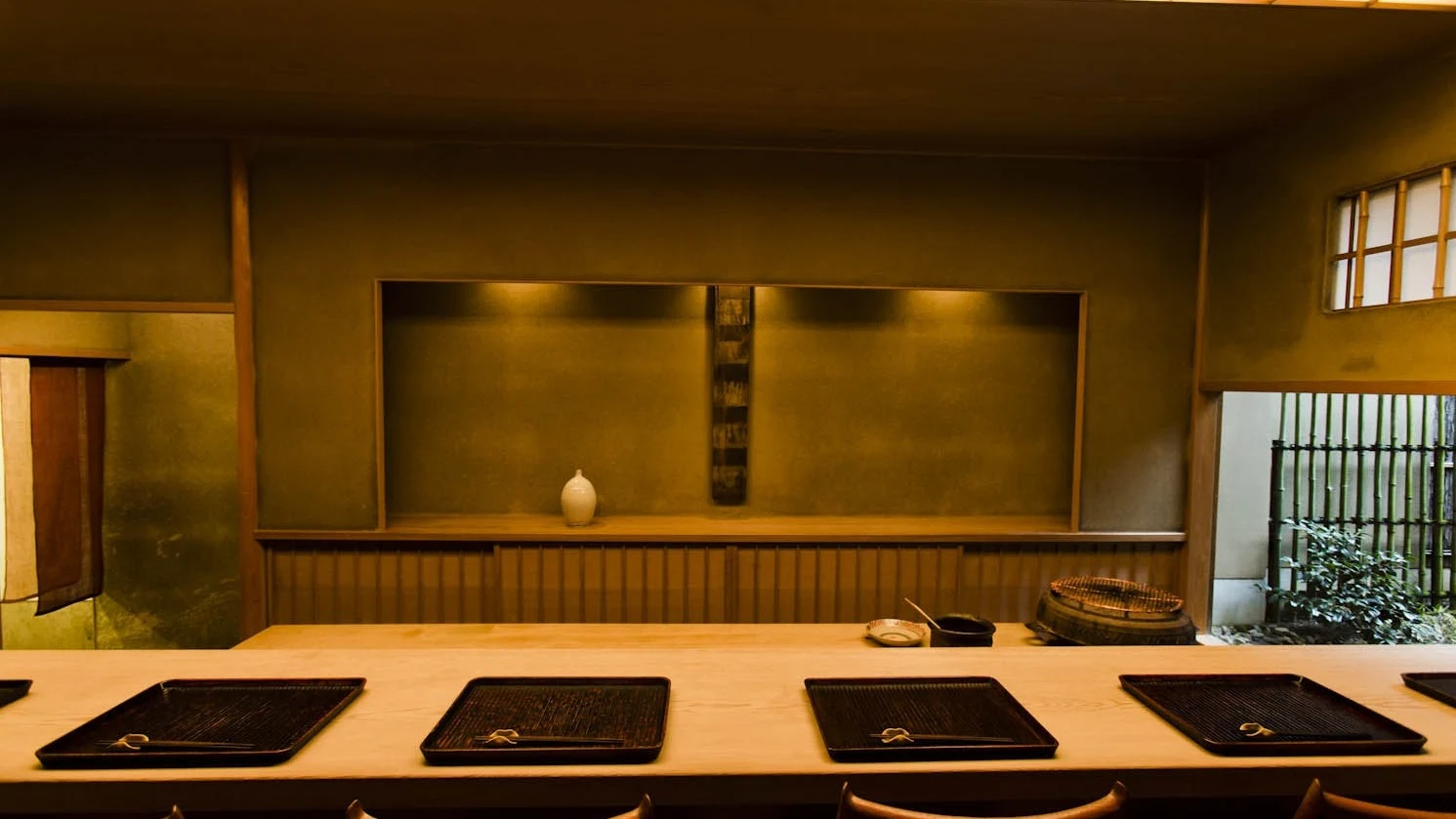
The room holds the work close. In a Kyoto townhouse, the counter and the pass make small delays visible, so the meal depends on quiet control rather than theatrical release. Yamagishi greets guests himself, a gesture tied to cha-kaiseki hospitality and to the broader cultural frame he brings from tea, flowers and calligraphy. The greeting is not separate from service. It sets the measure for the meal.
Seasonal elegance here is less a mood than a sequence of decisions: when to lift the lid, when to pass seaweed before it softens, when a broth has enough depth and no more. Kyoto tradition can become heavy in less certain hands. At Tominokoji Yamagishi it stays mobile, carried through the room by heat, rice, fish and the timing of Takahiro Yamagishi.
Questions
Frequently asked
Who cooks at Tominokoji Yamagishi?
Takahiro Yamagishi is the owner-chef and the person responsible for the restaurant’s direction and daily execution. He has run Tominokoji Yamagishi since 2015, after earlier work there as a sushi chef.
What kind of food does the restaurant serve?
Tominokoji Yamagishi serves kaiseki built around seasonal Kyoto ingredients, river fish, vegetables and seafood. The menu also includes a home-like nabe kaiseki current, along with dishes such as a signature dashi hotpot and sea urchin hand rolls.
What is the room and setting like?
The restaurant opened in October 2015 in a traditional townhouse on Tominokoji Street in Nakagyo-ku, Kyoto. The counter and pass keep the meal close, and the service is shaped by Yamagishi’s background in tea ceremony, flower arrangement, calligraphy and Saga Goryu ikebana.
How is the meal structured?
Courses run over 10, and the pace depends on timing, portion, temperature and interval. Dashi appears in several forms, including a clear broth made with kombu, bonito, well water, clam and steamed white fish, while a sea urchin hand roll is passed directly from the chef’s hands.
The field
How it compares
| Place | Cuisine | Notes | Awards |
|---|---|---|---|
| Tominokoji Yamagishi | Kyoto Kaiseki | Nakagyō, $$$$ | · |
| Gion Sasaki | Modern Kaiseki | Kyoto | Michelin 3 Stars |
| Hyotei | Traditional Kaiseki | Kyoto | Michelin 3 Stars |
| Isshisoden Nakamura | Traditional Kyoto Kaiseki | Kyoto | Michelin 3 Stars |
| Miyama Sou | Tsumikusa Kaiseki | Kyoto | Michelin 3 Stars |
| Mizai | Traditional Kaiseki | Kyoto | Michelin 3 Stars |
| Ogata | Kaiseki Omakase | Kyoto | Michelin 2 Stars |
In residence
Similar places
The Sunday letter
Get the next Made By story in your inbox.
We send one email every Sunday morning with the places and people we covered that week.
See a sample of the Sunday emailOne email a week. Unsubscribe from any issue.