The Places · Japan
Kyoto
Made By profiles 77 places in Kyoto, spanning traditional kaiseki, kyoto kaiseki, modern kaiseki — each tied to the people and producers behind it.

01.Kaiseki Omakase
Ogata
Kyoto, Japan
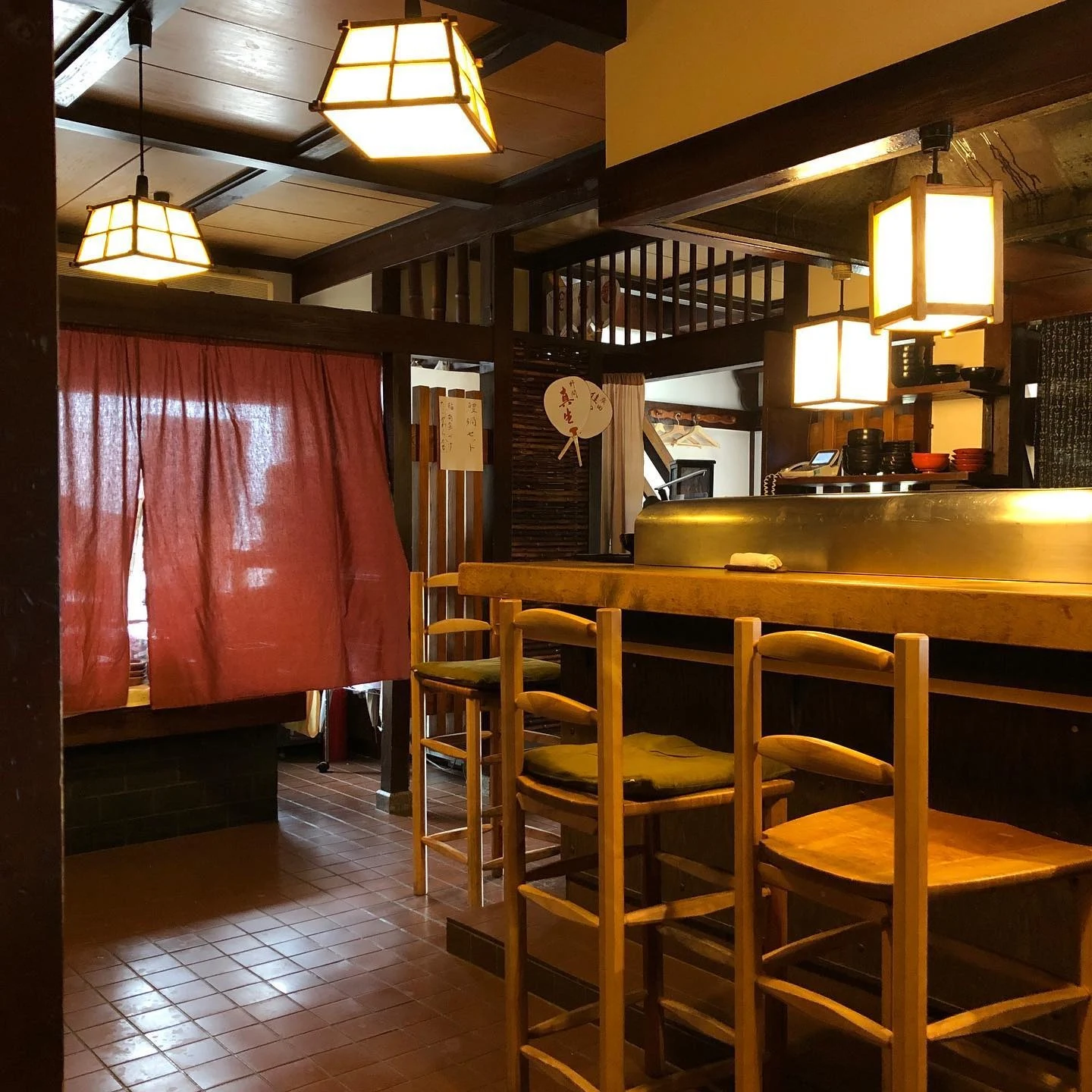
Ogata is a Kyoto kaiseki room for diners who want the form at its most disciplined: seasonal Japanese cuisine, a counter-led format, and a reputation supported by Michelin, Tabelog, La Liste, and Opinionated About Dining recognition. The cooking belongs to Kyoto’s high-end kaiseki tradition, but the appeal is not ceremony for ceremony’s sake; it is precision, restraint, and a clear point of view inside a competitive local field.
● 1 artisanView →
02.Traditional Kaiseki
Mizai
Kyoto, Japan
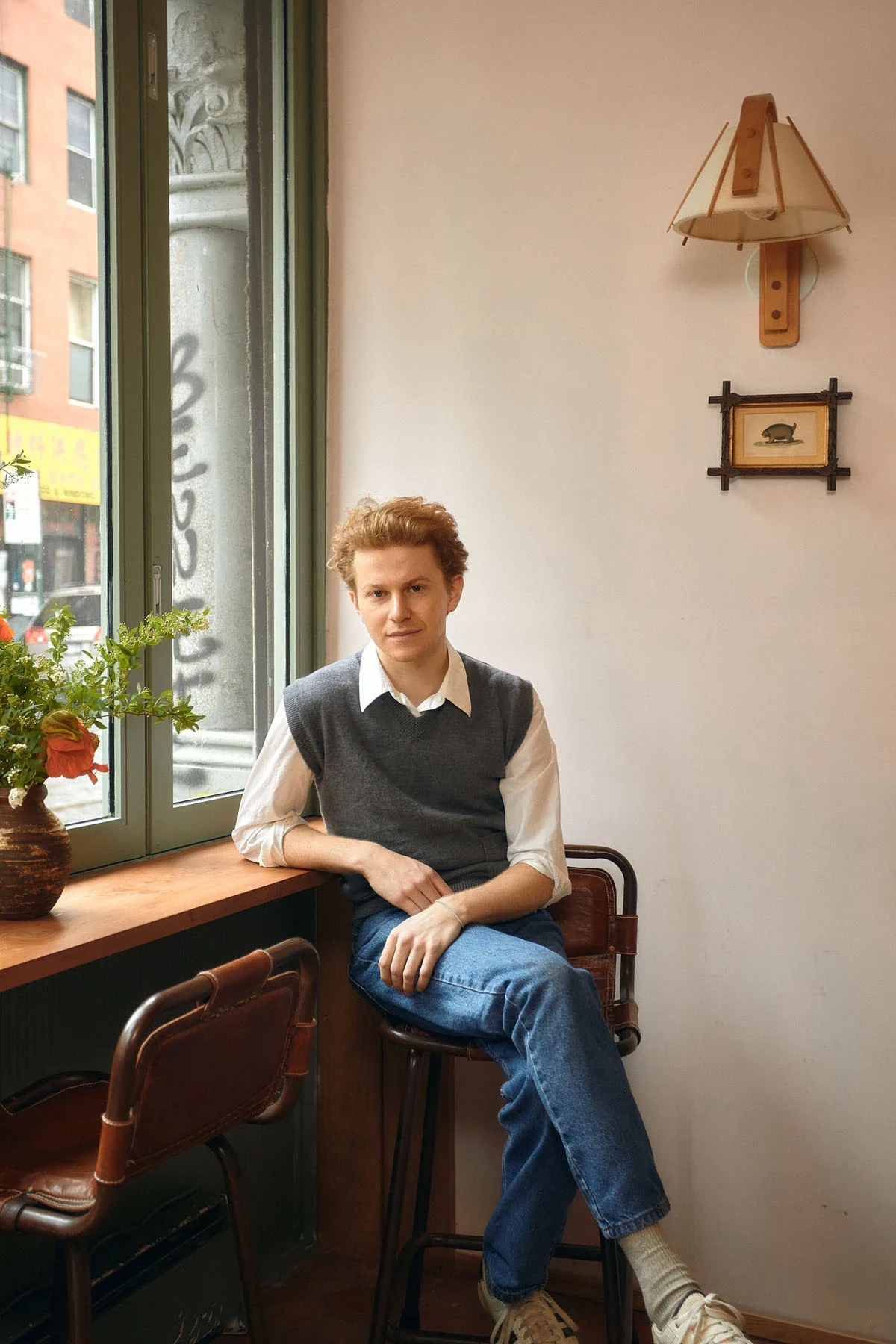
Mizai sits in Kyoto’s high-form kaiseki tier, where seasonality, dashi, vessels, and service rhythm matter as much as luxury signals. Chef Hitoshi Ishihara’s restaurant carries Michelin three-star recognition in 2025, La Liste 92 points in 2026, Tabelog Award 2026 Bronze status, and placement on Opinionated About Dining’s 2026 Japan ranking, making it a serious reference point for Kyoto kaiseki rather than a casual temple-district dinner.
● 1 artisanView →
03.Traditional Kaiseki
Hyotei
Kyoto, Japan
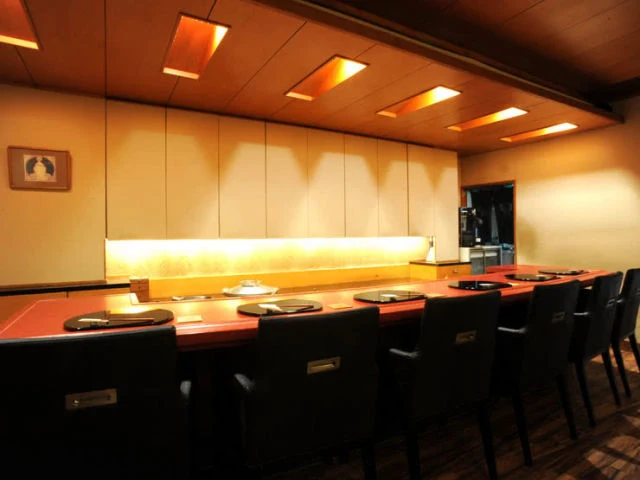
Hyotei belongs to Kyoto’s formal kaiseki lineage, where seasonality, spacing and restraint carry more weight than spectacle. Michelin 3 Stars in 2025, La Liste 93 points in 2026 and OAD Highly Recommended recognition place it in the city’s serious dining tier, with Yoshihiro Takahashi attached to a tradition that rewards patience and close attention.
● 1 artisanView →
04.Traditional Kyoto Kaiseki
Isshisoden Nakamura
Kyoto, Japan
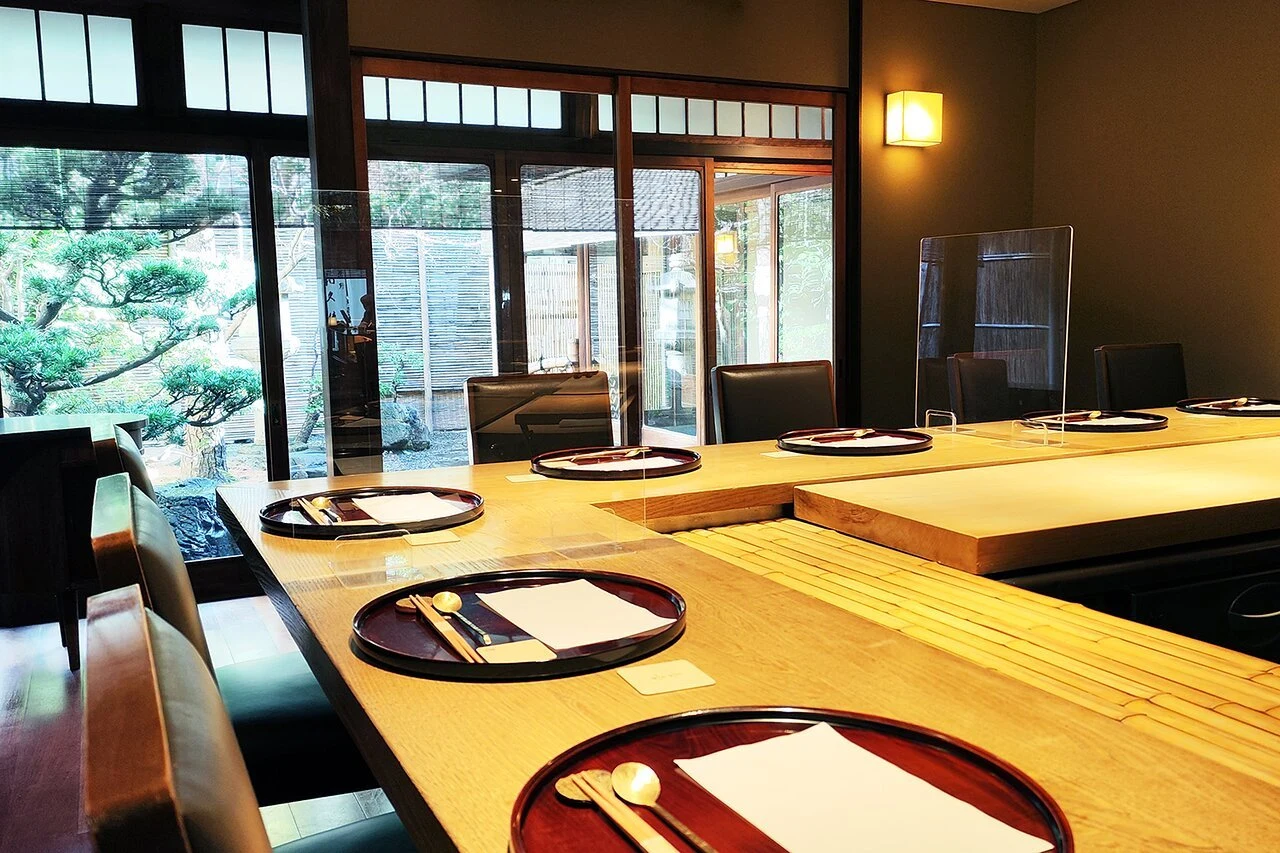
One of Kyoto's most historically rooted kaiseki addresses, Isshisoden Nakamura traces its origins to a travelling fishmonger supplying Wakasa Bay fish to city markets. Now holding three Michelin stars under sixth-generation chef Motokazu Nakamura, the house operates at the top of Kyoto's formal dining tier, where provenance, well water, and multi-generational technique shape every course.
● 1 artisanView →
05.Modern Kaiseki
Gion Sasaki
Kyoto, Japan
Gion Sasaki holds three Michelin stars and a Tabelog score of 4.34, placing it among Kyoto's most decorated kaiseki counters. Operating from a 20-seat room on Yasaka Street in Higashiyama, the kitchen runs on a philosophy of subtraction, drawing out seasonal ingredients at their natural peak rather than supplementing them. Dinner runs from ¥40,000–¥49,999; reservations open by phone at the start of each month for up to two months ahead.
● 1 artisanView →
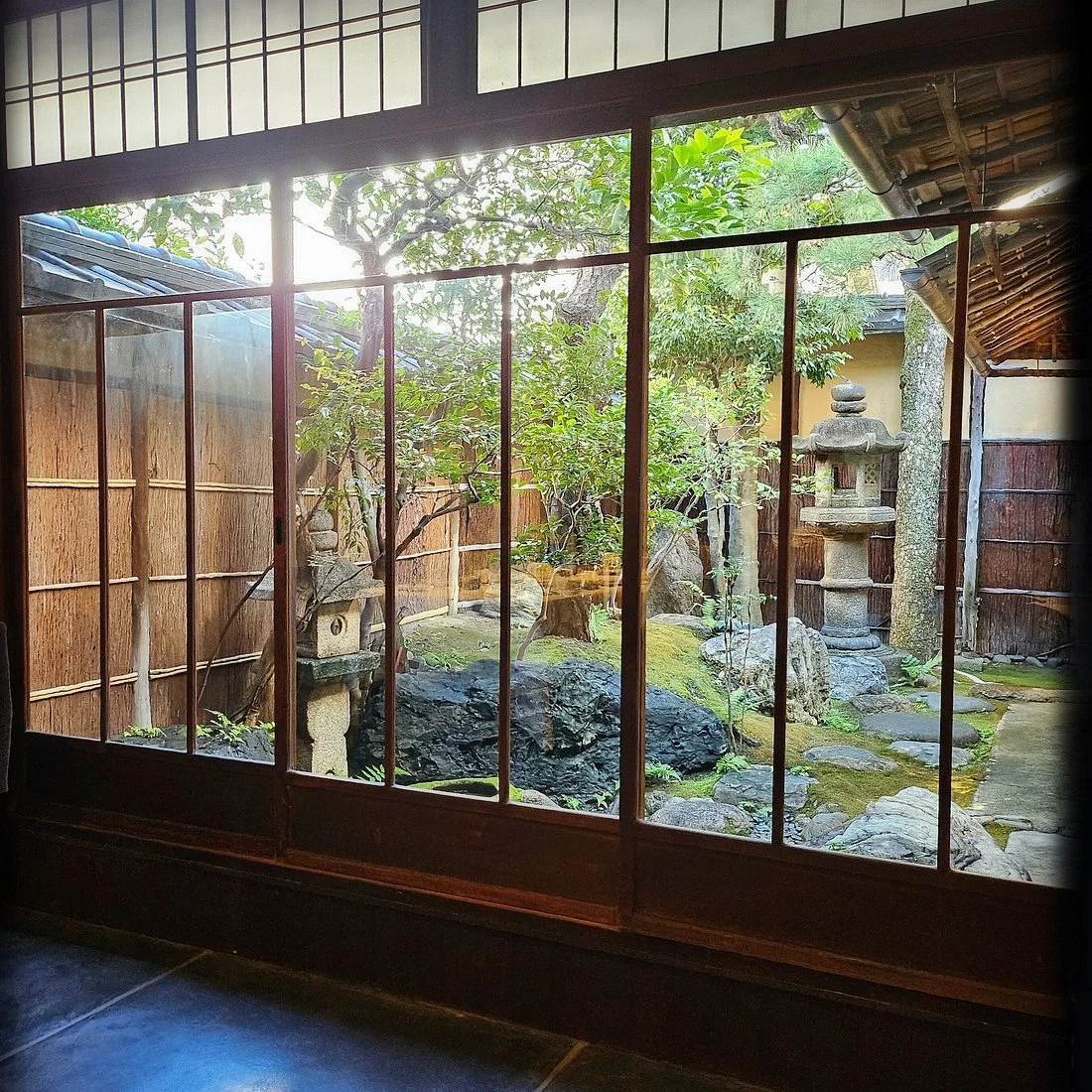
06.Kyoto Kaiseki Ryotei
Kikunoi Honten
Kyoto, Japan
Founded in the first year of the Taisho era, Kikunoi Honten sits at the formal centre of Kyoto's kaiseki tradition, holding three Michelin stars and consistent Tabelog Bronze recognition since 2018. Under chef Yoshihiro Murata, the Higashiyama ryotei operates across 120 seats and ten tatami rooms, with dinner averaging JPY 30,000 to 39,999. La Liste placed it at 95 points in 2026, positioning it among Japan's most documented kaiseki addresses.
● 1 artisanView →
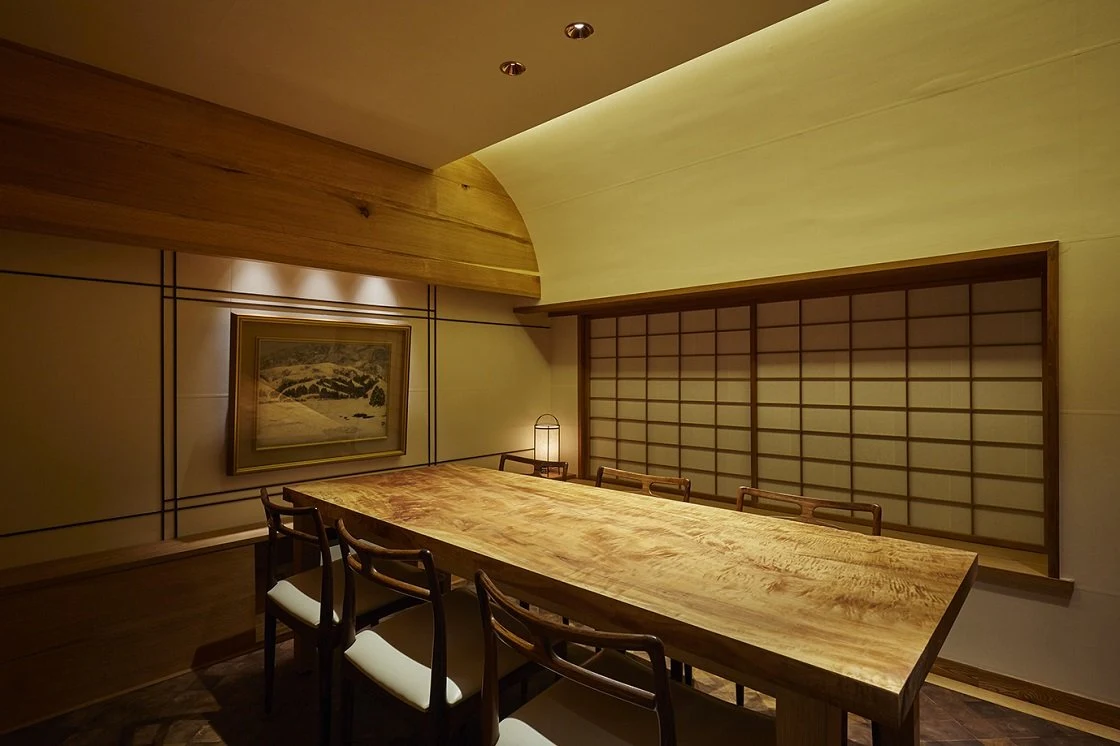
07.Tsumikusa Kaiseki
Miyama Sou
Kyoto, Japan
An hour's drive from central Kyoto into the mountains of Sakyo-ku, Miyama Sou operates as both restaurant and inn, run by the Nakahigashi family across four generations. Chef Hisato Nakahigashi forages daily from the surrounding land, building menus from what the mountain offers rather than what a supplier delivers. For those who find city kaiseki too controlled, this is where the discipline of that tradition meets something less predictable.
● 1 artisanView →

08.Michelin 2-Star Seasonal Kaiseki
Sojiki Nakahigashi
Kyoto, Japan
Among Kyoto's kaiseki houses, Sojiki Nakahigashi occupies a distinct position: a two-Michelin-star counter in Sakyo Ward where the menu is built around wild plants foraged daily from the surrounding hills. Tabelog Silver-rated with a 4.31 score, it holds consistent placement on Opinionated About Dining's Japan rankings and La Liste's global list. Dinner runs ¥30,000–¥39,999; lunch offers the same kitchen at ¥10,000–¥14,999.
● 1 artisanView →
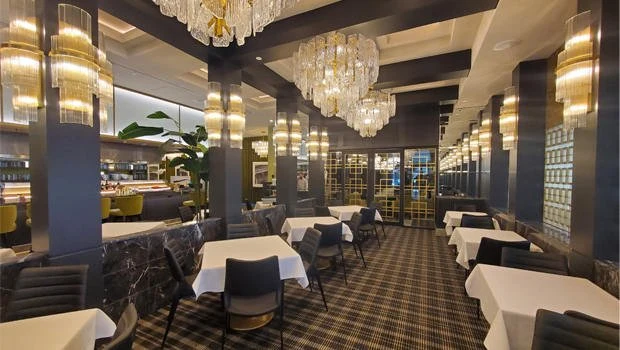
09.Hotel
Park Hyatt Kyoto
Kyoto, Japan
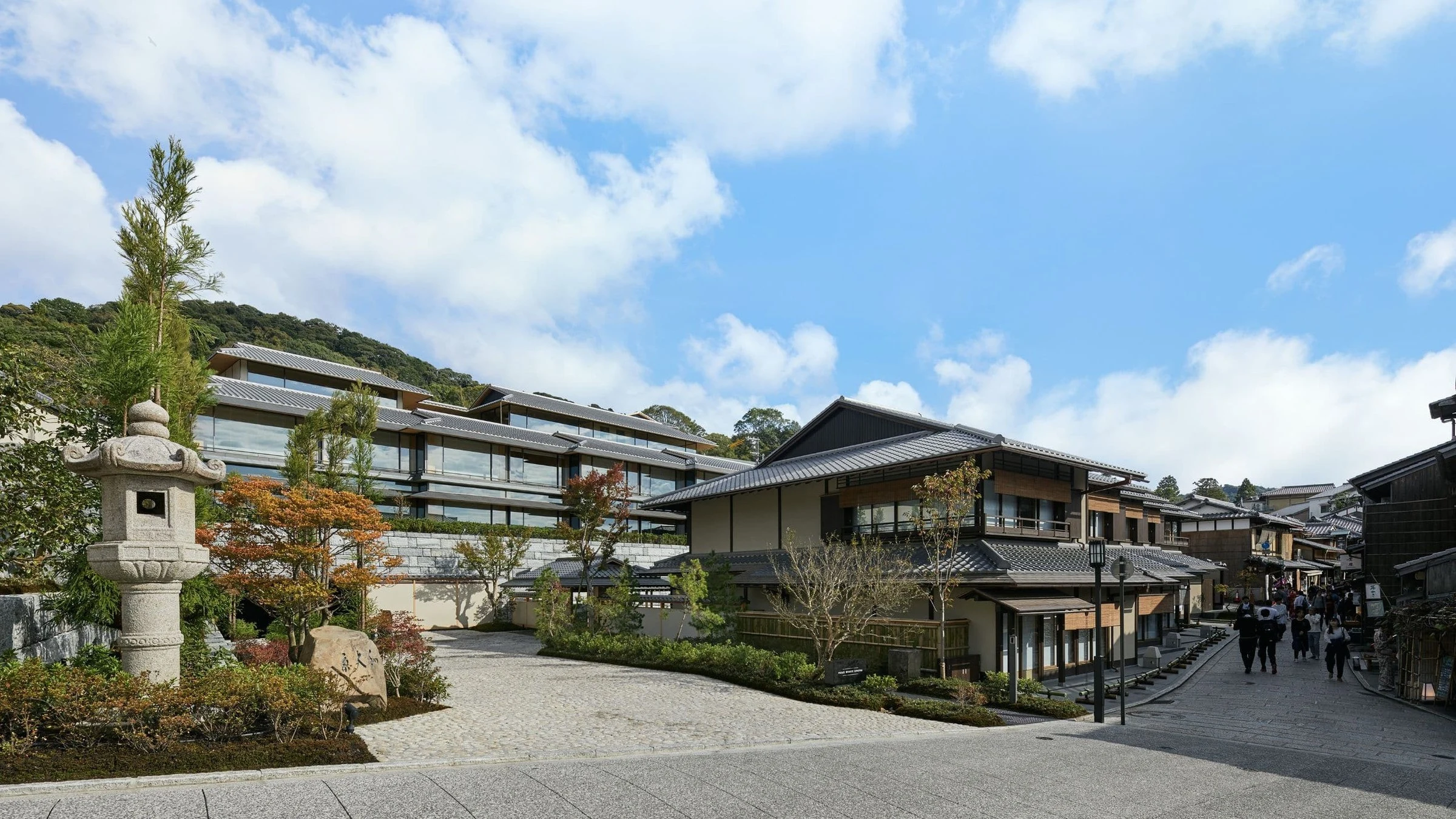
Park Hyatt Kyoto occupies a hillside position in the Higashiyama district, 70 rooms and suites spread across low-slung interconnected buildings designed to recede into the neighbourhood rather than dominate it. Ranked #27 on the World's 50 Best Hotels in 2024 and awarded a Michelin Key that same year, it represents the international luxury chain format at its most restrained, rates from approximately $1,229 per night.
● 1 artisanView →
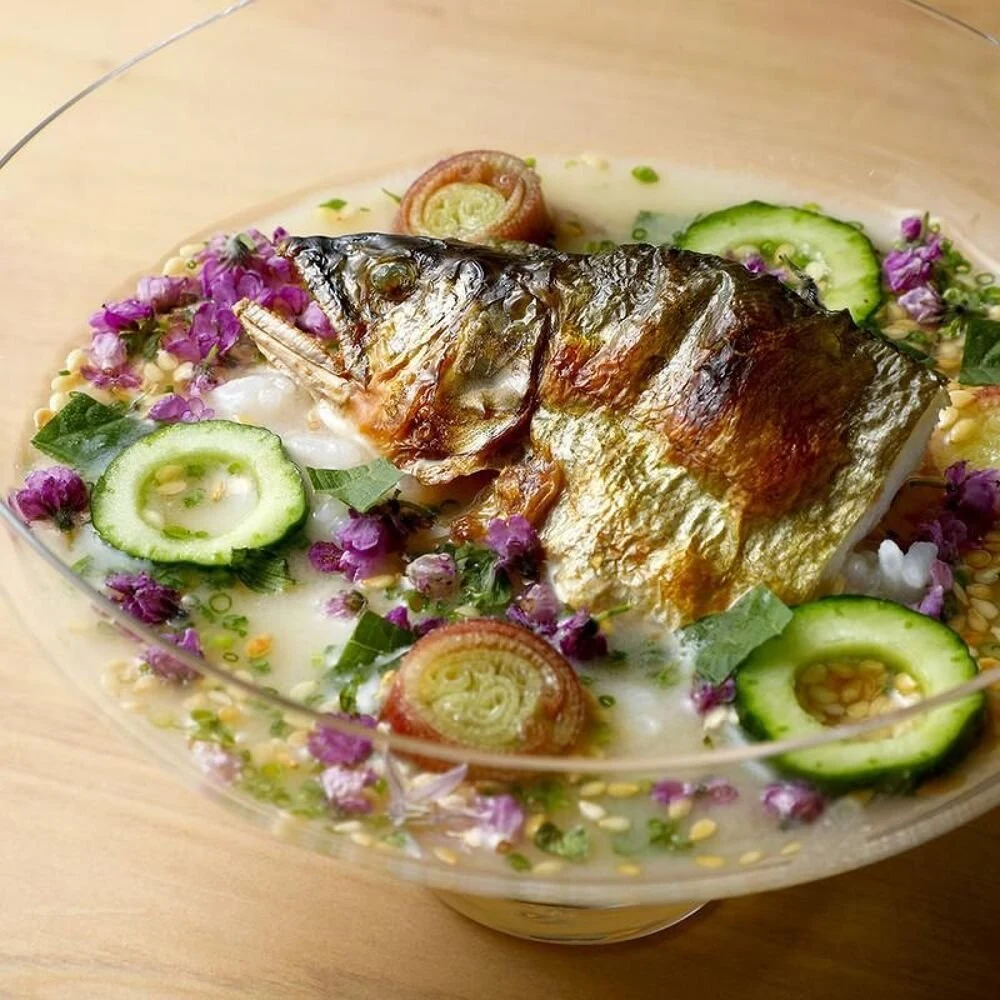
10.Traditional Kyoto Kaiseki with Genshiyaki
Tokuha Motonari
Kyoto, Japan
A Tabelog Gold Award winner operating from a traditional sukiya-style house in Kyoto's Kamigyo Ward, Tokuha Motonari holds a Michelin star and a Tabelog score of 4.52. Chef Shinya Matsumoto draws on experience as a fisherman and broker in the Hokuriku region to source fish unavailable through standard supply chains, with chargrilling techniques that set the kitchen apart from the city's kaiseki mainstream.
● 1 artisanView →
11.Tsumikusa Kaiseki
Miyamaso
Kyoto, Japan
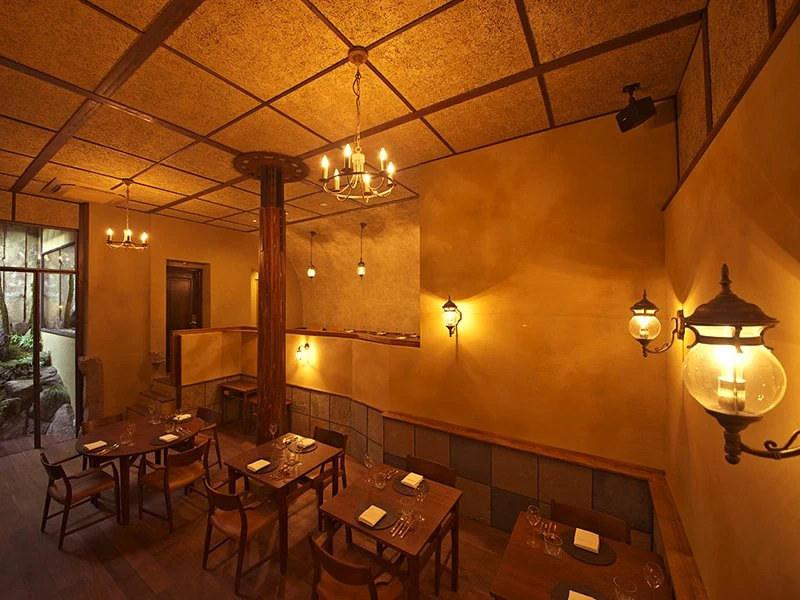
Miyamaso sits in Kyoto’s mountain-dining tradition rather than the city’s counter-dining circuit: a Japanese cuisine inn associated with wild herbs, river fish, game and seasonal plants from Hanase. The serious signals are clear, with Tabelog Award recognition through 2026, Tabelog Japanese cuisine WEST 100 selection and La Liste scoring, but the draw is the slower rhythm of rural Kyoto eating.
● 1 artisanView →
12.Sumibi Kappo Kaiseki
Ifuki
Kyoto, Japan
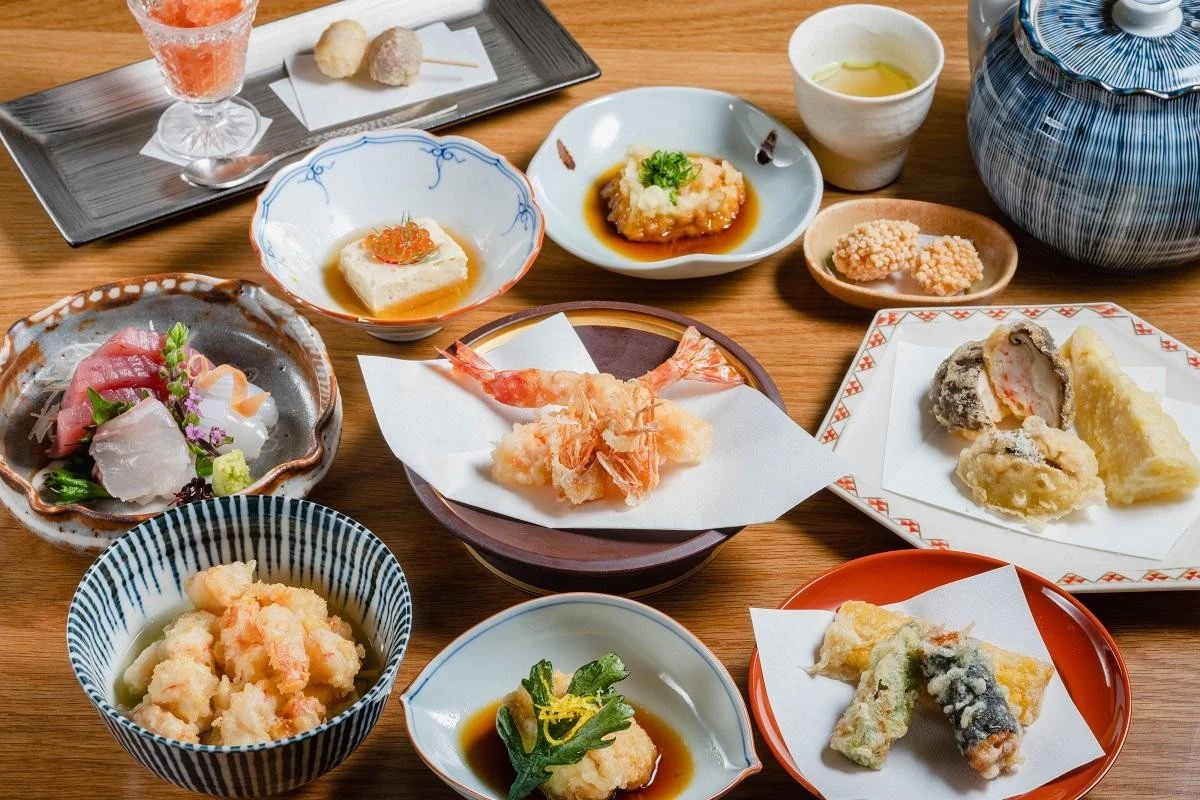
Sumibi kappo Ifuki occupies a discreet address in Gion's Minamigawa, where Chef Norio Yamamoto has spent over a decade building a case for charcoal-grilled kappo as a serious alternative to classic kaiseki. Carrying two Michelin stars since at least 2024, a Tabelog score of 3.98, and consistent placement in the Opinionated About Dining Japan top 100, the 20-seat restaurant frames fire not as technique but as the structural logic of the meal.
● 1 artisanView →
13.Innovative Italian-Japanese Fusion
cenci
Kyoto, Japan
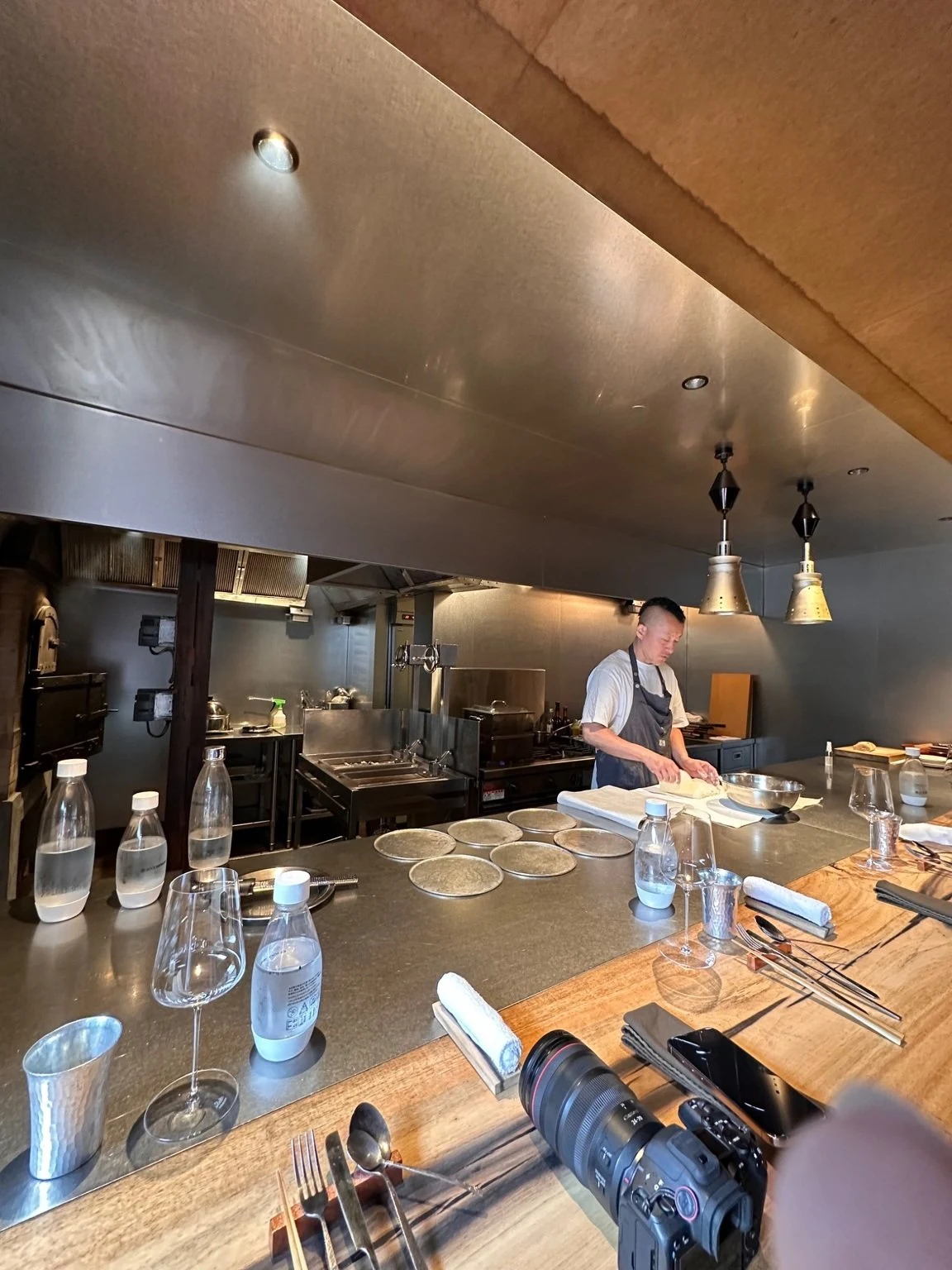
A Michelin-starred Italian restaurant in Kyoto's Sakyo Ward, cenci sits at the intersection of Italian technique and Japanese fermentation traditions, drawing on domestic produce, sake lees, and kombu-based stocks to build a menu that earned Tabelog Bronze recognition from 2020 through 2026 and a place in Asia's 50 Best Restaurants in 2025. Dinner runs ¥20,000–¥29,999 per person; reservations open two months out.
● 1 artisanView →
14.Luxury Kaiseki
Kodaiji Wakuden
Kyoto, Japan
Kodaiji Wakuden sits in Kyoto’s formal kaiseki tier, where private rooms, season-led courses, and the etiquette of the ryotei define the meal more than spectacle. Its Tabelog Award Bronze recognition and placement on Opinionated About Dining’s 2026 Japan ranking put it in a serious competitive set for travelers weighing Kyoto’s ceremonial Japanese restaurants.
● 1 artisanView →
15.Kyoto Kaiseki
Gion Maruyama
Kyoto, Japan
A two-Michelin-star ryotei in the heart of Gion, Gion Maruyama holds a 2025 La Liste score of 87 points and an Opinionated About Dining ranking of #406 in Japan. The kitchen operates under a strict 'flavour, not seasoning' philosophy, running lunch and dinner seatings from Thursday to Tuesday in a space that combines traditional tatami rooms with a modern counter.
● 1 artisanView →
16.Traditional Kyoto Kaiseki
Kodaiji Jugyuan
Kyoto, Japan
A two-Michelin-starred kaiseki address in Higashiyama, Kodaiji Jugyuan occupies a sukiya-style house beside Kodaiji Temple and earns its place in Kyoto's upper dining tier through an unusual combination: French flame technique via the Hiramatsu group, seasonal festival menus rooted in ancient capital customs, and a meat-forward approach that sets it apart from the city's predominantly seafood-led kaiseki counters.
● 1 artisanView →
17.Yusoku Ryori & Kaiseki
Yusokuryori Mankamero
Kyoto, Japan
A two-Michelin-star ryotei in Kyoto's Kamigyo Ward, Yusokuryori Mankamero has operated continuously for three centuries, tracing its lineage from sake dealer to imperial-court banquet house. The restaurant preserves yusoku ryori, the formal cuisine of Heian-era court functions, alongside the Ikama school of shikibocho, a ceremonial knife-handling tradition that frames the kitchen as ritual as much as craft. Price range: ¥¥¥¥.
● 1 artisanView →
18.Seasonal Kyoto Kaiseki
Kikunoi Roan
Kyoto, Japan
Kikunoi Roan is the counter-format expression of the Kikunoi group in Kyoto's Shimogyo Ward, operating under two Michelin stars and a 91-point La Liste score. Chef Yoshihiro Murata prepares kappo-style dishes in full view of guests, making the kitchen's activity as much a part of the meal as what arrives on the plate. It sits at the intersection of classical kaiseki tradition and the more immediate, conversational register of counter dining.
● 1 artisanView →
19.Modern Chinese Fusion
VELROSIER
Kyoto, Japan
VELROSIER brings a rarely attempted format to Kyoto's Shimogyo Ward: modern Chinese cuisine refracted through French culinary technique, earning two Michelin stars and placement on La Liste's global rankings. Chef Yuji Iwasaki's kitchen uses decompression cooking and liquid nitrogen to approach Chinese flavour with European precision. The result is a counter dining experience that sits outside Kyoto's kaiseki mainstream.
● 1 artisanView →
20.Kyoto Kaiseki
Kyokaiseki Kichisen
Kyoto, Japan
Kyokaiseki Kichisen belongs to Kyoto’s formal kaiseki tier, where seasonality, dashi, tableware and room protocol matter as much as luxury signals. Its recognition includes Michelin two-star status in 2024 and 2025, La Liste 81.5 points in 2025, and a 2026 Tabelog Award Bronze, placing it among the city’s serious Japanese dining rooms rather than casual temple-district stops.
● 1 artisanView →
21.Traditional Kyoto Kaiseki Omakase
Nakamura
Kyoto, Japan
Nakamura sits in Kyoto’s formal dining conversation where kaiseki discipline meets the immediacy of teppanyaki. Chef Motokazu Nakamura gives the room a clear authorial line, while La Liste’s 91-point score for 2026 places it in an internationally visible tier without changing the essential appeal: a tightly framed Japanese meal built around season, sequence, and restraint.
● 1 artisanView →
22.Modern Cantonese
Ninshurou
Kyoto, Japan
Ninshurou places Kyoto’s Chinese dining conversation in a small-counter, reservation-only register rather than a banquet-room one. Chef Makoto Ueoka’s eight-seat format, Tabelog Gold recognition, La Liste scoring, and OAD inclusion put it in a serious national frame, with Cantonese technique read through Kyoto’s preference for restraint, seasonality, and close-range service.
● 1 artisanView →
23.Traditional Kaiseki Washoku
Kiyama
Kyoto, Japan
Kiyama belongs to Kyoto’s serious kaiseki conversation: seasonal, formal, and judged by the discipline of sequence rather than spectacle. Recognition from The Tabelog Award, Opinionated About Dining, and Michelin places it in the city’s competitive Japanese cuisine tier, while the room’s counter seating, private rooms, and well-water reference point toward a classical Kyoto dining grammar.
● 1 artisanView →
24.Modern Chinese Fine Dining
Kyo Seika
Kyoto, Japan
A Michelin-starred Chinese restaurant in Kyoto's Higashiyama district, Kyo Seika has held Tabelog Bronze recognition every year since 2017 and ranks among Japan's top 350 restaurants on Opinionated About Dining. Chef Shizuo Miyamoto draws on classical Chinese literature for recipe inspiration, working within a 16-seat room where counter positions face directly into the kitchen. Dinner runs ¥20,000–¥29,999 with a 10% service charge; open Wednesday through Sunday from 18:00.
● 1 artisanView →
25.Kyoto Kaiseki
Doujin
Kyoto, Japan
A kaiseki counter in Kyoto's Sakyo Ward that has climbed from rank 60 to rank 19 on Opinionated About Dining's Japan list in two years, while scoring 83 points on La Liste 2026. Doujin operates evenings only, seven days a week, placing it in the tier of serious destination dining without the institutional weight of the city's older houses.
● 1 artisanView →
26.Traditional Kaiseki
Kitcho Arashiyama - 京都 吉兆 嵐山本店
Kyoto, Japan
Kitcho Arashiyama holds a position at the uppermost tier of Kyoto kaiseki, with a Tabelog score of 3.89, consecutive Bronze Awards from 2020 through 2026, and 98 points on La Liste 2026. Spread across seven private tatami rooms in the Arashiyama district, the restaurant operates on reservations only, with per-person spend running from JPY 60,000 to JPY 79,999 before a 20% service charge.
● 1 artisanView →
27.Modern Kaiseki with Tempura
Tempura Matsu
Kyoto, Japan
Tempura Matsu operates a specialist tempura counter in Ukyo Ward, a residential quarter well west of Kyoto's tourist corridor. Under Chef Kiyoshi Chikano, the kitchen holds La Liste recognition at 92 points (2025 and 2026), Opinionated About Dining ranking among Japan's top restaurants, and a 2024 Michelin Plate. Two tight daily sessions at ¥¥¥ pricing serve an intentional, researched guest base.
● 1 artisanView →
28.Wagyu Kaiseki
Miyoshi
Kyoto, Japan
Miyoshi Kyoto sits in the narrow, high-spend category where wagyu is treated through kaiseki logic rather than steakhouse abundance. The eight-seat counter format, Tsutomu Ito’s beef-focused cooking, Tabelog Silver recognition in 2026, and an OAD Japan ranking place it among Kyoto’s serious meat addresses rather than casual yakiniku rooms.
● 1 artisanView →
29.Modern French with Kyoto Fusion
MOTOÏ
Kyoto, Japan
MOTOÏ places French technique inside Kyoto’s machiya dining culture rather than treating the city as decoration. The Nakagyo room, set in a century-old wooden townhouse, suits a polished but not theatrical meal, with chef Motoi Maeda’s modern French cooking supported by a Michelin star, Tabelog Bronze recognition, and OAD’s 2026 Japan recommendation.
● 1 artisanView →
30.Japanese
Tominokoji Yamagishi
Kyoto, Japan
Yamagishi sits in Kyoto’s serious kaiseki tier: a small counter format, seasonal Japanese cuisine, and recognition including The Tabelog Award 2026 Silver and a 2025 Michelin Plate. The appeal is not spectacle but discipline, with the meal framed by Kyoto’s multi-course tradition rather than a loose tasting-menu format.
● 1 artisanView →
31.Kyoto-Style Tempura Omakase
Kyoboshi
Kyoto, Japan
An eight-seat counter in Gion's Hanamikoji district, Kyoboshi has held Tabelog Bronze recognition every year from 2017 through 2026 and appears in the Tabelog Tempura 100 for 2022, 2023, and 2025. Dinner runs JPY 15,000 to 19,999, reservations are mandatory, and the format is counter-only, six evenings a week under chef Toshinori Sakakibara.
● 1 artisanView →
32.Traditional Kaiseki
Gion Owatari
Kyoto, Japan
Gion Owatari sits in Kyoto’s high-priced kaiseki tier, where counter intimacy, ingredient control and dashi work matter more than spectacle. Mahito Owatari’s eight-seat Gion room carries Michelin one-star recognition, a 2026 Tabelog Bronze Award and placement on OAD’s 2026 Japan ranking, making it a serious address for diners comparing Kyoto’s ingredient-led Japanese cuisine at the upper end.
● 1 artisanView →
33.Modern Japanese Kaiseki
Kenya
Kyoto, Japan
An eight-seat counter in Kyoto's Okazaki quarter, Kenya earned a Michelin star in 2024 and holds a Tabelog Silver Award (2025, score 4.28), placing it firmly among the city's most recognised modern Japanese tables. Dinner runs JPY 20,000 to 29,999 per head, with a format built around traditional technique filtered through a contemporary sensibility, and a devotion to rice and sake sourced from Aomori.
● 1 artisanView →
34.Michelin-Starred Tea Kaiseki
Godan Miyazawa
Kyoto, Japan
A Michelin-starred kaiseki counter in Kyoto's Shimogyo Ward, Godan Miyazawa operates at the measured pace that defines the city's dining tradition. Chef Masato Miyazawa earned consecutive Opinionated About Dining rankings alongside Michelin recognition for work that anchors seasonal vegetables, peas, corn, ginkgo, turnip, inside classical technique while leaving room for considered invention.
● 1 artisanView →
35.Modern Kaiseki Omakase
Higashiyama Tsukasa
Kyoto, Japan
Kyoto kaiseki often rewards restraint, but Higashiyama Tsukasa works in a more free-form register: counter seating, a seasonal Japanese base, and ideas that move beyond strict classical boundaries. Recognition from Tabelog Bronze and Opinionated About Dining places it in the city’s serious Japanese dining tier, with a format better suited to diners who want precision without predictability.
● 1 artisanView →
36.Modern Okinawan Fine Dining
KOKE
Kyoto, Japan
A Michelin-starred restaurant in Kyoto's Nakagyo Ward, KOKE sits at the intersection of Okinawan culinary tradition and European technique. Chef Yusaku Nakamura arranges dishes from the Ryukyu royal court on Yachimun pottery and Ryukyu lacquer trays, grilling over wood and charcoal in a stone oven. The result is a menu architecture that reads as biography rendered in food, priced at ¥¥¥.
● 1 artisanView →
37.Kaiseki
Gion Kida
Kyoto, Japan
Gion Kida in Kyoto presents modern kappo/kaiseki focused on seasonal omakase. Must-try dishes include fugu shirako, Hokkaido crab nigiri and awabi (abalone). The intimate eight-seat counter and private tatami rooms deliver an interactive chef-led experience, while a Michelin star (2023 to 2025) and generous portions underline the restaurant’s high standards. Expect carefully prepared flavors, precise textures, warm sake service and a calm, refined atmosphere in Gion’s historic Higashiyama quarter. Reservations are required and menus change daily to highlight matsutake, winter fugu and the region’s best seafood.
● 1 artisanView →
38.Modern French with Japanese Influences
MUNI ALAIN DUCASSE
Kyoto, Japan
MUNI ALAIN DUCASSE holds a Michelin star (2024) and brings classical French technique to Nakagyo Ward, Kyoto, at the ¥¥¥¥ price tier. The restaurant sits within the broader movement of European fine dining adapting to Japan's seasonal and ingredient-led philosophy, placing it alongside Kyoto's most demanding tables rather than its tourist-facing French bistros. Advance reservations are strongly recommended at this level.
● 1 artisanView →
39.Modern Kaiseki
Jiki Miyazawa
Kyoto, Japan
A Michelin-starred kappo restaurant in Nakagyo Ward, Jiki Miyazawa holds one of the more considered positions in Kyoto's mid-tier kaiseki scene, recognised by Opinionated About Dining among Japan's top 500 restaurants in both 2024 and 2025. Chef Masato Miyazawa's menu draws on a distinctive background, layering seasonal Japanese technique with influences from time spent at the Polish ambassador's residence.
● 1 artisanView →
40.Modern Kyoto Kaiseki A La Carte
Mirei
Kyoto, Japan
A Michelin-starred Japanese restaurant in Kyoto's Nakagyo Ward, Mirei draws on the cross-cultural perspective of chef-owner Yuzo Nakao, whose formative years in the port city of Nagasaki shaped an à la carte philosophy that diverges from Kyoto's kaiseki mainstream. The restaurant is ranked 348th in Japan by Opinionated About Dining (2025) and holds a Google rating of 4.4 across 80 reviews.
● 1 artisanView →
41.Modern Nordic-Influenced Fusion
LURRA°
Kyoto, Japan
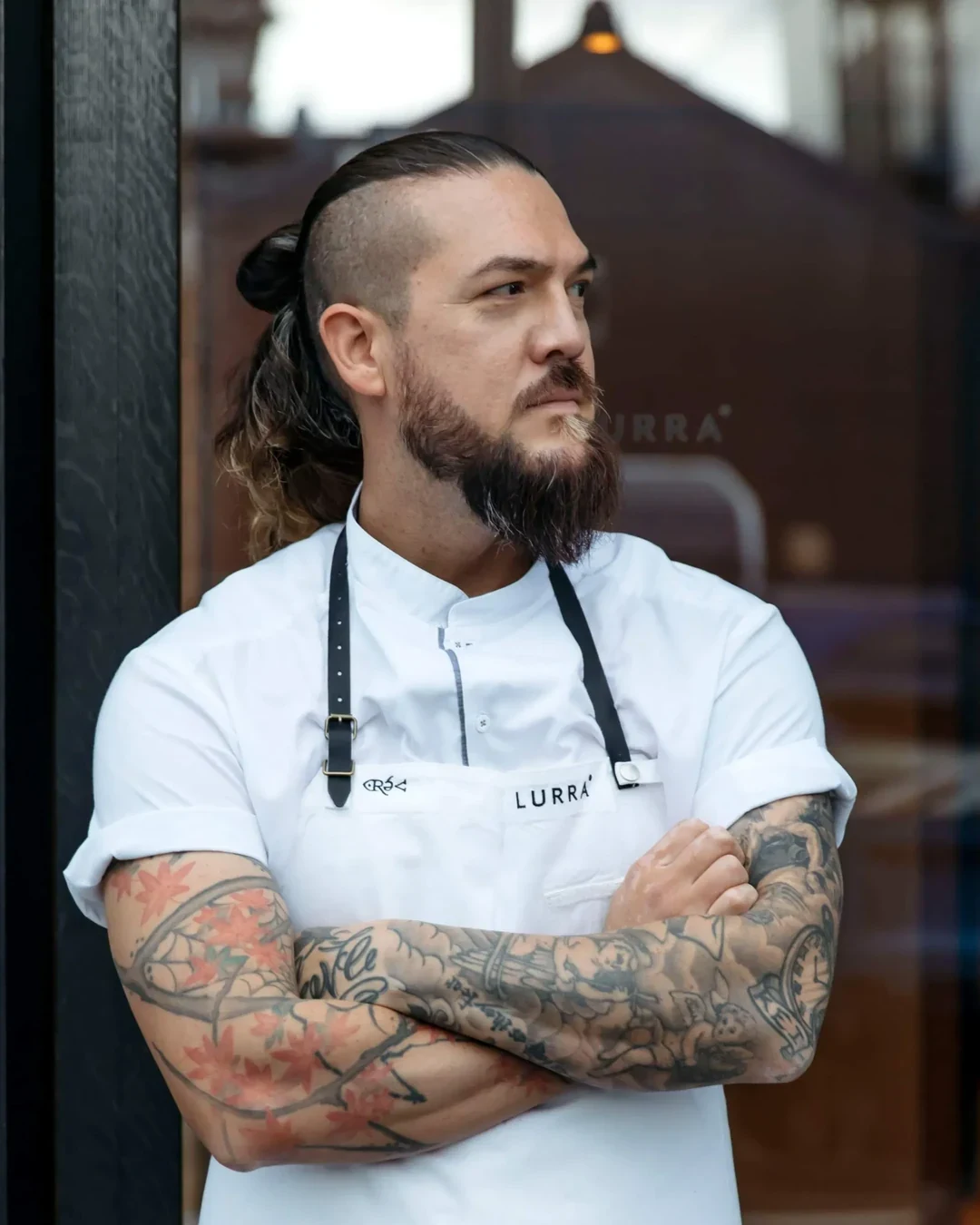
Kyoto’s innovative dining tier has moved beyond imitation kaiseki, with fire, vegetables, fish, wine, and cocktail pairings forming a more international grammar. LURRA° belongs in that conversation through chef Jacob Kear’s nature-led cooking, Tabelog Bronze 2025 recognition, Tabelog 100 Innovative / Creative Cuisine 2025 selection, and OAD Recommended status for Japan in 2026.
● 1 artisanView →
42.Kyoto-Style Sushi Omakase with Kaiseki
Kikunoi Sushi Ao
Kyoto, Japan
Kikunoi Sushi Ao is the sushi offshoot of Kyoto's storied Kikunoi ryotei, operating in the '¥¥¥¥' tier with a kappo-style format that weaves nigiri through a progression of appetisers, sashimi and soup. Ingredients receive unusually direct treatment, tiger prawn char-grilled in the shell, conger eel finished with black seven-spices, while Rosanjin ceramics add a layer of material culture few sushi counters in Japan can match. Rated 4.4 across 860 Google reviews.
● 1 artisanView →
43.Modern Kaiseki Counter Dining
Noguchi
Kyoto, Japan
Noguchi places Kyoto kaiseki in a compact, referral-only format led by chef Daisuke Noguchi, with eight counter seats and one private table room. Its standing is supported by The Tabelog Award 2026 Silver, a 4.39 Tabelog score, and a place on Opinionated About Dining’s 2026 Japan ranking, making it a serious address for diners who value restraint over theatre.
● 1 artisanView →
44.Modern Japanese Izakaya
Shokudou Ogawa
Kyoto, Japan
Kyoto’s kaiseki conversation often splits between formal temple-seasonality and smaller counter rooms where the structure relaxes without losing discipline. Shokudou Ogawa belongs to the latter camp: a 12-seat counter associated with Yosuke Ogawa, repeated Tabelog Award recognition, and a fish-led Japanese cuisine format that reads as serious rather than ceremonial.
● 1 artisanView →
45.Italian
Yamaguchi
Kyoto, Japan
A referral-only Italian counter in the heart of Gion, Yamaguchi holds a Tabelog Silver Award for 2026 and a score of 4.48, placing it among Japan's top 150 restaurants by peer review. Chef Tadashi Yamaguchi runs just six counter seats and two private rooms, operating Tuesday through Saturday evenings. Courses begin at ¥35,000 per person, with average spend tracking between ¥50,000 and ¥59,999.
● 1 artisanView →
46.Kyoto-style Chinese
Nishibuchi Hanten
Kyoto, Japan
Nishibuchi Hanten sits in Kyoto’s small, serious Chinese dining tier, where counter format and Kyoto restraint matter as much as regional Chinese technique. Kentaro Nishibuchi’s kitchen has Tabelog Silver recognition for 2026 and a place on Tabelog Chinese WEST 100, making it a useful reference point for how the city absorbs Chinese cuisine without turning it into spectacle.
● 1 artisanView →
47.Innovative Kyoto French
TOKI
Kyoto, Japan
A French-Japanese contemporary restaurant in Kyoto's Nakagyo Ward, TOKI frames its cooking around the principle that dashi is the Japanese equivalent of fond, the foundational stock on which flavour is built. Chef Tetsuya Asano works a broad spectrum of dashi types alongside French technique, pairing ingredients such as duck with duck-based dashi or foie gras with sake lees. A Michelin Plate holder with an Opinionated About Dining ranking, it carries one of Kyoto's more distinctive cross-cultural positions.
● 1 artisanView →
48.Premium Omi Beef Steakhouse
Kuishinbo Yamanaka
Kyoto, Japan
Kyoto’s beef culture is often read through sukiyaki, wagyu kaiseki and teppanyaki theatre; Kuishinbo Yamanaka takes the quieter steak-and-yoshoku route in Katsura. Its Omi beef focus, Tabelog Award history and OAD Japan ranking place it in a serious meat-dining bracket without the central-Kyoto gloss.
● 1 artisanView →
49.Modern Kaiseki
Maeda 前田
Kyoto, Japan
A ten-seat kaiseki counter in Gion operating since 2012, Maeda 前田 holds a Tabelog score of 3.89 and has appeared in Opinionated About Dining's Japan rankings every year from 2023 to 2025, reaching as high as #50. Dinner runs JPY 40,000 to 49,999, with a programme that places particular emphasis on fish cookery and a carefully curated nihonshu selection. Photography is not permitted.
● 1 artisanView →
50.Traditional Kaiseki
Oryori Hayashi
Kyoto, Japan
In Kyoto's Kamigyo Ward, Oryori Hayashi represents the quieter register of kaiseki, a tradition-rooted counter anchored by chef Wataru Hayashi and tracked by both La Liste and Opinionated About Dining since 2023. The service windows are tight (two sittings daily, Wednesday closed), and the 4.1 Google score across 127 reviews reflects a room that rewards preparation over spontaneity.
● 1 artisanView →
51.Exclusive Kaiseki
Kawaguchi
Kyoto, Japan
Kawaguchi belongs to Kyoto’s small-counter Japanese dining tier, where reputation is built less through spectacle than through consistency, access, and peer recognition. With Koji Kawaguchi named as chef, six counter seats, a Tabelog Award 2026 Silver, and OAD Japan recognition, it sits in the city’s serious kappo-adjacent conversation rather than the casual Gion dinner circuit.
● 1 artisanView →
52.French-Japanese Fusion Fine Dining
Ryoriya Stephan Pantel
Kyoto, Japan
A 15-seat French restaurant in Kyoto's Nakagyo ward, Ryoriya Stephan Pantel has held Tabelog Bronze recognition every year since 2017 and earned Tabelog French WEST 100 selection in 2021, 2023, and 2025. The format is dinner-only, with a single nightly seating at 18:00 and a wine program given notable attention. It operates at the intersection of classical French discipline and Kyoto's seasonal ingredient culture.
● 1 artisanView →
53.Italian with Kyoto Seasonal Influences
La Locanda
Kyoto, Japan
An Italian restaurant beside the Kamo River at Nijō Bridge, La Locanda operates within the Sekisui House hospitality group and holds a place on Opinionated About Dining's 2025 ranking of Japan's top restaurants. With a 1,500-bottle cellar weighted toward Burgundy and Italy, and a corkage policy that rewards guests who plan ahead, it occupies a specific niche among Kyoto's foreign-cuisine addresses.
● 1 artisanView →
54.Traditional Japanese Kaiseki with Tango Peninsula Ingredients
Tan
Kyoto, Japan
A Michelin Bib Gourmand recipient in Higashiyama, Tan draws its identity directly from Kyotango, the coastal northern region of Kyoto Prefecture. Rice grown by the staff, vegetables sourced from Tango farmers, and gohan cooked in clay pots define a menu that treats ingredient provenance as the central argument. Diners gather around a communal daidokoro table, making this one of the more grounded, produce-led addresses in the city.
● 1 artisanView →
55.Vegetable-Focused Seasonal Italian
ristorante DONO
Kyoto, Japan
ristorante DONO occupies the second floor of a building overlooking the torii gate of Heian Shrine in Okazaki, bringing Italian cooking into direct conversation with Kyoto's seasonal ingredient culture. Chef Pino Saccheri, second son of Sojiki Nakahigashi's owner, tends his own fields and forages edible wild plants, translating that harvest into risotto, pasta, and vegetable-forward dishes with a Michelin Plate recognition in both 2024 and 2025.
● 1 artisanView →
56.Chicken Shoyu Ramen
Ramen Touhichi
Kyoto, Japan
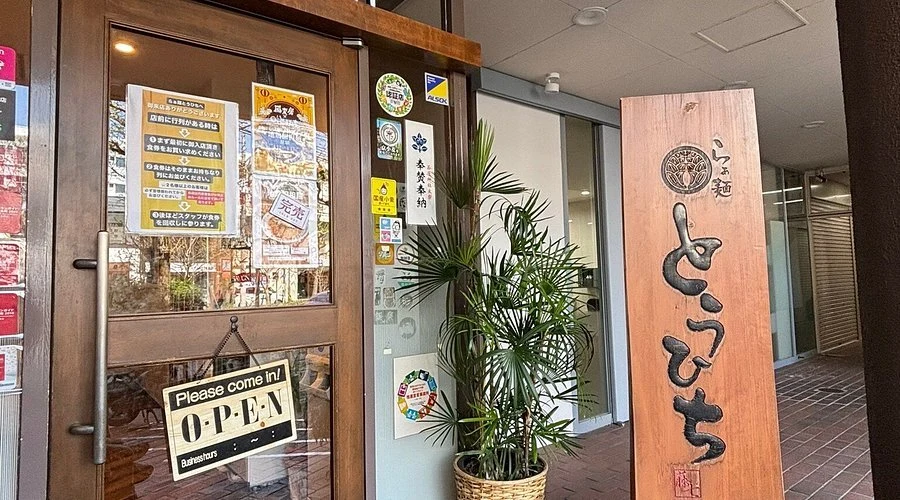
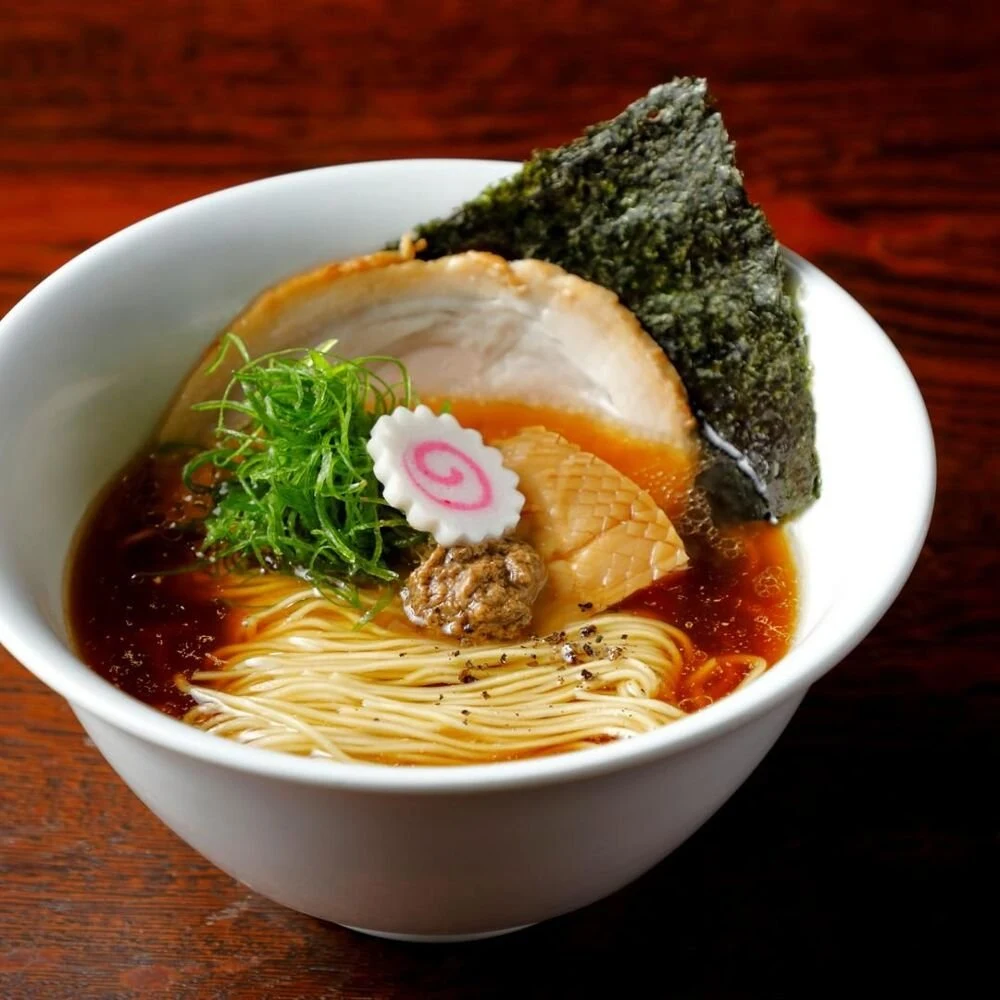
Ramen Touhichi, awarded the Michelin Bib Gourmand in both 2024 and 2025, operates from Kyoto's Sakyo Ward with a single-ingredient discipline rare even in Japan's ramen scene. The kitchen builds every bowl from locally raised free-range chicken and water, stripping back stock-making to its most essential form. Google reviewers rate it 4.1 across more than 1,300 submissions.
● 1 artisanView →
57.Traditional Shojin Ryori (Zen Buddhist Vegan)
Shigetsu
Kyoto, Japan
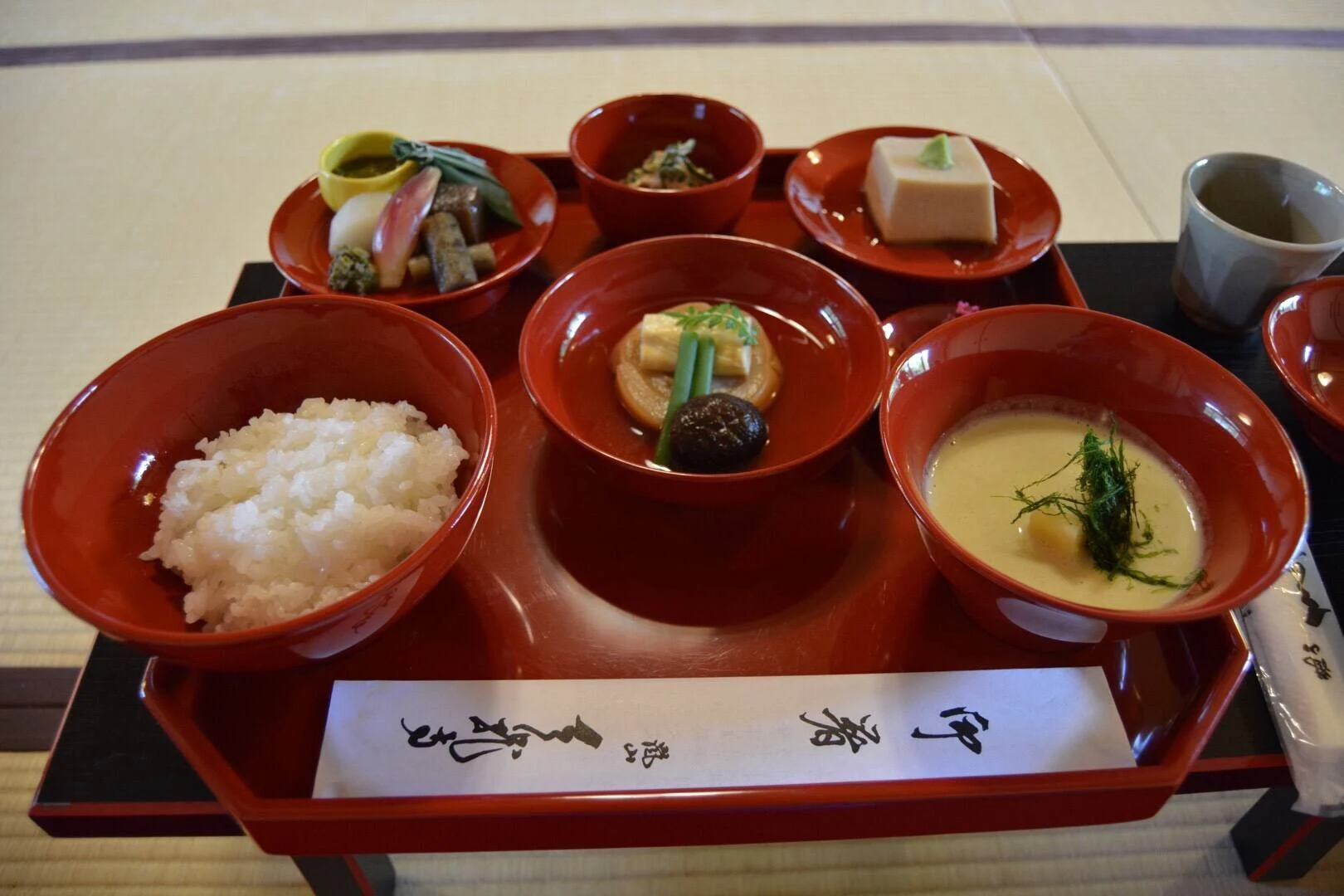
Shigetsu serves traditional shojin cuisine at Tenryu-ji Temple, with garden views, formal lunch service, and sustained Michelin Bib Gourmand recognition.
● 1 artisanView →
58.Seasonal Kaiseki
Ankyu
Kyoto, Japan
A kaiseki counter in Kyoto's Higashiyama ward, Ankyu has climbed steadily through Opinionated About Dining's Japan rankings, #186 in 2024, #171 in 2025, while holding a Tabelog Bronze Award with a score of 3.9. Chef Hiromi Ueda operates within Kyoto's most concentrated tier of traditional Japanese dining, where the beverage programme and seasonal rhythm are as consequential as the food itself.
● 1 artisanView →
59.Aged Pork Tonkatsu
Jukuseibuta Kawamura
Kyoto, Japan
A Michelin Bib Gourmand recipient in consecutive years (2024 and 2025), Jukuseibuta Kawamura sits in Kyoto's Yamashina Ward and builds its menu around aged, carefully sourced pork. The kitchen's signature approach rests on twice-frying at low temperature and a selection of named pork breeds and grades, with the aged 'jukusei-buta' cut at the centre of it all. For the price bracket, the depth of sourcing and technique is difficult to match in Kyoto's tonkatsu scene.
● 1 artisanView →
60.Authentic Cantonese with Kyoto Ingredients
Canton Shunsai Ikki
Kyoto, Japan
A Michelin Bib Gourmand-recognised Chinese restaurant in Kyoto's Higashiyama Ward, Canton Shunsai Ikki draws on Guangdong culinary technique and cooks with rice bran oil to coax clean, fragrant flavour from seasonal ingredients. The mid-range price point (¥¥) and tight booking window make early planning essential. Rated 4.4 on Google across 107 reviews.
● 1 artisanView →
61.Kappo
Yamaji Yosuke
Kyoto, Japan
At the edge of Gion's southern machiya district, Yamaji Yosuke holds a Michelin Plate for its kappo-French hybrid format, where Chef Makoto Okamoto's apprenticeship in France inflects traditional Japanese counter cooking with techniques and relationships built across Europe and beyond. The result is a mid-price counter open daily for lunch and dinner, drawing a 4.3 Google rating from 176 reviews.
● 1 artisanView →
62.Creative Japanese Soba Fusion
Saryo Tesshin
Kyoto, Japan
A Michelin Bib Gourmand soba counter in Nakagyo Ward where the cooking draws as much from northern Italy as from buckwheat tradition. The signature Daigo Soba, draped in Parmigiano Reggiano and finished with bonito broth and olive oil, frames the kitchen's cross-cultural instinct. An eight-metre gold-leaf ceiling painting of tigers and rabbits sets the theatrical register before a single bowl arrives.
● 1 artisanView →
63.Traditional Japanese Oden
Oito
Kyoto, Japan
A fourth-generation oden counter on Kiritoshi Alley in Gion, Oito holds a Michelin Bib Gourmand for a single-item lunch format built around a broth handed down through the family since the venue's founding. Daikon, eggs simmered for days, beef tendon, and takikomi-gohan compose a meal that sits well outside Kyoto's kaiseki register, quieter in register, longer in lineage.
● 1 artisanView →
64.Traditional Kyo-Sushi
Sushizen
Kyoto, Japan
Sushizen occupies a different tier from Kyoto's high-spend kaiseki circuit, holding a Michelin Bib Gourmand for two consecutive years and an Opinionated About Dining ranking among Japan's top restaurants. The kitchen runs as a two-generation family operation in Nakagyo Ward, with chirashizushi, oshizushi of pike conger and conger eel, and futomaki representing a style of Kyoto sushi that prioritises technique and local seafood tradition over theatre.
● 1 artisanView →
65.Traditional Kyoto Soba & Udon
Gombei
Kyoto, Japan
A Michelin Bib Gourmand holder in Kyoto's Gion district, Gombei serves udon and soba with the kind of unpretentious precision that has long drawn kabuki actors and geisha to its counter. The kitchen's soft-boiled noodles and two-style kitsune udon sit at the affordable end of the city's noodle hierarchy, making this one of the more accessible addresses in a neighbourhood otherwise defined by kaiseki formality.
● 1 artisanView →
66.Handmade 100% Buckwheat Soba
Juu-go
Kyoto, Japan
A Michelin Bib Gourmand soba specialist in Kyoto's Jodoji district, Juu-go operates on an unusually austere premise: a menu built entirely around buckwheat, from grain to bowl. Chef Akiya Ishibashi mills his own flour and kneads dough only after guests are seated. The result is juwari soba, 100% buckwheat, thick-cut, that rewards attention and repeat visits.
● 1 artisanView →
67.Char-grill Izakaya
Sambongi Shoten
Kyoto, Japan
A Michelin Bib Gourmand recipient in 2024 and 2025, Sambongi Shoten operates in Kyoto's Kamigyo Ward as a mid-range izakaya where the charcoal grill anchors a deliberately cross-genre menu spanning Japanese, French, and Chinese cooking. Organic wines and warm sake complete a drinks list shaped around conviviality rather than ceremony. Google reviewers rate it 4.3 across 103 submissions.
● 1 artisanView →
68.Luxury Soba Kaiseki
Itsutsu
Kyoto, Japan
A Michelin Bib Gourmand soba house in Kyoto's Kita Ward, Itsutsu sits steps from Daitoku-ji Temple and belongs to the Wakuden family of restaurants. The omakase format moves through seasonal dishes before arriving at soba served plain or with spicy daikon. Its name references the five colours of the buckwheat plant, a signal of how seriously the kitchen treats its single, central ingredient.
● 1 artisanView →
69.Classic French Bistro
Bistro Cerisier
Kyoto, Japan
Bistro Cerisier holds consecutive Michelin Bib Gourmand recognition (2024 and 2025) for its classically grounded French cooking in Kyoto's Sakyo Ward. Regional French dishes, quenelles, cassoulet, white asparagus with Hollandaise, appear alongside a sauce-forward kitchen philosophy that positions this among the city's most serious Western tables at a mid-range price point.
● 1 artisanView →
70.Japanese Izakaya with Fresh Seafood
Saketosakana DNA
Kyoto, Japan
Saketosakana DNA in Kyoto is a Modern Japanese izakaya highlighting Sea of Japan seafood and local sake. Must-try dishes include Kombu and Bonito Dashi Soup, Charcoal-Grilled Fish, and Horse Mackerel Tempura. The restaurant pairs daily deliveries from Obama, Fukui, with a curated sake list from Fukui and Fushimi, creating memorable food-and-sake matches. Recognized with a Michelin Bib Gourmand (2024), the space offers counter seats facing an open charcoal grill and a warm, intimate atmosphere. Expect precise dashi, smoky grilled textures, and bright, clean sashimi that emphasize freshness and regional provenance.
● 1 artisanView →
71.Authentic Chinese Noodle Soups
Chinese Noodles ROKU
Kyoto, Japan
Chinese Noodles ROKU, inside Good Nature Station in Shimogyo Ward, holds consecutive Michelin Bib Gourmand recognition (2024 and 2025) for a ramen built on stocks drawn from duck, chicken, venison, and pork bones. Chef Yuji Iwasaki layers dried longan fruit and Chinese medicinal herbs into clear soup with a depth that places ROKU well outside the standard tonkotsu-shoyu axis. One of Kyoto's most considered bowls at a single-¥ price point.
● 1 artisanView →
72.Traditional Kyoto Soba
Chikuyuan Taro no Atsumori
Kyoto, Japan
A Michelin Bib Gourmand soba specialist in Kyoto's Kamigyo Ward, Chikuyuan Taro no Atsumori frames buckwheat noodles through the lens of yakuzen medicinal cooking. The signature Atsumori-soba, boiled fresh and served hot from the pot with Kujo green onion, egg, and wasabi, positions this as one of Kyoto's more considered addresses for affordable, tradition-rooted Japanese noodle dining.
● 1 artisanView →
73.Traditional Japanese Kushi-age
Kushi Tanaka
Kyoto, Japan
A Michelin Bib Gourmand counter in Nakagyo Ward where kushiage takes an inventive, rapid-fire form. The prix fixe format, called 'Ippo Tsuko' or 'one way', places skewers directly in front of guests without consultation, moving through combinations like mushroom with soy butter and steamed wheat gluten with yuzu miso. At ¥¥ pricing, it sits well below Kyoto's kaiseki ceiling while earning consecutive Michelin recognition in 2024 and 2025.
● 1 artisanView →
74.Hotel
THE THOUSAND KYOTO
Kyoto, Japan
The Thousand Kyoto operates at the larger end of Kyoto's luxury hotel spectrum, with 222 rooms positioned in Shimogyo Ward within walking distance of Kyoto Station. Where many of the city's premium properties compete on intimacy and minimal key counts, The Thousand occupies a different register: accessible scale without sacrificing the considered design sensibility that Kyoto's hospitality culture demands.
● 1 artisanView →
75.Sichuan Chinese
Akihana
Kyoto, Japan
A Michelin Bib Gourmand recipient two consecutive years running, Akihana operates in Kyoto's Ichijoji neighbourhood where a chef trained in creative Chinese cooking returns to regional fundamentals. Sichuan preparations anchor the menu, with a signature mapo tofu built on wagyu beef sinew rather than ground meat, and an XO sauce fried rice that threads Suruga coastal ingredients through Kyoto's culinary register.
● 1 artisanView →
76.Japanese Rice-Focused Izakaya
Komedokoro Inamoto
Kyoto, Japan
A Michelin Bib Gourmand izakaya in Kyoto's Shimogyo Ward, Komedokoro Inamoto organises its menu around rice as the central ingredient rather than an afterthought. Small plates sourced from Ehime prefecture arrive alongside sake that changes daily, making the format genuinely different from the city's kaiseki-heavy dining tier. At ¥¥ pricing, it offers one of the sharper value propositions among Kyoto's recognised restaurants.
● 1 artisanView →
77.Kyoto Kappo
Tsuroku
Kyoto, Japan
A Nakagyo Ward counter where the à la carte format signals a deliberate departure from Kyoto's fixed-course orthodoxy. Chef Kento Ueda's kitchen holds a Michelin Plate and an OAD ranking, with particular depth in wanmono, the small-bowl dishes that define classical Kyoto technique. Guji grilled pinecone-style and white miso soup anchor a menu rooted in the city's culinary identity.
● 1 artisanView →