Ramen Touhichi
- 01CuisineChicken Shoyu Ramen
- 02CityKyoto, Japan
- Michelin Bib Gourmand · Michelin Guide
- Opinionated About Dining Casual in Japan Ranked #101 · 2026
- Michelin Bib Gourmand · 2026
- Tabelog 100 #76: 3.7pts · 2025
- Pearl Recommended Restaurant · 2025
- Michelin Bib Gourmand · 2025
- Michelin Bib Gourmand · 2024
A Counter in Yamabana, and the Logic of One Ingredient
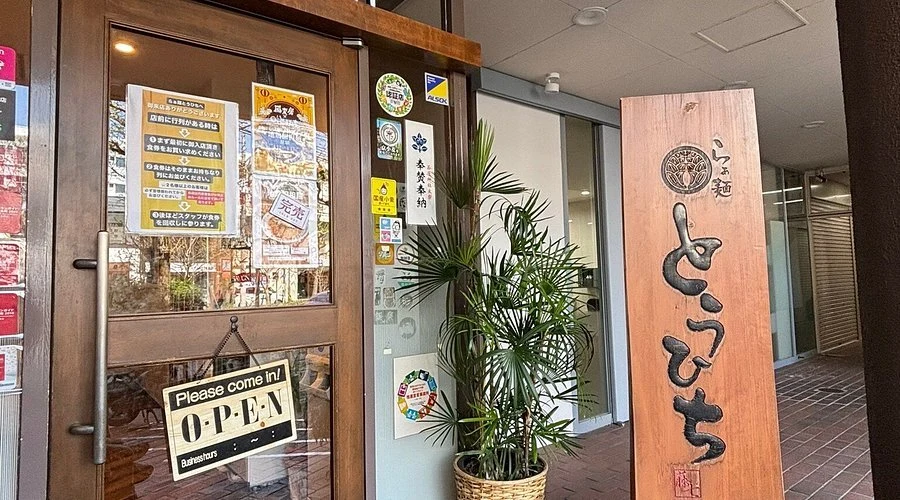
Sakyo Ward sits northeast of central Kyoto, where the city begins to thin against the forested slopes leading toward Kurama and Ohara. The neighbourhood around Yamabana is quieter than the tourist corridors of Gion or Arashiyama, and a ramen counter here operates on a different register than the high-traffic bowls served near Kyoto Station. Arriving at Ramen Touhichi means travelling past the river, past the residential blocks of modest apartment buildings, and eventually arriving at a ground-floor shop whose name references the house where the chef was born. That biographical detail is not incidental to the food; it signals the local rootedness that shapes every decision in the kitchen.
The Discipline of Chicken-Only Stock
Japan's ramen tradition accommodates extraordinary diversity: pork-bone tonkotsu from Fukuoka, seafood-forward shio from Hokkaido, complex multi-stock blends from Tokyo. Within that range, single-protein dashi-based broths sit at the more restrained, ingredient-focused end of the spectrum, and chicken-only stocks are among the more demanding to execute cleanly. Without pork fat to round edges or dried seafood to add umami depth, the chicken carries every dimension of the bowl.
Ramen Touhichi's approach is to use locally raised free-range chicken and water, nothing more, as the dashi base for its signature soy-sauce ramen. The tare is raw soy sauce kaeshi, which preserves the brighter, less cooked character of the soy. The result is a broth whose flavour profile is narrow by design: the idea is to communicate chicken in the purest possible form rather than to layer complexity from multiple sources. This is a specific editorial position within ramen philosophy, and it aligns Touhichi with a strand of Japanese cooking that values restraint as a form of craft, visible at high price points in kaiseki houses like Gion Sasaki or Kyokaiseki Kichisen, and applied here at a fraction of the cost.
Among Kyoto's Bib Gourmand ramen counters, KOBUSHI Ramen, Menya Inoichi, and Kombu to Men Kiichi each take a different approach to broth construction. Touhichi's single-protein discipline places it in a distinct position within that peer group.
Reading the Menu as a Ritual Sequence
The menu at Touhichi is short, which is itself an instruction about how to eat here. Short menus in ramen shops that have held Michelin recognition for consecutive years are not a sign of limited ambition; they are a statement of focus. Each item on the menu is a different expression of the same central ingredient.
The signature soy-sauce ramen is the foundational bowl. Beyond it, the menu extends into variations that explore how chicken changes character depending on technique. Chicken boiled in plain water is served as a separate dish, which shifts the attention from noodle and broth to the protein itself. Cold noodles soaked in kombu dashi, served with a dipping sauce of chicken soy sauce, introduce a seasonal and textural contrast, with the kombu adding a light marine note that functions as a counterpoint rather than a competing flavour. Chicken-oil noodles, served without soup, isolate the fat-based delivery of chicken flavour and work as both a closer and a palate statement.
Eating across the menu rather than ordering a single bowl reveals the kitchen's logic: chicken is not a background ingredient but the entire subject. The meal, eaten in this order, has the character of a composed tasting even though the format is a neighbourhood ramen shop. This kind of structural coherence, where each dish teaches the diner something new about a single ingredient, is more commonly associated with multi-course formats, and its presence here at a ¥-tier price point is worth noting for anyone navigating Kyoto's range of dining experiences.
For ramen served with comparable ambition in Tokyo, Afuri offers a useful counterpoint with its yuzu shio focus, and the same operator's Afuri Ramen in Portland demonstrates how Japan's ramen philosophy travels internationally. Other Kyoto noodle venues worth comparing include Mendokoro Janomeya and Chinese Noodles ROKU.
Counter Culture and the Rhythm of the Room
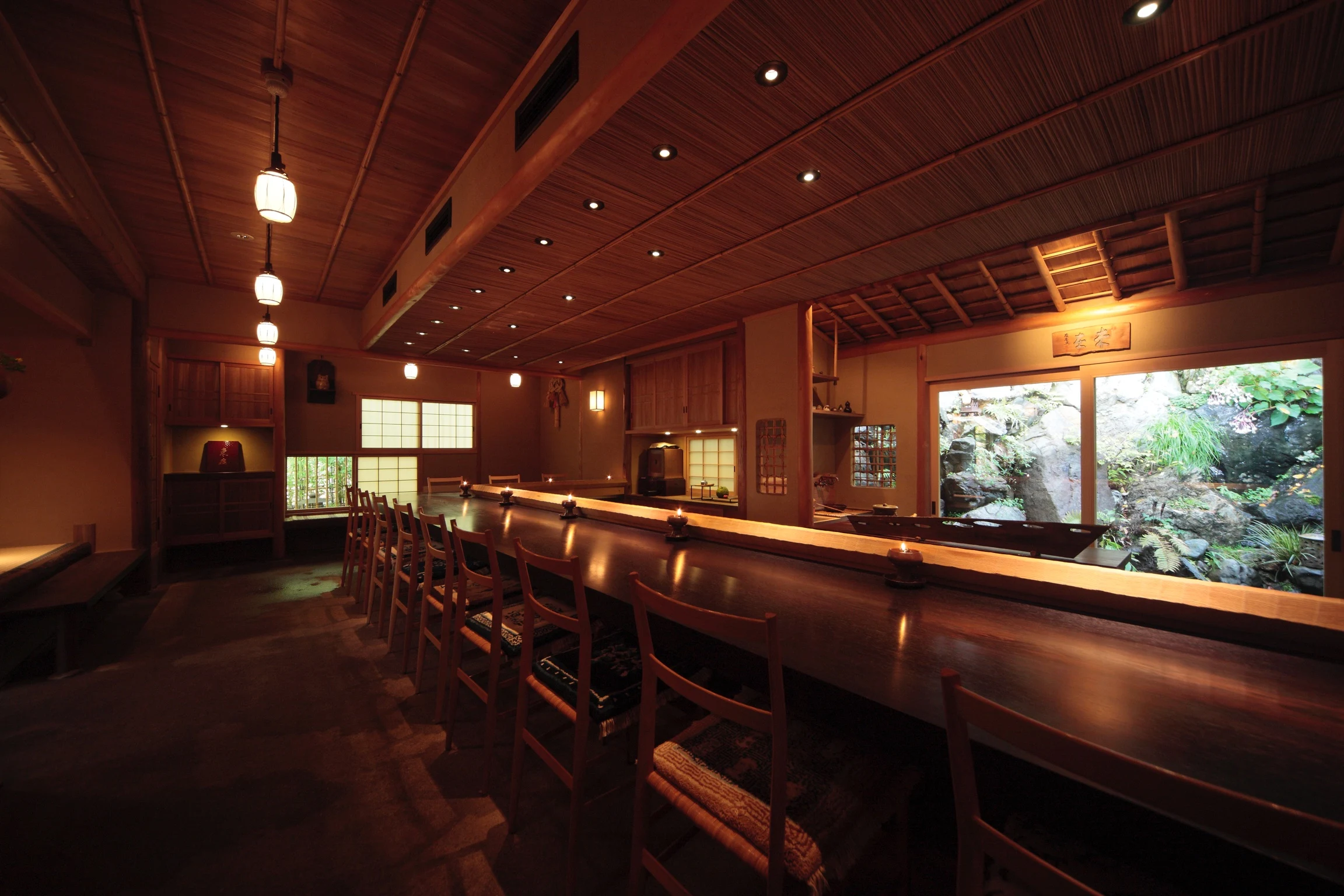
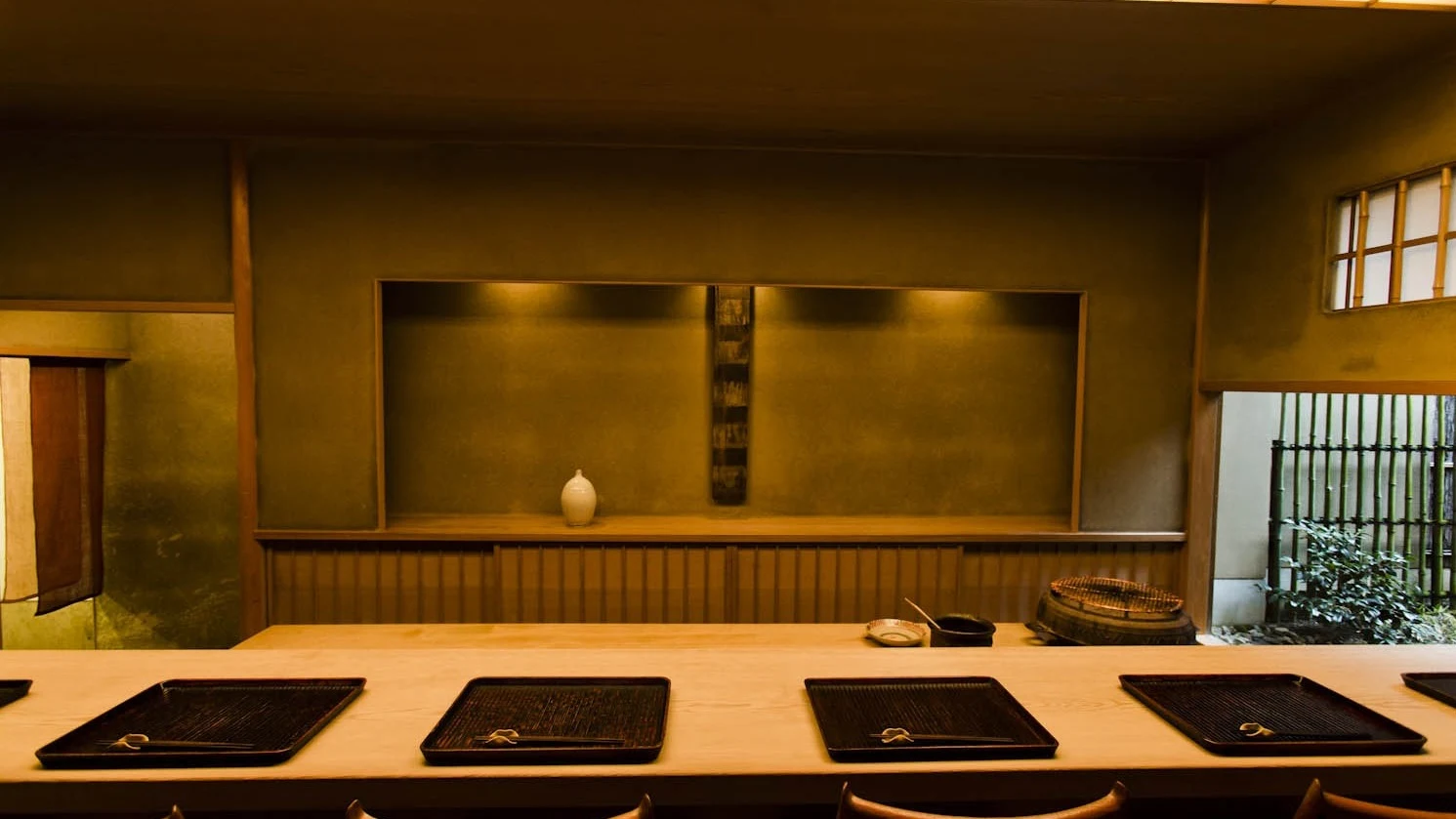
Ramen counters operate on a different social contract than table-service restaurants. The chef works in full view, the seating is close, and the pace is set by the kitchen rather than by the diner's conversation. At Touhichi, where the chef is described as working at the counter full of pride in his native Kyoto, that visibility is part of the experience. You are watching someone execute a single-ingredient discipline they have spent years refining, and the proximity of the counter format makes that legible in a way that a table in a larger dining room would not.
The etiquette here follows standard Japanese ramen practice: order deliberately, eat while the bowl is at temperature, and treat the broth as a serious preparation rather than a residual liquid. Slurping is both accepted and appropriate, as it aerates the broth and is understood within Japanese food culture as engagement rather than rudeness. The cold noodle format, served with dipping sauce on the side, requires a different technique: dip briefly, eat quickly, and use the remaining dipping broth at the end diluted with hot water if the counter provides it, which is common practice in tsukemen formats across Japan.
Kyoto has enough high-format dining, see HAJIME in Osaka, Harutaka in Tokyo, akordu in Nara, Goh in Fukuoka, and 1000 in Yokohama for a broader regional picture, that the ramen counter format reads clearly as a deliberate mode rather than a default. Coming here after a kaiseki lunch or before an evening at one of the city's whisky bars is a legitimate sequencing strategy, not a compromise.
Awards and Peer Position
The Michelin Bib Gourmand, awarded in both 2024 and 2025, identifies restaurants that deliver quality above what the price point might suggest. For a ¥-tier ramen counter, two consecutive years of Bib recognition is a meaningful signal: it places Touhichi in the category of shops where Michelin's inspectors found something worth returning to evaluate again. Google's aggregate rating of 4.1 across 1,364 reviews provides independent corroboration that the experience holds across a broad range of diners, not just critics.
Within Kyoto's Michelin-recognised dining tier, the Bib category sits below the star level occupied by kaiseki institutions, but it operates as a separate and respected designation. The Bib exists precisely to document high-ratio-value restaurants, and a ramen counter holding two consecutive years of it is doing something specific well enough to sustain scrutiny.
Planning Your Visit
| Detail | Ramen Touhichi | Peer Reference (Kyoto Bib Gourmand Ramen) |
|---|---|---|
| Price tier | ¥ | ¥ to ¥¥ across the comparable set |
| Awards | Michelin Bib Gourmand 2024, 2025 | Varies; several hold single-year recognition |
| Google rating | 4.1 (1,313 reviews) | Typically 3.9 to 4.3 in this category |
| Location | Yamabana, Sakyo Ward | Most Kyoto ramen counters cluster closer to city centre |
| Format | Counter, single-ingredient dashi focus | Varied; many use multi-protein stocks |
| Booking | not confirmed | Many Kyoto ramen counters are walk-in only |
Hours and booking information are not confirmed in our current data. Given the counter format and Bib Gourmand status, arriving early in the service period or checking current hours directly before travel is advisable.
What to Order at Ramen Touhichi
The signature soy-sauce ramen is the bowl that defines the kitchen's position: chicken dashi made only from locally raised free-range chicken and water, finished with raw soy sauce kaeshi. This is the dish that earned consecutive Bib Gourmand recognition and the one against which the rest of the menu should be measured. If the counter offers the cold kombu dashi noodles with chicken soy dipping sauce alongside it, ordering both gives a clear picture of how the kitchen moves across temperatures and textures while keeping chicken as the constant. The chicken-oil noodles (served without soup) are a further expression of the same ingredient logic and work as a secondary order for those who want to understand the full range of the menu's thinking.
Questions
Frequently asked
What recognition does Ramen Touhichi hold?
Ramen Touhichi holds a Michelin Bib Gourmand.
How expensive is Ramen Touhichi?
Ramen Touhichi is listed at a price level of $$.
Where is Ramen Touhichi and what does it serve?
Ramen Touhichi is in Sakyō, Kyoto, serving Chicken Shoyu Ramen.
The field
How it compares
| Place | Cuisine | Notes | Awards |
|---|---|---|---|
| Ramen Touhichi | Chicken Shoyu Ramen | Sakyō, $$ | · |
| Gion Sasaki | Modern Kaiseki | Kyoto | Michelin 3 Stars |
| Hyotei | Traditional Kaiseki | Kyoto | Michelin 3 Stars |
| Isshisoden Nakamura | Traditional Kyoto Kaiseki | Kyoto | Michelin 3 Stars |
| Kikunoi Honten | Kyoto Kaiseki Ryotei | Kyoto | Michelin 3 Stars |
| Mizai | Traditional Kaiseki | Kyoto | Michelin 3 Stars |
| Ogata | Kaiseki Omakase | Kyoto | Michelin 2 Stars |