- Opinionated About Dining Top Restaurants in Japan Recommended · 2026
- Michelin Plate · 2026
- Opinionated About Dining Top Restaurants in Japan Ranked #291 · 2025
- Michelin Plate · 2025
- Michelin Plate · 2024
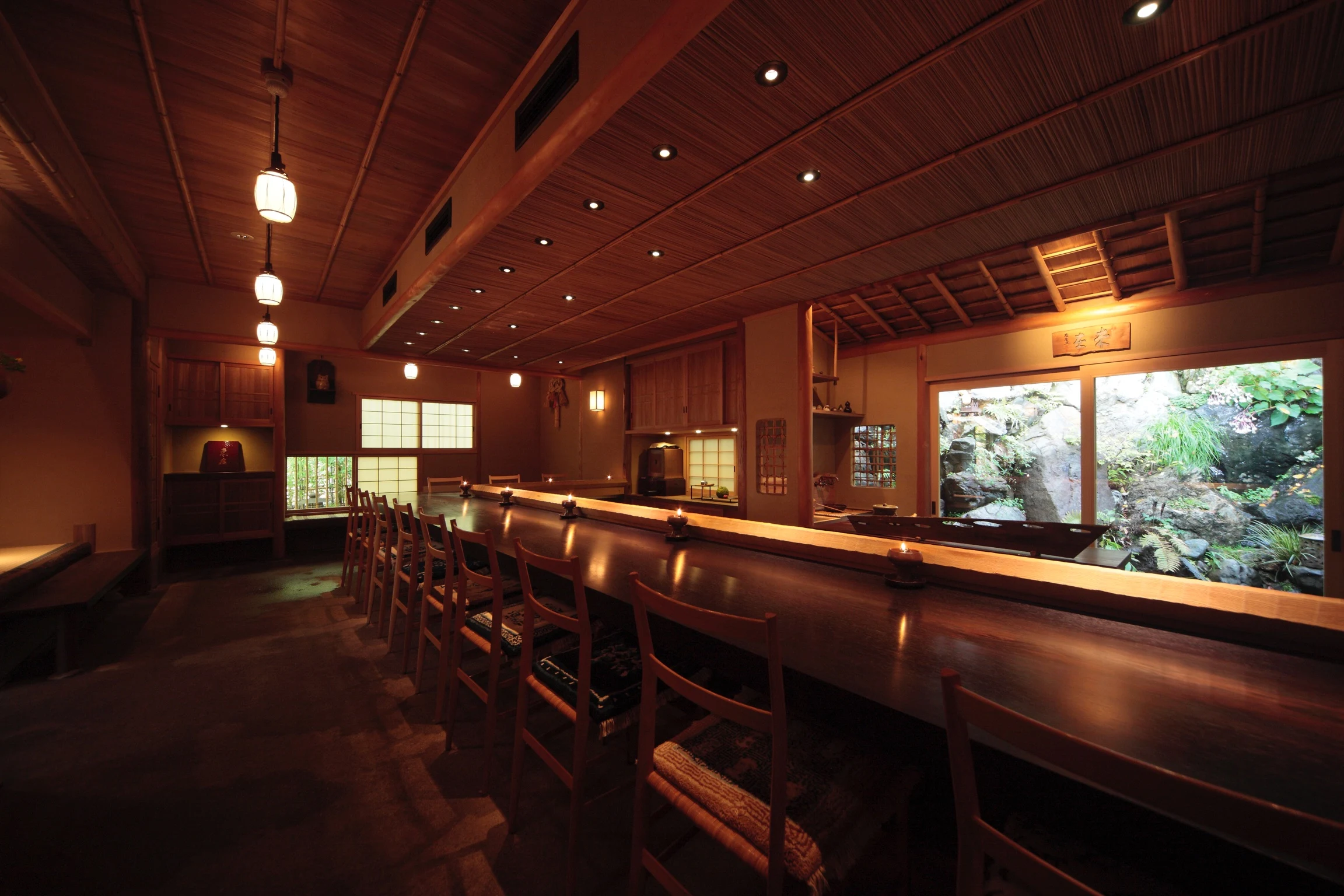
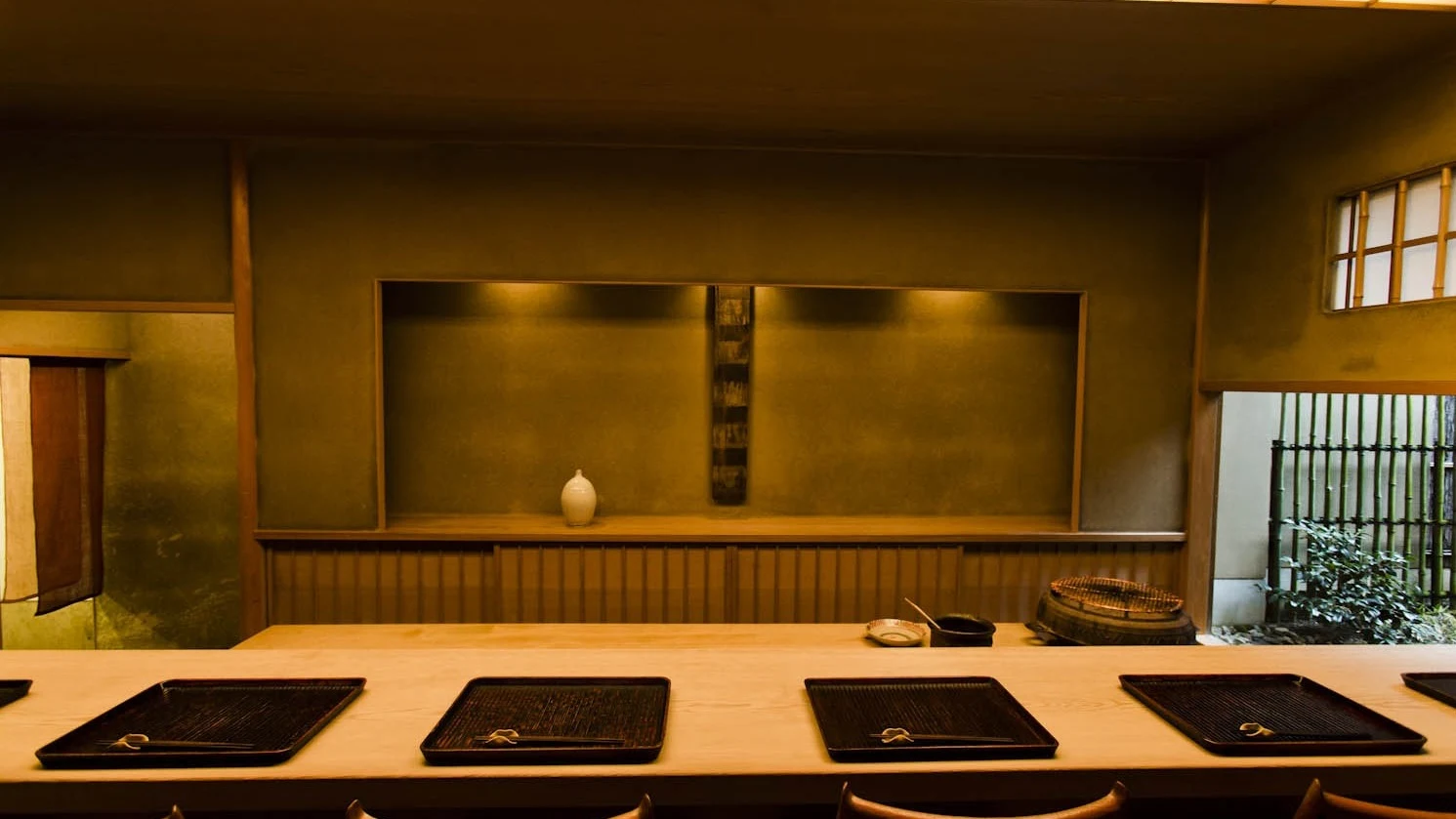
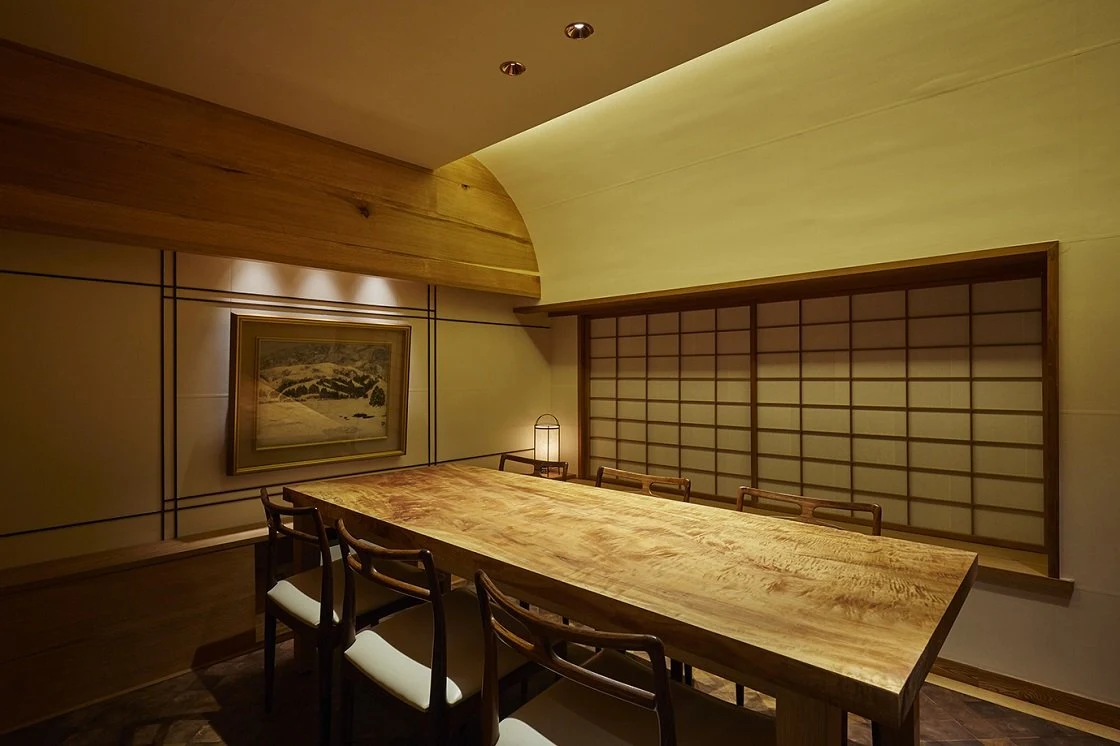
The À La Carte Counter in a City Built on Fixed Menus
Most serious Japanese restaurants in Kyoto do not give you a choice. You sit, the kitchen decides the sequence, and the meal moves at its own pace. That contract is so fundamental to kaiseki culture that departing from it reads as a statement. Tsuroku, on Matsuyacho in Nakagyo Ward, has made precisely that statement: every item on the menu is ordered à la carte.
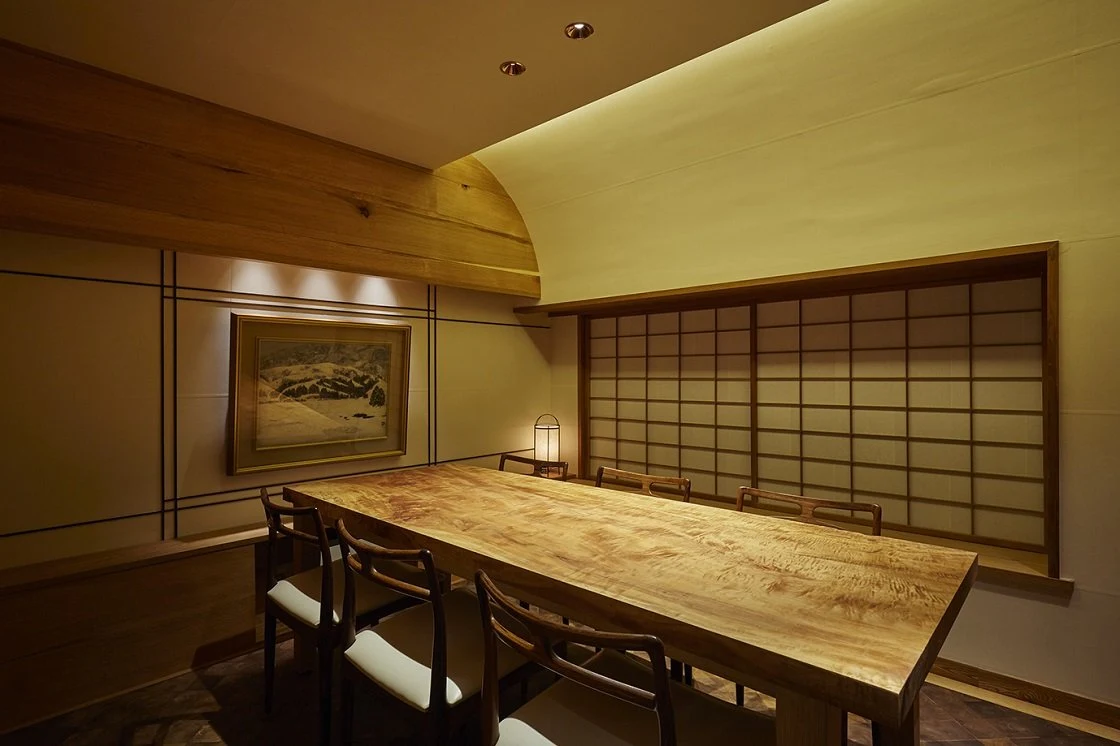
The consequence is a different kind of room. Regulars can drop in without committing to a full multi-course arc. First-time visitors can build their own sequence. The pacing becomes collaborative rather than prescribed. In a city where the kaiseki counter, whether the multi-starred formalism of Kikunoi Roan or the refined quiet of Isshisoden Nakamura, remains the dominant template, that openness has genuine scarcity value.
The Ritual, Reordered
Japanese dining at its most considered is not merely about what arrives on the table but the intentionality behind each moment: how a bowl is presented, the temperature at which a broth reaches you, the deliberate restraint that keeps each course from overshadowing the next. Those principles do not disappear at Tsuroku simply because the menu is à la carte. They are redistributed.
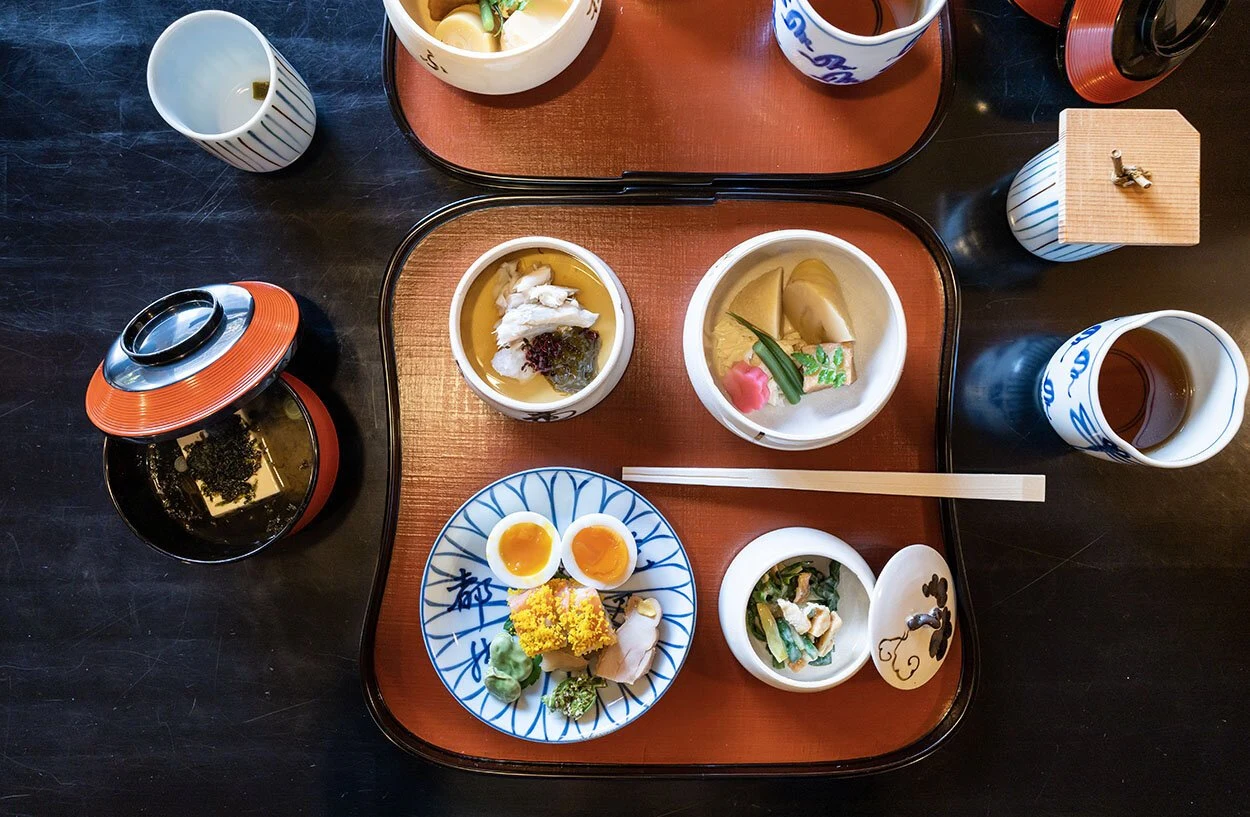
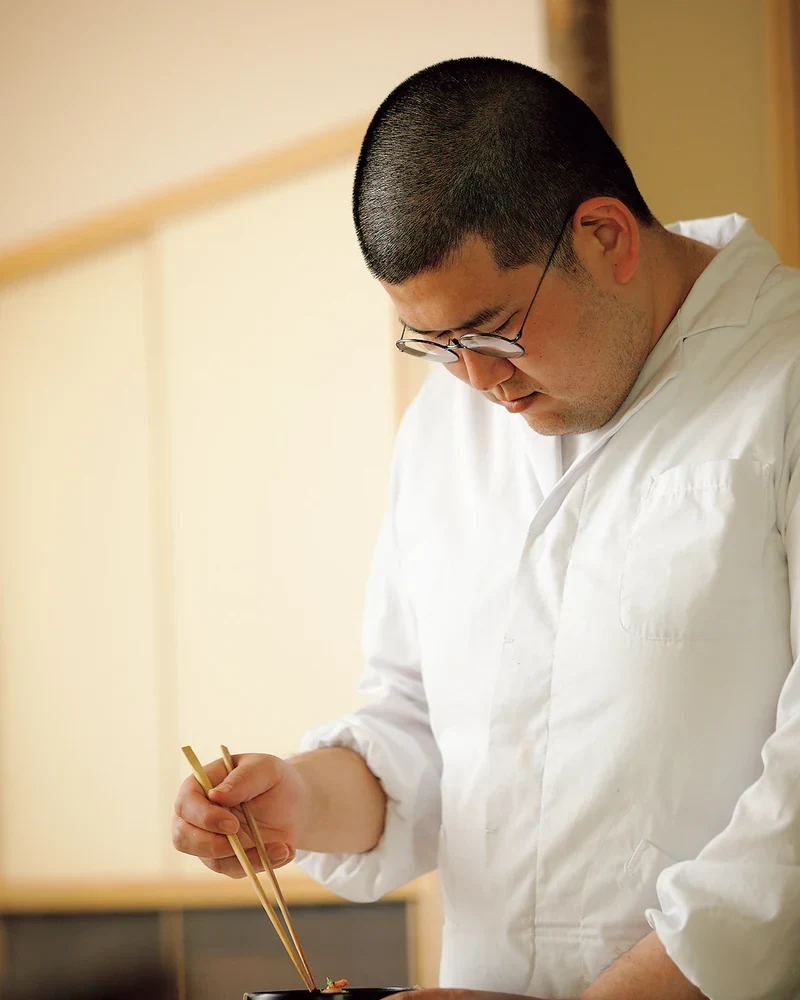
The kitchen's depth is in wanmono, the small-bowl category that sits at the technical and philosophical heart of Kyoto cooking. Wanmono typically involves a clear or lightly seasoned dashi broth served in a lacquered bowl, often with shinjo, a hand-formed seafood or tofu dumpling, as the centrepiece. The discipline required to produce shinjo at any standard worth ordering is significant: the texture must hold without becoming dense, the seasoning must amplify the dashi without competing with it, and the presentation must look considered without appearing laboured. Chef Kento Ueda has built the kitchen around this category. Shinjo is not a crowd-pleasing flourish. It is a test of fundamentals.
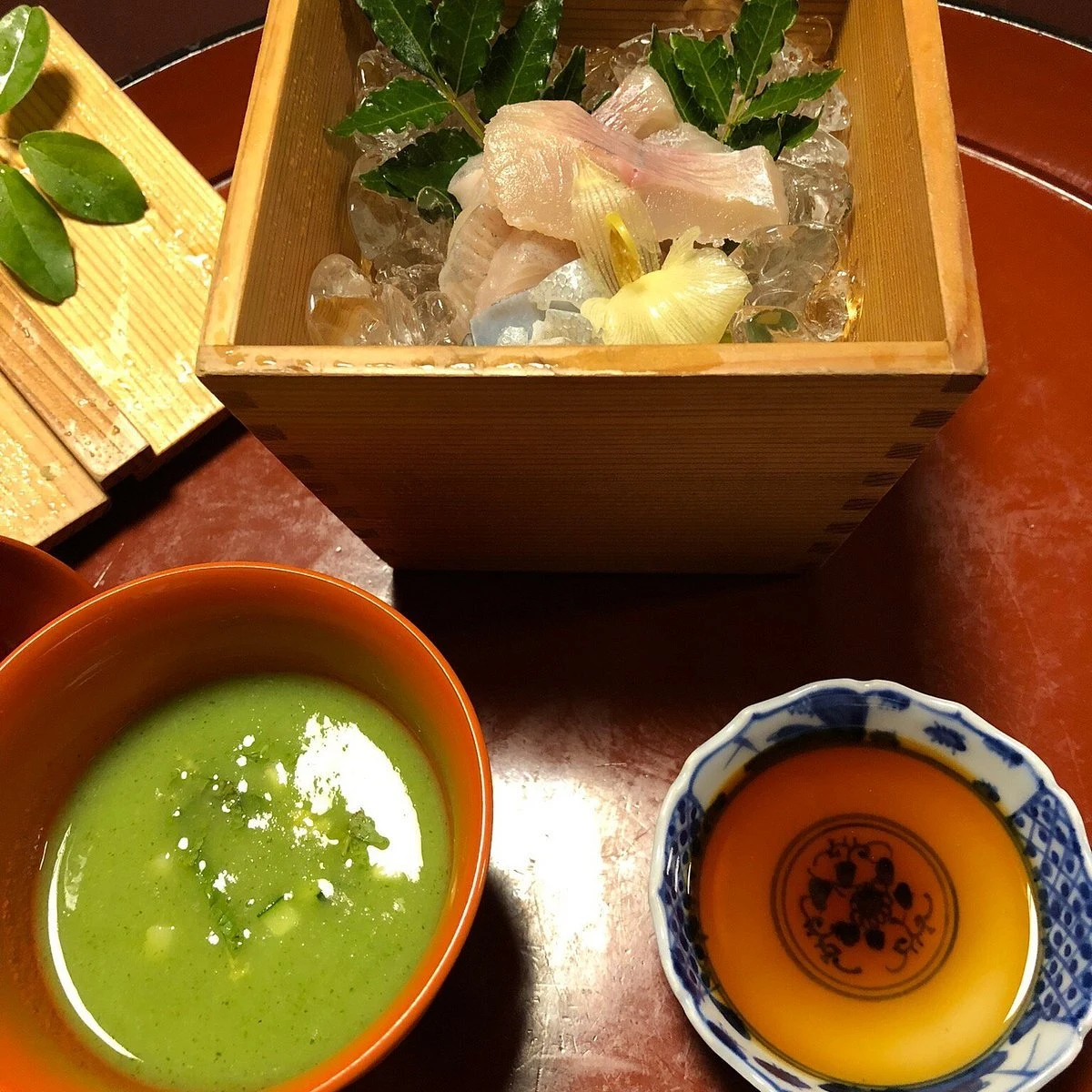
The other signature point of reference is guji: the Japanese term for amadai, or tilefish, a fish that appears frequently across Kyoto's serious kitchens given its delicate, sweet flesh and its ability to absorb technique. Here, the fish is knife-scored in a tight crosshatch pattern before grilling, creating a surface that resembles a pine cone, a presentation approach with roots in classical Kyoto cooking that is as much visual language as culinary technique. Alongside that, white miso soup, shiro miso being the lighter, sweeter Kyoto variant that distinguishes the city's cooking from the saltier red miso styles found elsewhere in Japan, completes what the venue describes as standard fare. In Kyoto, standard fare and quintessential fare are often the same thing.
Where It Sits in the Kyoto Field
Tsuroku holds a Michelin Plate (2024 and 2025), which signals kitchen quality without the pressure that accompanies a star. The OAD ranking, #291 in Japan for 2025, places it within a recognisable peer tier: restaurants that specialists follow and return to, but which operate below the visibility of the city's headline kaiseki tables. That positioning is, for many, the more comfortable entry point into serious Kyoto cooking.
The price range at ¥¥¥ sits a tier below the ¥¥¥¥ formality of venues like Gion Sasaki and Ifuki, and keeps it closer in register to mid-range addresses in the city. For comparison, Kenninji Gion Maruyama and Gion Matayoshi occupy different stylistic positions in the Gion corridor, while Kodaiji Jugyuan approaches the kaiseki tradition from a temple-adjacent frame. Tsuroku's Nakagyo location and format put it outside those reference clusters and into a more accessible register.
The Google rating of 4.1 across 66 reviews is a modest sample, but the consistency of the Michelin Plate across two consecutive years provides more durable credibility than a review count alone. It is also worth noting that the Michelin Plate category, introduced to acknowledge restaurants with cooking of notable quality short of starred status, has in Kyoto's dense evaluation field become its own meaningful signal.
Nakagyo Ward and the Mid-City Context
Nakagyo sits between the southern temple districts and the Kamigamo shrine axis to the north. It is a functional, less theatrically ancient part of the city, one that lacks the visual drama of Gion or Arashiyama but contains a quieter density of serious eating. The address on Matsuyacho places Tsuroku in a neighbourhood where the dining is largely local-facing, not tourist-oriented, which affects both the atmosphere inside and the ease with which a repeat visit can feel natural rather than ceremonial.
Beyond Kyoto: Related Japanese Addresses
The approach Tsuroku represents, technically grounded Japanese cooking at an accessible price tier, without the ceremony of full kaiseki sequencing, appears in different forms elsewhere in Japan. Harutaka in Tokyo and Myojaku and Azabu Kadowaki in Tokyo each represent different facets of the capital's serious Japanese dining field. Further afield, HAJIME in Osaka takes Japanese technique into a different formal register, while akordu in Nara, Goh in Fukuoka, 1000 in Yokohama, and 6 in Okinawa extend the map of regional Japanese cooking beyond the main urban axes.
Planning a Visit
Address: 51 Matsuyacho, Nakagyo Ward, Kyoto, 604-0813. Budget: ¥¥¥¥, about $150 per person, and the à la carte format allows spend to be calibrated by how many dishes you order. Format: À la carte throughout; no fixed course obligation. Reservations: Recommended. Recognition: Michelin Plate 2024 and 2025; OAD Top Restaurants Japan #291 (2025).
Questions
Frequently asked
Who works at Tsuroku?
Made By profiles Kento Ueda (Chef) at Tsuroku.
How expensive is Tsuroku?
Tsuroku is listed at a price level of $$$$.
Where is Tsuroku and what does it serve?
Tsuroku is in Nakagyō, Kyoto, serving Kyoto Kappo.
The field
How it compares
| Place | Cuisine | Notes | Awards |
|---|---|---|---|
| Tsuroku | Kyoto Kappo | Nakagyō, $$$$ | · |
| Hyotei | Traditional Kaiseki | Kyoto | Michelin 3 Stars |
| Isshisoden Nakamura | Traditional Kyoto Kaiseki | Kyoto | Michelin 3 Stars |
| Kikunoi Honten | Kyoto Kaiseki Ryotei | Kyoto | Michelin 3 Stars |
| Miyama Sou | Tsumikusa Kaiseki | Kyoto | Michelin 3 Stars |
| Mizai | Traditional Kaiseki | Kyoto | Michelin 3 Stars |
| Ogata | Kaiseki Omakase | Kyoto | Michelin 2 Stars |