Gion Maruyama
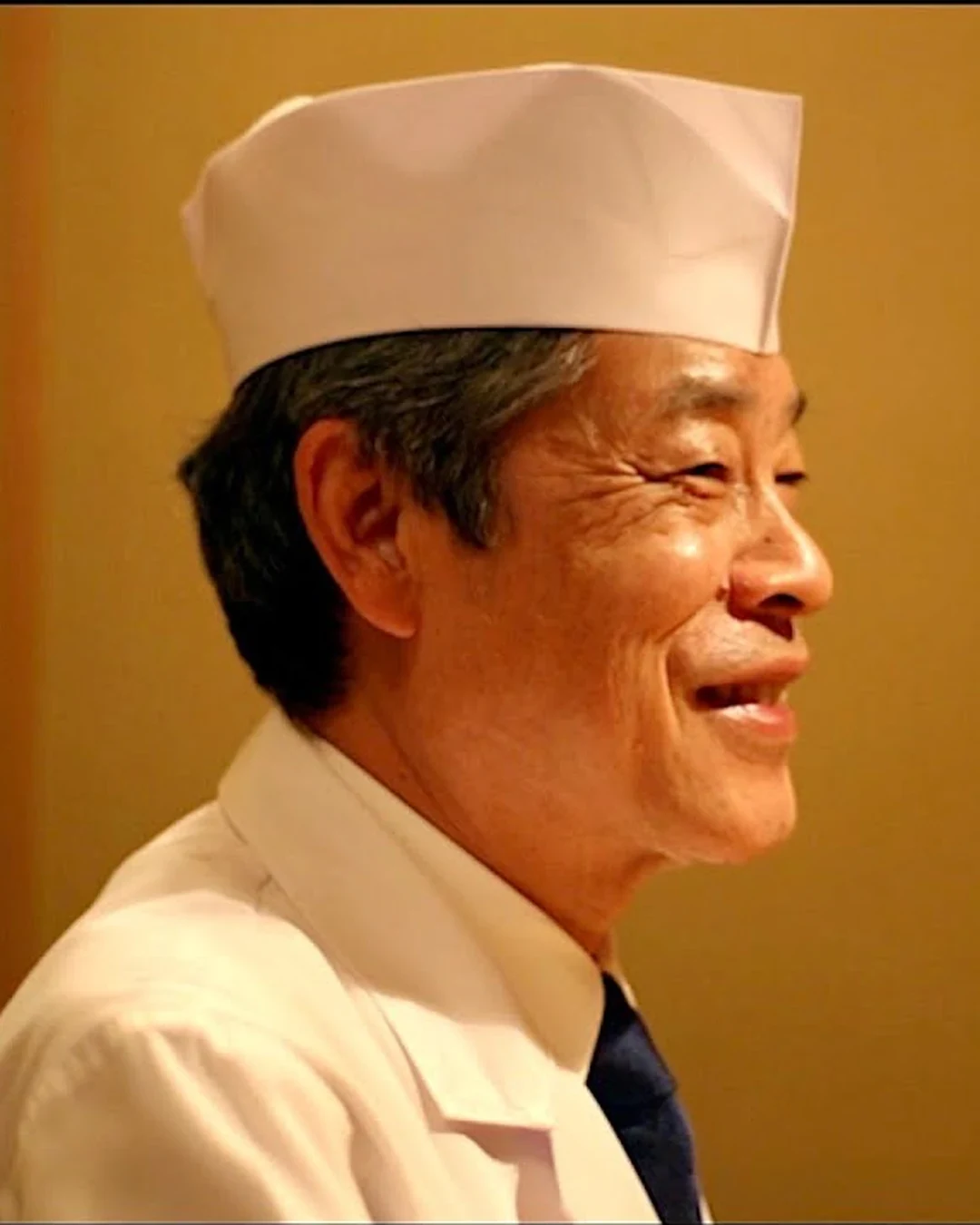
In Residence
Yoshio Maruyama
Chef
- 01CuisineKyoto Kaiseki
- 02CityKyoto, Japan
- 03RecognitionTwo Michelin Stars
Kaiseki paced by Kyoto seasons
- 2 Michelin Stars · Michelin Guide
- La Liste Top Restaurants: 87pts · 2026
- Opinionated About Dining Top Restaurants in Japan Recommended · 2026
- Michelin 2 Stars · 2026
- La Liste Top Restaurants: 88pts · 2025
- Michelin 2 Stars · 2025
- Opinionated About Dining Top Restaurants in Japan Ranked #406 · 2025
- Opinionated About Dining Top Restaurants in Japan Ranked #349 · 2024
- Michelin 2 Stars · 2024
- Opinionated About Dining Top Restaurants in Japan Recommended · 2023
Water on the path before service
The path is sprinkled with water before the meal begins. At Gion Maruyama in Gion, Kyoto, Japan, owner-chef Yoshio Maruyama sets kaiseki inside the discipline of tea ceremony. Maruyama's own line runs through Kyoto. Born in central Kyoto in 1949 to a fishmonger family, he apprenticed in 1967 at Kodaiji Doi under Sadae Doi and Soushaku Nishiwaki, then helped open Roan Kikunoi Kiyamachi with Yoshihiro Murata in 1976. From 1983, he served for five years as first chef de cuisine at Kodaiji Wakuden. He opened Gion Maruyama in January 1988, then Kenninji Maruyama in 1998. The station is not presented as a break from that inheritance. It is the place where the old Kyoto method is kept active: season by season, vessel by vessel, with the room asked to take part in the meal rather than merely receive it.
Kaiseki measured by season
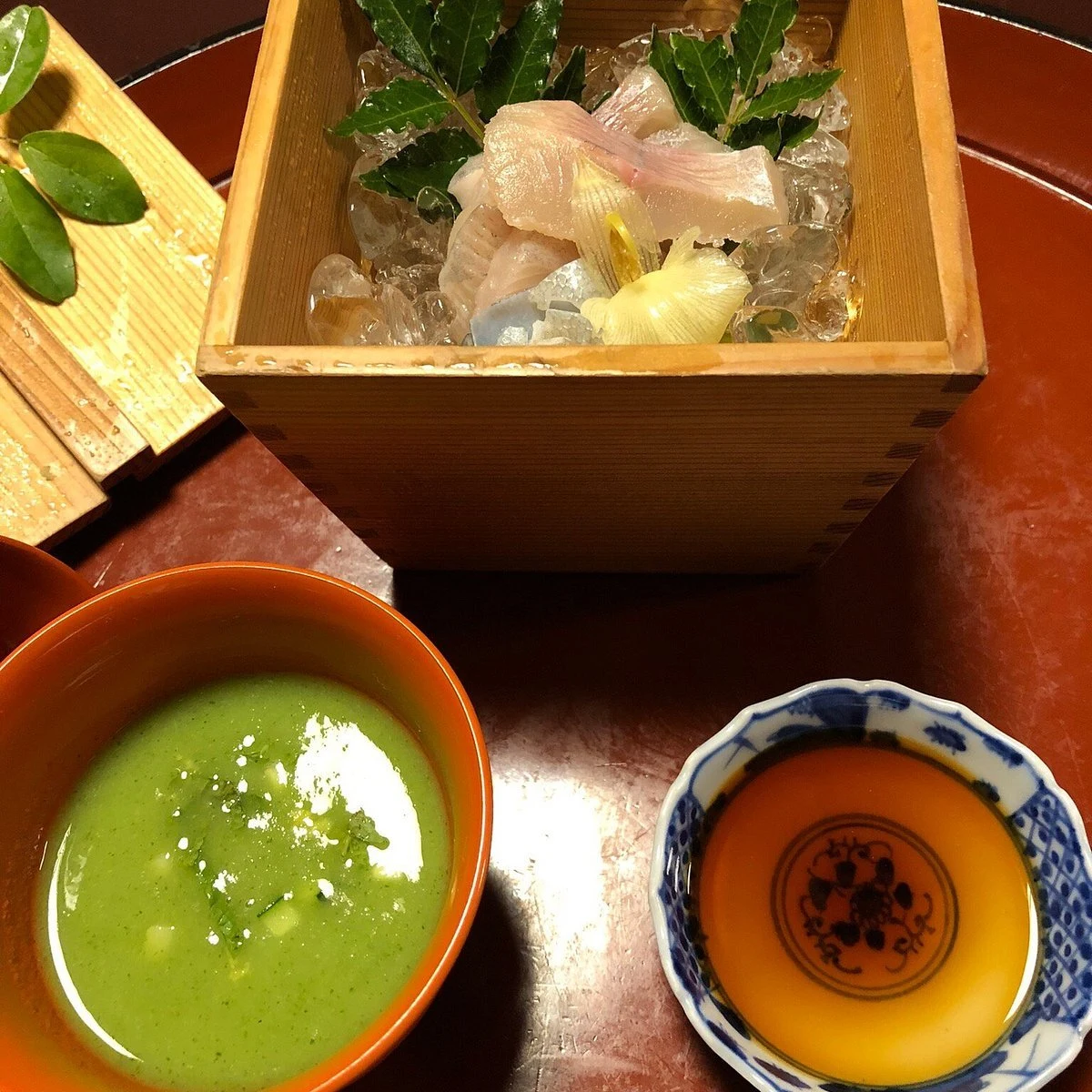
The menu moves as kaiseki should, by the calendar rather than by signature repetition. Spring brings bamboo shoots. Summer brings sweetfish. Autumn draws in matsutake, honmoroko, and simmered arrangements such as takiawase, where abalone, herring, conger eel, Kyoto carrot, Kamo eggplant, pumpkin, and giant butterbur can share a footed bowl. Winter makes room for Matsuba crab, often grilled. The form is a tasting menu, not a la carte, and the work depends on sequence: clear soup, sashimi, grilled courses, simmered bowls, shabu elements, and small seasonal bites arriving with the lightness of a tea gathering. Citrus is used for cut, not display. Umami is built through stock, fish, shellfish, vegetable, and heat, then held back enough that the ingredient remains legible. The restaurant's Michelin record belongs to this address as a two-star kaiseki house, with current recognition counted among its awards, but the craft reads most clearly in the pacing. A course leaves before it has exhausted itself. The next one enters with a different temperature, scent, vessel, or sound.
The Sunday letter
Find new places through the people who run them.
Our Sunday email brings you the chefs, winemakers and hoteliers behind our newest stories. See a sample before you subscribe.
See a sample of the Sunday emailOne email a week. Unsubscribe from any issue.
The room keeps the tempo
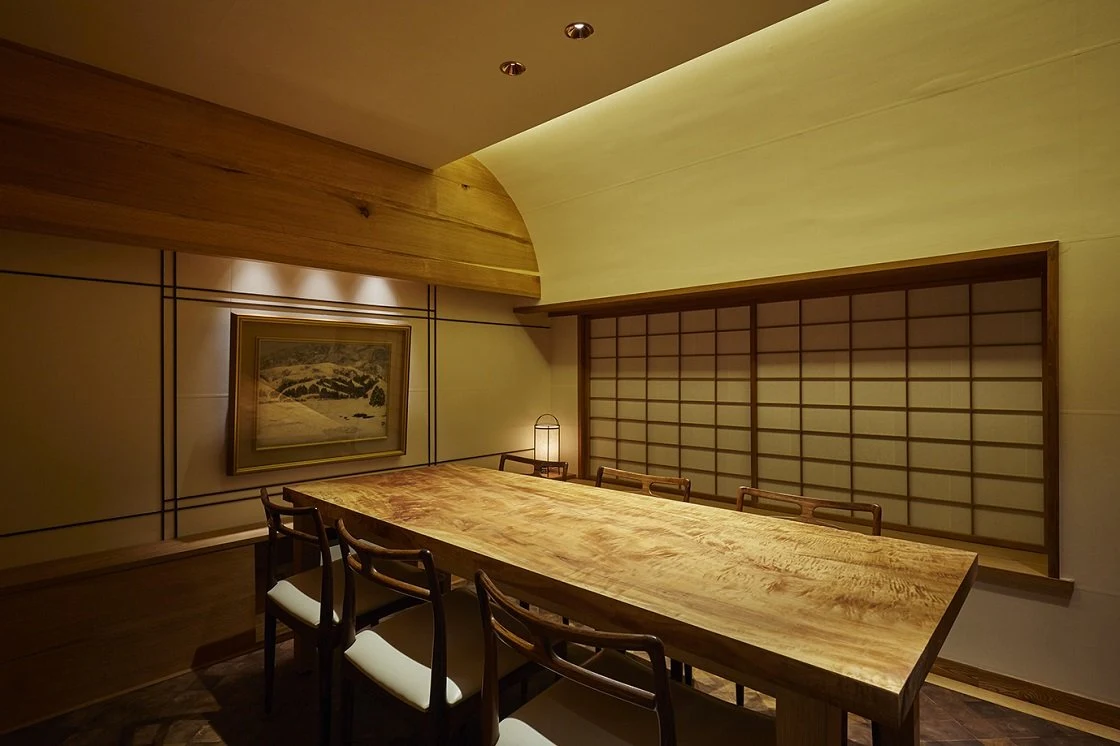
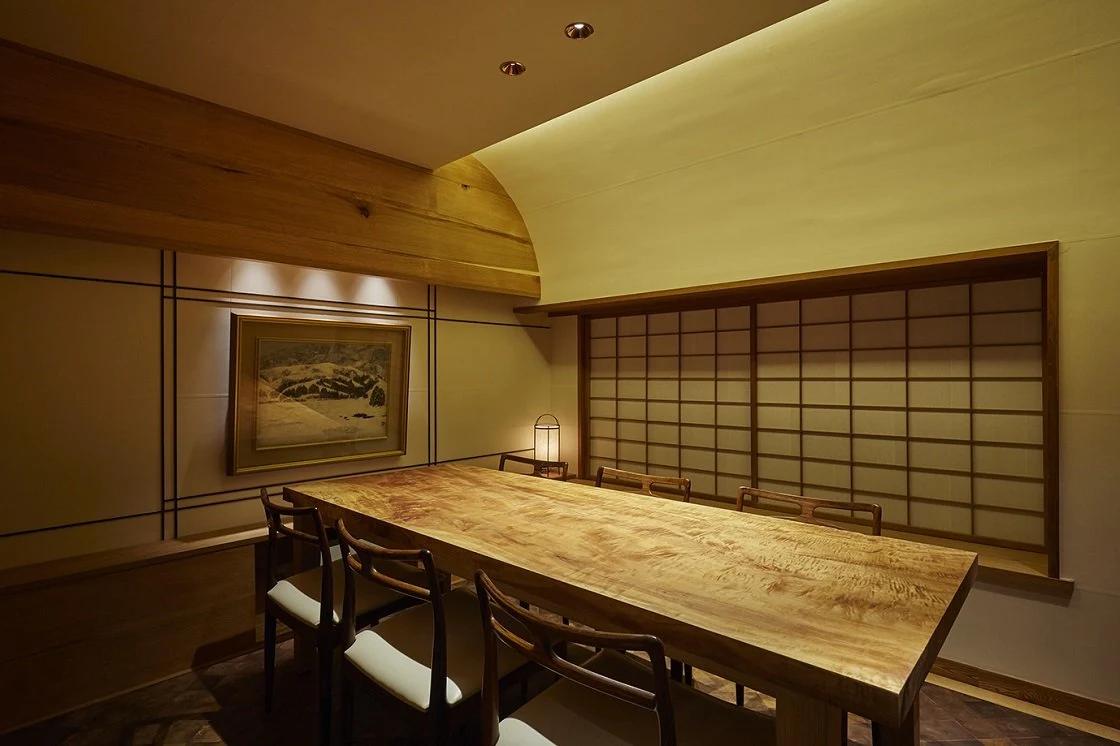
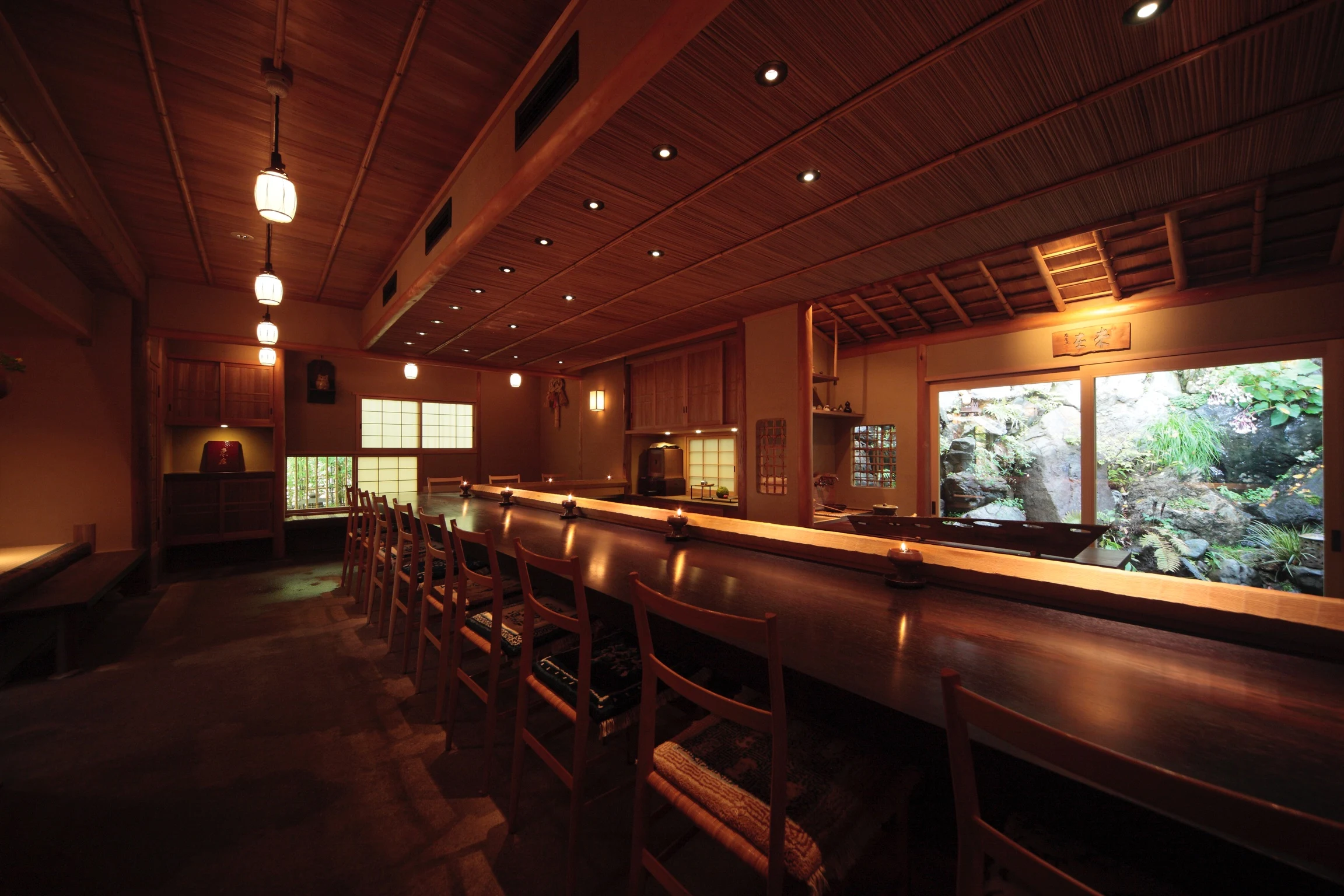
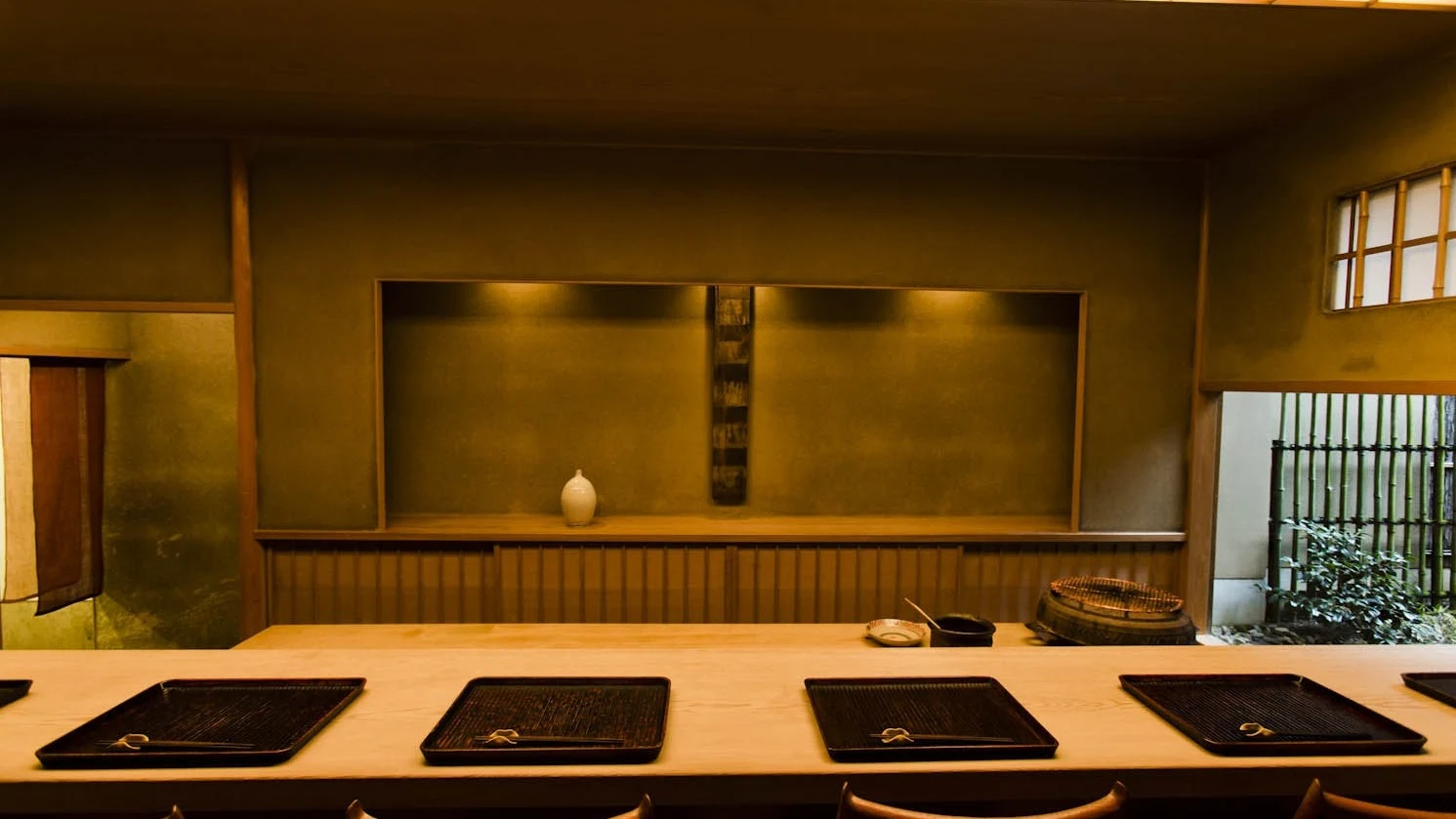
The room is quiet in the way a working room can be quiet: not empty, not theatrical, but tuned. Sukiya-style spaces, counter seating, and private rooms overlooking Japanese gardens give the kitchen more than one kind of pass. At the counter, the hands are near enough for the diner to see the interval between cutting and serving. In the tatami rooms, seasonal scrolls and flowers set another register, closer to the tea ceremony that informs the house from the wet path at the entrance onward. Gion's narrow lanes do some of the work before the first bowl arrives, slowing the approach without needing to announce it. Inside, soft natural light, sliding doors, and garden views hold the meal in a frame that suits Kyoto kaiseki: rhythm, light, sound, aroma, flavor. The final measure is still the bowl, and at Gion Maruyama that can mean takiawase with Kamo eggplant and giant butterbur.
Questions
Frequently asked
What kind of restaurant is Gion Maruyama?
Gion Maruyama is a Kyoto kaiseki restaurant in Gion, Kyoto, run by owner-chef Yoshio Maruyama. The cooking is presented as a tasting menu shaped by the calendar rather than by a fixed set of signatures.
What is the food known for at Gion Maruyama?
The menu moves with the seasons. Spring can bring bamboo shoots, summer sweetfish, autumn ingredients such as matsutake and honmoroko, and winter Matsuba crab. Courses may include clear soup, sashimi, grilled dishes, simmered bowls, shabu elements, and seasonal small bites.
How does the restaurant approach service and dining?
The meal is framed with the discipline of tea ceremony. The path is sprinkled with water before service, and the room is kept quiet and measured, with counter seating, private rooms, garden views, and seasonal details such as scrolls and flowers.
What recognition does Gion Maruyama hold?
The restaurant holds two Michelin stars.
Do I need to book, and is there a dress code?
Reservation is essential, and the dress code is smart casual.
The field
How it compares
| Place | Awards | Cuisine | Notes |
|---|---|---|---|
| Gion Maruyama | Michelin 2 Stars | Kyoto Kaiseki | Higashiyama, $$$$ |
| Gion Sasaki | Michelin 3 Stars | Modern Kaiseki | Kyoto |
| Isshisoden Nakamura | Michelin 3 Stars | Traditional Kyoto Kaiseki | Kyoto |
| Kikunoi Honten | Michelin 3 Stars | Kyoto Kaiseki Ryotei | Kyoto |
| Miyama Sou | Michelin 3 Stars | Tsumikusa Kaiseki | Kyoto |
| Mizai | Michelin 3 Stars | Traditional Kaiseki | Kyoto |
| Ogata | Michelin 2 Stars | Kaiseki Omakase | Kyoto |
In residence
Similar places
The Sunday letter
Get the next Made By story in your inbox.
We send one email every Sunday morning with the places and people we covered that week.
See a sample of the Sunday emailOne email a week. Unsubscribe from any issue.