Kikunoi Roan
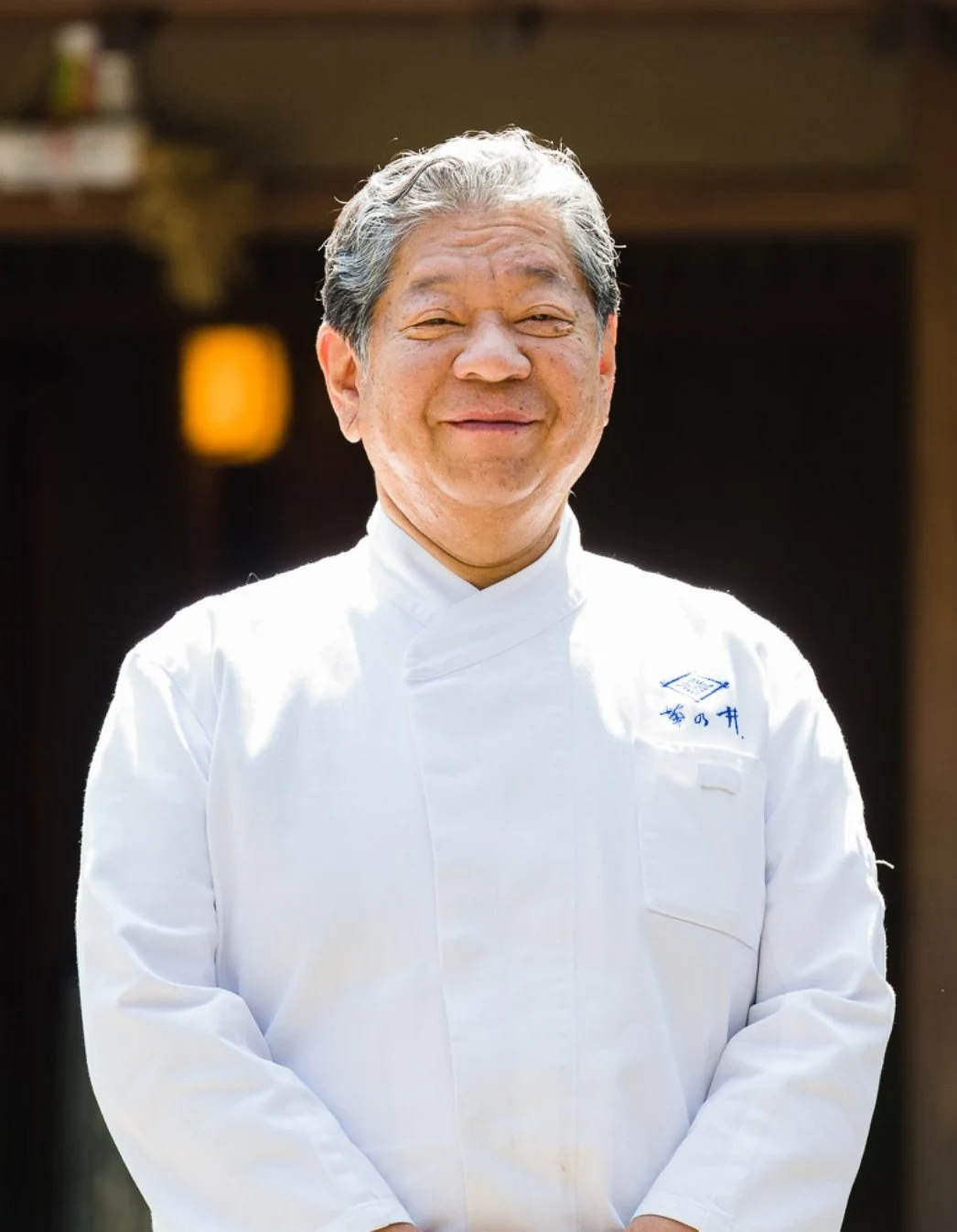
In Residence
Yoshihiro Murata
Chef
- 01CuisineSeasonal Kyoto Kaiseki
- 02CityKyoto, Japan
- 03RecognitionTwo Michelin Stars
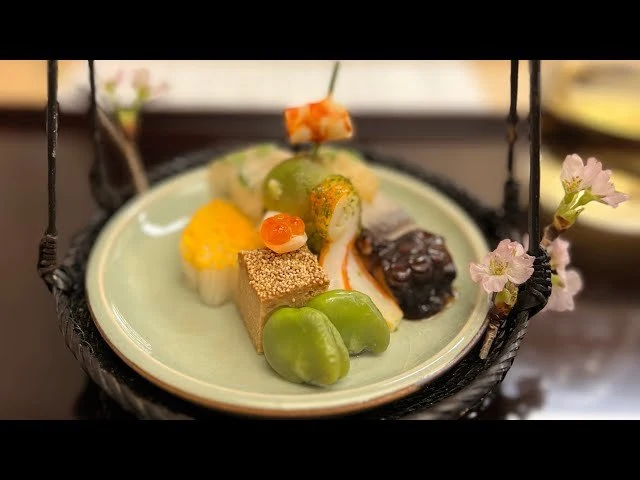
- 2 Michelin Stars · Michelin Guide
- Michelin 2 Stars · 2026
- La Liste Top Restaurants: 90pts · 2026
- La Liste Top Restaurants: 91pts · 2025
- Michelin 2 Stars · 2025
- Michelin 2 Stars · 2024
Counter Dining in a City Built for Ceremony
Kyoto's dining hierarchy has long been shaped by the ryotei model: private rooms, sequenced formality, and a deliberate distance between kitchen and guest. That architecture suited the city's relationship with kaiseki, where the meal unfolds as a series of controlled impressions rather than a live exchange. But a parallel format has always existed alongside it. Kappo, which places the chef at a counter within arm's reach of the diner, asks both parties to be present in a more direct way. Kikunoi Roan is a Kyoto restaurant serving Seasonal Kyoto Kaiseki at a counter, with two Michelin stars and a price tier of ¥¥¥¥.
The address, in Shimogyo Ward on Shijo Street, places the restaurant in one of Kyoto's more commercially active corridors rather than the quieter lanes of Gion or Higashiyama. That matters. Where many of Kyoto's most decorated tables draw their atmosphere from neighbourhood seclusion, Roan earns its register from what happens inside. The surrounding urban density makes the interior focus more deliberate, not less.
The Sunday letter
Find new places through the people who run them.
Our Sunday email brings you the chefs, winemakers and hoteliers behind our newest stories. See a sample before you subscribe.
See a sample of the Sunday emailOne email a week. Unsubscribe from any issue.
The Meaning Built Into the Name
The name Roan comes from a Zen expression meaning 'clear and unambiguous, hiding nothing.' That is not decorative branding. It describes the operating logic of the space. Yoshihiro Murata conducts food preparation in full view of guests at the counter, and that choice collapses the distance that ryotei dining deliberately maintains. Watching a dish being prepared, then receiving it moments later, changes what the diner brings to the experience. It requires a certain attentiveness, and it rewards it.
This kind of transparency has become a broader expectation in premium counter dining across Japan, but few places anchor it to a named philosophical tradition. The Zen framing gives Roan a specificity that distinguishes it from other kappo counters operating in the same city. Against the backdrop of Kyoto's deeply codified dining culture, naming a restaurant after a principle of openness is itself a statement about what kind of meal is on offer.
Two Stars in the Kappo Register
Kappo in Kyoto occupies a complicated position in the critical conversation. Michelin's Kyoto assessments tend to weight kaiseki ryotei formats heavily, making two-star recognition for a counter format a meaningful signal. Kikunoi Roan holds two Michelin stars, confirming that the kitchen's output is being assessed at the same level as the city's most formally structured tables.
For context, Kyoto's three-star tier, represented by houses like Gion Sasaki at ¥¥¥¥, operates at a higher price point and within a more traditional formal structure. Roan's ¥¥¥¥ pricing places it in the same bracket as several of the city's one- and two-star tables, and the two-star holding at that price level signals strong value relative to its critical standing. Among two-star Kyoto peers, Ifuki and Kyokaiseki Kichisen both operate at ¥¥¥¥, making Roan's positioning notable.
3 across 462 reviews adds a different kind of calibration. That volume of reviews for a Japanese counter restaurant suggests meaningful international visitor exposure, and the score reflects consistent delivery rather than a small sample of enthusiast responses.
What Counter Dining Means Here
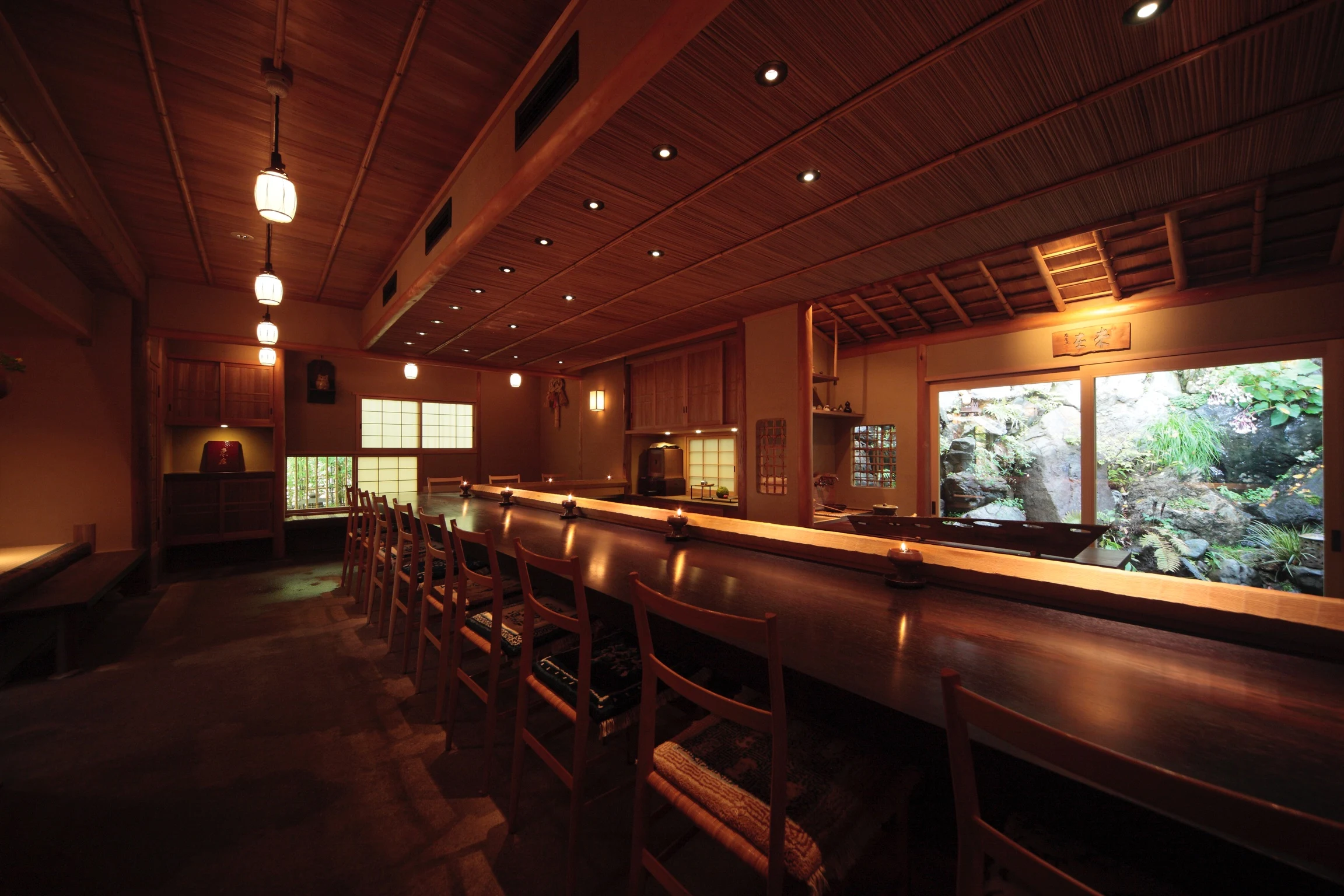
The pleasure of kappo is the ability to converse with chefs while dishes arrive fresh from the kitchen. That is a material difference from the kaiseki ryotei experience, not a lesser version of it. In a ryotei, the sequence of courses arrives with ceremony and the kitchen remains invisible. At a kappo counter, the diner witnesses the timing decisions, the knife work, and the moment a dish is judged ready. The meal becomes partly observational.
This format places Roan alongside other counter-format Japanese restaurants that have earned serious critical attention in Japan, including Harutaka in Tokyo and Myojaku, also in Tokyo, where counter proximity to the chef similarly defines the experience. For diners comparing Kyoto options, Roan represents the counter end of the city's formal dining spectrum. Gion-area kaiseki houses such as Gion Matayoshi, Kenninji Gion Maruyama, and Isshisoden Nakamura offer the more sequestered ryotei register. Kodaiji Jugyuan sits at the more contemplative, garden-adjacent end of the spectrum. Roan is the option for those who want rigorous classical Japanese cooking without the ceremony of the closed room.
Kikunoi's Position in the Kyoto Dining Order
The Kikunoi group is among the more established kaiseki operations in Japan, with the flagship ryotei occupying a long-established position in Kyoto's dining scene. Roan should be understood as a format decision rather than a satellite or secondary offering. The same kitchen philosophy and ingredient standards apply; what changes is the physical arrangement between chef and guest, and by extension, the social register of the meal.
That distinction matters when comparing Roan to other restaurants operating under the same or related culinary lines in Japan. Azabu Kadowaki in Tokyo represents another instance where a serious Japanese kitchen has built its reputation partly on counter immediacy. Further afield, HAJIME in Osaka, akordu in Nara, Goh in Fukuoka, 1000 in Yokohama, and 6 in Okinawa each show how counter-format Japanese fine dining has developed regional inflections across the country. Roan is Kyoto's iteration: grounded in the kaiseki seasonal vocabulary but delivered at close range.
Planning a Visit
Shimogyo Ward is central and well-connected, putting Roan within reach of Kyoto's main transport arteries. The Shijo area is walkable from Kawaramachi and Gion-Shijo stations, making it one of the more accessible addresses among Kyoto's serious dining options. That accessibility does not translate into easy reservations. Counter restaurants of this standing in Kyoto book out in advance, particularly during spring and autumn travel.
Know Before You Go
- Cuisine: Japanese, kappo counter format
- Price range: ¥¥¥¥
- Awards: Michelin 2 Stars (2024, 2025); La Liste 91pts (2025), 90pts (2026)
- Chef: Yoshihiro Murata
- Address: Shimogyo Ward, Shijo, Kyoto (four floors below Shijo, Saito-cho 118) 3 (462 reviews)
- Booking: Advance reservations required; allow significant lead time, particularly for spring and autumn travel
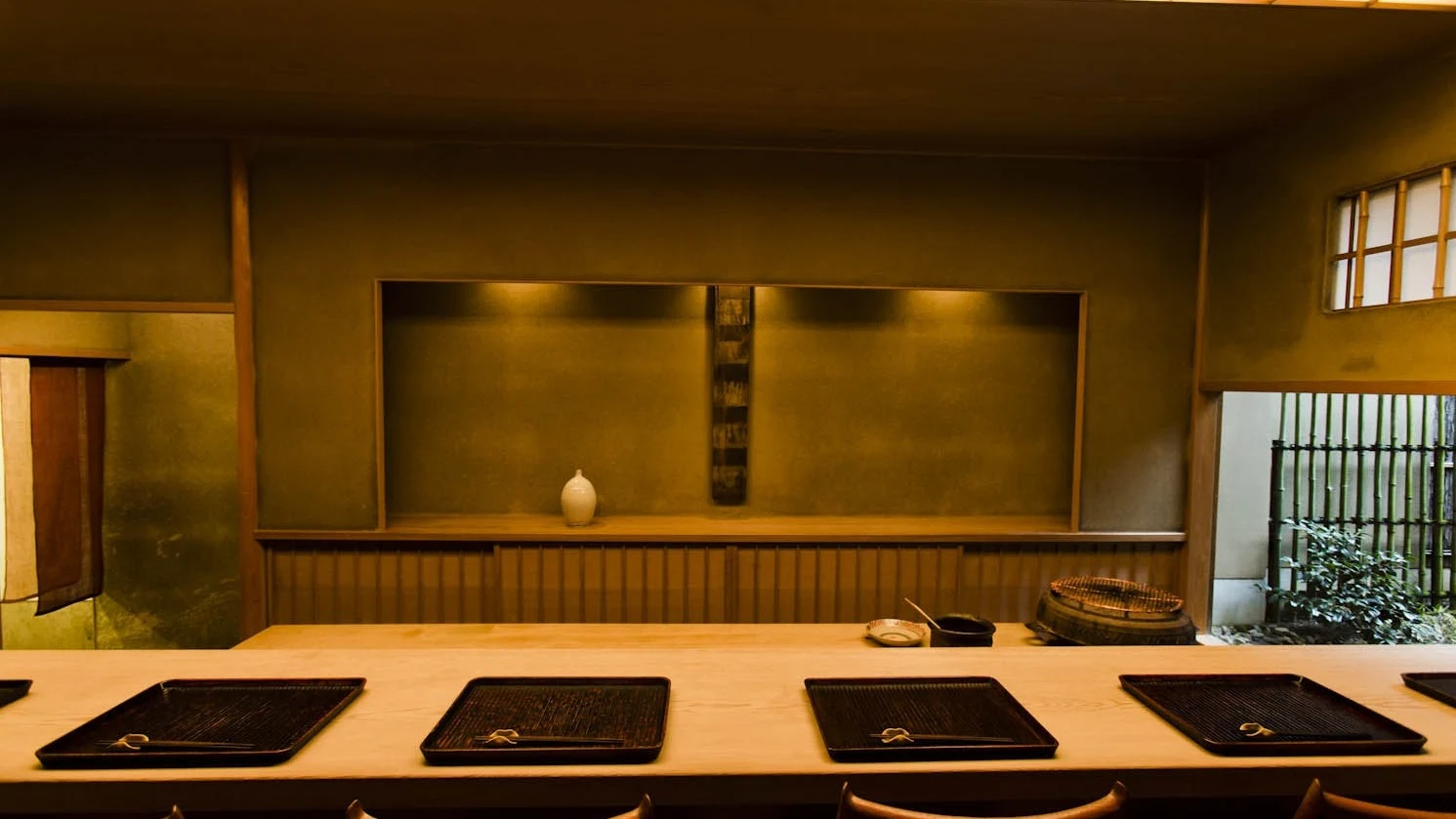
- Setting: Counter seating; kitchen preparation conducted in full view of guests
Questions
Frequently asked
What recognition does Kikunoi Roan hold?
Kikunoi Roan holds 2 Michelin stars.
Who works at Kikunoi Roan?
Made By profiles Yoshihiro Murata (Chef) at Kikunoi Roan.
How expensive is Kikunoi Roan?
Kikunoi Roan is listed at a price level of $$$$.
Where is Kikunoi Roan and what does it serve?
Kikunoi Roan is in Shimogyō, Kyoto, serving Seasonal Kyoto Kaiseki.
The field
How it compares
| Place | Awards | Cuisine | Notes |
|---|---|---|---|
| Kikunoi Roan | Michelin 2 Stars | Seasonal Kyoto Kaiseki | Shimogyō, $$$$ |
| Gion Sasaki | Michelin 3 Stars | Modern Kaiseki | Kyoto |
| Hyotei | Michelin 3 Stars | Traditional Kaiseki | Kyoto |
| Isshisoden Nakamura | Michelin 3 Stars | Traditional Kyoto Kaiseki | Kyoto |
| Kikunoi Honten | Michelin 3 Stars | Kyoto Kaiseki Ryotei | Kyoto |
| Mizai | Michelin 3 Stars | Traditional Kaiseki | Kyoto |
| Ogata | Michelin 2 Stars | Kaiseki Omakase | Kyoto |
In residence
Similar places
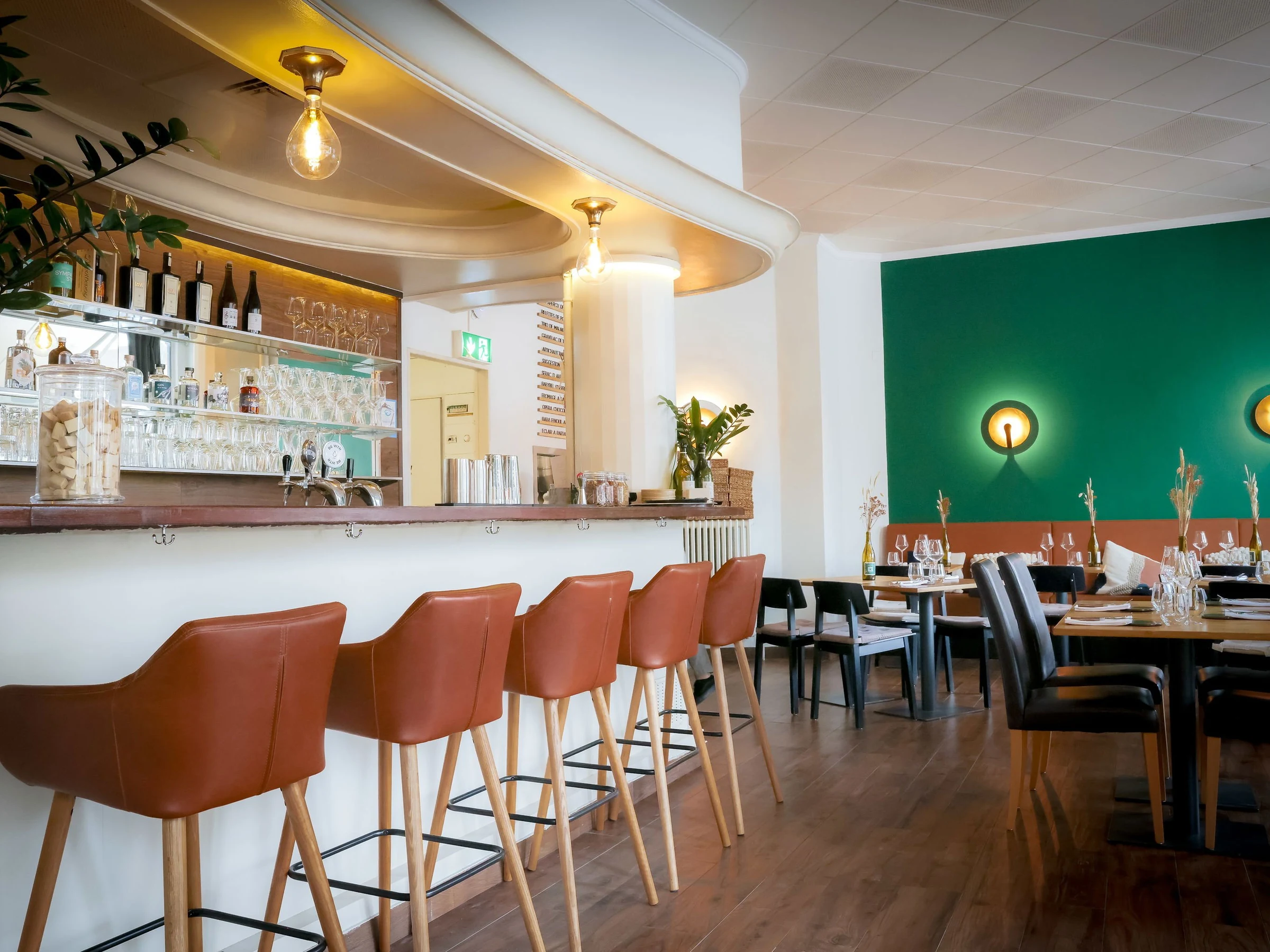
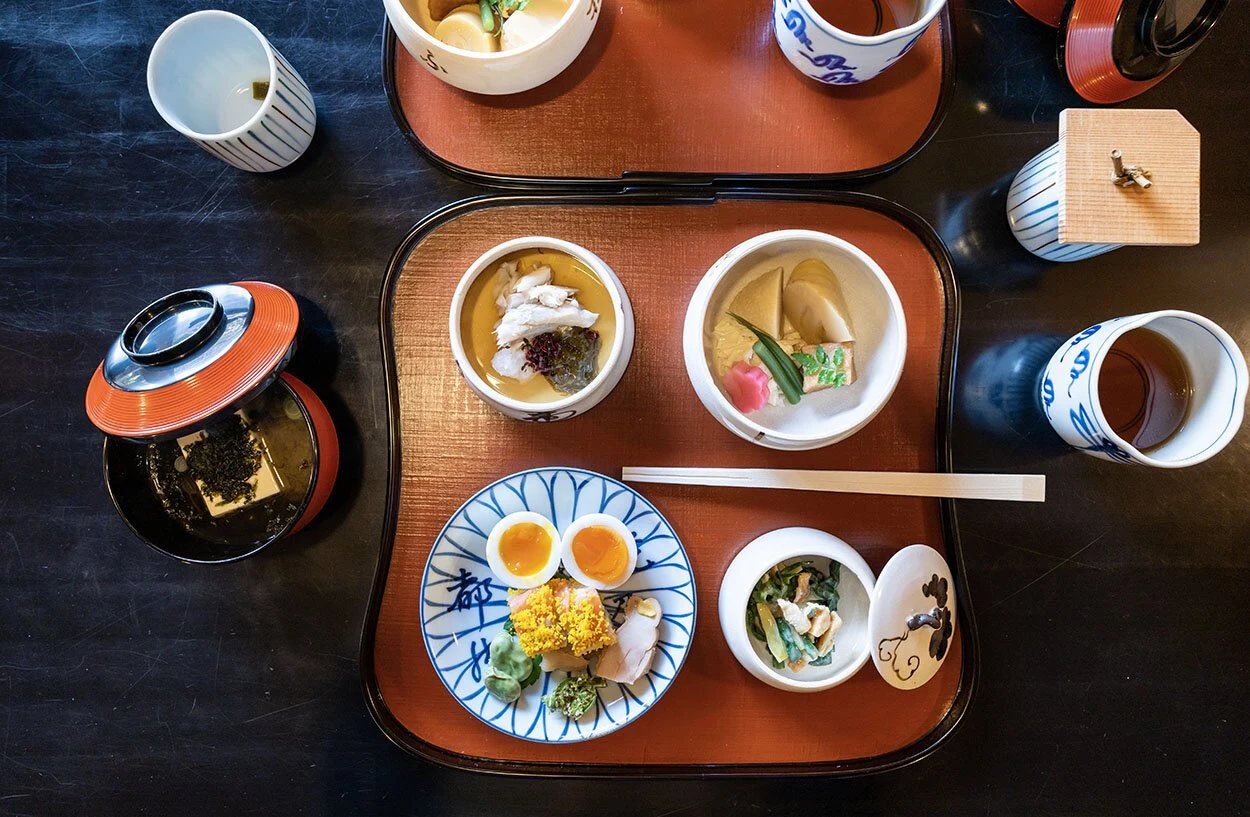
The Sunday letter
Get the next Made By story in your inbox.
We send one email every Sunday morning with the places and people we covered that week.
See a sample of the Sunday emailOne email a week. Unsubscribe from any issue.