Chef
Yoshihiro Murata
Owner & Chef, Kikunoi
- Discipline
- Chef
Made By record
Awards & recognition
2 total
2 winners

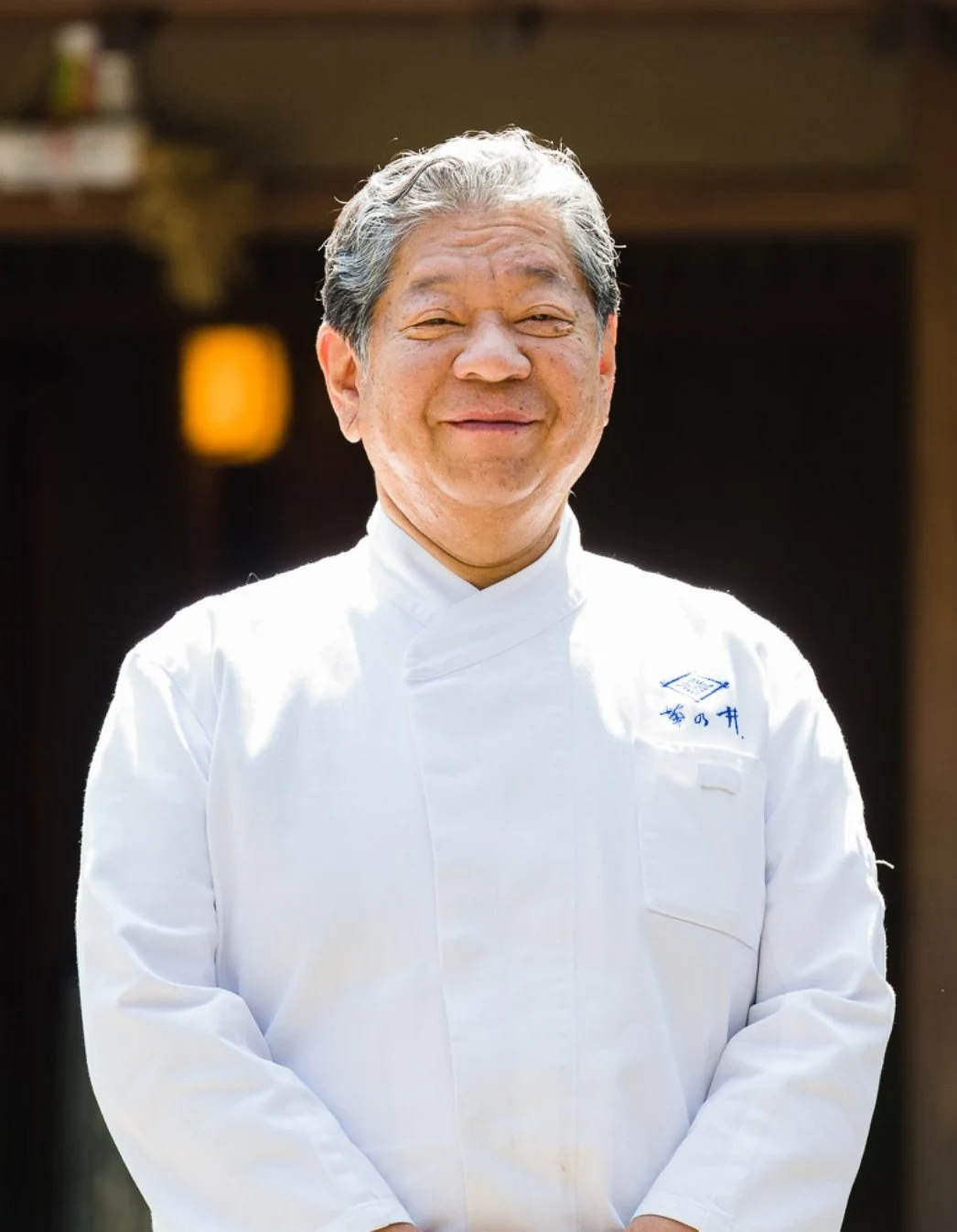
Portrait of Yoshihiro Murata
i. Biography
Yoshihiro Murata is Third-generation Owner-chef of Kikunoi Honten in Gion, Kyoto, and chef-owner of Kikunoi in Kyoto and Tokyo. His work is rooted in Kyoto kaiseki, a cuisine shaped by season, nature, ingredient quality, umami, and formal grace. In Murata’s approach, restraint is essential: timing, sequence, vessel, temperature, aroma, and balance all matter, and the meal is built so memory and flavor can meet without excess. Kyoto remains the reference point for his cooking, but his aim is to carry that sensibility forward in ways that can travel beyond its original context. Murata received Kikunoi from his father in 1993, inheriting not only a dining room but a responsibility to preserve and extend a Kyoto way of cooking. That succession is both lineage and discipline. At Kikunoi, kaiseki is treated as active work rather than fixed tradition. Each season brings a controlled expression of ingredients, with attention to clarity, rhythm, and sequence. The cuisine draws on imperial palace cuisine, tea ceremony tradition, vegetarian temple food, and obanzai, creating a form that has ceremony without losing warmth. It remains precise enough to register the natural world while still feeling connected to daily life. His cooking emphasizes the quality of ingredients and the small changes that define a course. Dashi, wagyu, and umami are central, and the strength of the work lies in how carefully each element is handled. The discipline is one of concentration rather than display. Every dish reflects the seasons, and the relationships among vessel, ingredient, temperature, and aroma are treated as part of the cuisine itself. Murata has also worked to define and teach Japanese cuisine beyond the restaurant. As founder/creator of Japan Culinary Academy in Kyoto, starting in 2004, he placed education alongside cooking and helped shape how Japanese cuisine can be understood and carried forward without losing its foundations. His work extended through additional Kikunoi rooms as well. Roan Kikunoi in Kyoto kept the cuisine within the city that shaped it, while Akasaka Kikunoi in Tokyo brought that Kyoto-born sensibility into another setting with the same attention to precision and form. His reach also includes international settings. As a member of Singapore Airlines International Culinary Panel, he brought formal Japanese cooking into a travel context where identity must remain clear under different constraints. His collaboration at Tokimeite in London placed Japanese cuisine in another international setting with the same requirement. Across these roles, Murata has remained focused on presenting Kyoto-based kaiseki with clarity rather than dilution. His signature dishes include New Style Dashi, Ichiban Dashi, Wagyu Sukiyaki, Wagyu Rei Ribeye Shabu Shabu, and Wagyu steak with wasabi. These dishes reflect the same discipline that defines his broader work. His recognition includes Asia's 50 Best Restaurants American Express Icon Award, Three MICHELIN Stars for Kikunoi Honten, Mentor Chef Award, and American Express Icon Award.
The Sunday letter
Read Made By's new profiles every Sunday.
Meet the chefs, winemakers and sommeliers behind the places we cover. See a sample below before you subscribe.
See a sample of the Sunday emailOne email a week. Unsubscribe from any issue.

The Sunday letter
Get the next Made By profile in your inbox.
We send one email every Sunday morning with the people we profiled that week.
See a sample of the Sunday emailOne email a week. Unsubscribe from any issue.