Nakamura
In Residence
Motokazu Nakamura
Chef
- 01CuisineTraditional Kyoto Kaiseki Omakase
- 02CityKyoto, Japan
White miso without dashi
- La Liste Top Restaurants: 91pts · 2026
- Tabelog Silver #85: 4.3pts · 2026
- Tabelog Bronze · 2025
- Opinionated About Dining Top Restaurants in Japan Ranked #489 · 2025
- Tabelog 100 #66: 4.3pts · 2025
- Pearl Recommended Restaurant · 2025
- La Liste Top Restaurants: 87pts · 2025
- Opinionated About Dining Top Restaurants in Japan Ranked #437 · 2024
- Opinionated About Dining Top Restaurants in Japan Ranked #114 · 2023
Six generations at the pass
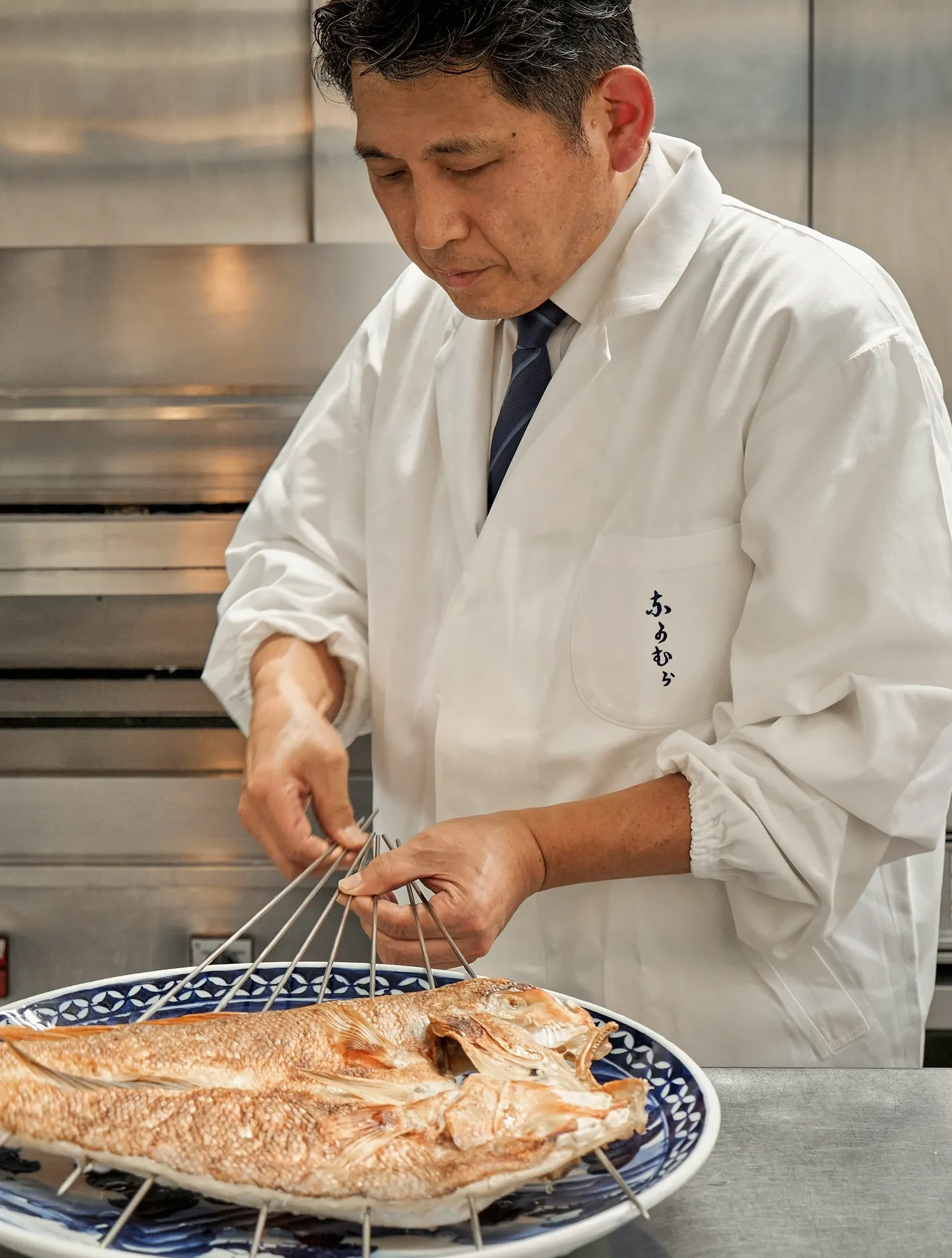
Motokazu Nakamura tastes the white miso before the first bowl leaves the pass; as head chef and owner at Nakamura in Nakagyo-ku, Kyoto, Japan, he keeps the family method close to the hand. Motokazu Nakamura is the sixth generation to lead Isshisoden Nakamura, also known as Isshi Souden Nakamura, a Kyoto kaiseki house founded in 1827. The lineage has passed from father to son since the Edo period, carrying proprietary flavors, seasonal discipline, and the idea of ichigo ichie into each service.
The family began by bringing fish such as guji and mackerel from Wakasa along the Saba Kaido route for Kyoto’s nobility and feudal lords. That origin still matters at the bench. Nakamura’s work is not nostalgia for its own sake; he pairs inherited technique with scientific research, including collaborations with Kyoto University on ingredient analysis and fermentation. The restaurant has held three Michelin stars consecutively since 2011, and Nakamura also supervises business-class in-flight meals for EVA Air. Inside the dining rooms, though, the measure remains smaller: the right thickness of miso, the season of the fish, the timing of a bowl carried across tatami.
The Sunday letter
Find new places through the people who run them.
Our Sunday email brings you the chefs, winemakers and hoteliers behind our newest stories. See a sample before you subscribe.
See a sample of the Sunday emailOne email a week. Unsubscribe from any issue.
White miso without stock
The signature Shiromiso Zoni rests on restraint. Nakamura builds the soup without dashi, drawing depth from umami-rich white miso, wasabi, and mochi rather than from a separate stock. In a cuisine where the broth often announces the kitchen’s grammar, that decision shifts attention to fermentation, sweetness, and texture. The bowl is old family material, not a museum piece.
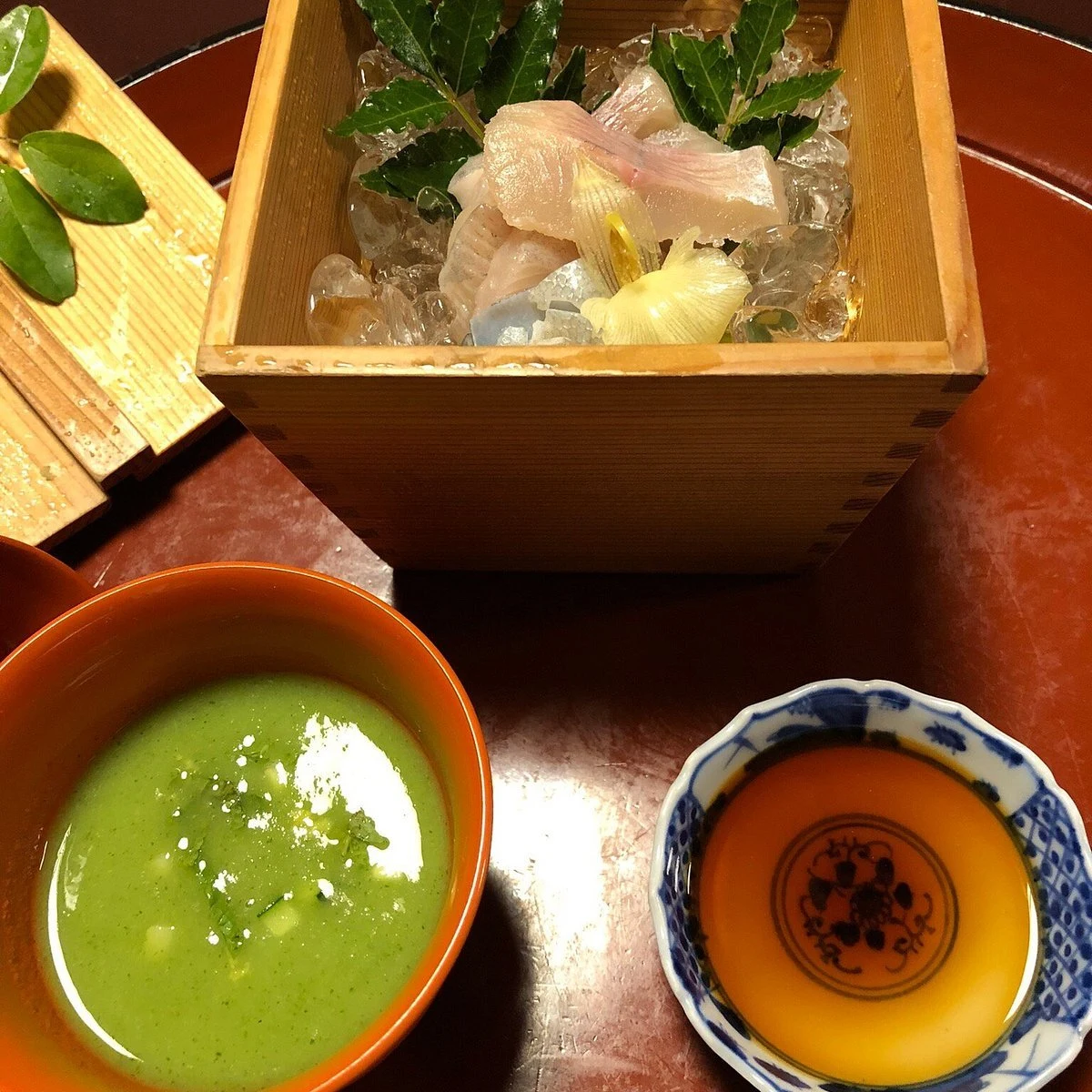
The menu follows kaiseki’s formal progression: starters, soup, sashimi, grilled or warm dishes, rice, and closing courses, adjusted by season and by the kitchen’s reading of the day’s ingredients. Sesame tofu may arrive under yuzu jelly; hamo tempura may sit in yuzu broth with mushroom and yuba; guji returns the house to its Wakasa history. The restaurant serves omakase, tasting menu, and set menu formats, but the craft is less about choice than sequence. Each course carries its place in the arc. Heat, cut, acidity, and vessel do quiet work.
Tatami rooms and a quiet pass
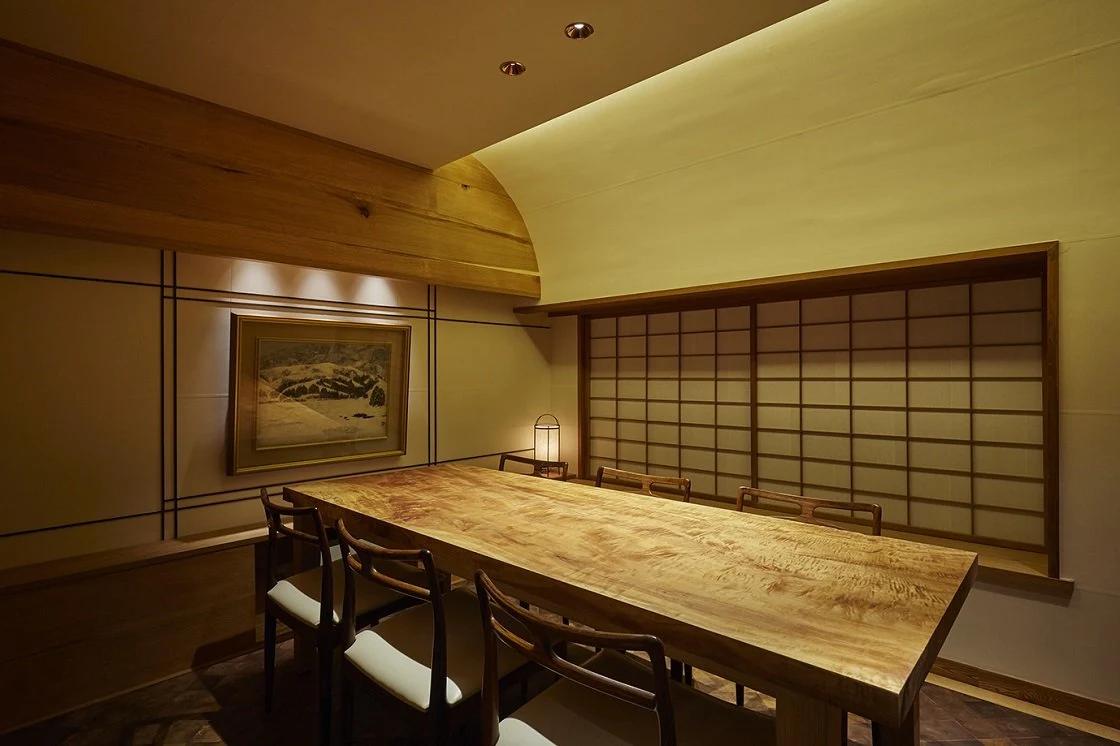
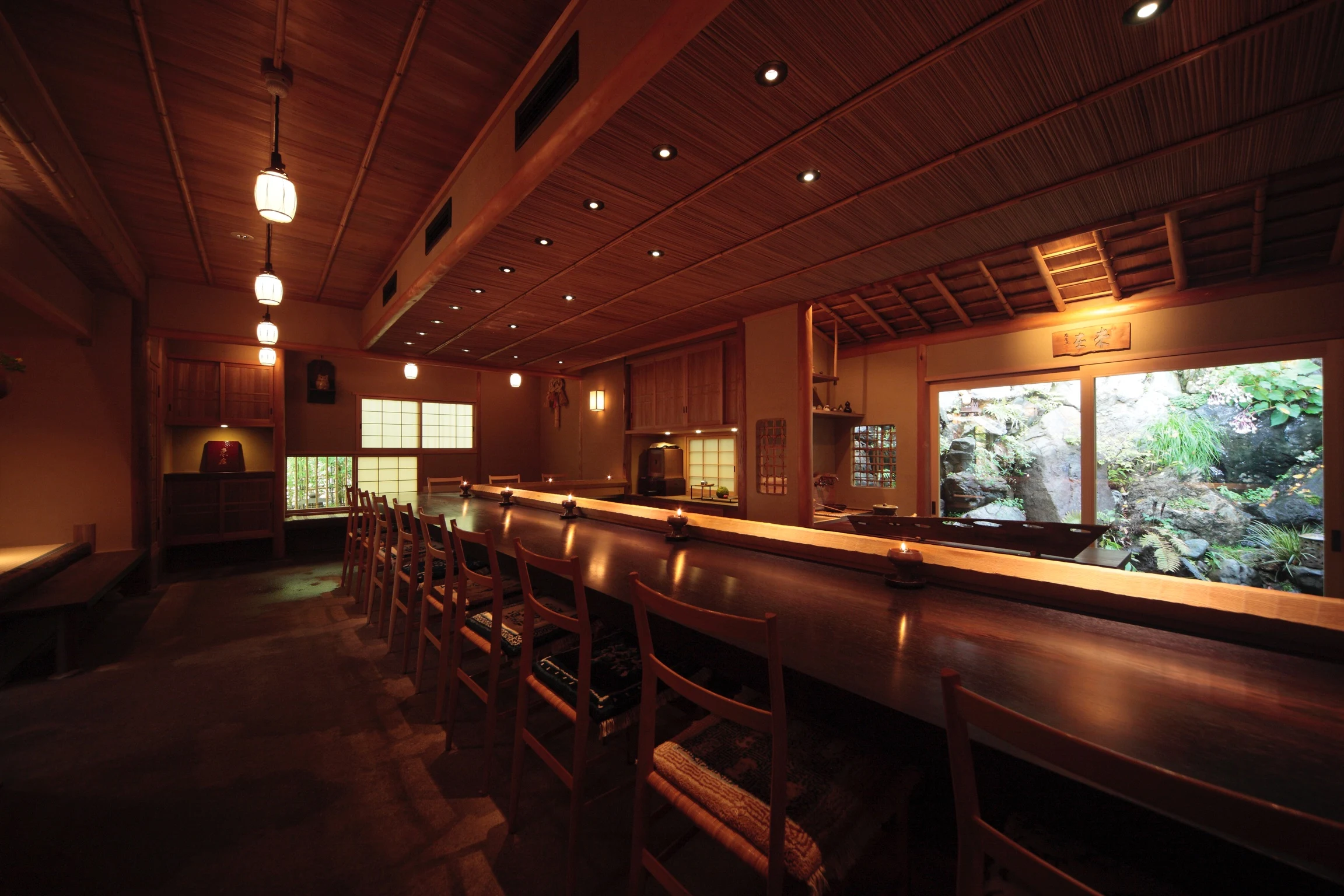
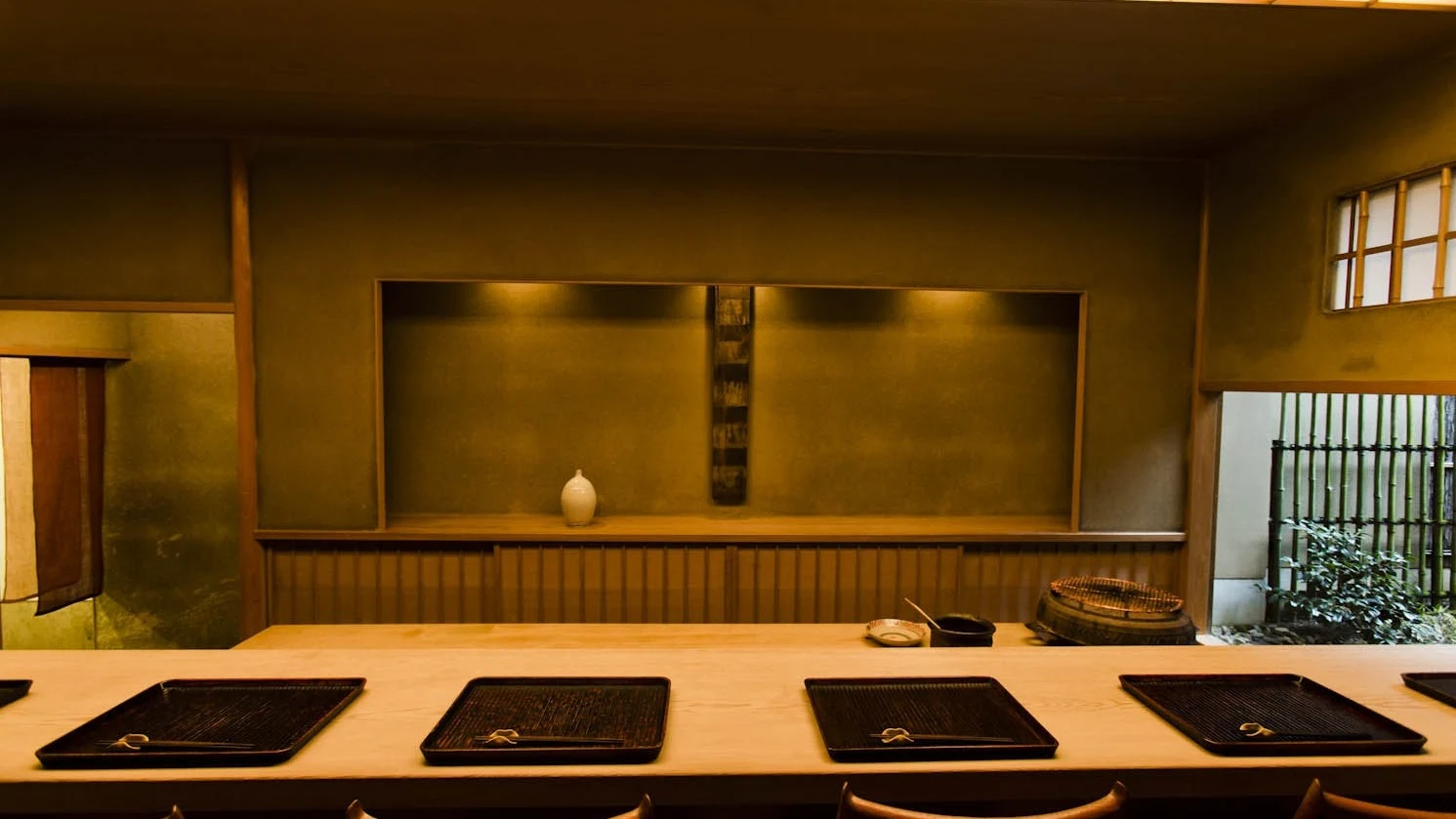
The room asks for attention before it asks for admiration. Private tatami rooms hold traditional art, soft light, and views toward small gardens, while the service moves with the formality Kyoto kaiseki requires. Bowls arrive low to the table. Explanations are measured.
Nakamura’s beverage program stays close to the food, with sake and beer as the natural companions to the menu rather than a separate performance. The dining format gives the kitchen control over cadence, and the room protects that cadence. What remains with the diner is often not a single flourish, but the way white miso, mochi, wasabi, and tatami gather around Shiromiso Zoni.
Questions
Frequently asked
Who is behind Nakamura?
Motokazu Nakamura is the head chef and owner. He is the sixth generation to lead Isshisoden Nakamura, also known as Isshi Souden Nakamura, a Kyoto kaiseki house founded in 1827.
What kind of restaurant is Nakamura?
It is a Traditional Kyoto Kaiseki Omakase restaurant in Nakagyo-ku, Kyoto. The menu follows kaiseki’s formal progression, with courses that change by season and by the kitchen’s reading of the day’s ingredients.
What is the restaurant known for?
Nakamura is known for its family kaiseki lineage, which has passed from father to son since the Edo period, and for dishes such as Shiromiso Zoni, hamo tempura in yuzu broth, and sesame tofu with yuzu jelly. The house also works with ingredients and techniques informed by research, including collaborations with Kyoto University on ingredient analysis and fermentation.
What recognition does Nakamura hold?
The restaurant has held three Michelin stars consecutively since 2011.
How does booking work?
Reservations are appointment only.
The field
How it compares
| Place | Cuisine | Notes | Awards |
|---|---|---|---|
| Nakamura | Traditional Kyoto Kaiseki Omakase | Higashiyama, $$$$ | · |
| Gion Sasaki | Modern Kaiseki | Kyoto | Michelin 3 Stars |
| Isshisoden Nakamura | Traditional Kyoto Kaiseki | Kyoto | Michelin 3 Stars |
| Kikunoi Honten | Kyoto Kaiseki Ryotei | Kyoto | Michelin 3 Stars |
| Miyama Sou | Tsumikusa Kaiseki | Kyoto | Michelin 3 Stars |
| Mizai | Traditional Kaiseki | Kyoto | Michelin 3 Stars |
| Ogata | Kaiseki Omakase | Kyoto | Michelin 2 Stars |
In residence
Similar places
The Sunday letter
Get the next Made By story in your inbox.
We send one email every Sunday morning with the places and people we covered that week.
See a sample of the Sunday emailOne email a week. Unsubscribe from any issue.