Miyamaso

In Residence
Hisato Nakahigashi
Chef
- 01CuisineTsumikusa Kaiseki
- 02CityKyoto, Japan
- 03RecognitionTwo Michelin Stars
From the people index
Recommended by
2 trusted voices point here.
- 2 Michelin Stars · Michelin Guide
- Tabelog Bronze #279: 4.3pts · 2026
- Michelin 2 Stars · 2026
- La Liste Top Restaurants: 85pts · 2026
- Tabelog Bronze · 2025
- Tabelog 100 #53: 4.2pts · 2025
- La Liste Top Restaurants: 86.5pts · 2025
- Opinionated About Dining Top Restaurants in Japan Ranked #32 · 2025
- Opinionated About Dining Top Restaurants in Japan Ranked #36 · 2024
- Opinionated About Dining Top Restaurants in Japan Ranked #39 · 2023
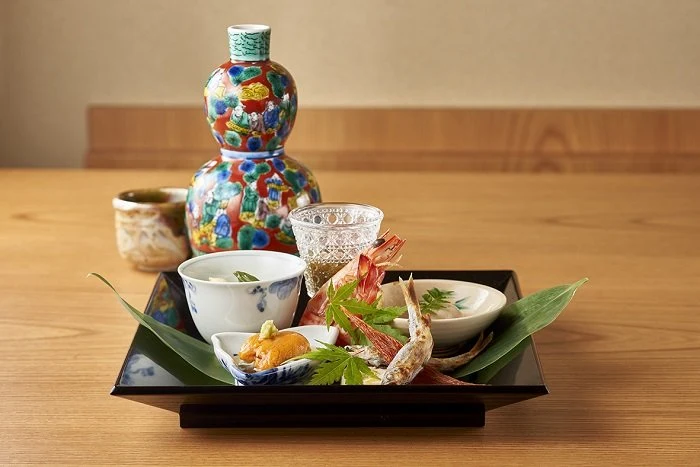
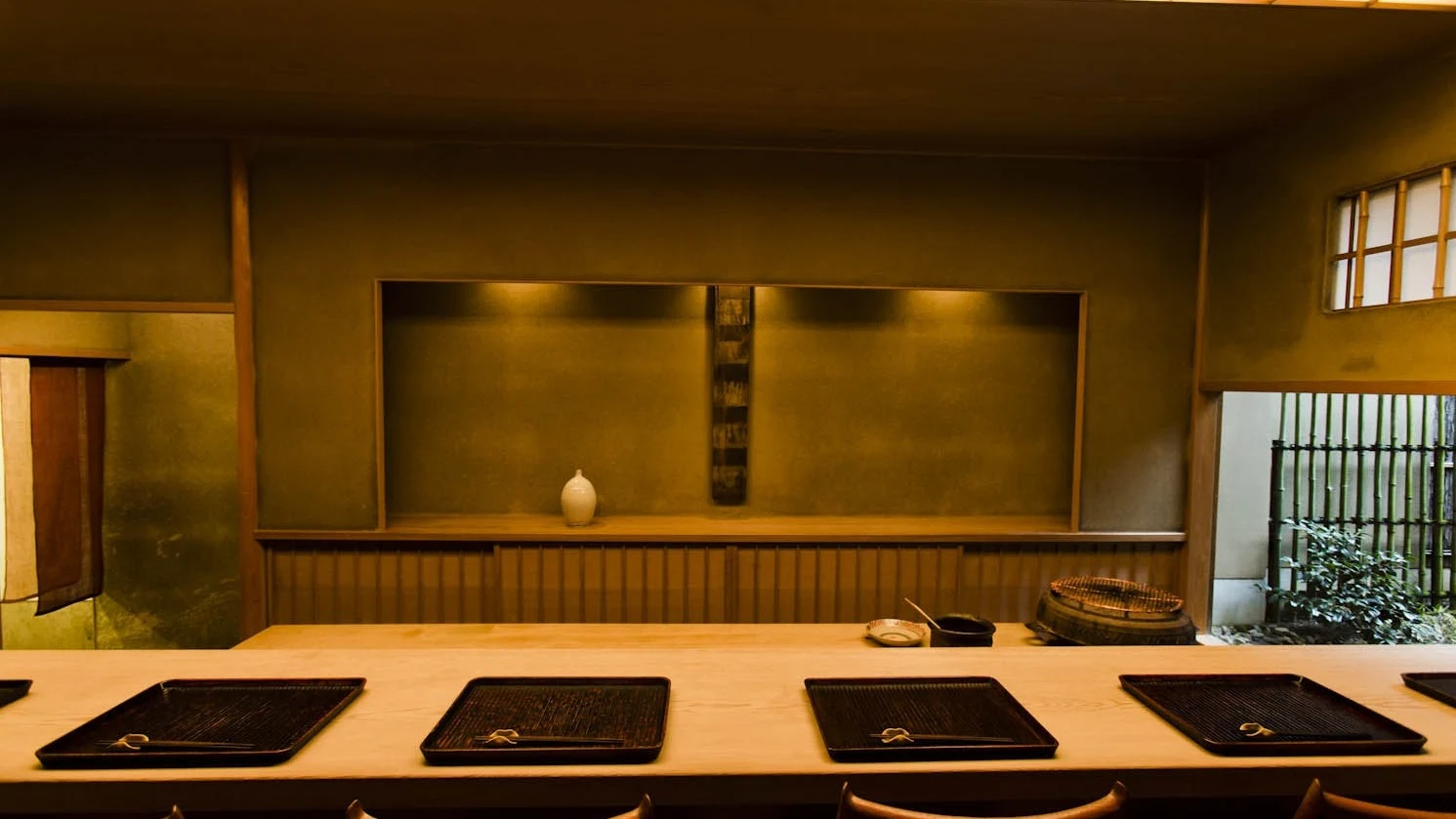
The approach to mountain Kyoto changes the appetite before the first course. Stone, cedar, river air and Hanase’s hush move the meal from the city’s lantern-lit alleys into an older register of Japanese hospitality: food as season, shelter and occasion. Miyamaso belongs to that lineage, a dining inn originally tied to pilgrims’ lodgings for Bujoji Temple, where the meal feels like a long gathering rather than a quick counter performance.
Kyoto’s Japanese dining scene splits into polished urban kaiseki rooms, tightly edited chef counters, temple-adjacent vegetarian traditions, and relaxed drinking-led formats where sake, fish and conversation set the tempo. The mountain inn occupies another lane, keeping the formality of high Japanese cuisine while borrowing communal ease: private rooms, tatami settings, sake, fish, celebrations and a pace that lets a table settle.
The Sunday letter
Find new places through the people who run them.
Our Sunday email brings you the chefs, winemakers and hoteliers behind our newest stories. See a sample before you subscribe.
See a sample of the Sunday emailOne email a week. Unsubscribe from any issue.
Wild-herb cooking as Kyoto's mountain counterpoint
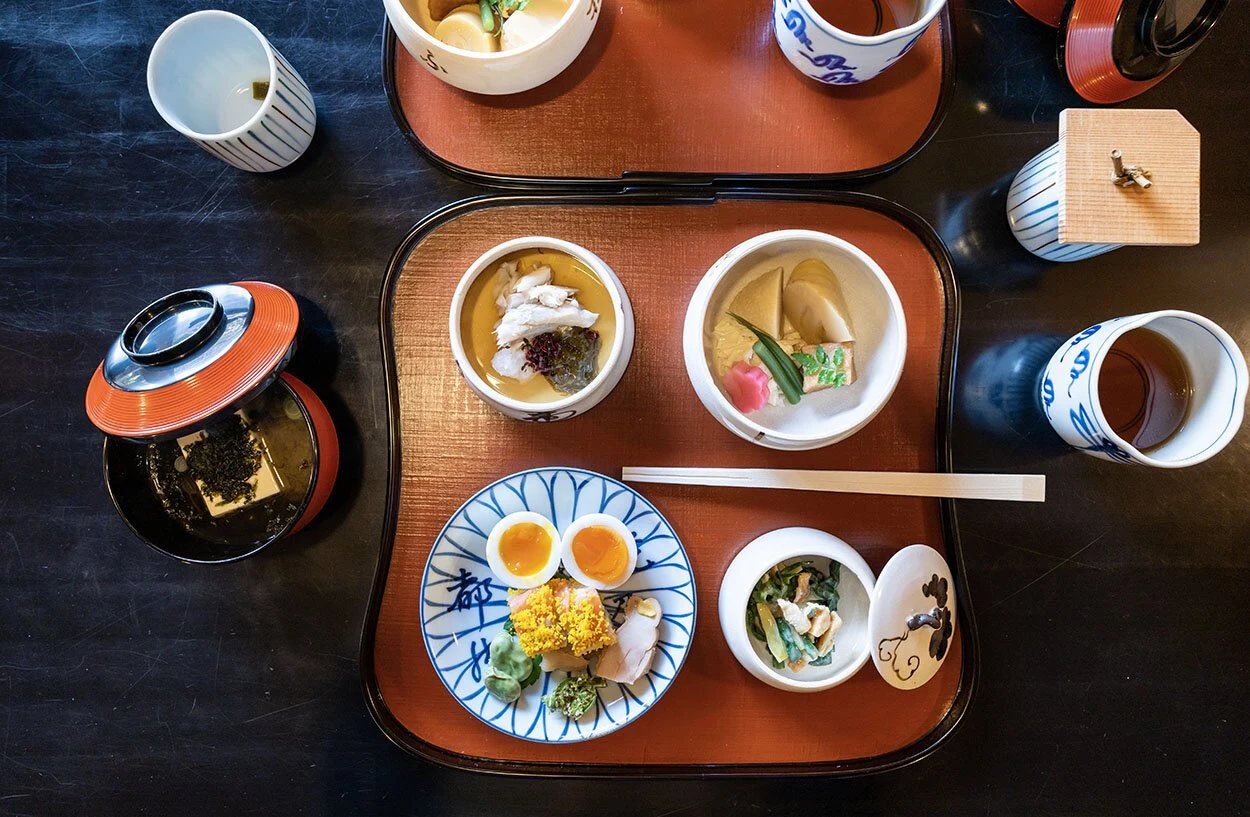
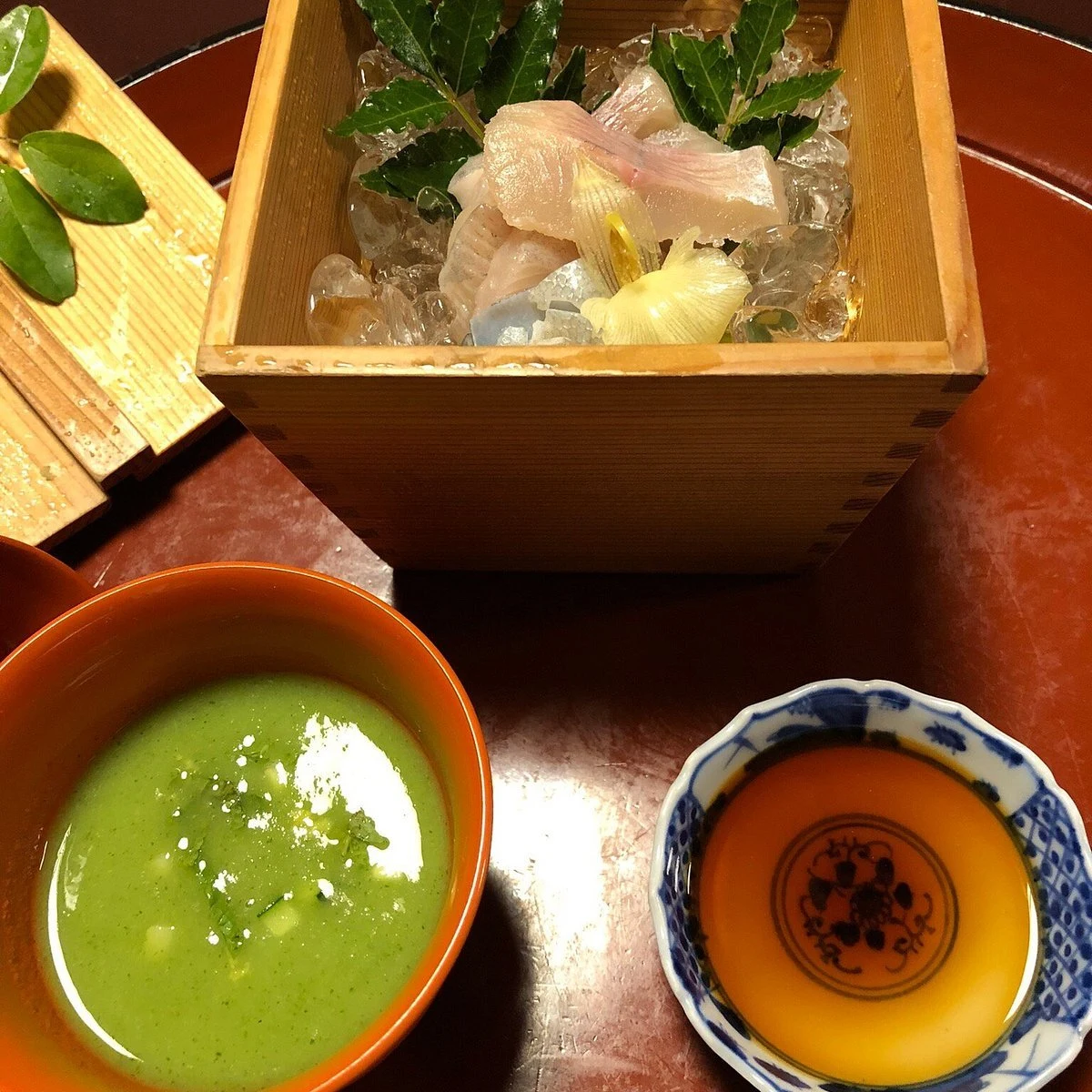
Kyoto’s refined dining reputation is often read through Gion and central-city kaiseki, but the region’s mountain cooking is just as instructive. The city has always depended on surrounding hills, rivers and villages, and Hanase makes that relationship physical. The restaurant’s public identity centres on wild-herb cuisine, with seasonal plants from Hanase beside river fish and game, shifting the meal from urban luxury cues toward satoyama, the cultivated edge between village and mountain.
Chef Hisato Nakahigashi is a custodian of that vocabulary, not the whole story. This style resists the increasingly international grammar of luxury dining: instead of imported ingredients or theatrical plating, it treats local plants, freshwater catch and country-house hospitality as the argument. La Liste scored the restaurant at 85 points for 2026, while Tabelog lists a 2026 Bronze Award and a 4.26 score, placing the room inside Japan’s serious dining conversation without making it a generic trophy meal.
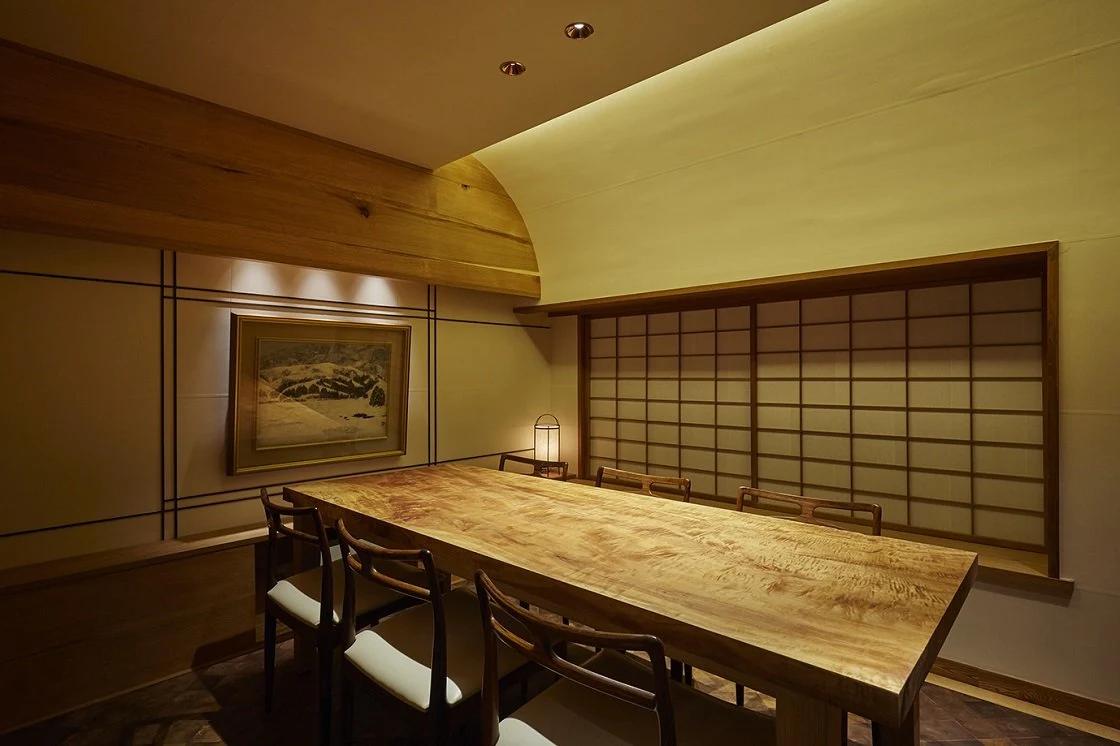
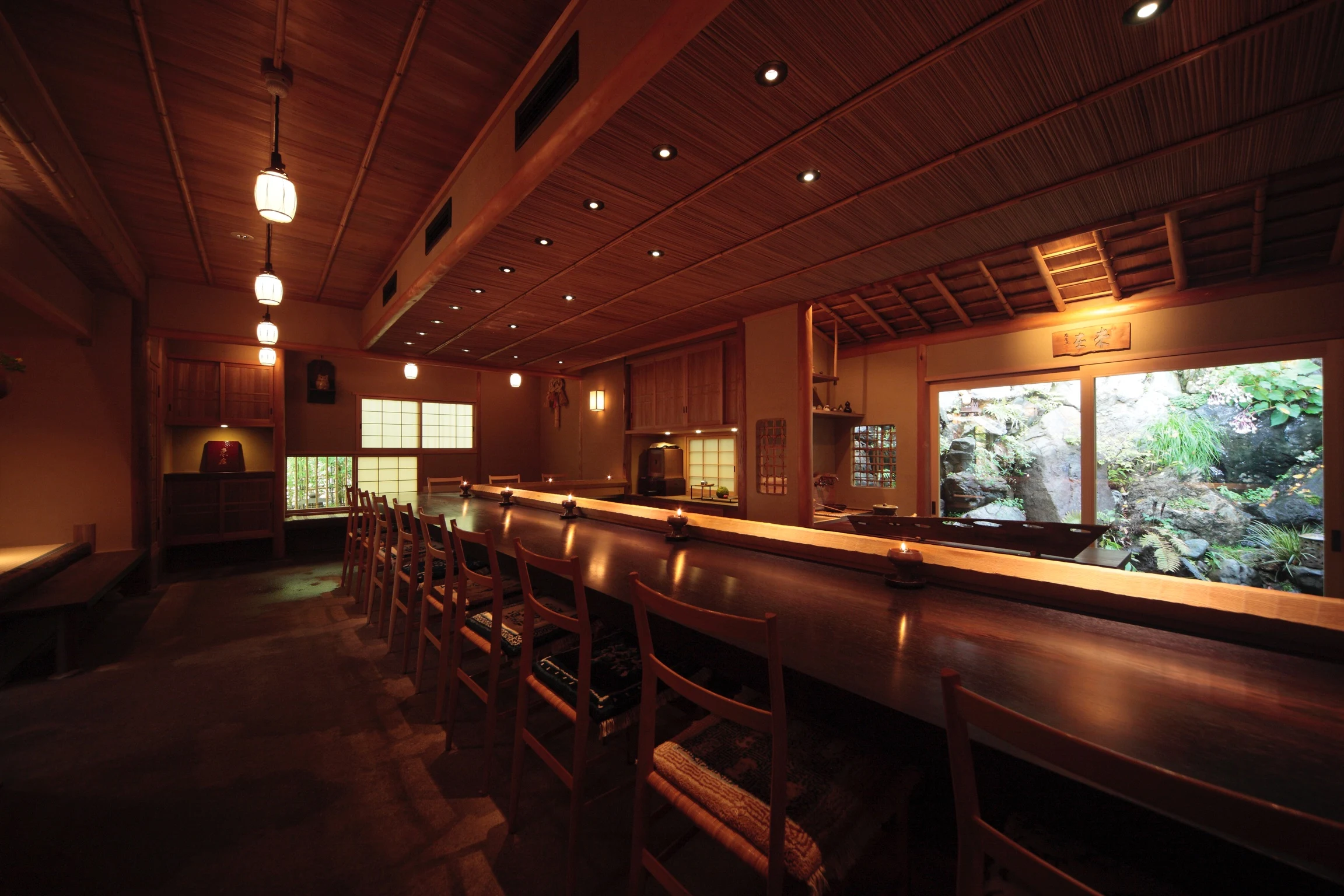
The izakaya comparison helps because this is not an izakaya. Kyoto’s drinking culture prizes rhythm: a table orders, pours, talks, pauses, and returns to food without pure ceremony’s stiffness. Here, the spending tier and cuisine are far more formal, yet sake and shared-room hospitality prevent a silent tasting-menu exercise. The listed format includes 49 seats, with counter seating and tatami rooms, so the social possibilities are broader than the small counter model dominating many destination restaurants in Japan.
For travellers mapping Kyoto’s Japanese cuisine range, the contrast is sharp. Aji Fukushima, Aoikonshin Yamada, Ayanokoji Karatsu and Chiso Aida help define the city’s urban Japanese-dining register, while Choshoku Kishin points toward morning and ritual in Kyoto eating. Miyamaso adds the mountain chapter: seasonal plants, fish, game and inn-style hospitality rather than downtown compression.
A serious room that rewards a slower table
The Japanese fine-dining boom has pushed many travellers toward small counters because they read as scarce, personal and technically legible. Kyoto’s older hospitality forms do not always fit that expectation. Tatami seating, private rooms and an inn structure ask for different attention. The reward is not the chef-counter thrill of watching every cut; it is the wider choreography of setting, service and season.
Recognition has been consistent across systems. Tabelog’s award history includes Bronze recognition in 2026, 2025, 2024, 2023, 2021 and 2020, with Silver recognition listed for 2022, 2019, 2018 and 2017. The restaurant was also selected for Tabelog Japanese cuisine WEST 100 in 2025, 2023 and 2021. Opinionated About Dining placed it at number 32 in its 2025 ranking of restaurants in Japan. These audiences have different biases, making the overlap useful: the appeal is not a single-guide anomaly.
Within Kyoto’s competitive set, the mountain setting separates it from city peers such as Honke Tankuma Honten, Jikiba Ono, Gion Matayoshi, Ryoriya Otaya and Kikunoi Mugesambo. Those names sit closer to the urban restaurant circuit in the reader’s decision tree. The choice is less about picking another Japanese restaurant than deciding whether a meal should carry the weight of an excursion. For many visitors, lunch or dinner becomes the day’s structure rather than one stop between temples and bars.
That slower structure suits groups better than many high-end counters. Reservation-only dining for parties of two or more, private rooms and tatami rooms make the experience compatible with families, celebrations or clients as well as a hushed row of seats. The category is Japanese cuisine, but the social mechanics sit closer to long-form hospitality: sake, fish, seasonal progression and a table that can hold conversation.
How to place it in a Kyoto itinerary
This is not the Kyoto meal to squeeze between sightseeing appointments. Mountain dining asks for margin, unlike central restaurants that fit around hotel check-in, cocktail hour or a short taxi ride. The smarter itinerary treats the meal as a half-day commitment and keeps the rest light, a critical distinction when choosing between an urban kaiseki room and a rural dining inn.
The value question is different too. Published budgets place lunch and dinner in the JPY 20,000 to JPY 29,999 range, while reviewer-based averages run higher, with dinner shown at JPY 60,000 to JPY 79,999 and lunch at JPY 30,000 to JPY 39,999. A 15 percent service charge is listed. Those numbers put the meal firmly in Kyoto’s destination-dining tier, but the cost is tied to format, setting and seasonality rather than stripped-down chef-counter theatre.
Kyoto travellers should build around the city, not just the table. Use Our full Kyoto restaurants guide for the broader dining map, then pair it with Our full Kyoto hotels guide if the meal needs a calmer base. Drinking plans belong in Our full Kyoto bars guide, while Our full Kyoto experiences guide is useful for temple, craft and seasonal programming around the meal. Our full Kyoto wineries guide is less central for this style of dining, though it helps readers thinking beyond sake.
For a wider Japanese-food lens outside Kyoto, the contrast with -Grilled beef Sukiyaki- KAMAKURA TANUKIAN 鎌倉 たぬき庵 in Kamakura,. 鮪と炭火焼き うお炭 秋葉原店 in Tokyo,.cafe in Osaka,.know in Kumamoto, (Shoku) Vietnam in Kawasaki, [Curry Senmon Ten] Maruyama Kyoju. in Sapporo, 715, Japanese in Los Angeles and 99 sushi bar, Japanese in Alcobendas shows how elastic the category becomes once it leaves the mountain setting. Miyamaso is valuable because it is specific: Kyoto cuisine interpreted through Hanase plants, river fish, game, sake and the patience of an inn meal.
Questions
Frequently asked
What recognition does Miyamaso hold?
Miyamaso holds 2 Michelin stars.
Who works at Miyamaso?
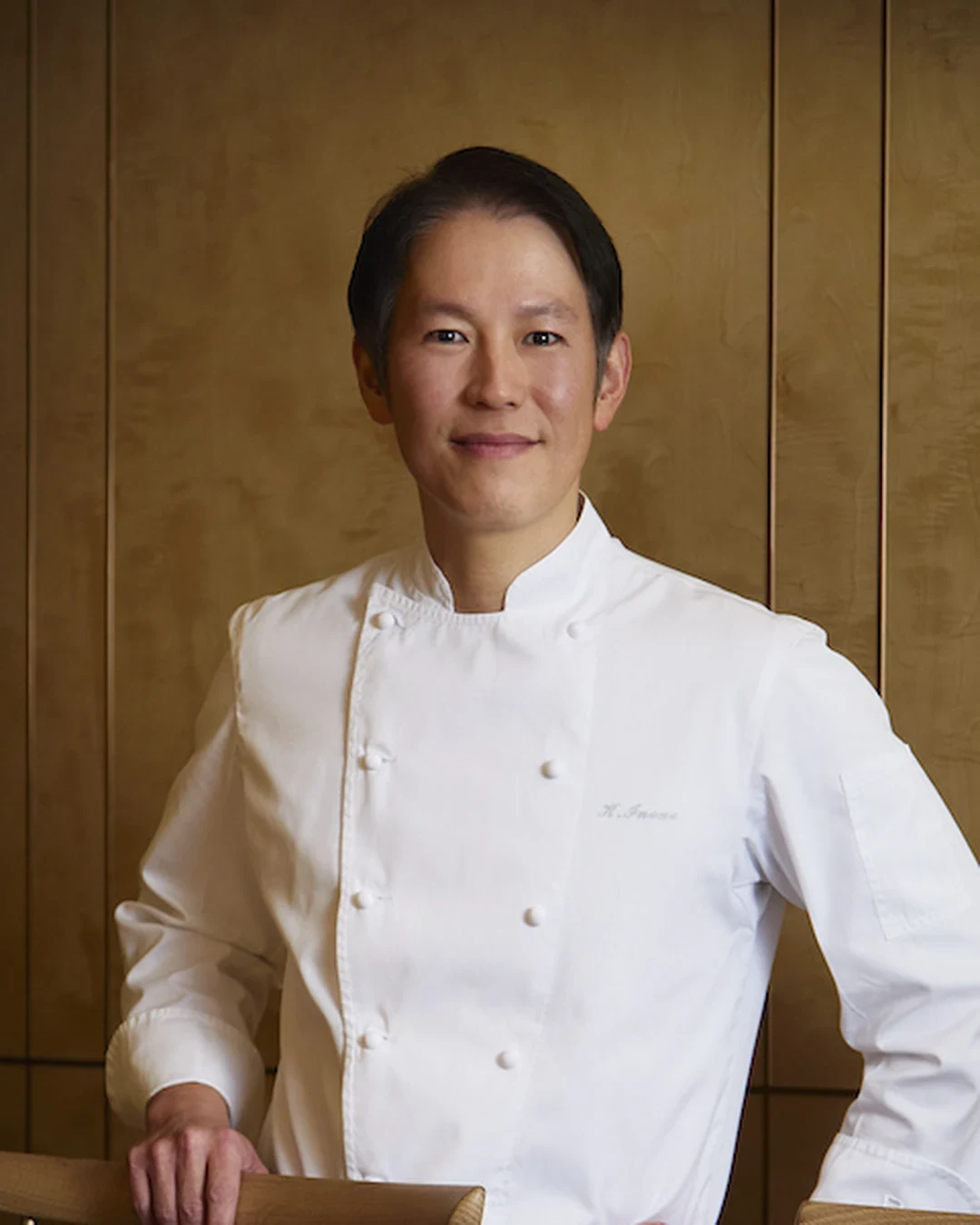
Made By profiles Hisato Nakahigashi (Chef) at Miyamaso.
How expensive is Miyamaso?
Miyamaso is listed at a price level of $$$$.
Where is Miyamaso and what does it serve?
Miyamaso is in Shimogyō, Kyoto, serving Tsumikusa Kaiseki.
The field
How it compares
| Place | Awards | Cuisine | Notes |
|---|---|---|---|
| Miyamaso | Michelin 2 Stars | Tsumikusa Kaiseki | Shimogyō, $$$$ |
| Gion Sasaki | Michelin 3 Stars | Modern Kaiseki | Kyoto |
| Hyotei | Michelin 3 Stars | Traditional Kaiseki | Kyoto |
| Kikunoi Honten | Michelin 3 Stars | Kyoto Kaiseki Ryotei | Kyoto |
| Miyama Sou | Michelin 3 Stars | Tsumikusa Kaiseki | Kyoto |
| Mizai | Michelin 3 Stars | Traditional Kaiseki | Kyoto |
| Ogata | Michelin 2 Stars | Kaiseki Omakase | Kyoto |
In residence
Similar places
The Sunday letter
Get the next Made By story in your inbox.
We send one email every Sunday morning with the places and people we covered that week.
See a sample of the Sunday emailOne email a week. Unsubscribe from any issue.