Dashi folded into French fond
- Wine Spectator · Tier 1
- Michelin Plate · 2026
- Wine Spectator Award of Excellence · 2026
- Opinionated About Dining Casual in North America Ranked #441 · 2025
- Wine Spectator Award of Excellence · 2025
- Opinionated About Dining Top Restaurants in Europe Ranked #566 · 2025
- Michelin Plate · 2025
- Tabelog 100 #98: 3.7pts · 2025
- Opinionated About Dining Casual in North America Ranked #461 · 2024
- Opinionated About Dining Casual in North America Recommended · 2023
Stock before the first course
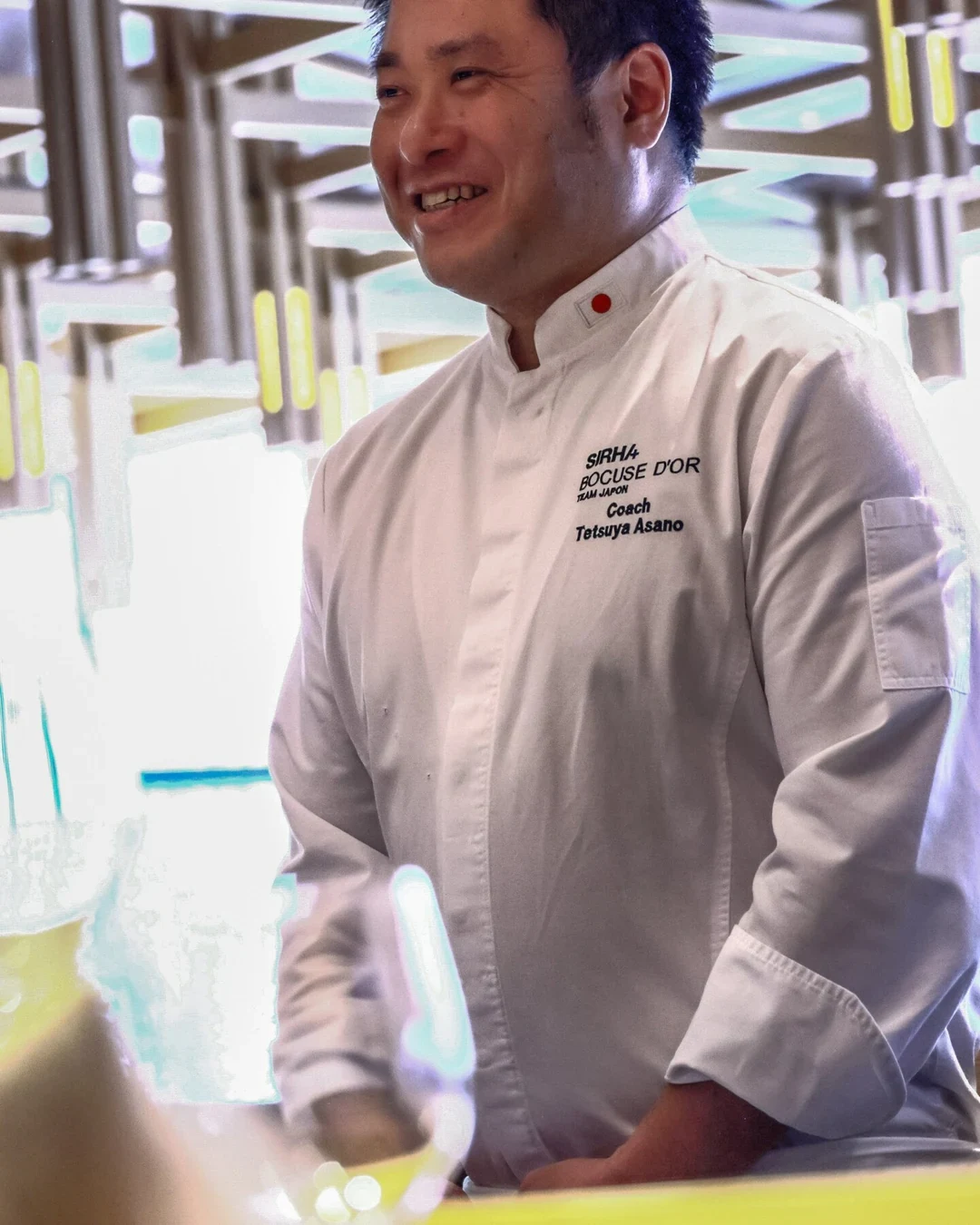
Dashi and fond meet before the first course at TOKI in Nakagyo-ku, Kyoto, a tasting-menu room built around that decision. Tetsuya Asano has been Chef de Cuisine here since December 2019, working from a philosophy rooted in fond and dashi and in Kyoto’s pristine water, which he uses to build stocks that amplify a seasonal ingredient rather than dress it. The restaurant sits within HOTEL THE MITSUI KYOTO, near Nijo Castle, where Kyoto water is not treated as scenery but as a working ingredient.
Asano trained in renowned kitchens in the Netherlands and France, and in 2017 became the first Japanese executive sous-chef at The Ritz Paris, overseeing all its restaurants including the two-Michelin-starred Espadon. That Parisian mastery is what makes the hybrid legible: Western technique carrying Japanese elements such as sake lees or Kyoyaki vessels. His stated ethos is ingredient purity, and the kitchen’s grammar is French and Japanese at once: stock, dashi, sake lees, Saikyo miso, seasonal vegetables, seafood, and the quiet discipline of a prix fixe progression. The house opened on November 3, 2020, and the point of view has stayed close to water, season, and the stockpot.
Fond drawn through Kyoto water
The method here begins with water that carries the city’s identity. Fond and dashi do different work, but TOKI lets them share the same spine: one draws from French reduction and clarity, the other from Japanese extraction and umami. The tasting menu has been described through 10-course and 12-course forms, with dishes moving from a water-led opening into seafood, vegetables, meat, and a measured finish of sweets.
Kyoto Fushimizu sets the tone with seasonal vegetables and Kyoto water. Hyogo firefly squid appears with Kyoto sake lees. Tottori salmon can arrive with salmon roe, while salmon with Saikyo miso gives the fish a deeper, sweeter register. Foie gras with Tango sake lees is not a garnish idea; it is the meeting point of fat, fermentation, and acidity. Duck with duck dashi works by echo rather than contrast, letting the stock carry the meat back to itself. The wine and sake program follows that same line, using nihonshu, wine, shochu, and cocktails to keep pace with umami rather than cover it.
The room facing the garden
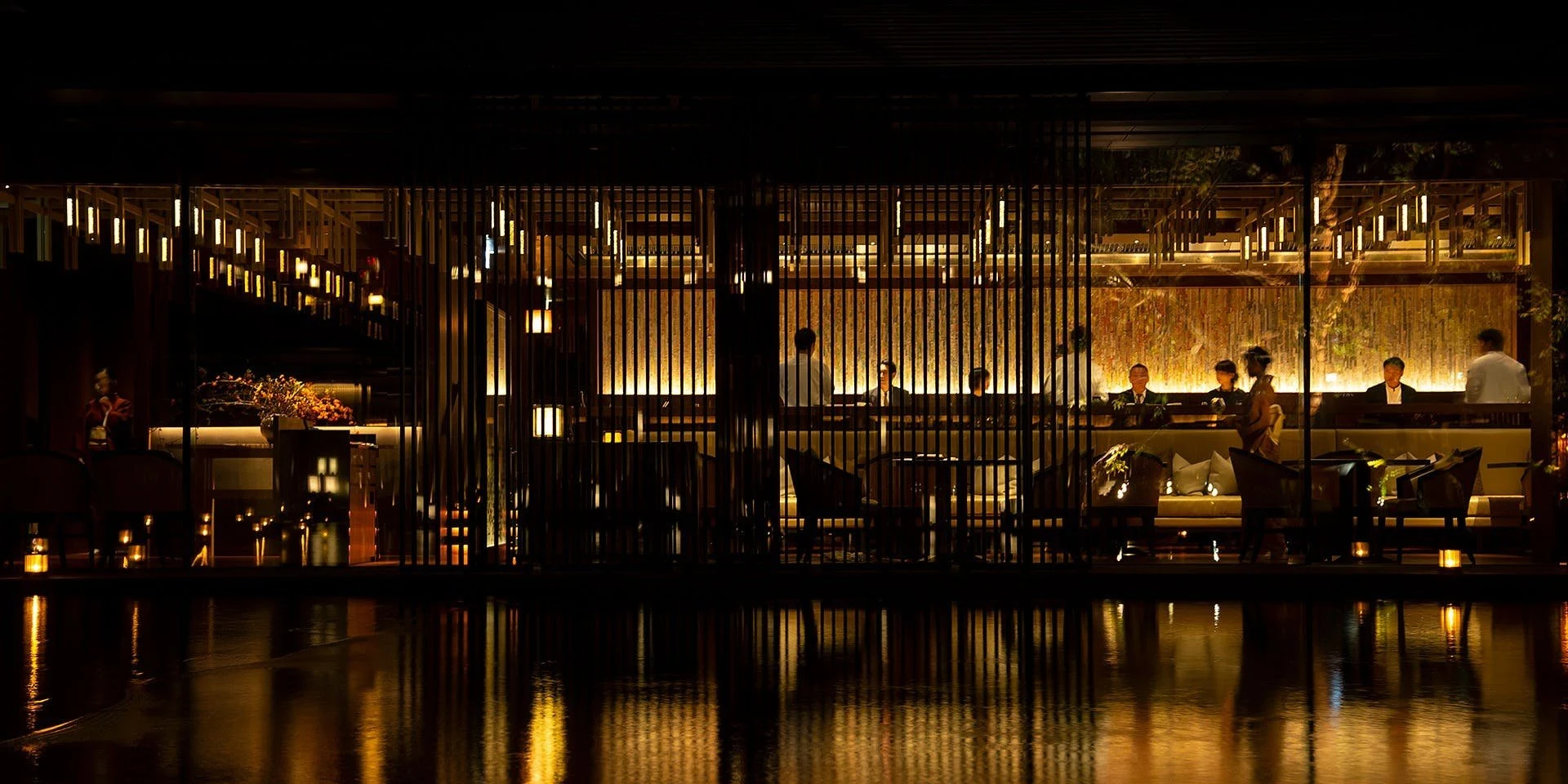
The room keeps its volume low. Pale wood, travertine, muted light, and floor-to-ceiling views onto the courtyard garden give the pass a calm surface, but the work underneath is exacting. Plates leave the kitchen in a sequence that asks the room to slow down: a sip, a small vegetable course, a piece of seafood, a stock-driven turn, a richer course tempered by lees or miso. Cherry blossoms and autumn leaves can take the eye, but the table keeps returning to the same questions: how clean the stock tastes, how the vessel frames the food, how much seasoning the water has allowed the kitchen to withhold.
A competition year on the horizon
TOKI’s next public marker is already tied to the bench, through its connection to Japan’s Bocuse d’Or International Culinary Competition 2027 representation. That places the Kyoto-French method in a setting where technique is judged under pressure, not atmosphere. It matters because the kitchen’s identity is not built on novelty alone; it is built on repeatable decisions, stock after stock, course after course. For now, the clearest expression remains on the table at TOKI, in foie gras with sake lees.
Questions
Frequently asked
Who is the chef at TOKI?
Tetsuya Asano has been Chef de Cuisine at TOKI since December 2019. He trained in kitchens in the Netherlands and France, and in 2017 became the first Japanese executive sous-chef at The Ritz Paris.
What kind of restaurant is TOKI?
TOKI is a tasting-menu restaurant in Nakagyo-ku, Kyoto, within HOTEL THE MITSUI KYOTO near Nijo Castle. Its cooking is described as innovative Kyoto French, drawing on French technique, dashi, fond, and Kyoto water.
What is TOKI known for?
The restaurant is known for a method that builds stock around Kyoto water and pairs French and Japanese elements. Dishes mentioned include foie gras with sake lees, dried aged venison, and salmon with Saikyo miso.
What is the dress code and price level at TOKI?
The dress code is smart casual. The venue is in the $$$$ price tier, with an approximate cost of $200 per person.
The field
How it compares
| Place | Cuisine | Notes | Awards |
|---|---|---|---|
| TOKI | Innovative Kyoto French | Nakagyō, $$$$ | · |
| Gion Sasaki | Modern Kaiseki | Kyoto | Michelin 3 Stars |
| Hyotei | Traditional Kaiseki | Kyoto | Michelin 3 Stars |
| Isshisoden Nakamura | Traditional Kyoto Kaiseki | Kyoto | Michelin 3 Stars |
| Miyama Sou | Tsumikusa Kaiseki | Kyoto | Michelin 3 Stars |
| Mizai | Traditional Kaiseki | Kyoto | Michelin 3 Stars |
| Ogata | Kaiseki Omakase | Kyoto | Michelin 2 Stars |


