- Opinionated About Dining Top Restaurants in Japan Recommended · 2026
- Tabelog 100 #77: 3.7pts · 2025
- Opinionated About Dining Top Restaurants in Japan Ranked #356 · 2025
- Opinionated About Dining Top Restaurants in Japan Ranked #338 · 2024
- Opinionated About Dining Top Restaurants in Japan Highly Recommended · 2023
Where Kyoto's Precision Culture Meets the Steak Tradition
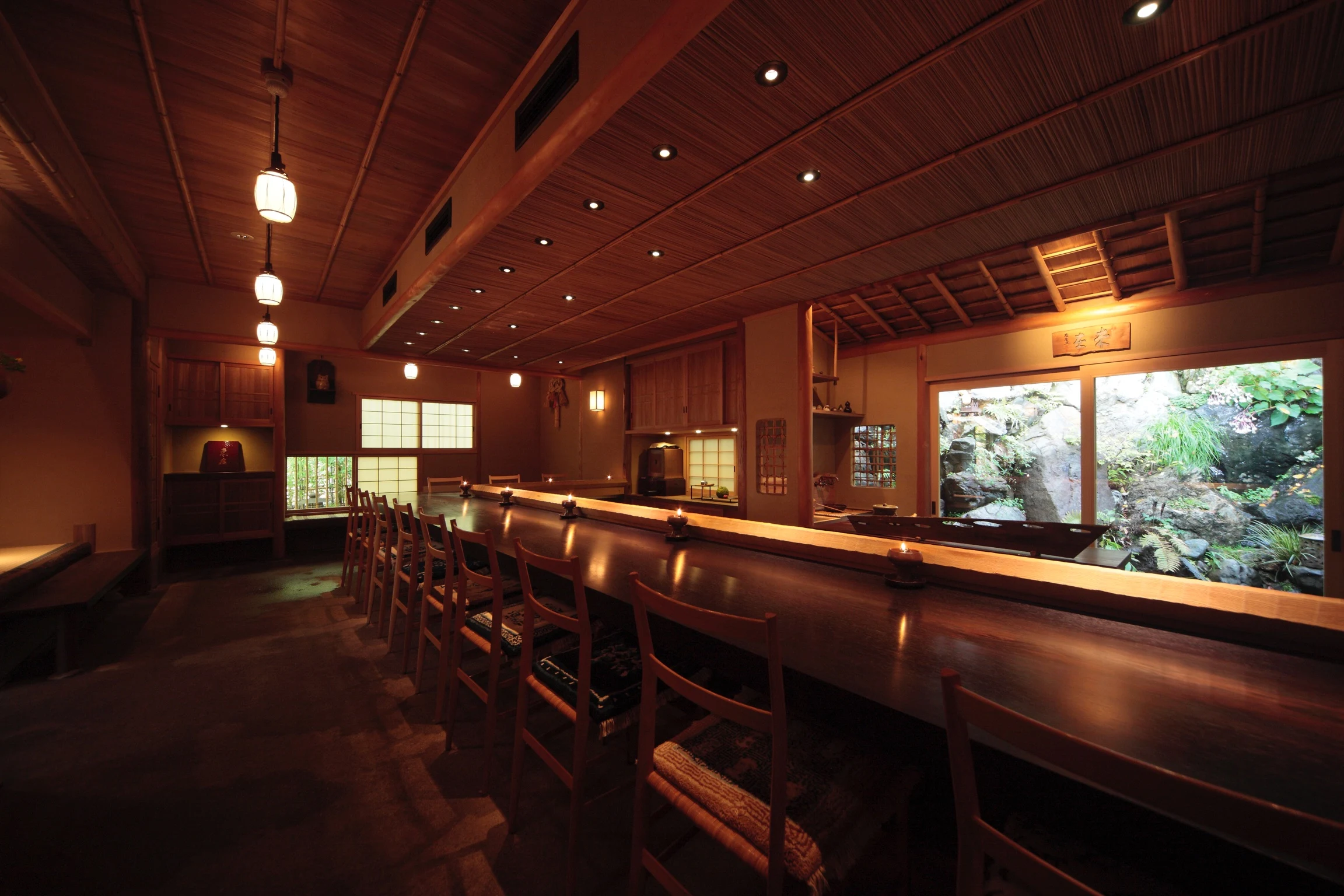
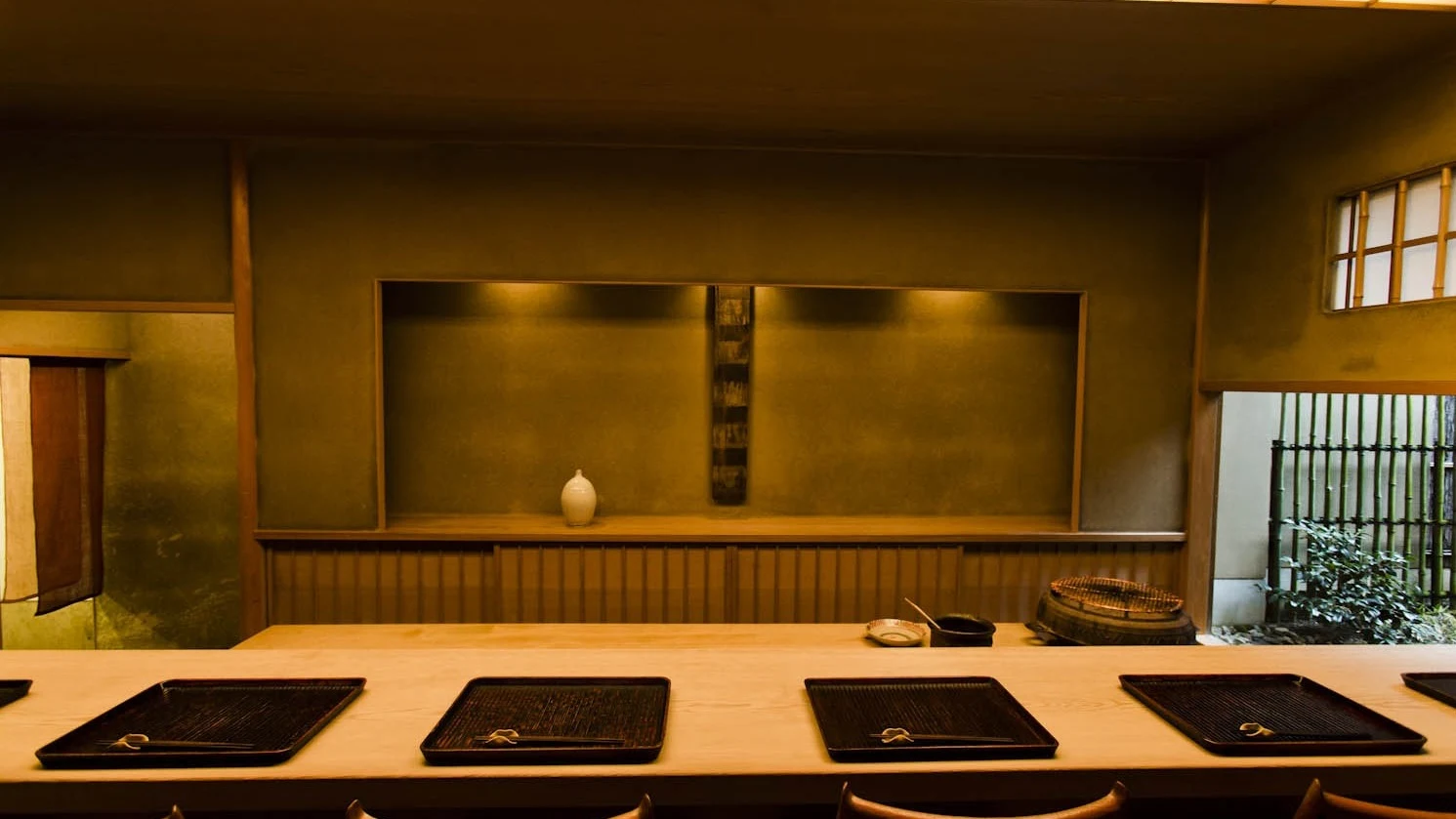
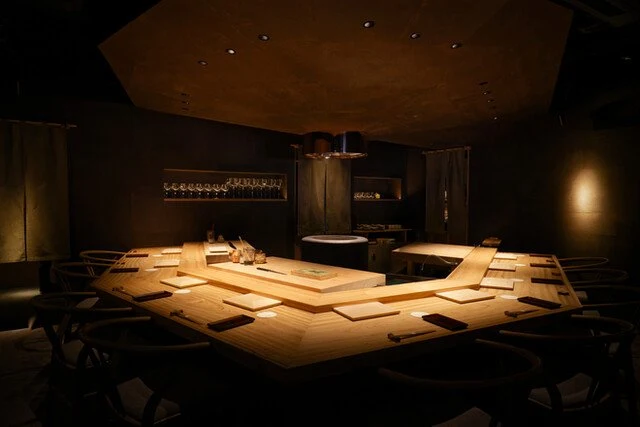
Steak restaurants occupy an unusual position in Kyoto's dining order. The city's prestige is built on kaiseki, the multi-course seasonal format practiced at places like Gion Sasaki, Hyotei, and Kikunoi Honten, yet the city's relationship with premium beef is older and more particular than the kaiseki framing suggests. Wagyu culture in Japan developed as both a culinary and an agricultural tradition, shaped by regional breeds and prefecture-specific farming methods. A Kyoto steak counter draws on that same infrastructure of sourcing and quality hierarchy, even if the format is simpler. Yutaka, in the Higashiyama ward of eastern Kyoto, is a Japanese Wagyu Steakhouse applying careful ingredient logic to a focused menu.
Higashiyama and the Logic of Where It Sits
Higashiyama is one of Kyoto's most coherent historic districts, a walkable stretch of preserved machiya townhouses, temples, and stone-paved lanes that draws both domestic visitors and international travellers. For a restaurant, the address signals something specific: this is not the business-district dining corridor or the Gion entertainment zone, but a neighbourhood where restaurants tend to rely on the quality of the meal itself rather than the surrounding nightlife. The Tamoncho address places Yutaka within this quieter residential and cultural pocket, where regulars and deliberate visitors make up the dining room rather than passing foot traffic. That dynamic suits a kitchen focused on sourcing and preparation rather than spectacle.
The Sourcing Argument for Japanese Beef
The editorial angle on a serious Japanese steak restaurant is almost always ingredient provenance. Japanese wagyu operates on a grading system, the Japanese Meat Grading Association's A through C yield grades and 1 through 5 quality scores, that has created a market where the cut's paperwork is often as important to the kitchen as the cooking itself. Marbling scores at the top of the BMS (Beef Marbling Standard) scale, regional breed certification for Kobe, Omi, or other designated wagyu, and the relationship between a restaurant and its particular butcher or farm supplier are the variables that separate steak kitchens at this level.
This matters especially in Kyoto. The city's historical role as Japan's imperial capital produced a culinary culture oriented around subtlety and ingredient purity rather than heavy preparation. Applying that sensibility to beef means the sourcing decision carries unusual weight: the quality of the animal is the primary statement, and cooking technique serves to express rather than mask it. Western steak traditions from Los Angeles to Houston have generally moved toward dry-aging and bold smoke or char as primary flavor contributions. Japanese steak, particularly at specialist counters, positions the beef's intrinsic fat quality and grain texture as the product, heat and seasoning are in service of that, not competing with it.
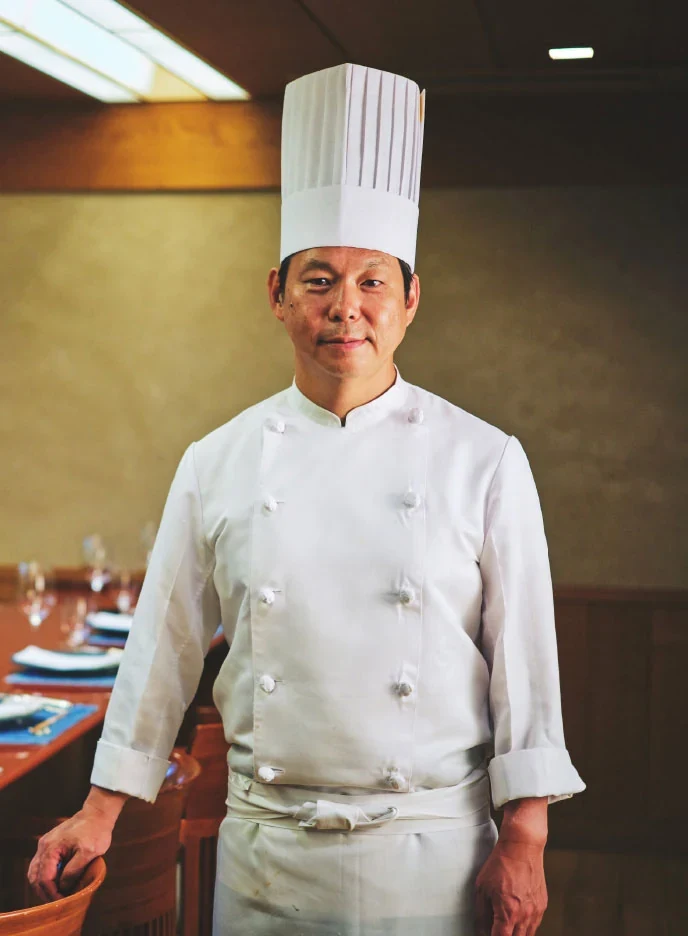
Chef Mamoru Takada's kitchen at Yutaka operates within this framework. A steak specialist earning sustained recognition from Opinionated About Dining in Japan's most competitive restaurant environment is being assessed against peers who take sourcing equally seriously. The recognition itself is a proxy for ingredient discipline.
A Climb Through the OAD Rankings
Opinionated About Dining's Japan list is compiled from a community of experienced diners and food professionals rather than anonymous inspectors, giving it a particular texture as a trust signal: it tends to identify kitchens that specialists return to, rather than venues that perform well on a single formal inspection. Yutaka appeared on the list as Highly Recommended in 2023, moved to #338 in 2024, and reached #356 in 2025. The rank shift looks like a decline in number, but within OAD's Japan list, one of the most competitive single-country rankings in the system, the movement between positions reflects ongoing re-evaluation rather than a linear score. The consistent inclusion across three consecutive years is the meaningful signal: this is a kitchen that holds its standing with returning visitors.
For context on the competitive field: Kyoto alone places multiple kaiseki restaurants from Isshisoden Nakamura to Kuishinbo Yamanaka on the same list, alongside entries from Tokyo, Osaka, and other cities. Appearing as a steak specialist, rather than a kaiseki counter, and sustaining that placement over three years distinguishes Yutaka from the obvious prestige format. Japan's restaurant ranking ecosystem also includes entries from further afield, Harutaka in Tokyo, HAJIME in Osaka, akordu in Nara, Goh in Fukuoka, 1000 in Yokohama, and 6 in Okinawa, making the rankings a genuinely national measure rather than a city-by-city guide.
The Google rating of 4.3 from a small review base (17 reviews) is consistent with a low-profile kitchen whose visitors tend to be knowledgeable rather than numerous. Small sample sizes limit statistical weight, but the alignment between the OAD recognition and the Google score suggests no significant gap between expert and general-diner assessment.
Format and Service Hours
Yutaka runs a structured split-shift format across most of the week: lunch from 12 pm to 1:30 pm and dinner from 6 pm to 10 pm, Monday through Saturday. Sunday service is closed. This two-session-per-day structure is common among serious Japanese restaurants at this level: it creates a clear separation between services, allows the kitchen to reset, and tends to produce more consistent results than a continuous-service model. The lunch window is narrow at two hours, which typically means a set format rather than an extended à la carte option. Visitors planning around a Higashiyama morning should factor the 11:30 am opening into their itinerary.
Know Before You Go
- Address: Tamoncho 154, Higashiyama Ward, Kyoto 605-0844, Japan
- Hours: Monday–Saturday 11:30 am–1:30 pm and 5:30 to 9:00 pm; Sunday 5:30 to 9:00 pm only
- Chef: Mamoru Takada
- Cuisine: Steak (Japanese beef specialist)
- Awards: Opinionated About Dining Leading Restaurants in Japan, Highly Recommended (2023), #338 (2024), #356 (2025)
- Google Rating: 4.8 (9 reviews)
- Booking: Reservations are recommended.
- Getting There: Higashiyama Ward is accessible by Kyoto city bus.
Questions
Frequently asked
Who works at Yutaka?
Made By profiles Mamoru Takada (Chef) at Yutaka.
How expensive is Yutaka?
Yutaka is listed at a price level of $$$$.
Where is Yutaka and what does it serve?
Yutaka is in Higashiyama, Kyoto, serving Japanese Wagyu Steakhouse.
The field
How it compares
| Place | Cuisine | Notes | Awards |
|---|---|---|---|
| Yutaka | Japanese Wagyu Steakhouse | Higashiyama, $$$$ | · |
| Hyotei | Traditional Kaiseki | Kyoto | Michelin 3 Stars |
| Isshisoden Nakamura | Traditional Kyoto Kaiseki | Kyoto | Michelin 3 Stars |
| Kikunoi Honten | Kyoto Kaiseki Ryotei | Kyoto | Michelin 3 Stars |
| Miyama Sou | Tsumikusa Kaiseki | Kyoto | Michelin 3 Stars |
| Mizai | Traditional Kaiseki | Kyoto | Michelin 3 Stars |
| Ogata | Kaiseki Omakase | Kyoto | Michelin 2 Stars |