Shokudou Ogawa
- 01CuisineModern Japanese Izakaya
- 02CityKyoto, Japan
From the people index
Recommended by
One trusted voice points here.
Thirteen seats, dashi, and restraint
- Opinionated About Dining Top Restaurants in Japan Ranked #47 · 2026
- Tabelog Silver #96: 4.3pts · 2026
- Opinionated About Dining Top Restaurants in Japan Ranked #71 · 2025
- Tabelog Silver · 2025
- Tabelog 100 #37: 4.3pts · 2025
- Opinionated About Dining Top Restaurants in Japan Ranked #168 · 2024
- Opinionated About Dining Top Restaurants in Japan Highly Recommended · 2023
The counter as a station of restraint
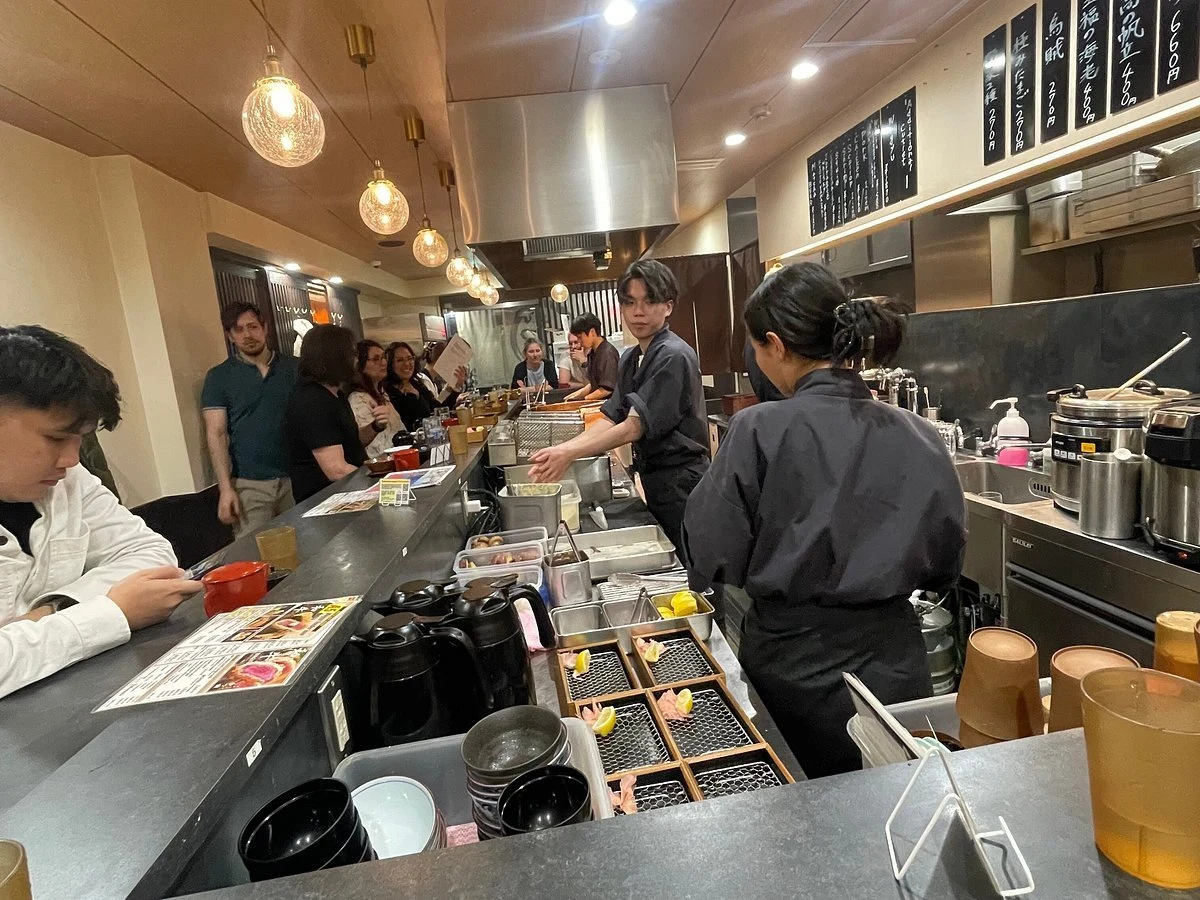
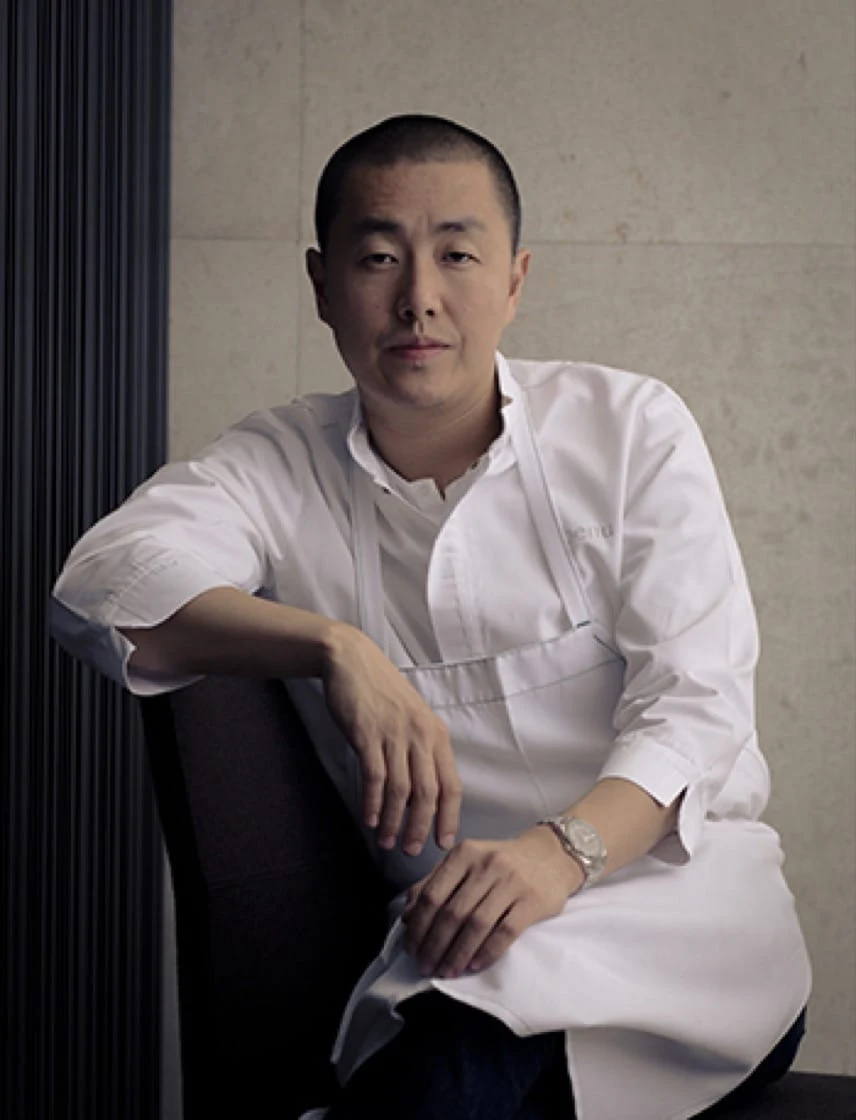
Yosuke Ogawa keeps the gesture small: a cut made cleanly, a course held until the timing is right. As Chef at Shokudou Ogawa in Kyoto, Japan, he works at a counter where proximity makes every movement legible. Yosuke Ogawa trained at Gion Sasaki, a base suited to Kyoto cooking, where pace, balance, and attention to detail matter as much as the ingredient in front of the hands. Since 2010, he has served as chef of Shokudou Ogawa, carrying that discipline into a room built less around display than control. The restaurant opened in Shimogyo Ward on July 18, 2009, then moved on December 24, 2010, while keeping the counter as its center of gravity. Ogawa’s own language stays close to the local system that feeds the kitchen: “We contemplate how we can change restaurants in the future for the next generation by cherishing the bounties of Kyoto, Japan.” At the bench, that thought becomes practical. Kyoto’s seasons set the material; Ogawa’s work is to decide how little interference a dish can bear, and how much precision it still requires.
Karasumi, dashi, and the cutlet sandwich
The program moves between omakase, a la carte, and counter dining, with the freedom of a shokudo sharpened by Kyoto technique. Signature dishes point to that range: karasumi mochi, pike conger eel cutlet sandwich, sea cucumber vinegar with yuzu peel, octopus umani stew. Side dishes lean toward boiled vegetables, ground soup served hot or cold, clay pot rice, preserves in sweetened soy, dried mullet roe, and peppered crepe. The method is not kaiseki formality repeated for its own sake. It is a looser architecture held together by dashi, seasonality, and the decision to make surprise feel earned. The pike conger eel cutlet sandwich says much of the place: a fish associated with Kyoto summer, placed into a form that reads casual at first, then exacting once the bite shows the cut, the fry, and the seasoning. Sake leads the beverage focus, with a curated wine program in support rather than command. The restaurant’s recognition sits behind the work, not in front of it.
Thirteen seats and the old-house warmth
The room gives Ogawa nowhere to hide. Shokudou Ogawa is built around an intimate 13-seat counter, a format that turns the pass into the main line of sight and keeps the exchange conversational. The atmosphere has the warmth of an old folk house rather than the hush of a ceremonial dining room. Regulars matter here. So does the ease of a guest eating alone, close enough to watch a dish move from the bench to the counter without ceremony being added to the gesture. The scale also changes the pressure on the kitchen: a small room amplifies timing, repetition, and the sound of service. Nothing needs to be announced when the sequence is working. Karasumi mochi keep Shokudou Ogawa’s counter in its low social hum.
Questions
Frequently asked
What kind of restaurant is Shokudou Ogawa?
Shokudou Ogawa is a modern Japanese izakaya in Shimogyo-ku, Kyoto, built around an intimate 13-seat counter. The format includes omakase, a la carte, and counter dining.
Who is the chef behind Shokudou Ogawa?
Yosuke Ogawa has been the chef since 2010. He trained at Gion Sasaki and brings that Kyoto discipline into the restaurant’s counter service.
What are the signature dishes here?
Signature dishes include karasumi mochi, pike conger eel cutlet sandwich, sea cucumber vinegar with yuzu peel, and octopus umani stew.
How does the restaurant approach drinks and service?
Sake leads the beverage focus, with a curated wine program in support. The room is small, the atmosphere is described as warm and conversational, and regulars as well as solo diners are part of the setting.
The field
How it compares
| Place | Cuisine | Notes | Awards |
|---|---|---|---|
| Shokudou Ogawa | Modern Japanese Izakaya | Shimogyō, $$$ | · |
| Gion Sasaki | Modern Kaiseki | Kyoto | Michelin 3 Stars |
| Hyotei | Traditional Kaiseki | Kyoto | Michelin 3 Stars |
| Isshisoden Nakamura | Traditional Kyoto Kaiseki | Kyoto | Michelin 3 Stars |
| Miyama Sou | Tsumikusa Kaiseki | Kyoto | Michelin 3 Stars |
| Mizai | Traditional Kaiseki | Kyoto | Michelin 3 Stars |
| Ogata | Kaiseki Omakase | Kyoto | Michelin 2 Stars |


