Tokuha Motonari
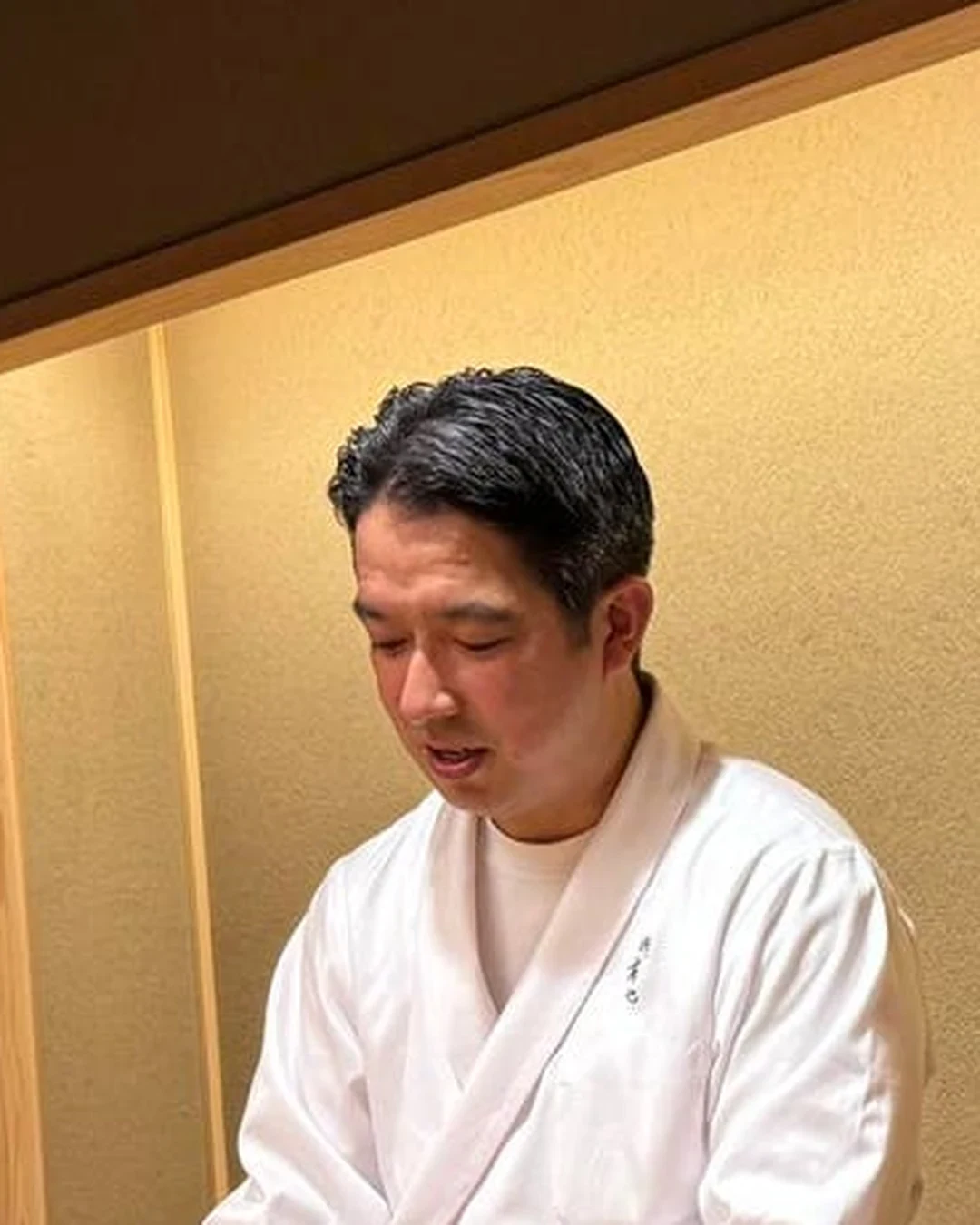
In Residence
Shinya Matsumoto
Chef
- 01CuisineTraditional Kyoto Kaiseki with Genshiyaki
- 02CityKyoto, Japan
- 03RecognitionTwo Michelin Stars
- 2 Michelin Stars · Michelin Guide
- Michelin 2 Stars · 2026
- Tabelog Gold #35: 4.5pts · 2026
- Opinionated About Dining Top Restaurants in Japan Ranked #52 · 2026
- Tabelog Chef's Gold #13: 4.5pts · 2026
- Opinionated About Dining Top Restaurants in Japan Ranked #338 · 2025
- Tabelog Silver · 2025
- Tabelog 100 #68: 4.5pts · 2025
A Kamigyo Counterpoint to Kyoto's Kaiseki Mainstream
Kamigyo Ward sits north of the tourist circuits that define most visitors' experience of Kyoto dining. The neighbourhood's streets around Kuramaguchi are residential in character, the kind of blocks where a sukiya-style machiya townhouse reads as an ordinary residential facade rather than a signal of what happens inside. That architectural discretion is itself a statement. Kyoto's premium Japanese restaurant scene has long operated across two registers: the grand, multi-room kaiseki establishments in Gion and along the Kamo River, and a smaller cohort of house restaurants and intimate counters where the cooking is no less serious but the staging is stripped back. Tokuha Motonari sits firmly in the second category.
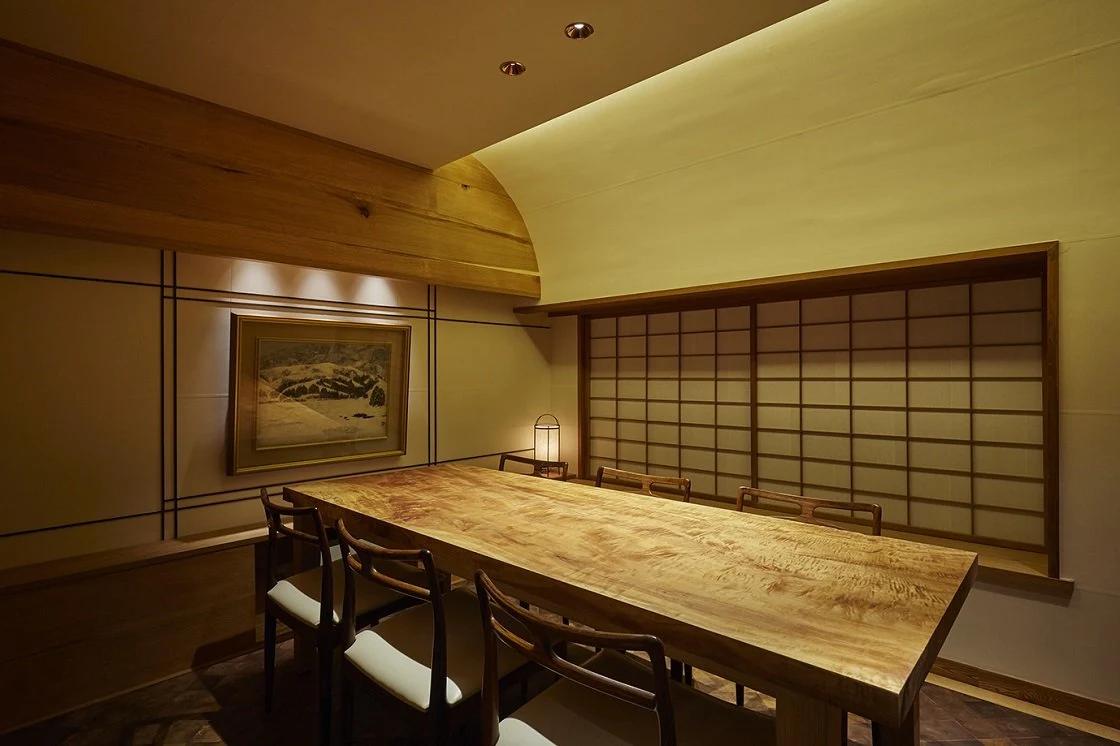
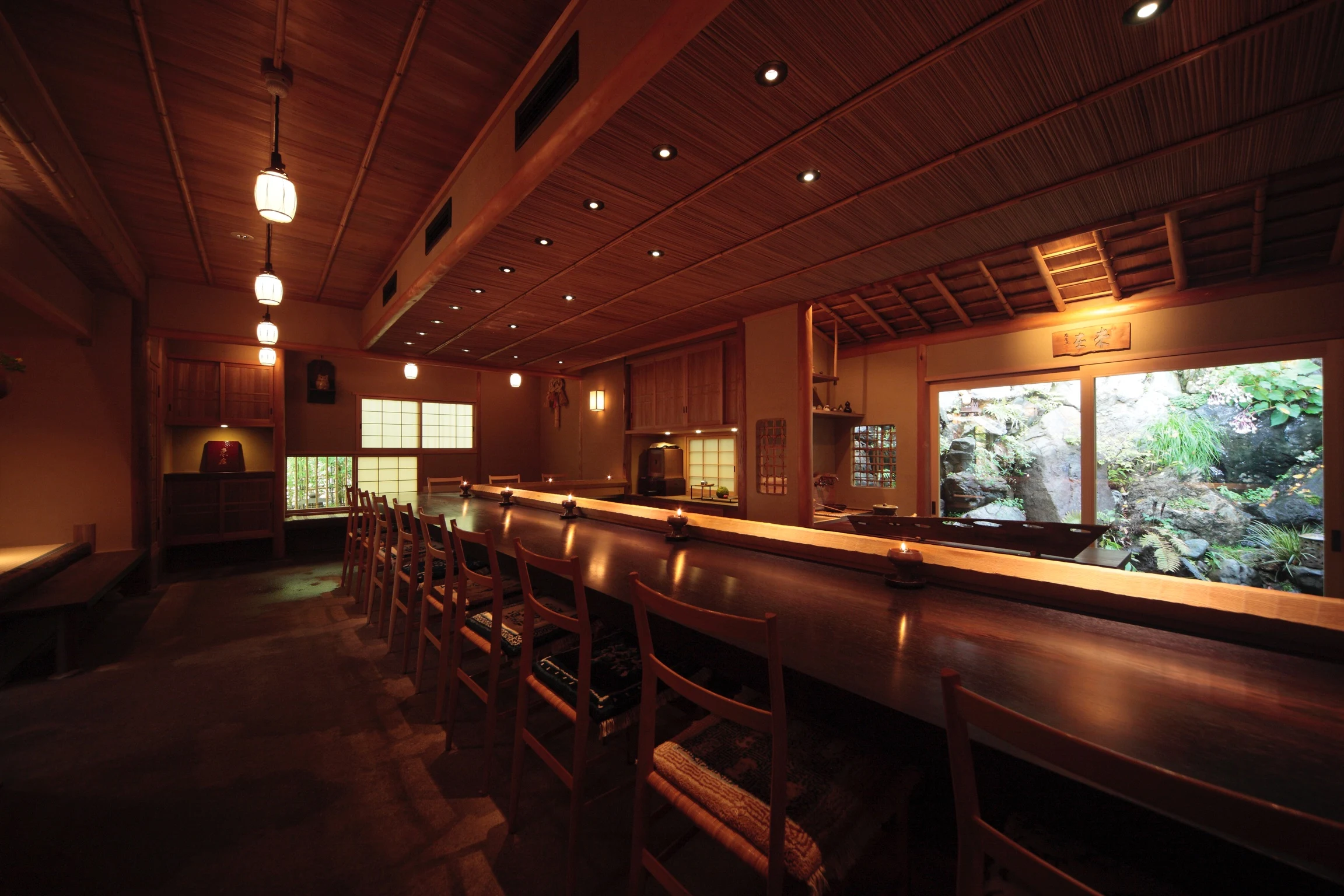
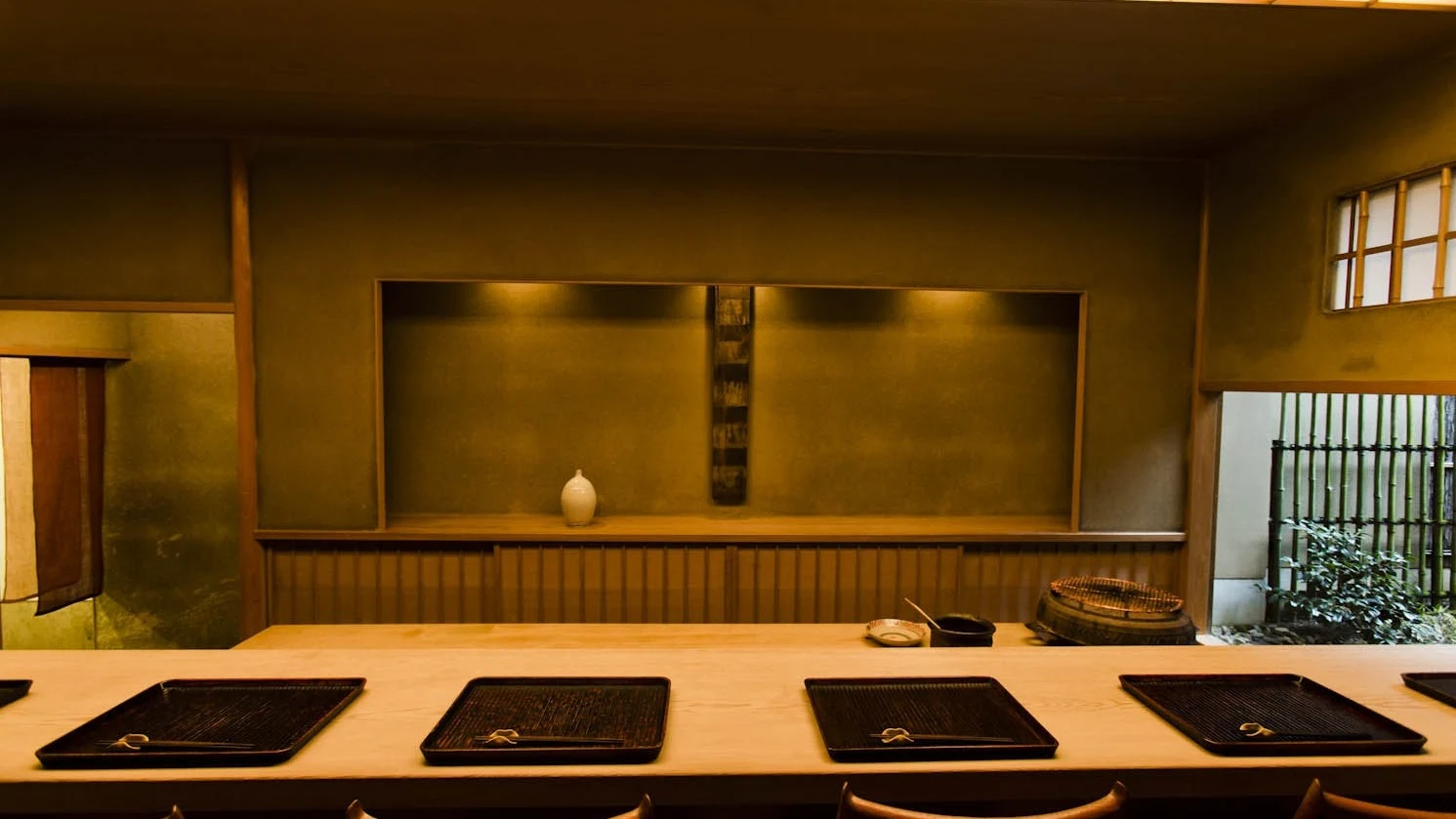
The 14-seat room, which includes counter seating and private rooms for four or six guests, produces the conditions that draw a particular kind of return visitor. At this scale, the kitchen and the dining room function as a single space in all but the physical sense. There is nowhere to hide a mediocre course, and no volume of ambient noise to paper over inattentive cooking. The regulars at tables like this are not rewarding novelty; they are rewarding consistency and the kind of sourcing relationships that cannot be replicated at speed.
The Sunday letter
Find new places through the people who run them.
Our Sunday email brings you the chefs, winemakers and hoteliers behind our newest stories. See a sample before you subscribe.
See a sample of the Sunday emailOne email a week. Unsubscribe from any issue.
The Sourcing Logic Behind the Counter
What separates Tokuha Motonari from its Kyoto peers in the ¥¥¥¥ tier is not primarily technique, though the technique is serious. It is the supply chain. Chef Shinya Matsumoto's background as a broker in Himi and a fisherman in Noto gives him access to Hokuriku region fish through relationships built before the restaurant existed. Himi, on the coast of Toyama Prefecture, produces some of Japan's most prized yellowtail; the Noto Peninsula's waters yield a range of white fish and shellfish that rarely reach Kyoto's central market in comparable condition. Matsumoto brings both the sourcing contacts and the firsthand knowledge of how those fish behave at different times of year.
This is not an abstract provenance claim. Hokuriku fish sourcing represents a genuine structural difference from how most Kyoto Japanese restaurants operate, where the Kyoto central wholesale market remains the primary supply node. For the regulars who have tracked what arrives on the counter over multiple visits, that supply chain is a reason to keep coming back rather than to sample the alternatives.
Fire, Charcoal, and a Technique Worth Understanding
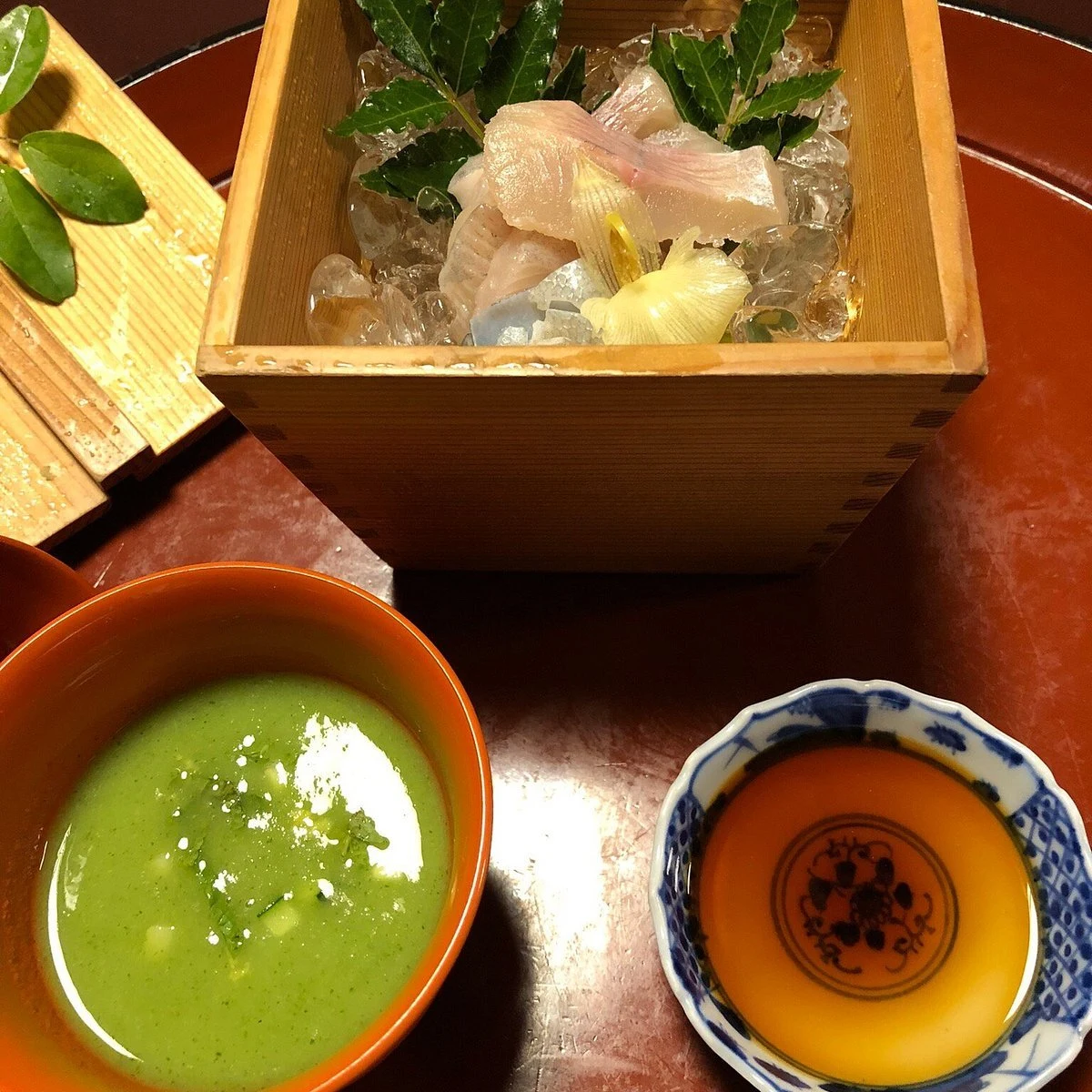
The chargrilling approach at Tokuha Motonari merits specific attention because it is not standard yakimono technique. Fish are placed in a bowl with charcoal before cooking, a process that draws out surface moisture while concentrating the interior flavour. The result is a drier exterior texture combined with a more intense core, which differs meaningfully from the more common approach of direct grilling over bincho-tan. This is described in the restaurant's documentation as an ancient technique, and its application here produces a rusticity of character that sits in deliberate contrast to the refined, lacquer-and-ceramic presentation typical of Kyoto kaiseki at comparable price points.
For the guest who has eaten their way through the kaiseki tier at establishments like Kikunoi Roan, Isshisoden Nakamura, or Kenninji Gion Maruyama, the chargrilled courses here register as a different proposition entirely. The vocabulary is Japanese but the grammar is coastal and flame-forward rather than the precisely calibrated broth and vegetable sequencing of orthodox kaiseki.
Where Tokuha Motonari Sits in Kyoto's Competitive Set
The Tabelog score of 4.52, combined with a Michelin star earned in 2024 and the Tabelog Award Gold in 2026 (ranked 13th in the chefs' gold category and 35th in the broader gold list), places Tokuha Motonari in a narrow band of Kyoto restaurants that have assembled serious recognition within a short operating window. The Michelin star arrived early in its run. The Tabelog Award progression from Silver in 2025 to Gold in 2026, alongside inclusion in the Tabelog Japanese Cuisine WEST 100 list for 2025, maps a trajectory that its comparable set at houses like Gion Matayoshi and Kodaiji Jugyuan would have required more years to assemble.
Within Japan's broader premium Japanese restaurant map, Tokuha Motonari's approach to coastal sourcing connects it to a sensibility found at serious counters outside Kyoto, including Harutaka in Tokyo, Myojaku in Tokyo, and Azabu Kadowaki in Tokyo, where the supply relationship between chef and fishing source is treated as a primary differentiator rather than a marketing footnote. Readers building a broader Japan itinerary might also consider HAJIME in Osaka, akordu in Nara, Goh in Fukuoka, 1000 in Yokohama, and 6 in Okinawa for a picture of how Japan's non-Tokyo serious dining scene is currently configured.
The Name and What It Signals
The restaurant name deserves a word because it is not incidental. Tokuha Motonari draws from a four-character Confucianist proverb urging the pursuit of virtue, and two of the characters within that proverb share their reading with characters in Matsumoto's own name. This is a naming convention that places a specific set of obligations on the kitchen: the proverb is not decorative but directional. Regulars who understand the reference tend to apply it as a lens, reading each visit as a question of whether the cooking has earned its name. That framing produces a more demanding audience than the average starred restaurant encounters.
Practical Information
Reservations: Reservation only; book through the restaurant website at motonari-kyoto.jp or by phone at +81-75-708-7425. Given the 14-seat capacity, advance planning is advisable, particularly for evening slots. Hours: Lunch from 12:00; dinner from 18:00; closed Sundays. Budget: Dinner JPY 30,000 to 39,999 per person; lunch JPY 20,000 to 29,999 per person. Payment: Credit cards accepted; electronic money and QR code payments are not. Private rooms: Available for parties of four or six; the full venue can be reserved for private use. Getting there: Approximately 355 metres from Kuramaguchi Station on the Karasuma subway line. No parking on site. Drinks: Sake (nihonshu) and wine are available.
Questions
Frequently asked
What recognition does Tokuha Motonari hold?
Tokuha Motonari holds 2 Michelin stars.
Who works at Tokuha Motonari?
Made By profiles Shinya Matsumoto (Chef) at Tokuha Motonari.
How expensive is Tokuha Motonari?
Tokuha Motonari is listed at a price level of $$$$.
Where is Tokuha Motonari and what does it serve?
Tokuha Motonari is in Kamigyō, Kyoto, serving Traditional Kyoto Kaiseki with Genshiyaki.
The field
How it compares
| Place | Awards | Cuisine | Notes |
|---|---|---|---|
| Tokuha Motonari | Michelin 2 Stars | Traditional Kyoto Kaiseki with Genshiyaki | Kamigyō, $$$$ |
| Gion Sasaki | Michelin 3 Stars | Modern Kaiseki | Kyoto |
| Isshisoden Nakamura | Michelin 3 Stars | Traditional Kyoto Kaiseki | Kyoto |
| Kikunoi Honten | Michelin 3 Stars | Kyoto Kaiseki Ryotei | Kyoto |
| Miyama Sou | Michelin 3 Stars | Tsumikusa Kaiseki | Kyoto |
| Mizai | Michelin 3 Stars | Traditional Kaiseki | Kyoto |
| Ogata | Michelin 2 Stars | Kaiseki Omakase | Kyoto |
In residence
Similar places
The Sunday letter
Get the next Made By story in your inbox.
We send one email every Sunday morning with the places and people we covered that week.
See a sample of the Sunday emailOne email a week. Unsubscribe from any issue.