- Preferred Hotels L.V.X. Collection · 2025
Kyoto's Station Quarter and the Case for Urban Luxury
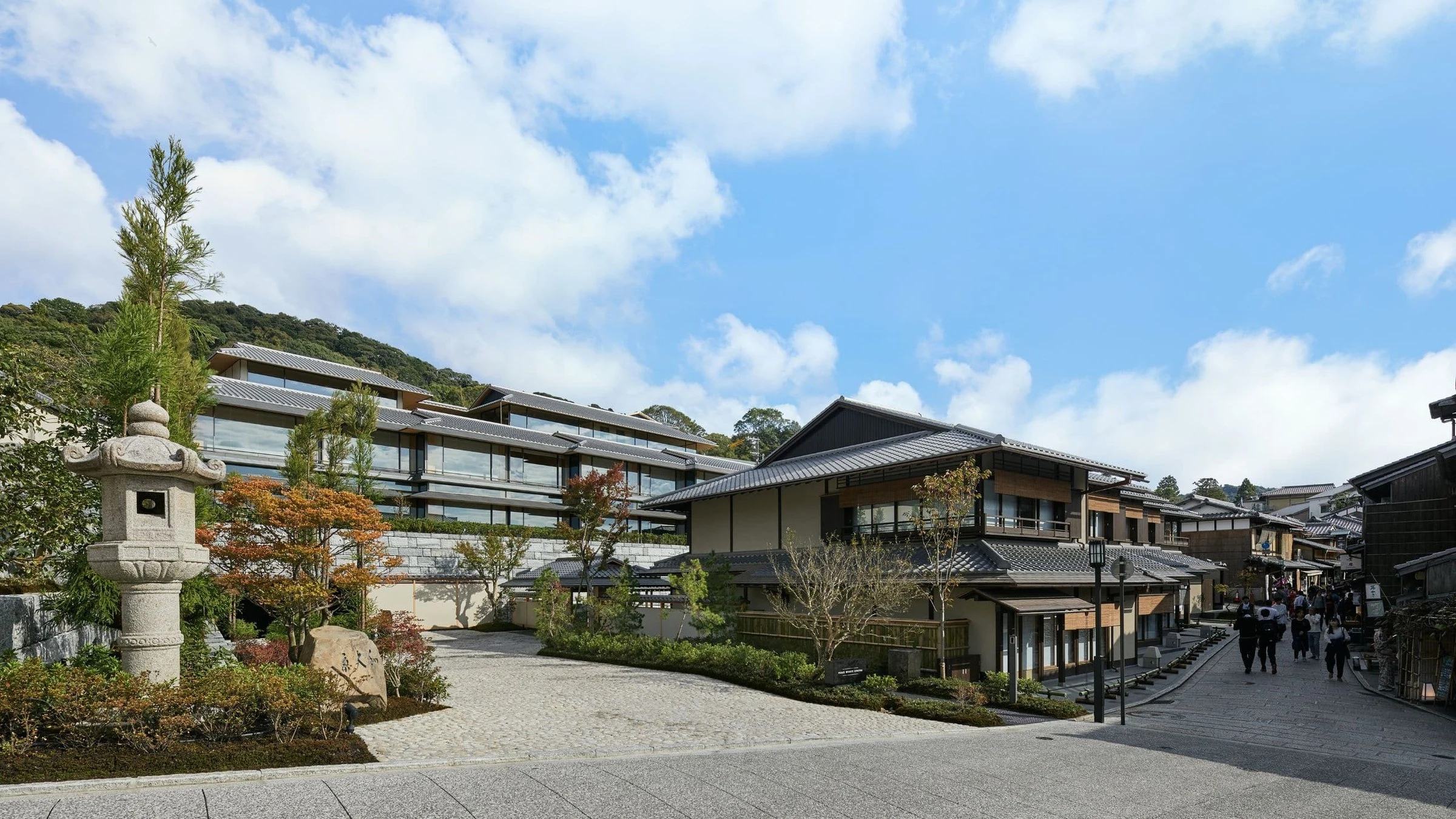
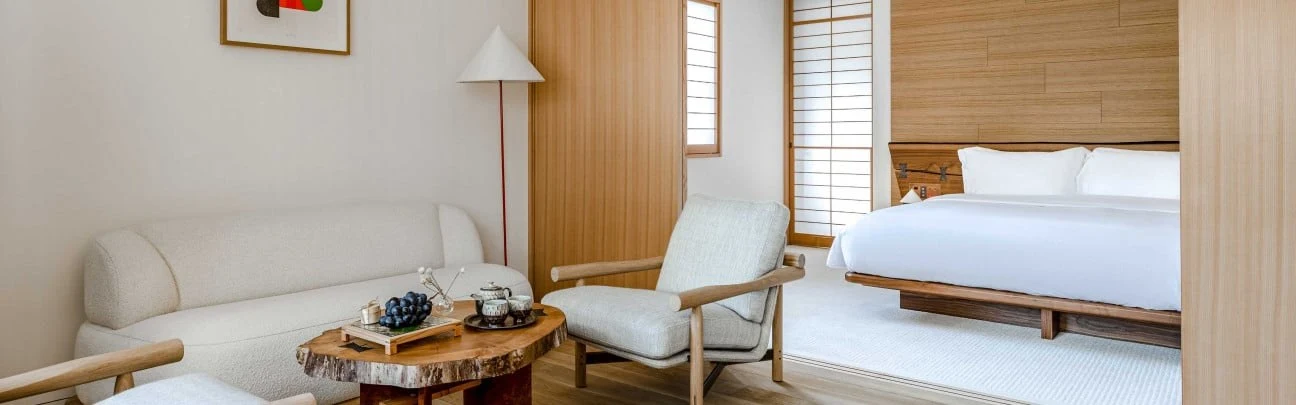
Arrive at Kyoto Station and you encounter one of Japan's great infrastructural contrasts: a Tadao Ando-adjacent steel-and-glass terminus that feeds directly into one of the world's most preserved historical cities. The hotels that cluster in Shimogyo Ward, immediately north and south of the station, occupy a particular position in Kyoto's accommodation hierarchy. They serve travellers who want the convenience of the rail network without surrendering to airport-adjacent anonymity. THE THOUSAND KYOTO, at 570 Higashishiokōjichō in Shimogyo Ward, is a 4-star hotel with 222 rooms. The Shinmonzen or SOWAKA, and closer to the full-service urban hotel category that competes on programme and facilities rather than exclusivity alone.
That distinction matters more in Kyoto than in most cities. The premium accommodation market here has fractured along clear lines: forest retreats like Aman Kyoto, design-forward neighbourhood properties, and the larger station-adjacent hotels that absorb the city's enormous volume of cultural tourism. Understanding which tier a property occupies tells you more about what you're buying than any single amenity.
The Environmental Logic of Urban Hotel Scale
Sustainability discourse in luxury hospitality tends to favour the small and rural. Ryokan operators in Kinosaki or properties like Nishimuraya Honkan can point to low ecological footprints almost by default: fewer guests, local sourcing by necessity, and traditional architecture that predates energy-intensive construction norms. Urban hotels with 200-plus rooms face a structurally harder argument. The question is not whether to pursue sustainability credentials but how to make the investment legible at scale.
In Kyoto specifically, this carries additional weight. The city operates under layers of cultural preservation ordinance, including restrictions on building height and signage that protect sightlines toward shrine complexes and temple rooflines. Developers and operators in Shimogyo Ward work within a physical and regulatory environment that already embeds a form of environmental respect into the built fabric. A hotel of The Thousand's scale, positioned this close to the station interchange, represents a density argument for responsible urban tourism: concentrating overnight guests in transit-linked accommodation reduces the automobile pressure on heritage zones further into the city.
Kyoto's overtourism challenge is well documented. The city receives tens of millions of visitors annually, and local government has moved toward visitor management policies that limit access to specific districts during peak periods. Station-proximate hotels play a role in this urban distribution question. Travellers based in Shimogyo Ward can reach Gion, Higashiyama, and Arashiyama via the subway and bus network with no private vehicle required, a logistical fact that carries genuine environmental consequence.
Where The Thousand Sits in the Kyoto Competitive Set
Compare across the city's premium tier and the differentiators sharpen quickly. Park Hyatt Kyoto positions itself in Higashiyama, adjacent to Sanjusangendo, with a heavily design-led identity and lower key count. Four Seasons Hotel Kyoto operates from Higashiyama's temple belt with a pondside garden that functions as a primary selling point. HOTEL THE MITSUI KYOTO uses the historic Mitsui family estate adjacent to Nijo Castle. Each of these properties anchors its identity in neighbourhood and physical heritage.
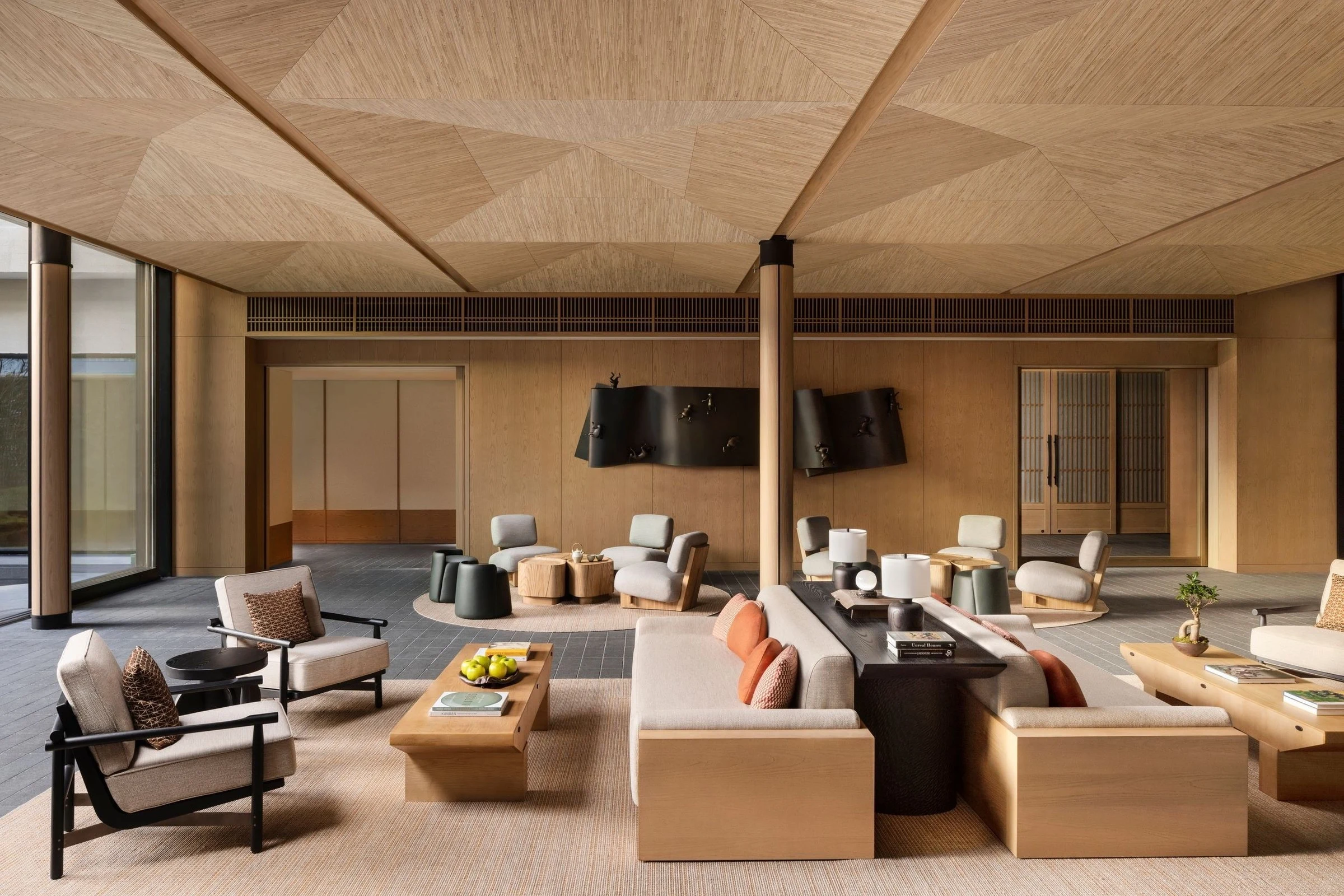
The Thousand operates differently. At 222 rooms, its competitive advantage is programme density and logistical convenience rather than garden views or artisanal key counts. This is not a weakness. For travellers moving through Japan on multi-city itineraries, connecting to Osaka, Hiroshima, or Tokyo via Shinkansen, the station-adjacent position is a primary requirement, not a compromise. Ace Hotel Kyoto and Dusit Thani Kyoto occupy overlapping geography with different brand postures, giving the Shimogyo zone a more competitive cluster than Kyoto's heritage districts, which tend toward a single dominant luxury property per neighbourhood.
For the Japan circuit traveller, it is also worth benchmarking against properties elsewhere in the country. Bvlgari Hotel Tokyo anchors the ultrapremium tower tier in the capital; Amanemu in Mie and Gora Kadan in Hakone represent the onsen-ryokan extreme. The Thousand is the urban workhorse in a country where the hotel taxonomy ranges very wide.
Planning Your Stay: Timing, Access, and What to Expect
Kyoto runs on two major tourism peaks: cherry blossom season (typically late March through mid-April) and autumn foliage (mid-November through early December). Both periods push accommodation availability to its limits across all tiers, and station-adjacent properties absorb significant overflow demand from travellers unable to secure rooms in the city's smaller boutique properties. Booking three to four months ahead for peak periods is a minimum precaution across the board; six months is more realistic for the spring window, which drives some of the highest nightly rate premiums in all of Japanese hospitality.
Outside peak windows, the city's shoulder seasons (May through June, September through October) offer materially better availability and temperature conditions that suit long walking days in the heritage districts. The rainy season in June brings atmospheric mist to the temple gardens of Arashiyama and Sagano, and tourist volumes drop enough that popular sites become manageable without arriving at opening time. For travellers with flexibility, this calculus significantly improves the value proposition of the station quarter.
Kyoto Station itself provides the logistical skeleton. JR lines connect south to Osaka (approximately 15 minutes via the Shinkansen or 28 minutes via the Rapid Service train), north toward Nishiki Market and the central shopping district via the Karasuma subway line, and east toward Fushimi Inari, which is walkable from the station's south side. The Kintetsu line provides access toward Nara. For the broader Japan itinerary planner, there is no more efficient base for multi-day exploration than a Shimogyo Ward property. Compare against the logistical case for ryokan retreats like Asaba in Izu or Zaborin in Hokkaido, which offer immersive environments at the cost of mobility.
Questions
Frequently asked
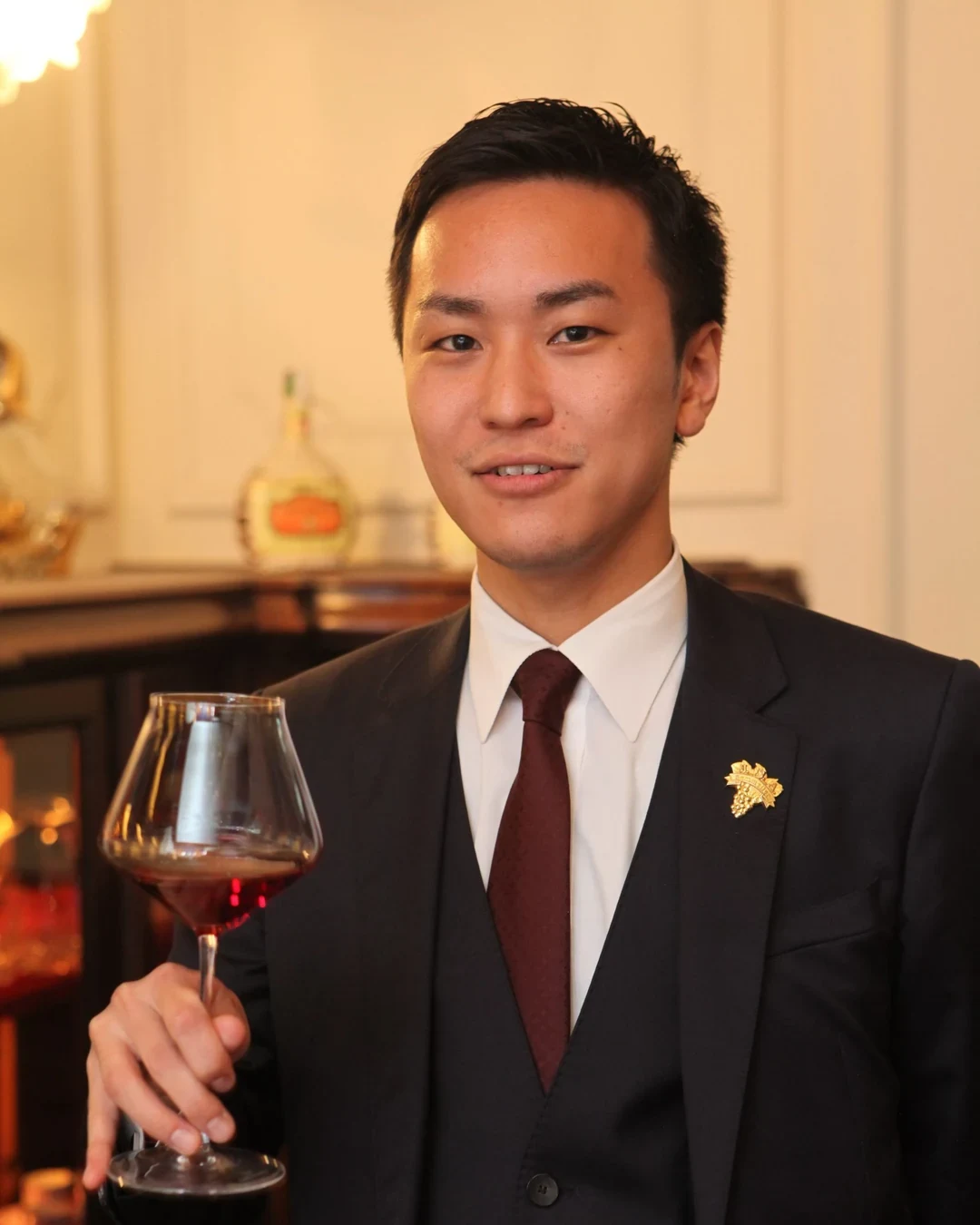
Who works at THE THOUSAND KYOTO?
Made By profiles Wataru Iwata (Sommelier) at THE THOUSAND KYOTO.
How expensive is THE THOUSAND KYOTO?
THE THOUSAND KYOTO is listed at a price level of $$$$.
The field
How it compares
| Place | Notes | Awards |
|---|---|---|
| THE THOUSAND KYOTO | Shimogyō, $$$$ | · |
| Park Hyatt Kyoto | Kyoto | Michelin 1 Key, World's 50 Best |
| Six Senses Kyoto | Kyoto | Michelin 1 Key |
| The Shinmonzen | Kyoto | Michelin 2 Keys |