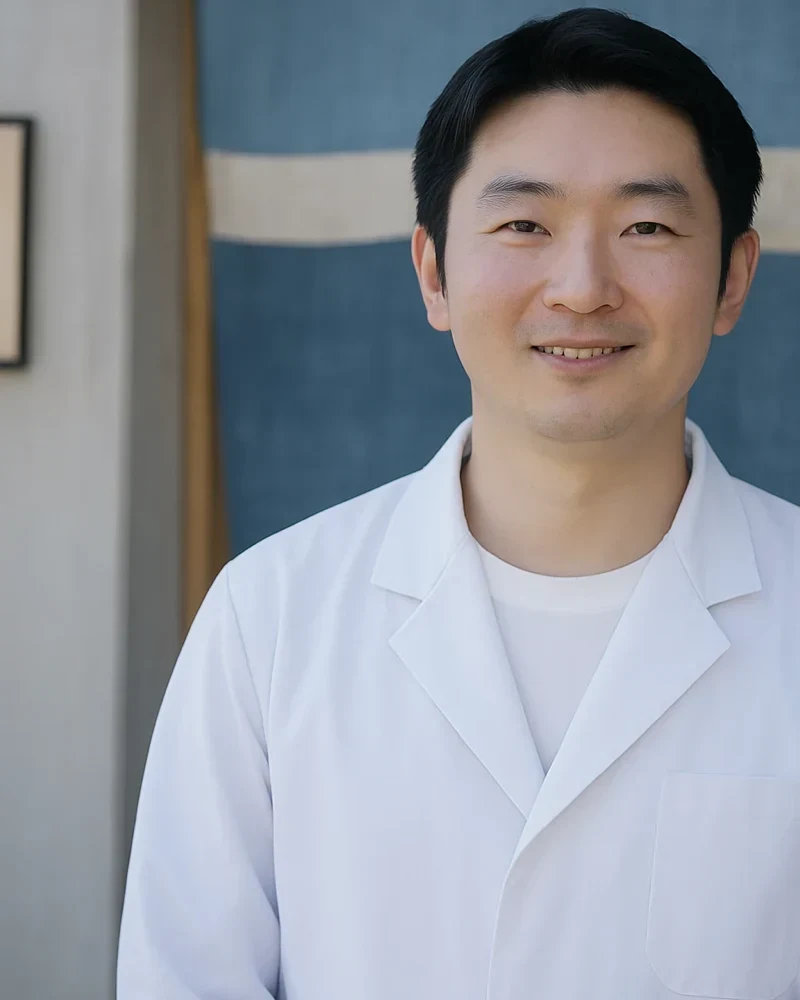
Kenya Sakai, chef at Nihonryouri Kenya in Kyoto, shapes modern Japanese cuisine at a small counter rooted in technique.
- Opinionated About Dining Top Restaurants in Japan Recommended · 2026
Composition before the plate
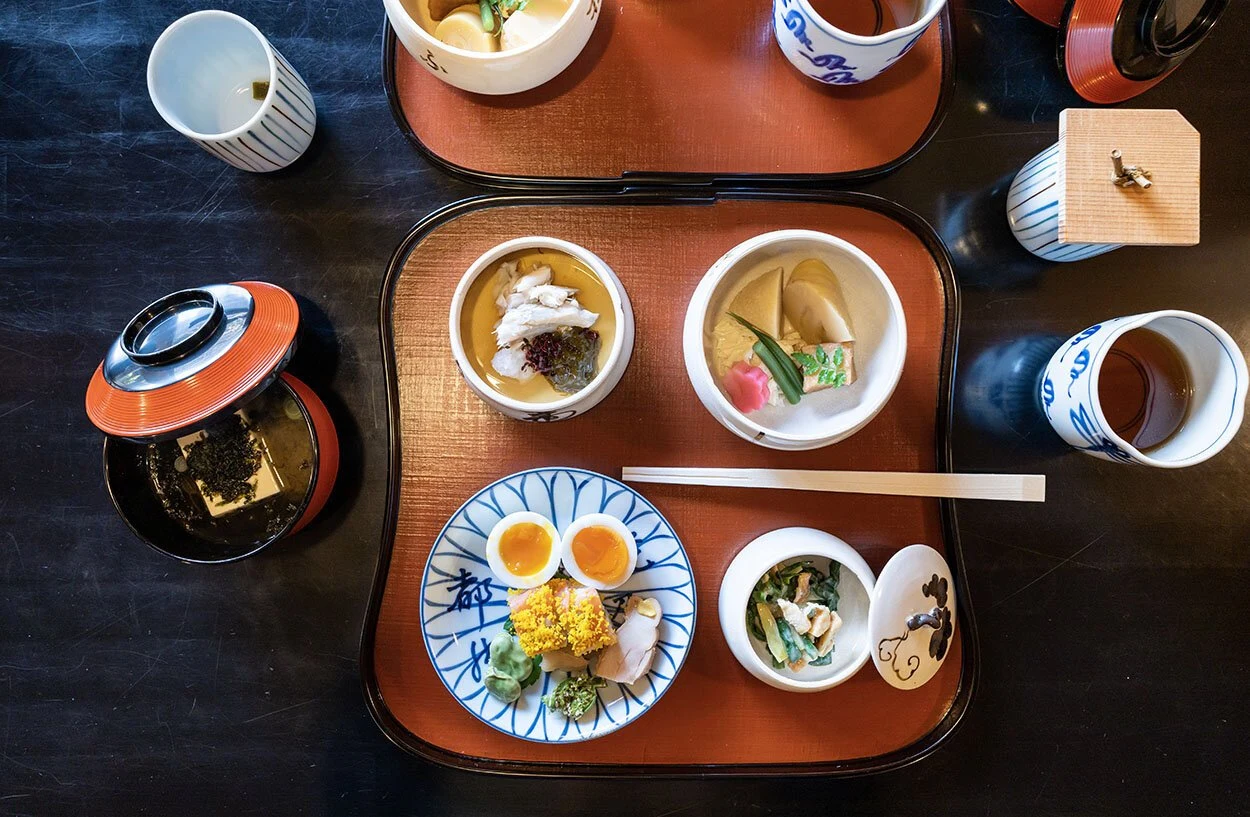
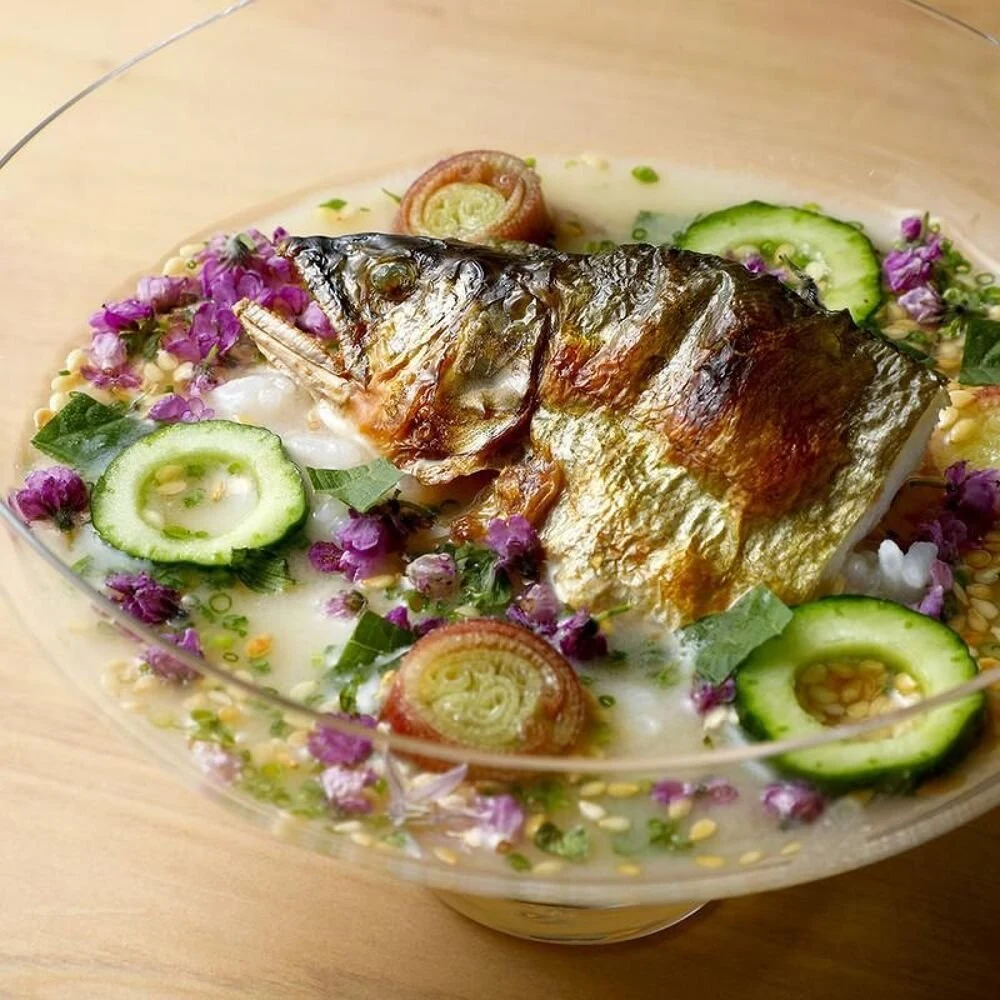
Texture, shape, and reference come first for Kenya Sakai, chef at Nihonryouri Kenya in Kyoto, before a dish reaches the counter. His training began at culinary school in Osaka, then moved through professional kitchens, including Kikunoi Honten in Kyoto. Study in New York and Kyoto widened the base: Japanese cuisine, sushi, Chinese cuisine, and other methods that now sit inside his own Japanese cooking rather than beside it. At this restaurant in Kyoto’s Okazaki area, Sakai has described the work plainly: a restaurant centered on Japanese cuisine that reflects modern Japan. That sentence matters because it gives the kitchen its discipline. The plates do not abandon the frame of nihon ryori; they test how far texture, cut, and association can move while the center holds. One MICHELIN Star marks Sakai’s work at Kenya, but the more useful evidence is in the named dishes he has put forward: Rice Meeting, Penne-like burdock root with tomato sauce, Tofu Miso, and Char Siew. They read like a cook’s notes on translation, not decoration. Burdock can take the shape memory of pasta. Char siew can enter a Japanese sequence without becoming a citation from elsewhere. Rice, held for the end, becomes a final course with its own reason for being.
A counter built for close work
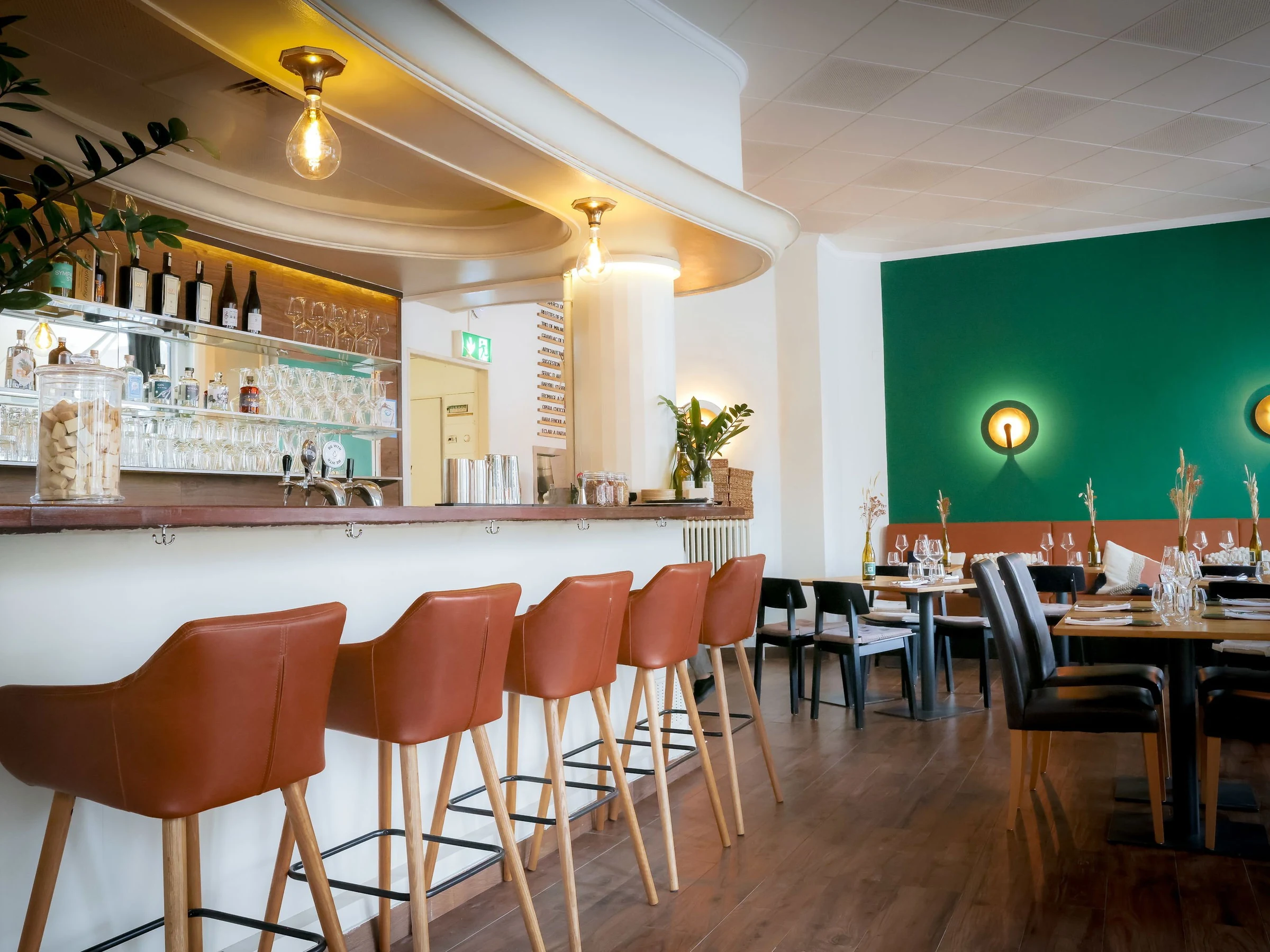
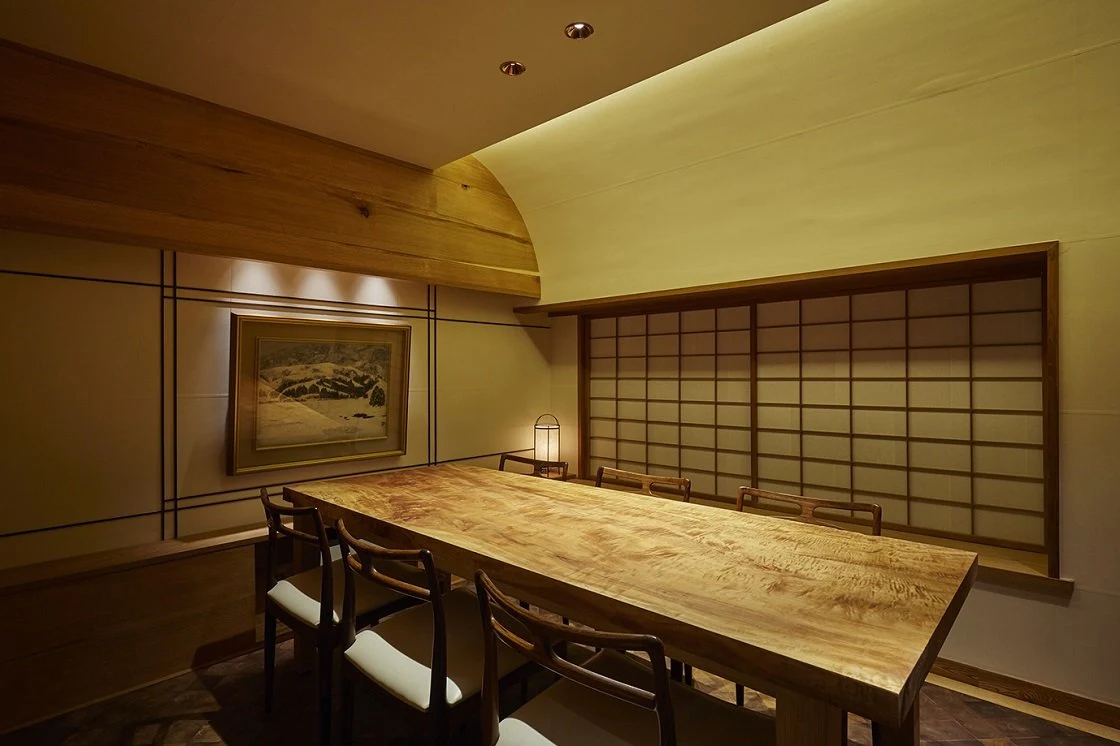
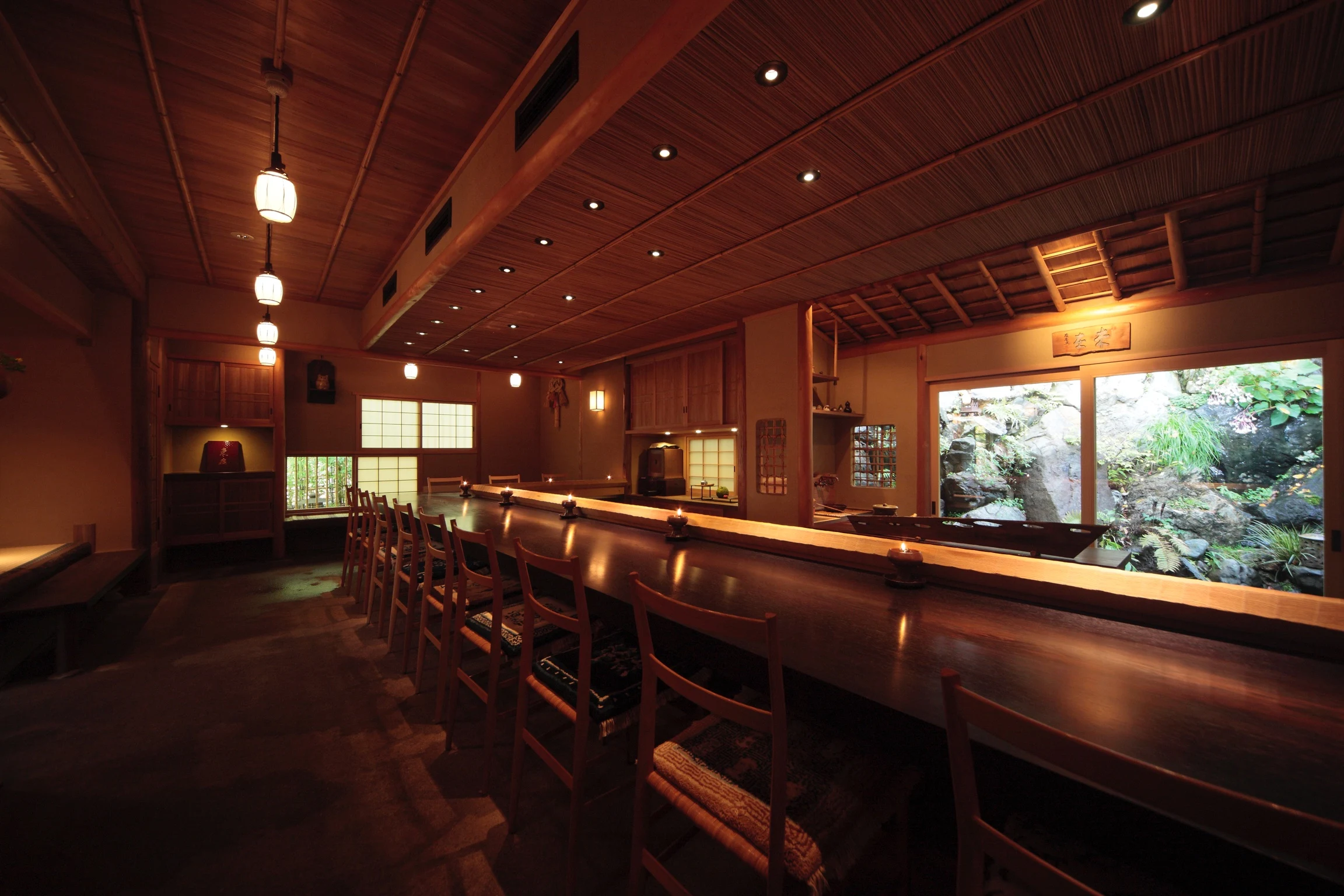
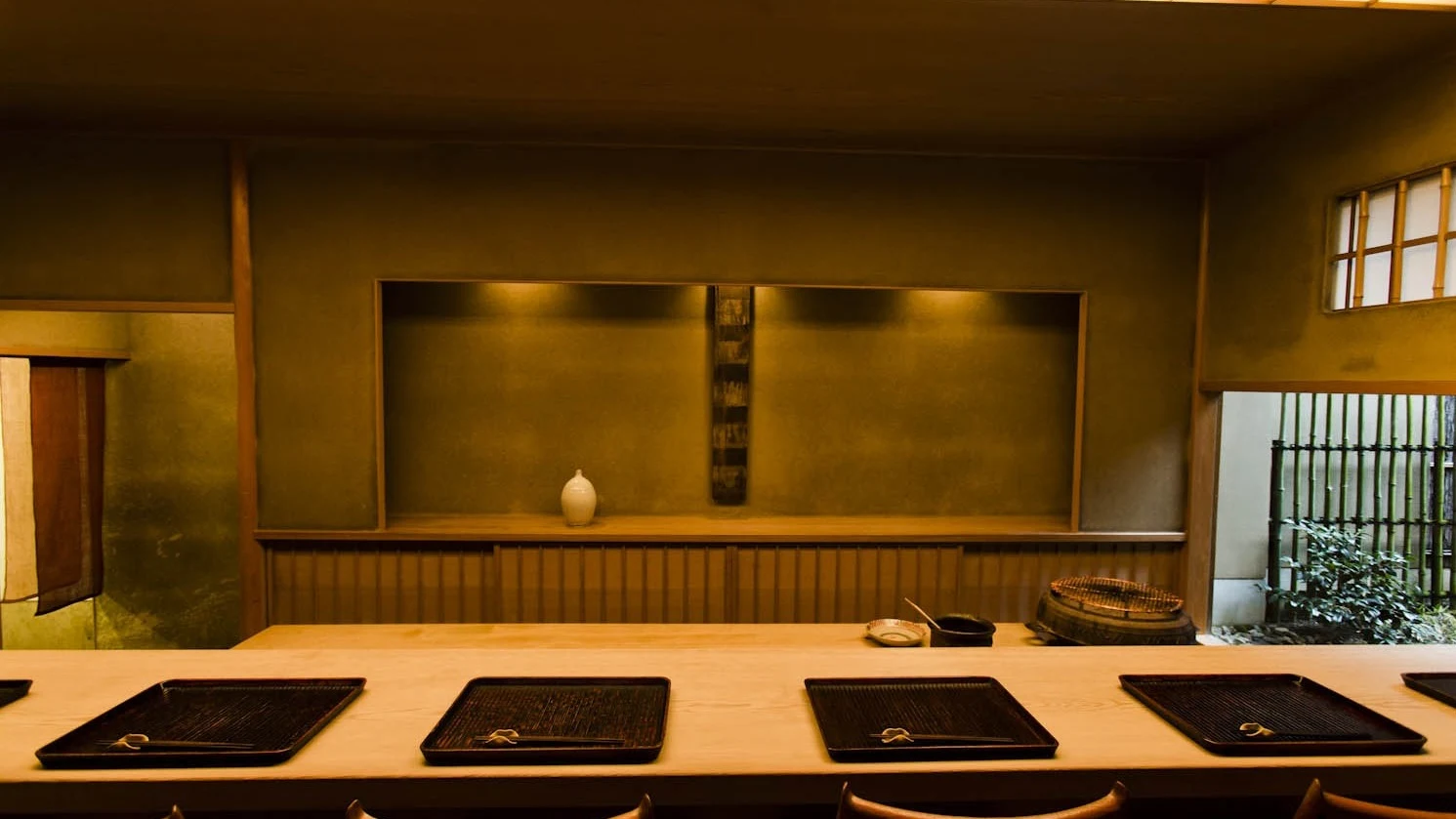
The restaurant works at counter scale, with only 7 seats typically in use and private use available for 7 to 8 guests. That size changes the method. The pass is not a distant line; it is the room’s working edge, close enough for the cut of a vegetable, the setting of a bowl, and the last adjustment of heat to register without announcement. Sakai’s cooking is described around kaiseki, but the program here is not a museum form. It draws on traditional Japanese technique, Kyoto-style Chinese references, and a habit of sharpening natural flavor rather than covering it. Aomori enters through rice and sake, both sourced from Sakai’s hometown, giving the meal a personal axis without making the room autobiographical. The final rice course has a stated intention: Sakai wanted guests to enjoy rice at the end, so he made a dish for that purpose. In a small counter restaurant, that kind of decision carries weight. The last bowl is not simply a closing custom. It is a composition problem, solved through grain, timing, and appetite.
Okazaki at the edge of the room
The address sits in Sakyo Ward, in Okazaki Tokuseichō, on the first floor of a building in a residential part of eastern Kyoto. The neighborhood has narrow lanes, canal paths nearby, and the museum district around Okazaki Park within walking distance. Inside, the counter keeps the attention close. Music is part of the room’s texture: Western pieces, classical music, and Showa-era ballads have all been noted as part of the selection, chosen to suit the cooking and the mood of the meal. That could become theatrical in a larger dining room. Here it stays bench-side, another layer around the hands. The chef’s hospitality is often described through humor, which fits the food’s lightness of reference. A dish can carry technical lineage and still allow a smile at the counter.
Modern Japan, held in rice
The restaurant’s recent recognition belongs to this address, with One MICHELIN Star recorded for Nihonryouri Kenya in 2023, 2024, and 2025. Sakai’s task now is not to prove that Japanese cuisine can absorb other shapes; his menu already does that. The stronger question is how long each reference can stay precise once it enters the sequence. End here on the grain, because Sakai does: the final course returns the room to rice from Aomori.
Questions
Frequently asked
Who is the chef at Nihonryouri Kenya?
Kenya Sakai is the chef at Nihonryouri Kenya in Kyoto. His training began at culinary school in Osaka and continued through professional kitchens, including Kikunoi Honten in Kyoto.
What kind of cooking does the restaurant do?
The restaurant is centered on Japanese cuisine and reflects modern Japan. Sakai works with traditional Japanese technique, Kyoto-style Chinese references, and a focus on texture, shape, and natural flavour.
What is Nihonryouri Kenya known for?
It is known for dishes such as Rice Meeting, Penne-like burdock root with tomato sauce, Tofu Miso, and Char Siew. The final rice course is also a central part of the meal, and Sakai has said he wanted guests to enjoy rice at the end.
How large is the dining room?
The restaurant works at counter scale, with only 7 seats typically in use. Private use is available for 7 to 8 guests.
What recognition does the restaurant hold?
One MICHELIN Star has been recorded for Nihonryouri Kenya in 2023, 2024, and 2025.
The field
How it compares
| Place | Cuisine | Awards | Notes |
|---|---|---|---|
| Nihonryouri Kenya | Japanese Cuisine | · | · |
| Hyotei | Traditional Kaiseki | Michelin 3 Stars | Kyoto |
| Isshisoden Nakamura | Traditional Kyoto Kaiseki | Michelin 3 Stars | Kyoto |
| Kikunoi Honten | Kyoto Kaiseki Ryotei | Michelin 3 Stars | Kyoto |
| Miyama Sou | Tsumikusa Kaiseki | Michelin 3 Stars | Kyoto |
| Mizai | Traditional Kaiseki | Michelin 3 Stars | Kyoto |
| Ogata | Kaiseki Omakase | Michelin 2 Stars | Kyoto |