Zucchero
- 01CuisineItalian
- 02CityKyoto, Japan
Seafood first, sugar in discipline
- Michelin Plate · 2026
- Michelin Plate · 2025
- Michelin Plate · 2024
Sugar held in check
Sugar gives the room its name and its first discipline. Zucchero in Kyoto means sugar in Italian, but the house does not use the word as a promise of dessert alone. It works as a relaxed hideaway south of Kyoto Imperial Palace, where the terms are stated plainly, eat what you like, as much as you like, and a guest sets the pace instead of surrendering the evening to a fixed progression. That is a particular kind of exposure for an Italian kitchen in a city that measures cooking by kaiseki. Familiar forms have to be executed well enough to justify themselves here, without being dressed up as fusion to earn a place, and the meal has to hold together even when the table orders out of sequence.
A daily menu with seafood at the center
Zucchero works from an à la carte structure, with the kitchen changing the menu around seasonal seafood and direct fish wholesaler ties. The method is plain in the best sense: fresh fish carpaccio, seafood and vegetable fritti misti, scallop and beet cold pasta, squid ink tagliolini with squid ink sauce, beef cheek in red wine stew, veal Milanese cutlet with salad. The house leans on Italian forms that can take Kyoto’s ingredient discipline without becoming fusion for its own sake. Raw fish needs knife work and restraint; fritti needs heat, timing, and batter light enough to leave the catch visible; squid ink asks for depth without muddiness. The pastry sits after that progression, and the lesson it has to learn is control: sweetness, acidity, texture, temperature and form calibrated against whatever the table chose to eat before it. In a room built around choice rather than a fixed tasting sequence, the final course has to find its place each night.
The room near the palace
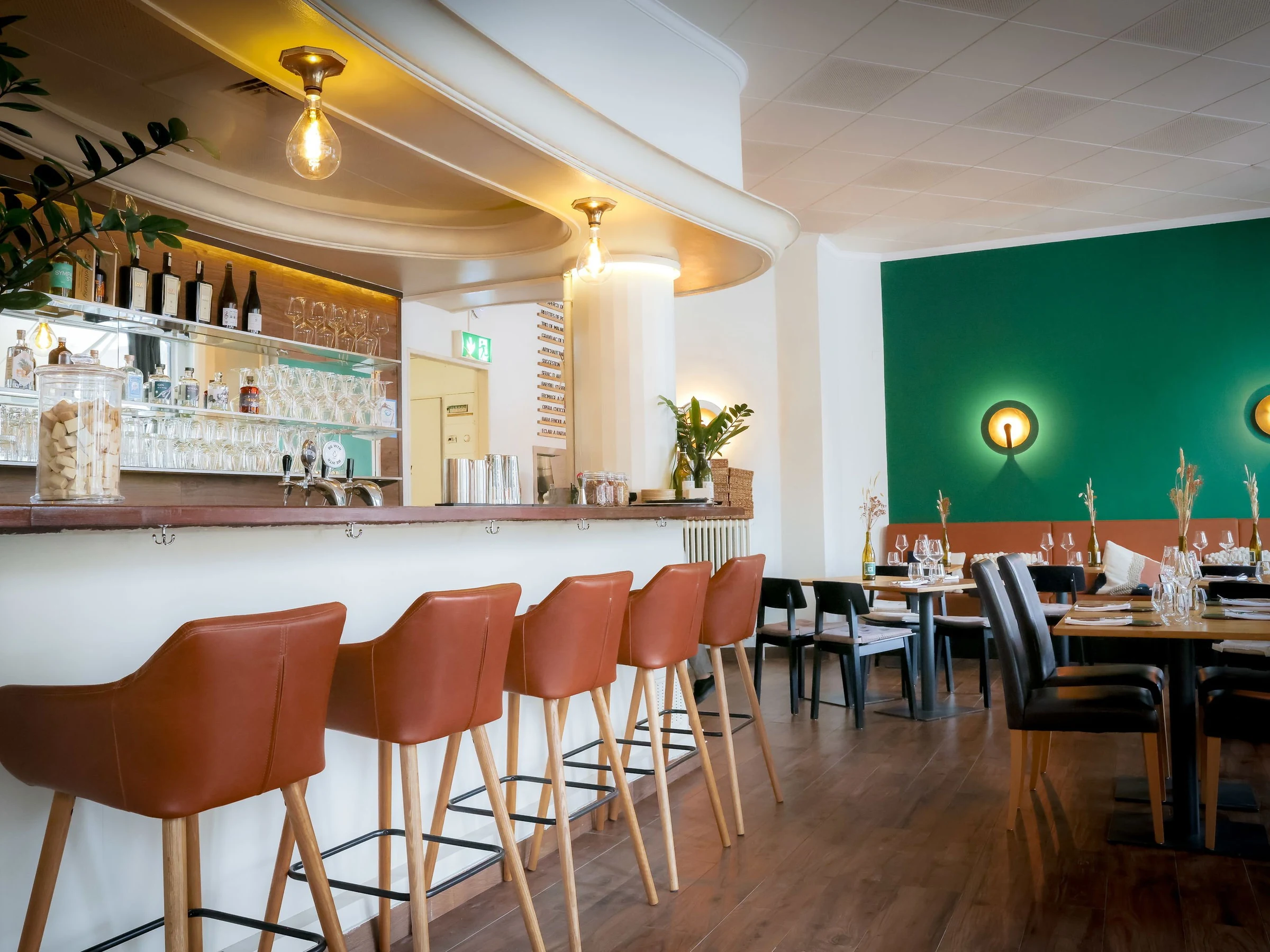
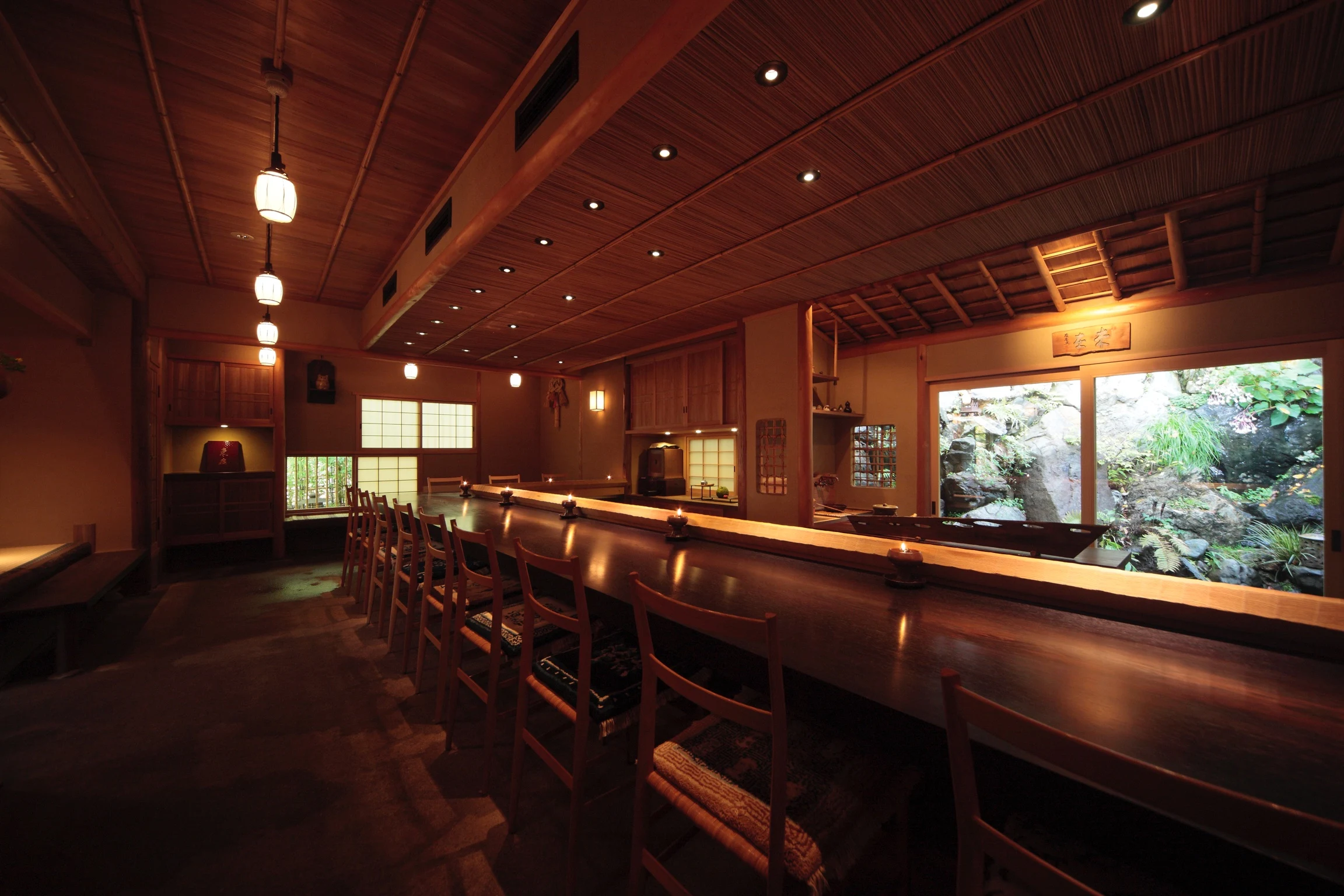
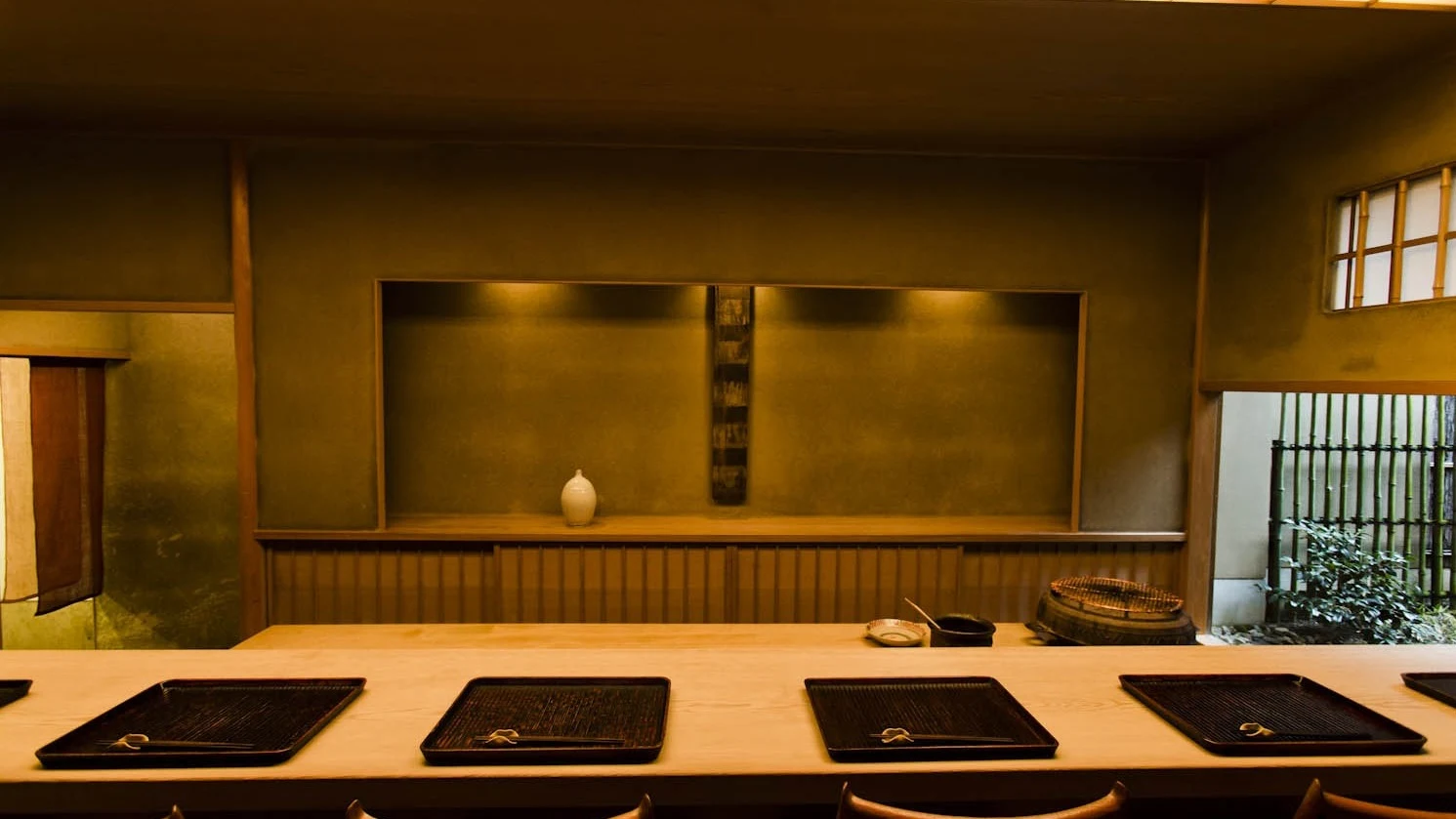
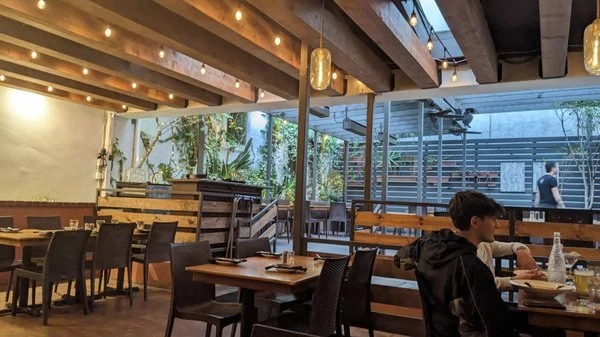
The room is a relaxed hideaway south of Kyoto Imperial Palace, intimate enough for the counter and the pass to feel connected. Zucchero does not ask the guest to surrender the evening to a rigid progression. It lets them choose, return to a plate, order for appetite, and follow the day’s fish through Italian grammar. That mood matters to the craft. A carpaccio can arrive without ceremony and still carry the morning’s sourcing; a stew can come to the table with the patience of a braise rather than the posture of a set piece. The name means sugar in Italian, but the place is not built around confection alone. It is a restaurant where seafood, pasta, meat, and dessert share the same measure.
Opened with its own pace
Zucchero opened around March 2024, early enough in its life that the house is still defining its cadence in Kyoto. The restaurant has a daily seafood menu and serves carpaccio, fritti, ink pasta, red wine stew, and a pastry finish drawn from the Italian dining-room tradition rather than from a local sweet counter.
Questions
Frequently asked
What kind of restaurant is Zucchero?
Zucchero is an Italian restaurant in Kyoto with an à la carte format and a daily seafood-led menu.
What is Zucchero known for?
It centres on seasonal seafood and direct fish wholesaler ties, with dishes such as fish carpaccio, seafood and vegetable fritti misti, scallop and beet cold pasta, squid ink tagliolini, beef cheek in red wine stew, and veal Milanese cutlet with salad.
Where is Zucchero located?
The restaurant is on the second floor of 55-1 Matsuyacho, Nakagyo Ward, Kyoto, Japan, south of Kyoto Imperial Palace.
How does booking work at Zucchero?
Bookings are handled through TableCheck.
What are Zucchero’s opening hours?
It is open Monday, Thursday, Friday, Saturday, and Sunday from 6 to 11 PM, and it is closed on Tuesday and Wednesday.
The field
How it compares
| Place | Cuisine | Notes | Awards |
|---|---|---|---|
| Zucchero | Italian | Nakagyō, $$ | · |
| Gion Sasaki | Modern Kaiseki | Kyoto | Michelin 3 Stars |
| Hyotei | Traditional Kaiseki | Kyoto | Michelin 3 Stars |
| Isshisoden Nakamura | Traditional Kyoto Kaiseki | Kyoto | Michelin 3 Stars |
| Kikunoi Honten | Kyoto Kaiseki Ryotei | Kyoto | Michelin 3 Stars |
| Mizai | Traditional Kaiseki | Kyoto | Michelin 3 Stars |
| Ogata | Kaiseki Omakase | Kyoto | Michelin 2 Stars |