Zhejiang Heen
In Residence
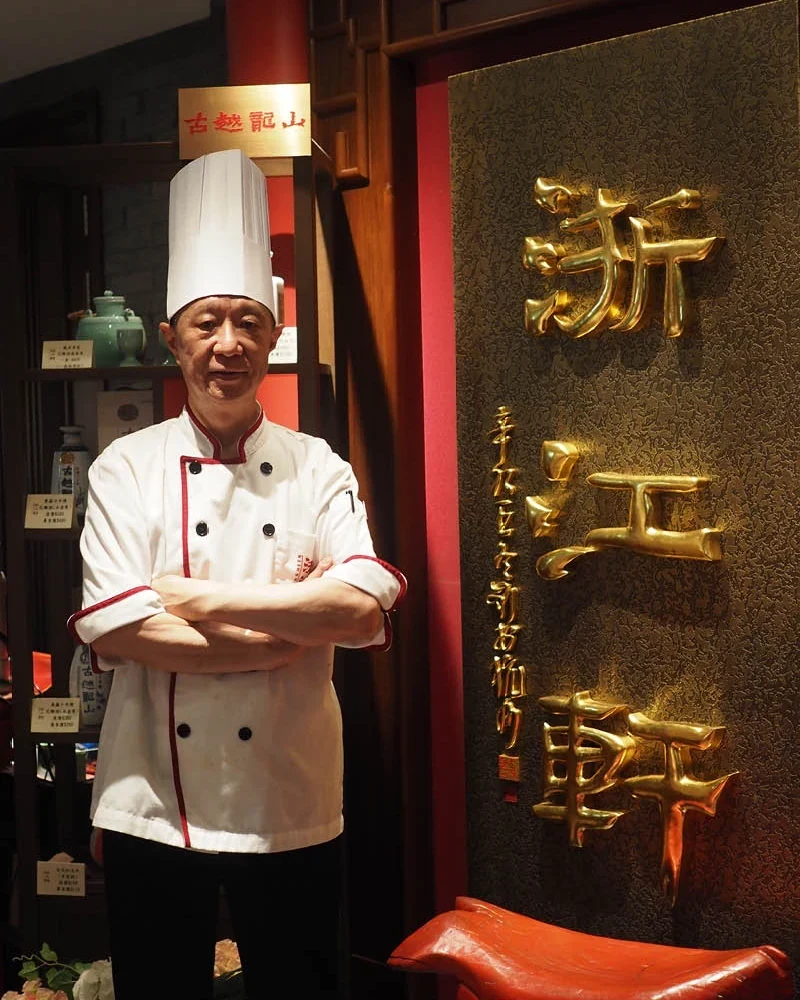
Pan Jiulong
Chef
- 01CuisineZhejiang & Shanghai Cuisine
- 02CityHong Kong, Hong Kong
- 03RecognitionOne Michelin Star
- 1 Michelin Star · Michelin Guide
- Michelin 1 Star · 2026
- Opinionated About Dining Top Restaurants in Asia Recommended · 2026
- Michelin 1 Star · 2025
- Opinionated About Dining Top Restaurants in Asia Ranked #253 · 2025
- Opinionated About Dining Top Restaurants in Asia Ranked #235 · 2024
- Michelin 1 Star · 2024
- Opinionated About Dining Top Restaurants in Asia Highly Recommended · 2023
Wan Chai's Unlikely Address for a Regional Chinese Tradition
Hong Kong's Chinese fine dining scene has long been dominated by Cantonese. The city's Michelin constellation skews heavily toward dim sum masters and roast-meat institutions, with Zhejiang and Shanghainese cooking occupying a quieter corner of the recognition map. That makes the sustained critical attention on Lockhart Road in Wan Chai worth examining: a first-floor dining room above the street-level noise of one of Hong Kong's most commercially dense corridors, serving the cuisine of Zhejiang province to a clientele that includes both the diaspora community it emerged from and a wider audience that has followed the awards trail in.
Zhejiang Heen has held a Michelin star since at least 2024, and its trajectory on the Opinionated About Dining rankings tells a clear story of consolidating recognition: ranked #253 across all of Asia in 2025. In a list that covers the full breadth of the continent's restaurant culture, maintaining a position in the top 300 across consecutive years is a meaningful signal. For context, it places Zhejiang Heen in a peer tier that includes Hong Kong's French fine dining rooms, Amber, Caprice, and modernist destination restaurants like Ta Vie, yet Zhejiang Heen operates at a substantially lower price point ($$), which makes it an anomaly in the city's critical upper tier.
The Sunday letter
Find new places through the people who run them.
Our Sunday email brings you the chefs, winemakers and hoteliers behind our newest stories. See a sample before you subscribe.
See a sample of the Sunday emailOne email a week. Unsubscribe from any issue.
The Architecture of a Zhejiang Meal
Zhejiang cuisine is among China's eight recognized culinary traditions, shaped by the freshwater lakes, rice paddies, and coastline of a province that includes Hangzhou, Ningbo, and Wenzhou. Its character tends toward lighter saucing than Shanghainese cooking, with a preference for steaming, poaching, and precise knife technique over heavy reduction. The cuisine prizes texture and natural sweetness, and its greatest dishes often look simpler than they are.
At Zhejiang Heen, the menu places Zhejiang delicacies alongside Shanghainese specialities, a pairing that reflects both the geographic proximity of the two traditions and the tastes of the restaurant's Zhejiang-descended ownership. The Shanghainese additions give the menu a familiar anchor for diners who know red-braised pork or hairy crab preparations, while the Zhejiang dishes offer something less commonly encountered in Hong Kong's restaurant landscape.
Thinking through the meal as a sequence: the early courses tend to reward restraint. Cold starters in both traditions are exercises in clean flavour, vinegared vegetables, marinated proteins, preparations that open the palate rather than saturate it. These dishes rarely photograph dramatically, but they set the register for what follows.
The mid-meal is where the kitchen's technique becomes most legible. The dish that recurs most consistently in critical commentary on Zhejiang Heen is the pre-order item listed as 'snatched tiger tails': seared swamp eel in a brown sauce. Swamp eel (huang shan or monopterus albus) is a staple of Jiangnan cooking, the broader culinary region encompassing Zhejiang and Jiangsu, and its preparation here is described as revealing precise knife work alongside a springy, resilient texture. That combination is not accidental: eel flesh is notoriously difficult to handle, and achieving the right resistance without toughness or softness requires a controlled cooking approach. The pre-order requirement is standard for dishes that need sourcing or advance preparation, and it signals that this is not a dish executed from standing inventory.
Buns and pastries complete the picture of what makes a Zhejiang and Shanghainese meal distinctive from Cantonese dim sum. The dough-based preparations in this tradition, soup dumplings, pan-fried buns, sesame-coated pastries, carry more weight and filling density than their Cantonese equivalents, and they function differently in the meal's arc, appearing as substantive courses rather than side notes. Zhejiang Heen's buns and pastries draw specific mention in OAD commentary, suggesting they are treated with the same attention as the main plates.
Seasonal dishes round out the menu's logic. Zhejiang cooking is highly seasonal in its sourcing, tied to the rhythms of the Yangtze delta, hairy crabs in autumn, bamboo shoots in spring, freshwater fish according to availability. For diners visiting Hong Kong between October and December, the seasonal menu at a restaurant of this tradition is likely to reflect the hairy crab season that defines the Jiangnan autumn calendar. Checking what is available at the time of a visit, rather than relying on fixed expectations, is how to engage with this type of menu correctly.
The Room and Who It's For
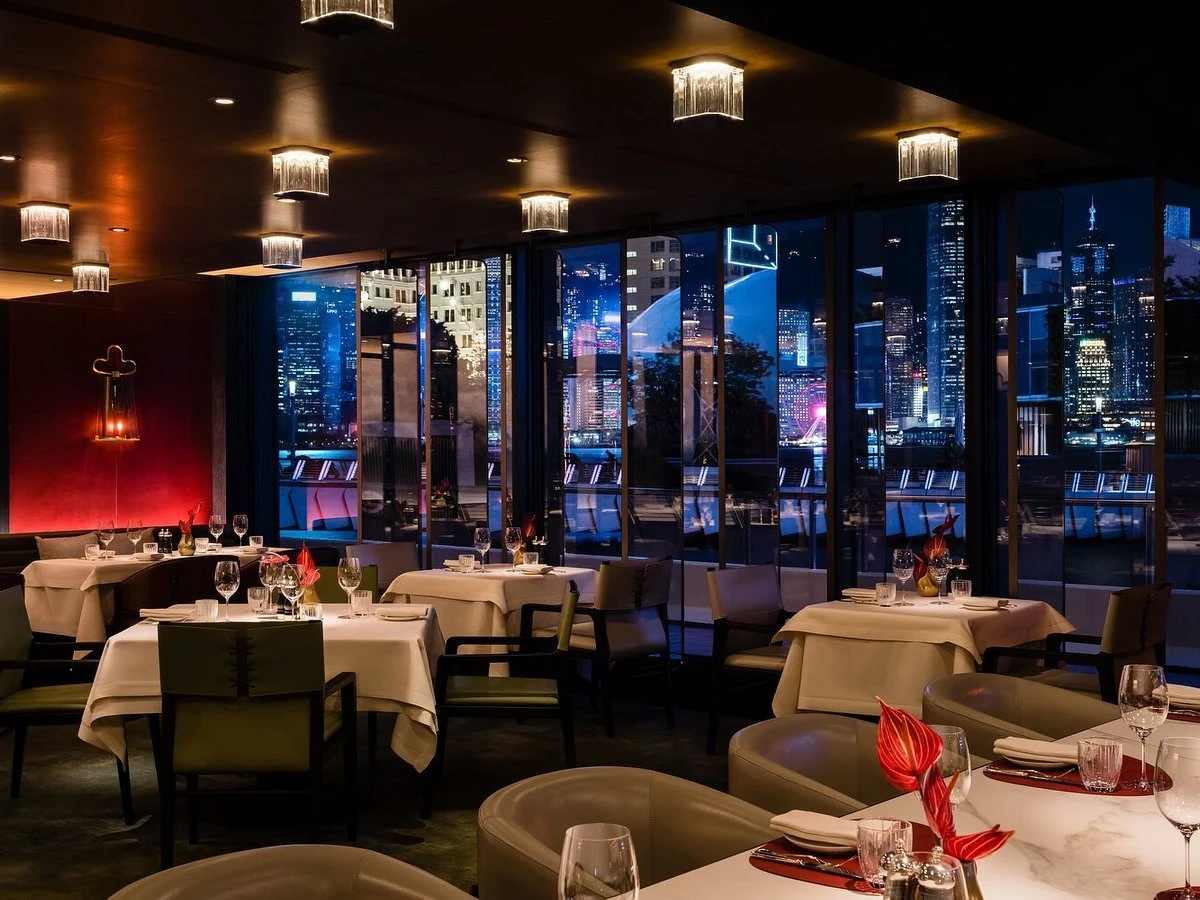
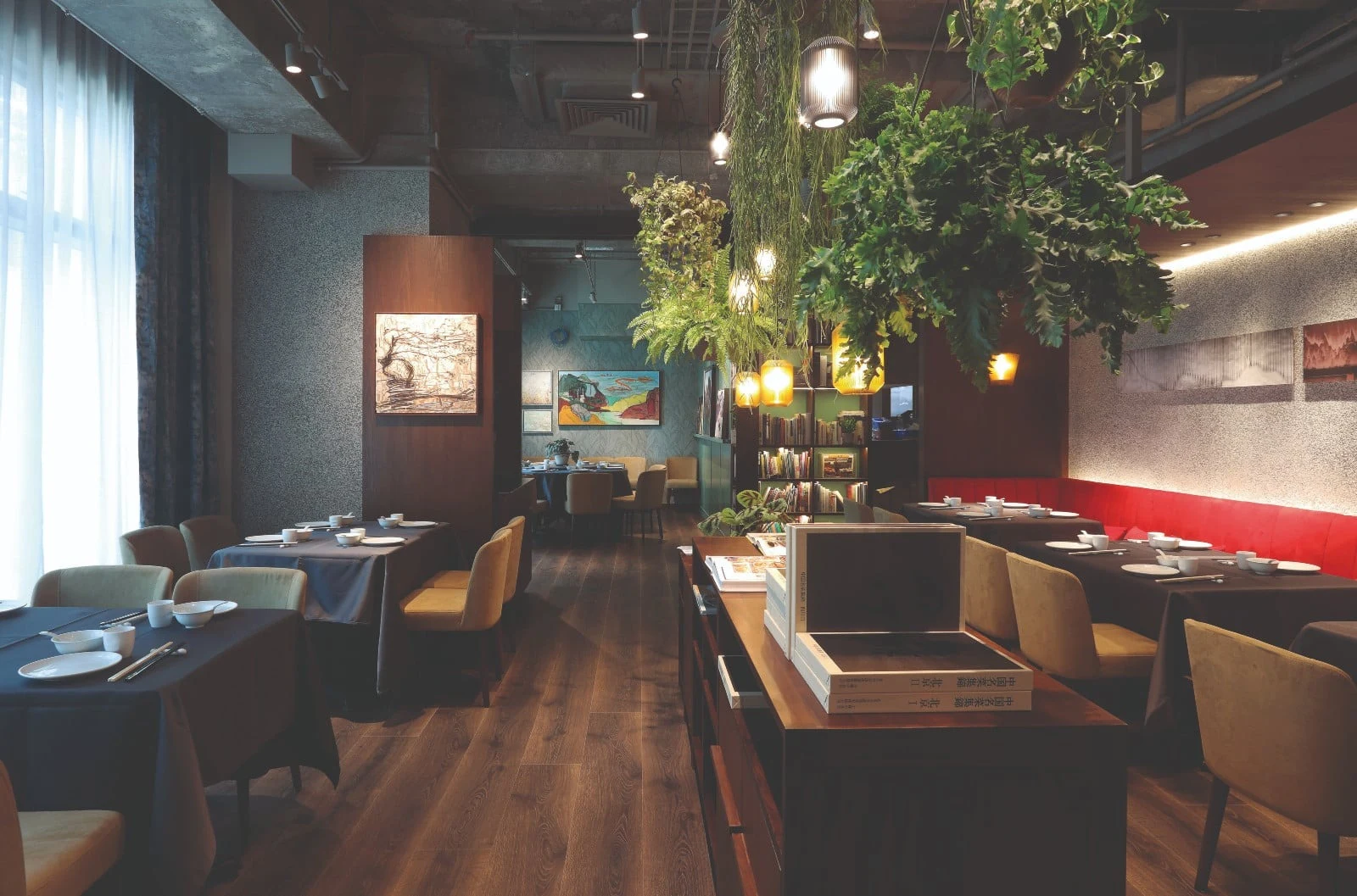
The dining room is described as traditionally furnished, a deliberate counter-signal to the minimalist renovation aesthetic that defines many of Hong Kong's newer Chinese fine dining addresses. Traditional furnishings in this context typically mean dark wood, round tables suited to shared dining, and a formal-but-familiar atmosphere that reflects the restaurant's origins in serving a community rather than performing sophistication for an international audience.
That community dimension matters for understanding what kind of restaurant this is. Zhejiang Heen was established by Hongkongers of Zhejiang descent, which places it in a specific category of diaspora-community restaurants that have, over time, accumulated critical recognition without altering their foundational identity. The service is described as friendly and unobtrusive, a quality that the OAD commentary flags explicitly and that distinguishes the dining experience from the more formal ceremony of rooms like 8 1/2 Otto e Mezzo Bombana or Forum.
For diners interested in tracing the Zhejiang tradition at its geographic source, the comparison with Hangzhou's leading restaurants is instructive. Establishments like Ru Yuan, Longjing Manor, and 28 Hubin Road serve the same culinary tradition in its home province, often with access to hyperlocal ingredients, West Lake vinegar, Longjing tea, local freshwater fish, that Hong Kong kitchens must source from further afield. What Zhejiang Heen offers instead is the diaspora interpretation: a version of the tradition that has been maintained and refined in a different city, shaped by the community that carried it there. Both are worth experiencing as distinct expressions of the same culinary heritage. Other Hangzhou addresses worth noting in this tradition include Guiyu (Xihu), Hangzhou House, Jie Xiang Lou, Definitely Fresh, and Dining Room.
Planning a Visit
Zhejiang Heen is on the first floor of Zhejiang Industrial Building at 300-306 Lockhart Road, Wan Chai, a district well served by the MTR (Wan Chai station) and easily reached from most of Hong Kong Island. The restaurant operates seven days a week from noon to 11 PM, which means it accommodates both lunch and dinner. The price positioning makes it accessible relative to the Michelin-starred tier in Hong Kong.
The pre-order requirement for the seared swamp eel dish means advance communication with the restaurant is advisable before arriving. Given the OAD ranking and Michelin recognition, booking ahead rather than walking in is the sensible approach, particularly on weekends. Chef Pan Jiulong oversees the kitchen.
Questions
Frequently asked
What recognition does Zhejiang Heen hold?
Zhejiang Heen holds 1 Michelin star.
Who works at Zhejiang Heen?
Made By profiles Pan Jiulong (Chef) at Zhejiang Heen.
How expensive is Zhejiang Heen?
Zhejiang Heen is listed at a price level of $$$.
Where is Zhejiang Heen and what does it serve?
Zhejiang Heen is in Wan Chai, Hong Kong, serving Zhejiang & Shanghai Cuisine.
The field
How it compares
| Place | Awards | Cuisine | Notes |
|---|---|---|---|
| Zhejiang Heen | Michelin 1 Star | Zhejiang & Shanghai Cuisine | Wan Chai, $$$ |
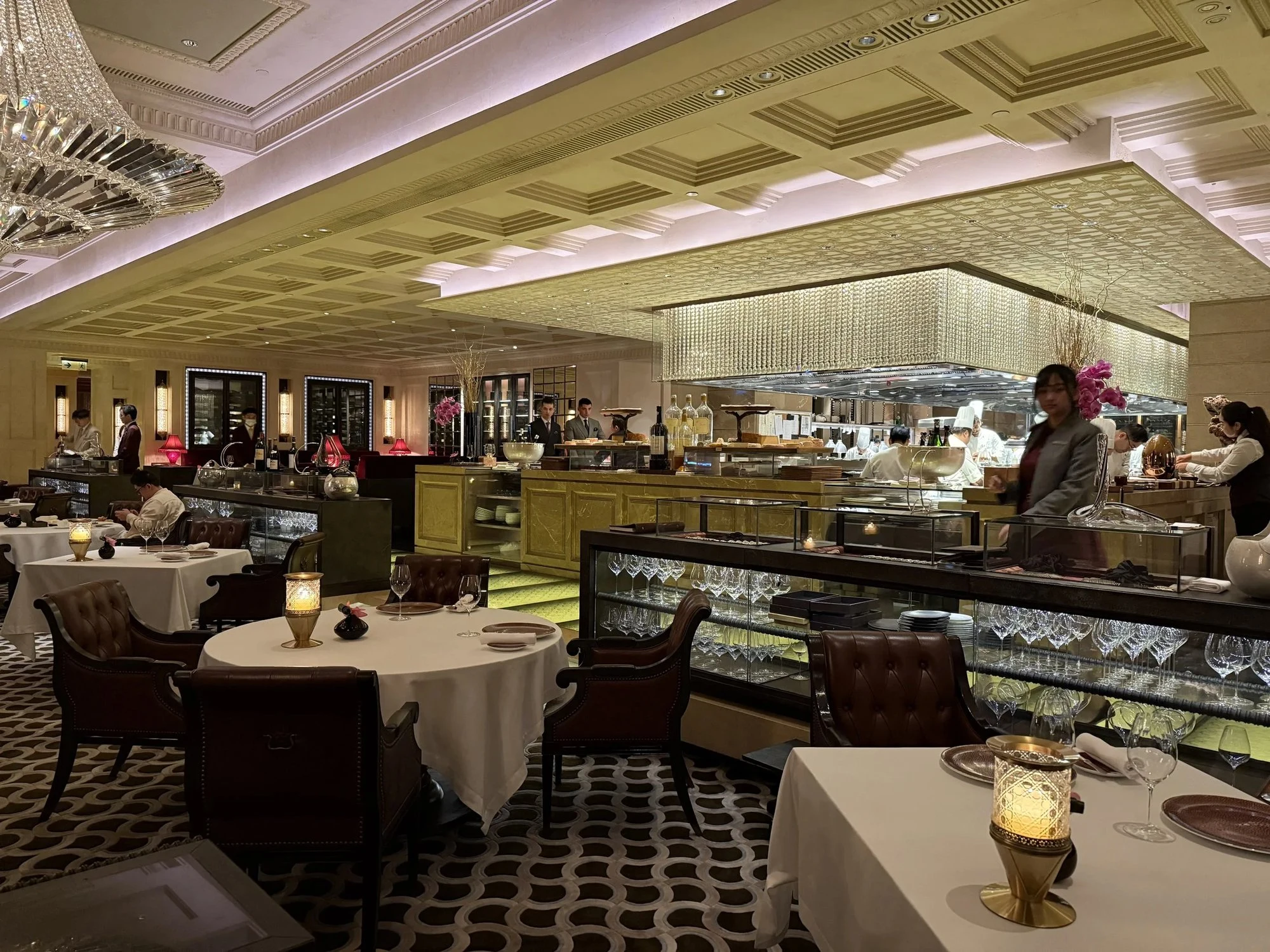
| 8 1/2 Otto e Mezzo Bombana (Hong Kong) | Michelin 3 Stars, World's 50 Best | 3 Michelin-Star Italian Fine Dining | Hong Kong |
| Amber | Michelin 3 Stars, World's 50 Best | Contemporary French Fine Dining | Hong Kong |
| Caprice | Michelin 3 Stars, World's 50 Best | Contemporary French Fine Dining | Hong Kong |
| The Chairman | Michelin 1 Star, World's 50 Best | Traditional Cantonese | Hong Kong |
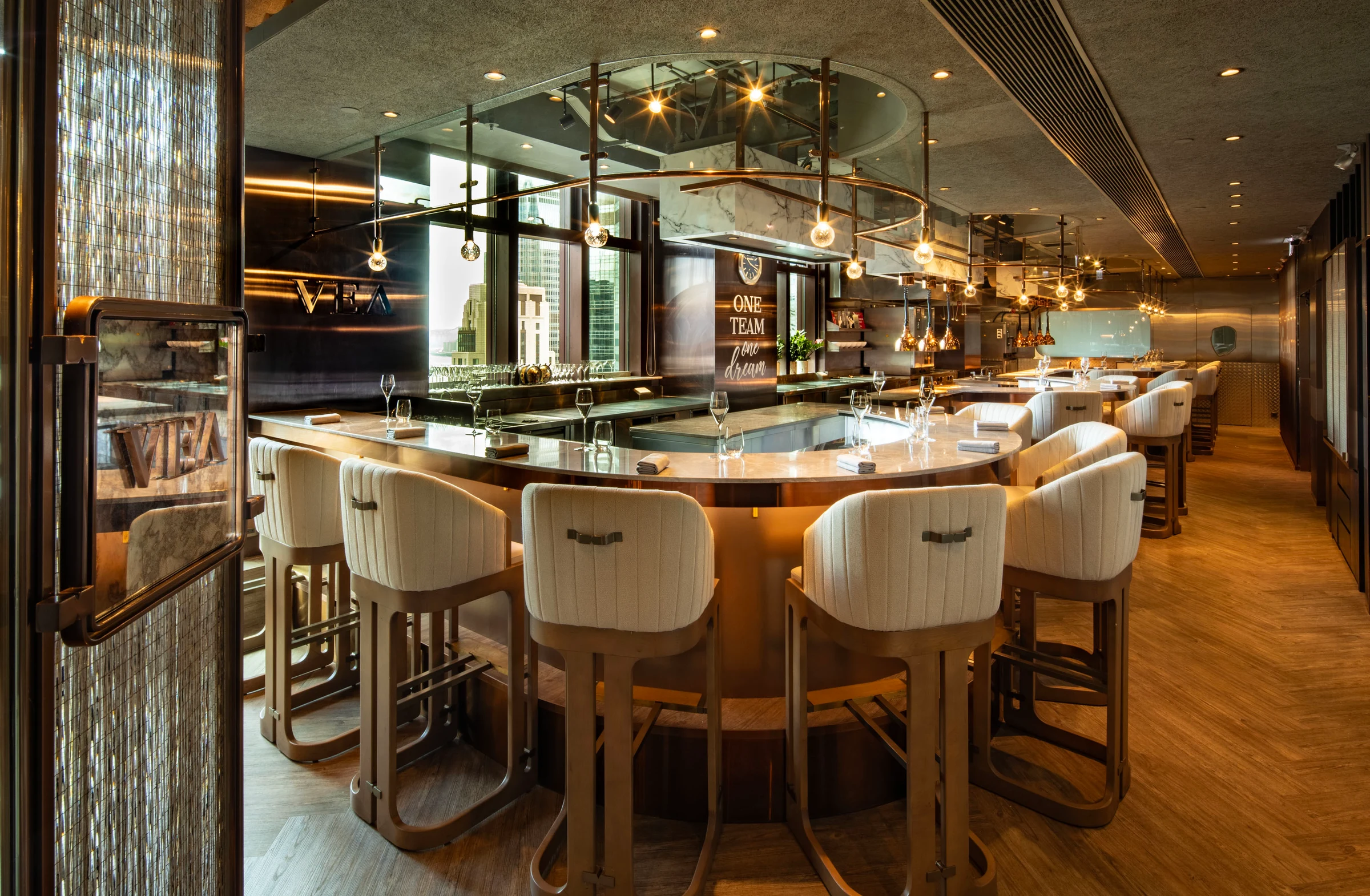
| Vea | Michelin 1 Star, World's 50 Best | Modern Chinese-French Fusion | Hong Kong |
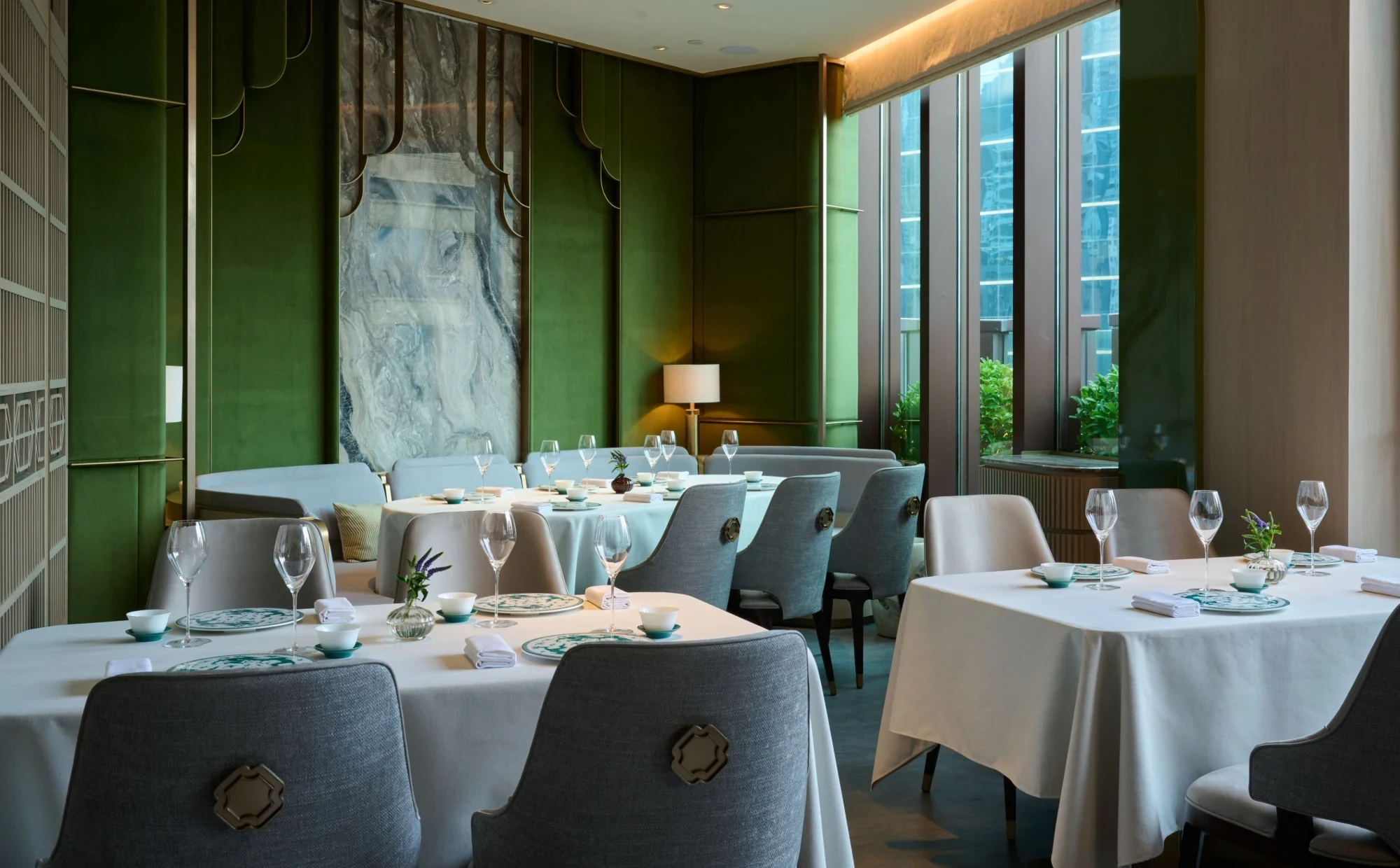
| WING Restaurant | World's 50 Best | Modern Chinese Fine Dining | Hong Kong |
In residence
Similar places
3 Michelin-Star Italian Fine Dining
8 1/2 Otto e Mezzo Bombana (Hong Kong)
Hong Kong, Hong Kong
★★★ · 50 Best
Contemporary French Fine Dining
Amber
Hong Kong, Hong Kong
★★★ · 50 Best
Contemporary French Fine Dining
Caprice
Hong Kong, Hong Kong
★★★ · 50 Best
Traditional Cantonese
The Chairman
Hong Kong, Hong Kong
★ · 50 Best
Modern Chinese-French Fusion
Vea
Hong Kong, Hong Kong
★ · 50 Best
Modern Chinese Fine Dining
WING Restaurant
Hong Kong, Hong Kong
50 Best
The Sunday letter
Get the next Made By story in your inbox.
We send one email every Sunday morning with the places and people we covered that week.
See a sample of the Sunday emailOne email a week. Unsubscribe from any issue.