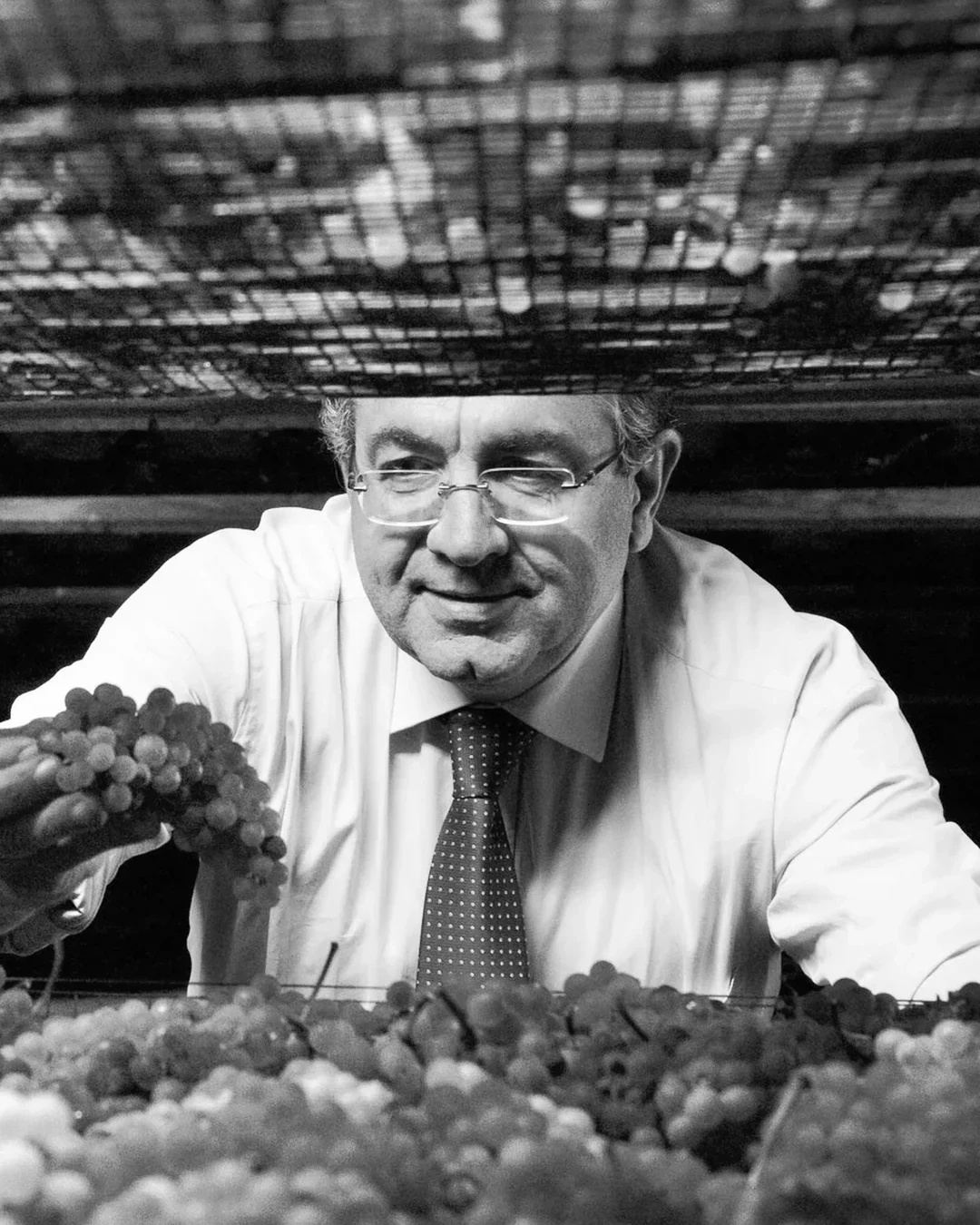
Portrait of Angelo Negro
i. Biography
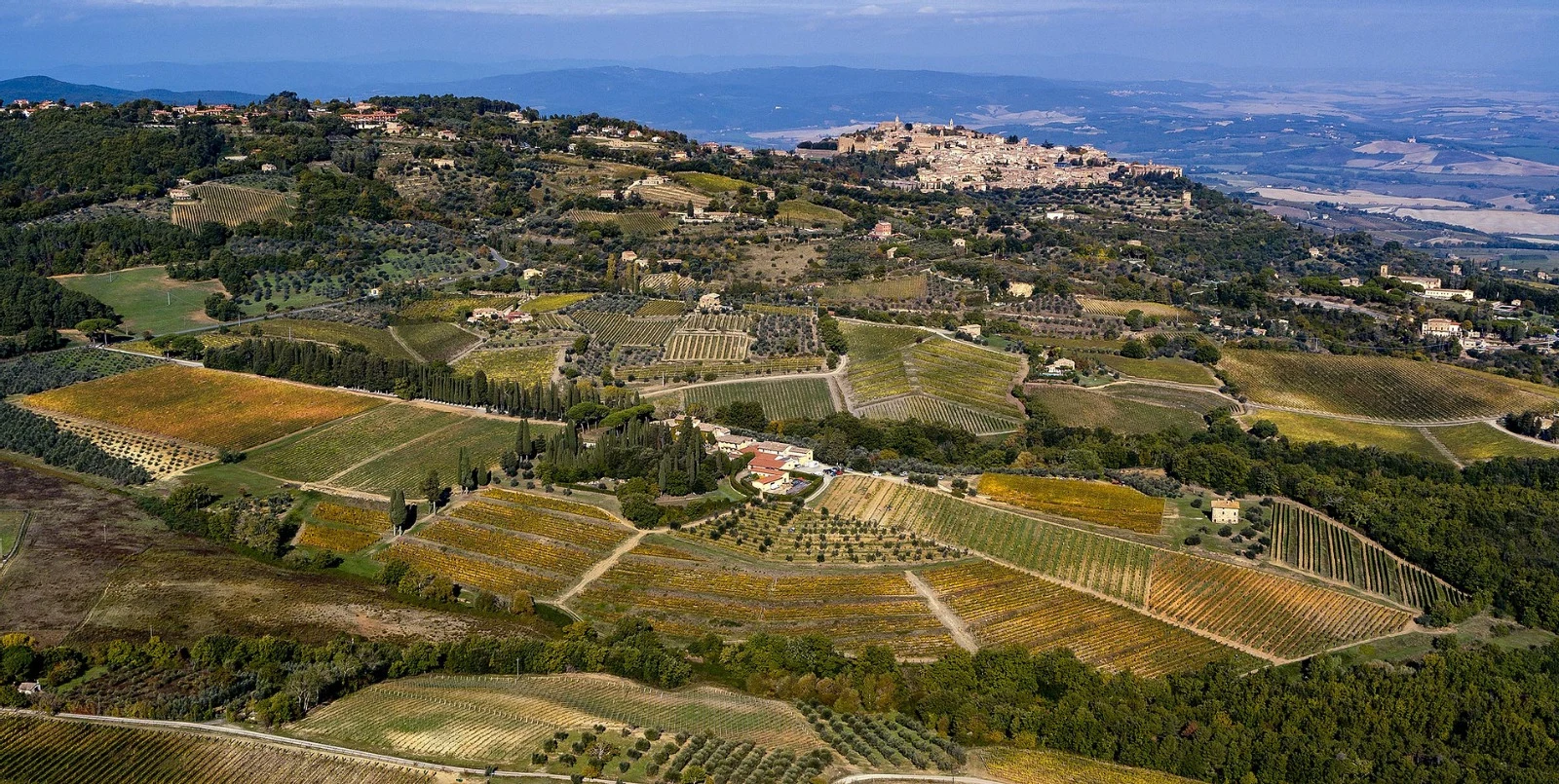
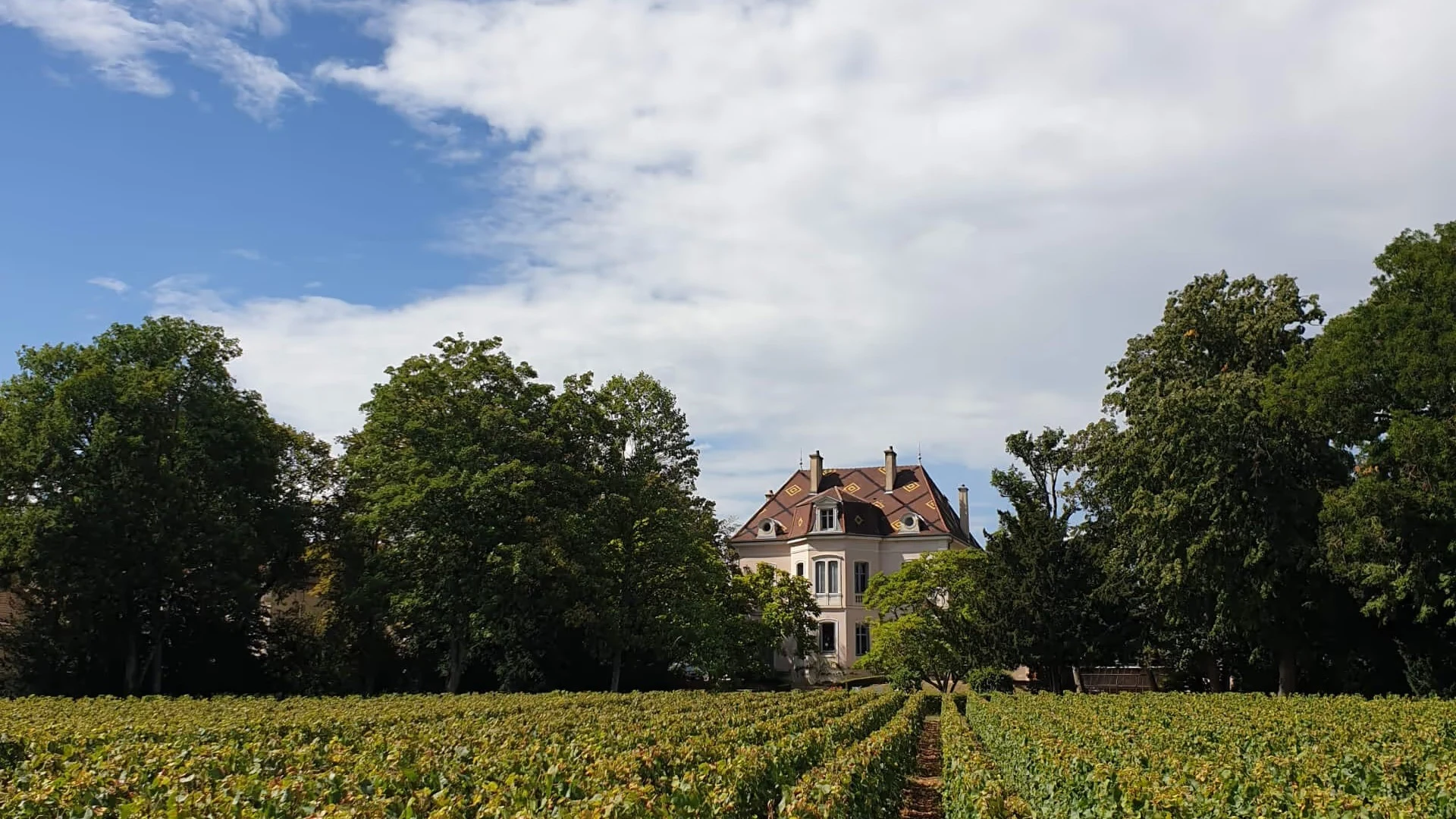
At the family estate in Piedmont, cellar work is defined by regional material rather than varietal breadth. Angelo Negro produces wines exclusively from the native grapes of the region, a constraint that keeps the estate’s language tied to Piedmont rather than to a general international register. The work is continuity-based: an inherited name, a fixed place, and the practical discipline of translating local grapes into bottles without making the producer larger than the site.
The Sunday email
Read about winemakers like Angelo Negro in the Sunday email.
Every Sunday we send a lead story and up to four more about the chefs, winemakers, sommeliers and hoteliers behind the restaurants, bars, wineries and hotels we cover.
Recent stories
Free. One email a week, and you can unsubscribe from any issue.
The Climb
Estate succession in wine is measured less by reinvention than by responsibility taken inside an existing line. Today, Angelo Negro is the winemaker of Angelo Negro / Negro family estate, where the family name is carried through cellar decisions, harvest work, grapes, and barrels. The role extends a family story already in motion rather than presenting a break from it. Stewardship at this kind of Piedmont estate depends on technical clarity and restraint.
Angelo’s work keeps Piedmont’s native grapes central, legible, and expressive, with the estate functioning as the working frame for those choices. Place is not a backdrop here; it is the condition that gives the cellar decisions their meaning.
Today
Winemaking at the Negro family estate in Piedmont, Italy, is the present center of Angelo Negro’s professional work. From that position, the wines are defined through a regional lens, with emphasis on the native grapes of Piedmont rather than a broader, more anonymous vocabulary. A narrow grape focus can be a demanding discipline. At the estate, identity is carried through choices of preservation, emphasis, and expression: what remains visible from Piedmont, what stays tied to the family’s roots, and how the wines keep that local register clear in the glass.
Signature
The signature range includes Perdaudin Arneis, Giovanni Negro, Langhe Favorita 'Onorata', Roero Valmaggiore, and Angelin Langhe Nebbiolo. Together, these wines mark the estate’s working vocabulary: regional identity, native grapes, and cellar decisions shaped by Piedmont rather than by a detachable house style. Perdaudin Arneis and Langhe Favorita 'Onorata' sit on one side of that vocabulary; Roero Valmaggiore and Angelin Langhe Nebbiolo carry the line into Piedmont’s red-wine traditions.
Giovanni Negro, bearing the family name, belongs to the same inheritance. Read as a group, the wines show Angelo Negro’s focus on place-bound production and the estate’s own voice.
Recognition
Archival records document the Negro family’s presence in Monteu Roero since the 1500s. That duration is the estate’s clearest distinction: before contemporary recognition was organized through labels, lists, or acclaim, the family name was already attached to this place. Lineage of that length changes the meaning of current cellar work. For Angelo Negro, the Negro family’s documented presence in Monteu Roero since the 1500s frames the wines made today, not as historical display, but as a practical inheritance. Regional fidelity is not an added position; it is the estate’s natural working boundary.
FAQ
Asked of Angelo
What is Angelo Negro's current role?
As of 2026, Angelo Negro is current winemaker.
What is Angelo Negro known for?
He produces wines exclusively from the native grapes of the region.

The Sunday email
Read about winemakers like Angelo Negro in the Sunday email.
Every Sunday we send a lead story and up to four more about the chefs, winemakers, sommeliers and hoteliers behind the restaurants, bars, wineries and hotels we cover.
Recent stories
Free. One email a week, and you can unsubscribe from any issue.