Culinary legend
Barton Seaver
- Discipline
- Culinary legend
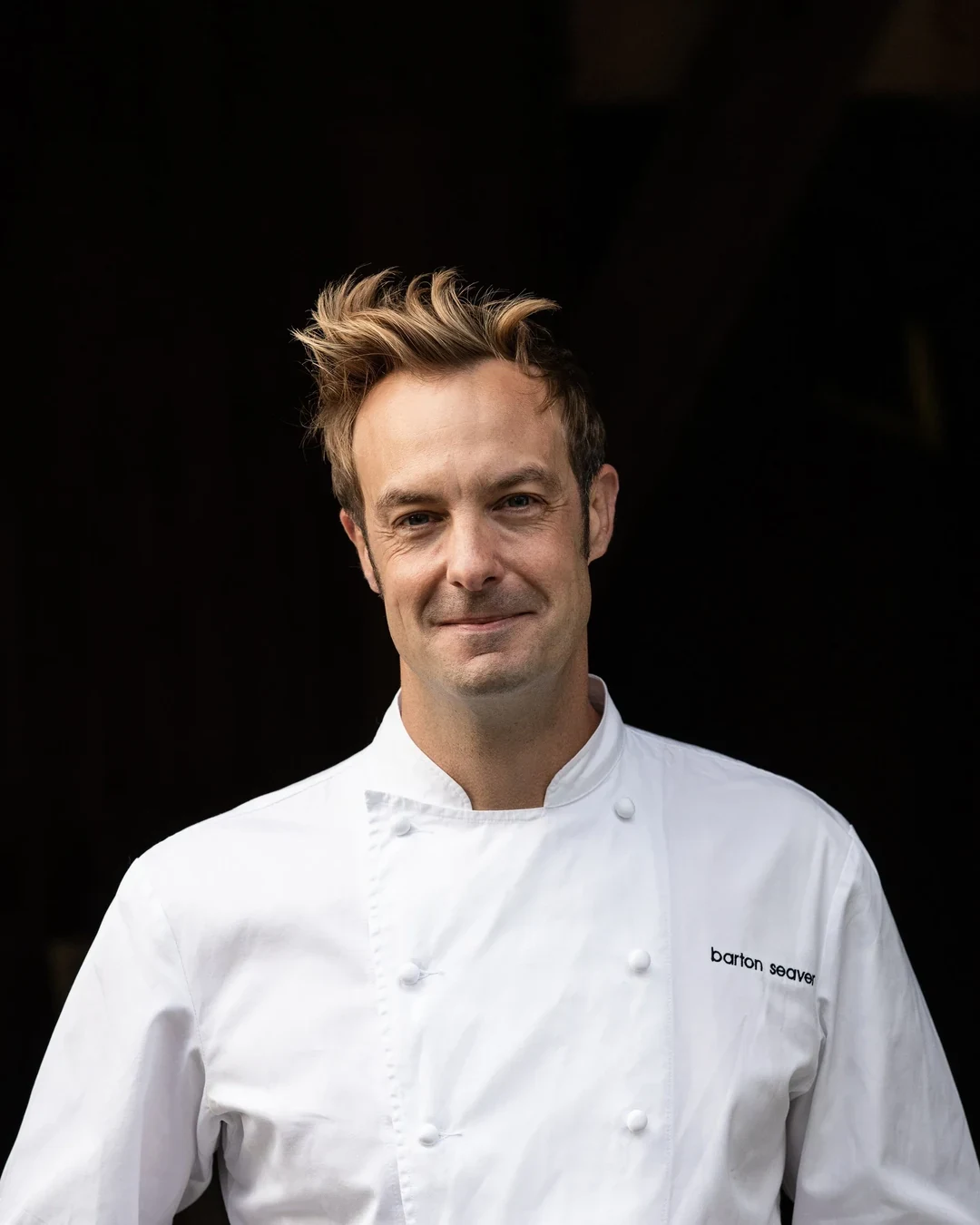
i. Biography
Coming Up
Seafood set the terms of Barton Seaver’s work early, and he has kept returning to it as an ingredient, a subject, and a system. His own description — “Because it’s so damn interesting” — is plainspoken and accurate. That interest runs through the line from kitchen technique to sustainability, health, and the larger infrastructure behind what reaches the plate. Seaver’s technical base was formed in 2001 at The Culinary Institute of America in Hyde Park, New York, where he taught meat and fish classes on a fellowship post. The placement points to early discipline in protein work and classroom precision, with seafood already carrying distinct weight in his practice. By 2005, he had moved to Washington, D.C, to work with chef José Andrés at Jaleo, entering a kitchen where pace, flavor, and execution sit close together. From there, Seaver’s résumé moved through a set of Washington kitchens that sharpened his identity as a seafood-focused cook. He served as executive chef at Café Saint-Ex in Washington, D.C. and executive chef at Bar Pilar in Washington, D.C, before taking on the role of chef-owner at Hook in Georgetown, Washington, D.C. (2007–2008). He then became chef at Blue Ridge in Glover Park, Washington, D.C. (2009–2010). Across those years, seafood stayed central — not as a niche, but as the frame through which he approached cooking. That frame widened in 2010, when Seaver became a National Geographic fellow at National Geographic, moving his culinary concerns into a broader cultural and environmental setting. In 2012, he became a Sustainability Fellow in residence at New England Aquarium. By 2015, he was director of the Sustainable Seafood and Health Initiative at Center for Health and the Global Environment, Harvard School of Public Health in Boston, Massachusetts, and in 2016 he took on the role of Senior Advisor, Sustainable Seafood Innovations at University of New England. Today, Seaver is a member of the board of L.A. Kitchen, founder of Coastal Culinary Academy, and Contributing Seafood Editor of Coastal Living Magazine, extending his work into education, advocacy, and editorial practice.
Where They Are Now
Sustainable Seafood remains the center of Seaver’s work, and it now defines the way he talks about food itself. Seafood is not only something to cook; it is something to understand — through the systems that produce it, the people who eat it, and the standards that make it worth serving.
Career - member of the board — L.A. Kitchen - Founder — Coastal Culinary Academy - Contributing Seafood Editor — Coastal Living Magazine - taught meat and fish classes on fellowship post — The Culinary Institute of America, Hyde Park, New York (from 2001) - worked with chef José Andrés — Jaleo, Washington, D.C. (from 2005) - executive chef — Café Saint-Ex, Washington, D.C. - executive chef — Bar Pilar, Washington, D.C. - chef-owner — Hook, Georgetown, Washington, D.C. (2007–2008) - chef — Blue Ridge, Glover Park, Washington, D.C. (2009–2010) - National Geographic fellow — National Geographic (from 2010) - Director of the Sustainable Seafood and Health Initiative — Center for Health and the Global Environment, Harvard School of Public Health, Boston, Massachusetts (from 2015)
Signature
Barton's signature dishes include The Joy of Seafood, For Cod and Country, Two if by Sea, American Seafood, and The Blue Food Cookbook. The titles move between wit, clarity, and scale, and together they sketch the range of his focus without overexplaining it. They read as a working set of arguments about seafood: how it is cooked, understood, and named.
In Their Words “My hope is that this leads to deeper confidence and competence and a desire to cook more seafood in the home, a greater fluency with seafood, and an understanding of its health benefits and delicious culinary qualities.” That line gets to the practical core of Seaver’s approach. The aim is not mystique or gatekeeping, but competence built through repetition and


