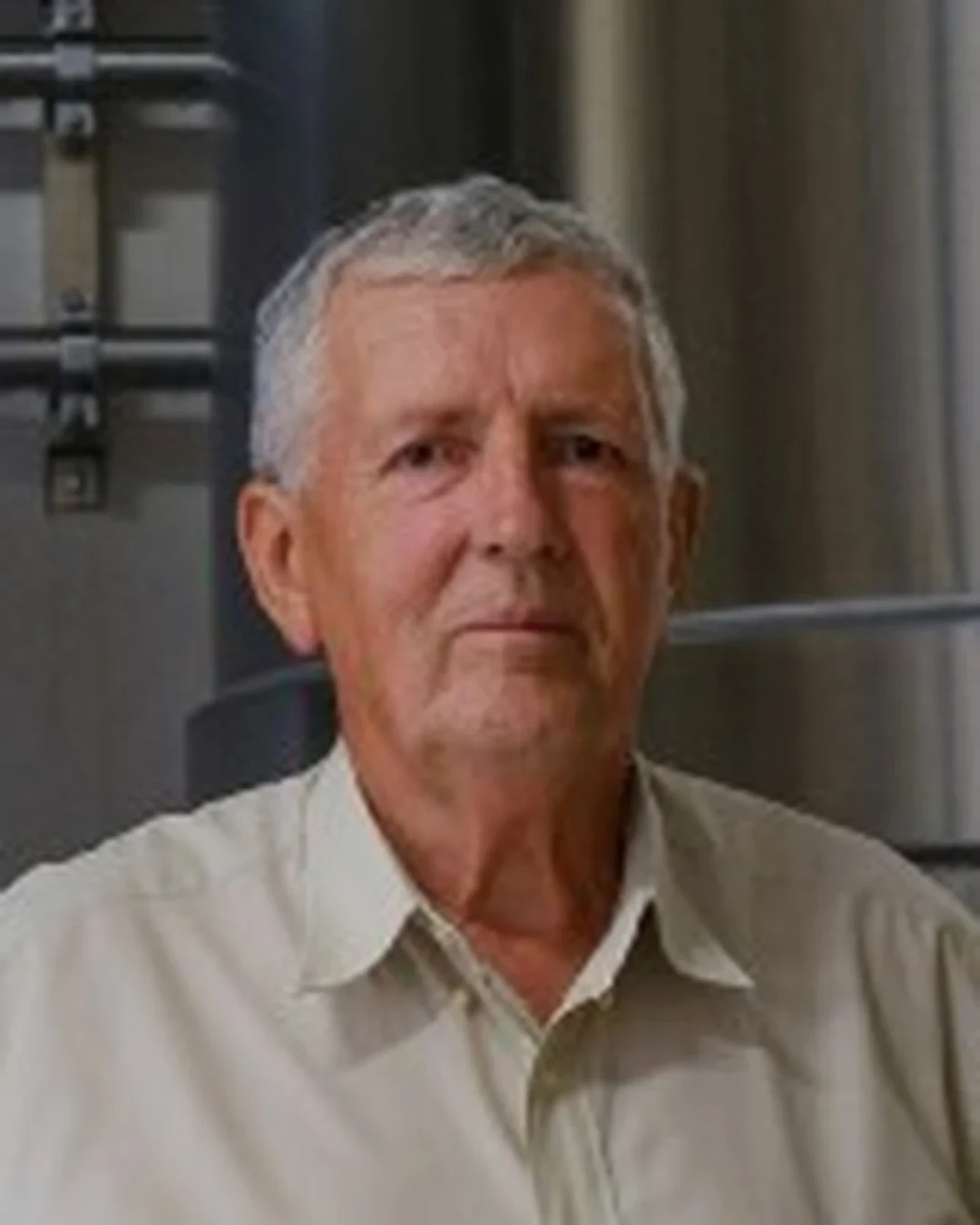
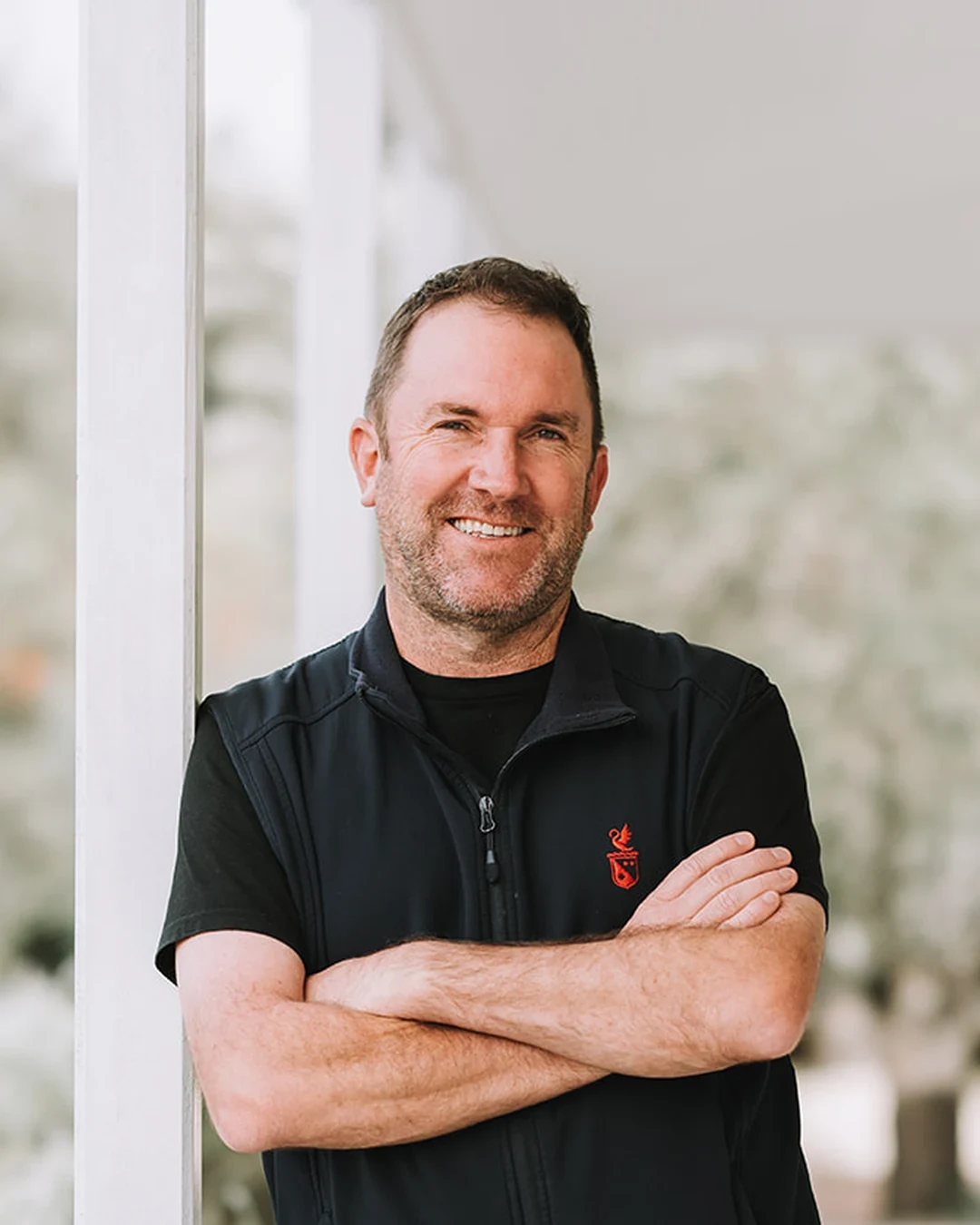
Portrait of Bernard Debacque
i. Biography
Bernard Debacque’s arc runs from experience in large companies to ownership of Château Grand Destieu in Saint-Sulpice-de-Faleyrens, France, where his work centers on Saint-Émilion Grand Cru from a five-hectare family property. The turn is not theatrical; it is agricultural, cellar-bound and exacting, built around Old-vine Merlot with Cabernet Franc and Cabernet Sauvignon, then carried through ageing toward fruit, structure and tannin that feel fully resolved.
The Sunday email
Read about winemakers like Bernard Debacque in the Sunday email.
Every Sunday we send a lead story and up to four more about the chefs, winemakers, sommeliers and hoteliers behind the restaurants, bars, wineries and hotels we cover.
Recent stories
Free. One email a week, and you can unsubscribe from any issue.
Early Years
Before the estate became the center of his work, Debacque gained experience in large companies, a background he now folds into a more intimate scale of production. His stated objective at Château Grand Destieu is to raise the property’s level by combining the best of viticulture and oenology with that earlier experience. That ambition begins before fermentation. The property’s quality process runs from vine pruning, cultivation and treatments through vinification and two years of barrel ageing, making the vineyard work and the cellar work part of one continuous discipline.
Making a Name
The wine at the heart of the estate is Saint-Émilion Grand Cru, shaped through Traditional Saint-Émilion vinification and careful ageing. The aim is precise: ripe fruit expression supported by finely integrated tannins rather than force or excess. On a five-hectare family property, the grape composition gives the wine its frame. Old-vine Merlot forms the base, with Cabernet Franc and Cabernet Sauvignon adding to the blend, a structure rooted in the place and its Saint-Émilion Grand Cru identity.
Château Cru Grand Destieu, Saint-Émilion Grand Cru, is the flagship product. It is vinified and aged for two years in French oak barrels, a patient regime that aligns with the estate’s broader process from pruning to barrel.
The Present
As owner, Debacque’s role is tied directly to the property in Saint-Sulpice-de-Faleyrens and to the continuity of its wine. The work is not presented as a break with tradition, but as a deliberate effort to sharpen it through viticulture, oenology and cellar practice. The resulting wine is described as elegant and characterful, with deep purple color, red-fruit notes, fine melted tannins, dense structure and a long fresh finish. Those details make the bottle’s identity tangible: Saint-Émilion Grand Cru shaped by old vines, disciplined ageing and a measured hand in the cellar.
FAQ
Asked of Bernard
What is Bernard Debacque doing now?
Bernard Debacque is owner of Château Grand Destieu in Saint-Sulpice-de-Faleyrens, France, where the focus is Saint-Émilion Grand Cru wine from a five-hectare family property.
Where else has Bernard Debacque worked?
He gained experience in large companies before applying that background to viticulture and oenology at the estate.
Where did Bernard Debacque begin their career?
The earliest career setting identified for him is experience in large companies, which informs his objective for the property today.
Explore
Similar Winemakers

The Sunday email
Read about winemakers like Bernard Debacque in the Sunday email.
Every Sunday we send a lead story and up to four more about the chefs, winemakers, sommeliers and hoteliers behind the restaurants, bars, wineries and hotels we cover.
Recent stories
Free. One email a week, and you can unsubscribe from any issue.