Winemaker
Bishop David
- Discipline
- Winemaker
- Based in
- Chumlaki, Georgia
i. Biography
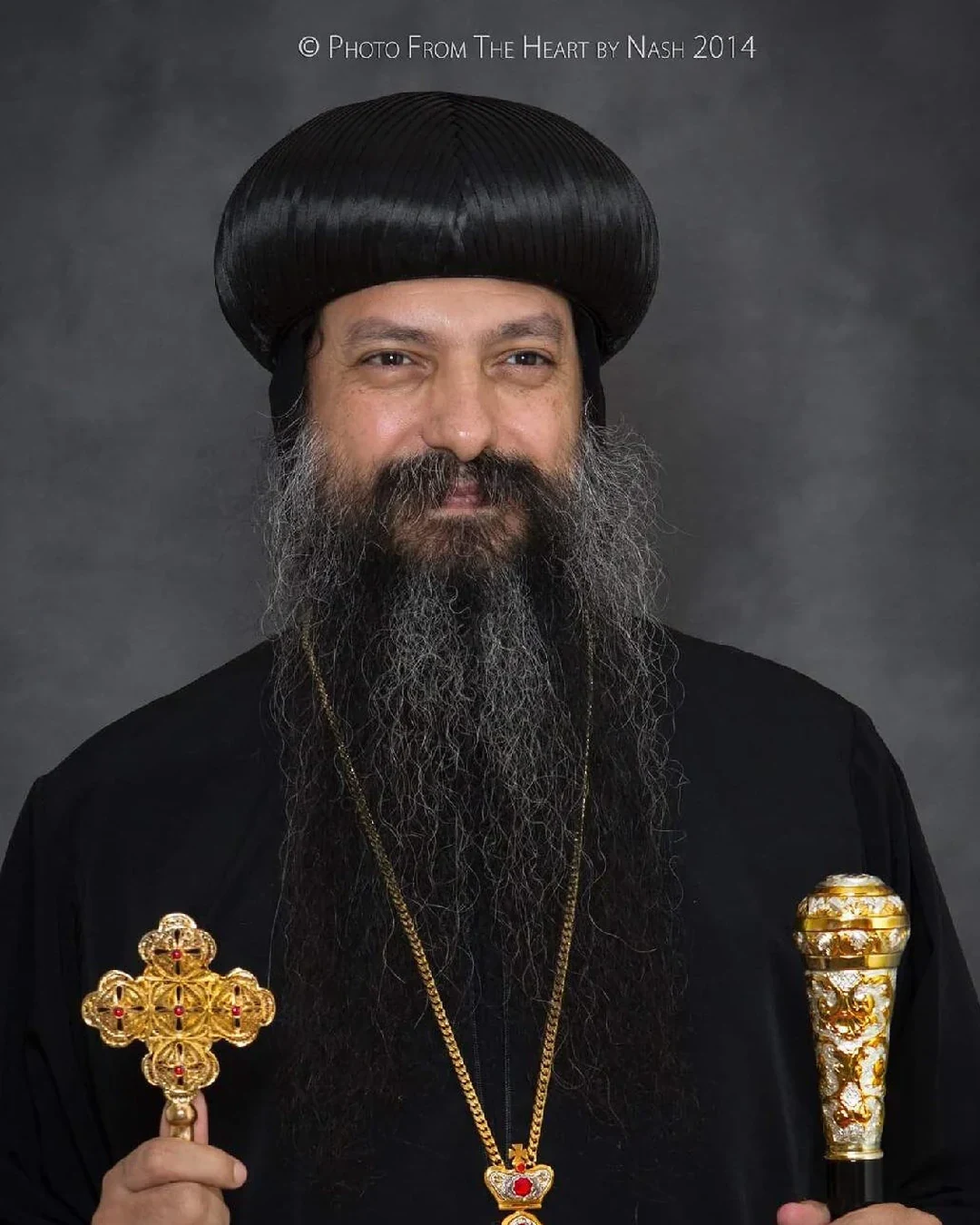
Georgian Orthodox Bishop at Alaverdi Monastery in Kakheti, Georgia, is Bishop David’s defining title, and it gives his wine work its gravity. At the monastery, he is tied to a cellar whose work is measured in qvevri, pomace, and the long memory of a site dating back to the sixth century.
The Recognition Bishop David serves as Georgian Orthodox Bishop at the monastery, a role that places his wine production inside a living religious setting rather than a conventional commercial résumé. The achievement is plain: he is associated with one of Georgia’s ancient monastic places, and with a cellar that continues traditional Georgian winemaking methods. The monastery dates back to the sixth century, and Bishop David has said vines were planted there on day one. That origin gives the work a rare continuity: vineyard, cellar, and church are not treated as separate subjects, but as parts of the same daily discipline. Asked about the scale of production, he gave the figure directly: "20,000 bottles with a maximum of 50,000 bottles. Our wine cellar's capacity is 30 tons of wine." The numbers matter because they describe a working cellar, not a symbolic one.
The Work
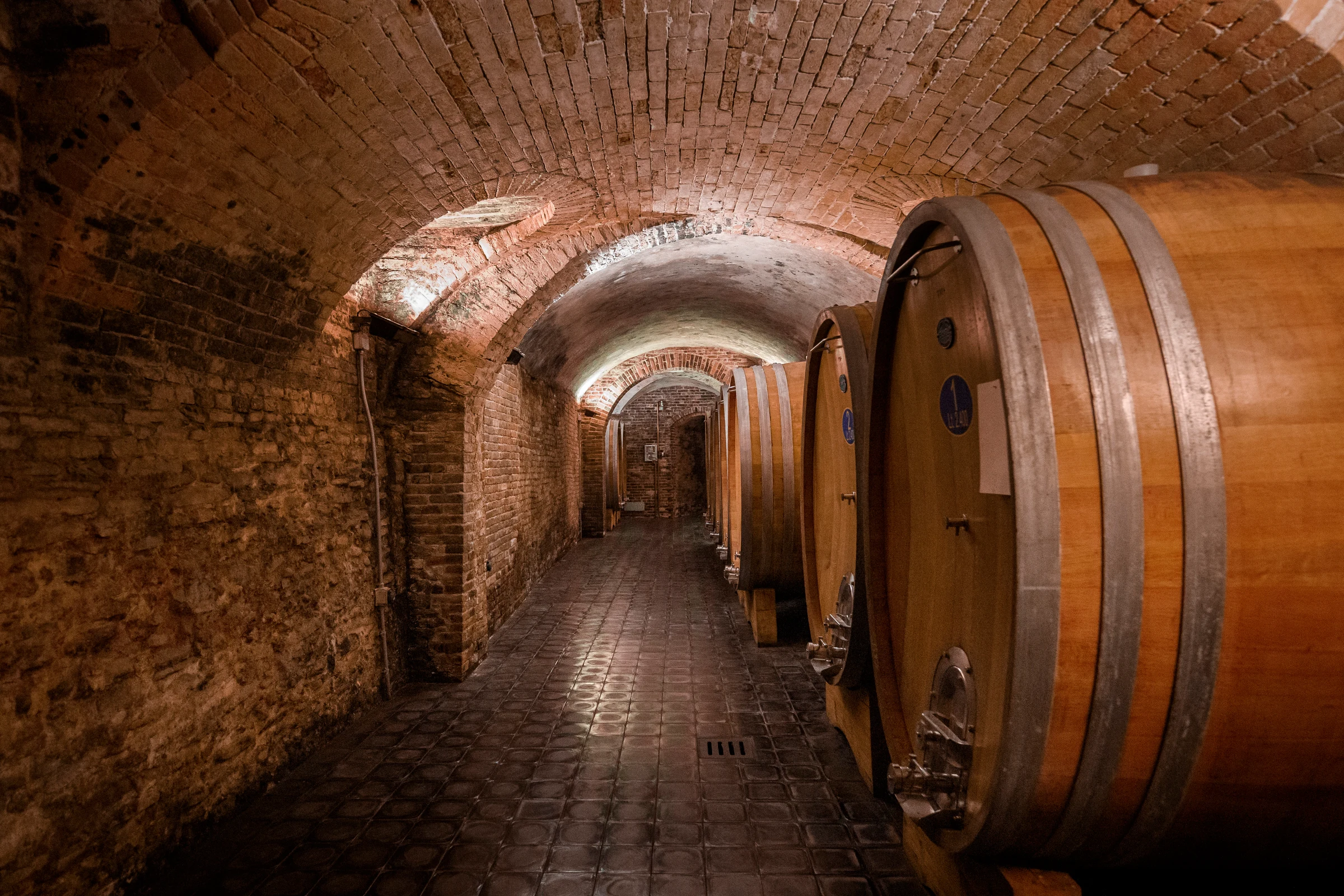
Behind It At Alaverdi Monastery Cellar in Akhmeti Municipality, Kakheti, Georgia, the wine is made in qvevri with pomace using traditional Georgian methods. The craft note is specific and important: qvevri winemaking is not a decorative reference here, but the stated method of the cellar’s production. The signature wine associated with Bishop David is Alaverdi Rkatsiteli 2009. His own description was brief and emphatic: "This wine is pure gold!" In a page of measured facts, that line supplies the color: a bishop-winemaker speaking of a specific vintage with direct conviction. The work also carries a spiritual rhythm. Bishop David put that daily closeness in simple terms: "We sleep, and work at the same time." On the relationship between the vineyard, the cellar, and faith, he was equally direct: "Of course. Whenever we are in the vineyard or the wine cellar, we always feel that God is close to us."
The Road The career path named for Bishop David is rooted at the monastery itself. Rather than a sequence of restaurants, estates, or consulting posts, his public work gathers around the same Kakheti site: the bishop’s office, the cellar, the vineyard, and the production of wine. That concentration gives the biography its force. The cellar’s annual output, its maximum production level, and its 30-ton capacity all point to a practical operation; the sixth-century origin and the qvevri method connect that operation to Georgian religious and wine culture. In Bishop David’s work, the central facts remain concrete: a Georgian Orthodox Bishop at an ancient monastery, a Kakheti cellar making wine by traditional methods, and a named 2009 Rkatsiteli described by the man behind it in words that need little polishing.
FAQ What is Bishop David's current role? Bishop David serves as Georgian Orthodox Bishop at Alaverdi Monastery in Kakheti, Georgia. What awards has Bishop David received? The recognition associated with Bishop David is his ecclesiastical title, Georgian Orthodox Bishop, rather than a competition award. What is Bishop David's most notable recognition? His most notable recognition is his role as Georgian Orthodox Bishop at Alaverdi Monastery, paired with his work producing qvevri wine at the monastery cellar.