Master distiller / blender
Carl Beam
- Discipline
- Master distiller / blender
Made By record
Awards & recognition
1 total
verified records
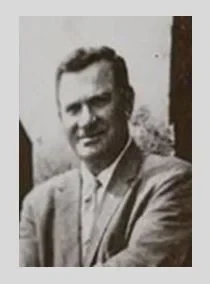
i. Biography
Carl Beam, born May 24, 1943, built a practice that pressed firmly against assumptions about First Nations creativity and the style and content of Indigenous art. His work was never merely about making images; it was about widening the frame of what art could hold, and who got to define its language. Much of that grounding began close to home, through the instruction of his mother, Barbara Migwans, and others in his community, and through a deep, attentive apprenticeship to the natural environment. He learned by looking, listening, and moving through the world, absorbing the history and legends of the land as living material rather than distant inheritance.
Coming Up
Carl Beam trained at University of Victoria and University of Alberta, building his foundation through study at both institutions before moving into the wider arc of his career. Those years formed part of the making of an artist who would go on to work with ideas as much as with form, shaping a practice that emerged from education but was equally animated by memory, place, and encounter.
Where They Are Now
Beam's work is defined by that challenge to received ideas about Indigenous art. It carries the force of questioning, interruption, and rethinking, as though each piece were asking the viewer to slow down and reconsider what has been assumed to be fixed. He framed language with a question: "How many words would I need to describe the power of absence, or the state of “no word,” and how much power would there be in a “written” word in comparison to a “spoken” word and a “remembered” word?" In that single sentence, the tensions that animate his practice come into focus: silence and speech, memory and inscription, what is present and what is withheld. His art lives in those intervals, where meaning is felt as much as declared.
Signature
Carl's signature dishes include The Columbus Suite, Voyage, The North American Iceberg, and Sitting Bull and Whale. Read as a body of work, these titles suggest a practice that is expansive, layered, and alert to the historical and symbolic charge of naming. They carry the sense of journeys undertaken, of ice and sea, of figures and stories that move through cultural memory with weight and resonance.
In Their Words “How many words would I need to describe the power of absence, or the state of “no word,” and how much power would there be in a “written” word in comparison to a “spoken word” and a “remembered” word?”
FAQ Where did Carl Beam train or study? Carl Beam trained at University of Victoria and University of Alberta. What is Carl Beam known for? challenging assumptions about First Nations creativity and the style and content of Indigenous art.


