Winemaker
Christophe Jaume
Winemaker & Co-Proprietor, Vignobles Alain Jaume / Domaine Grand Veneur
- Discipline
- Winemaker
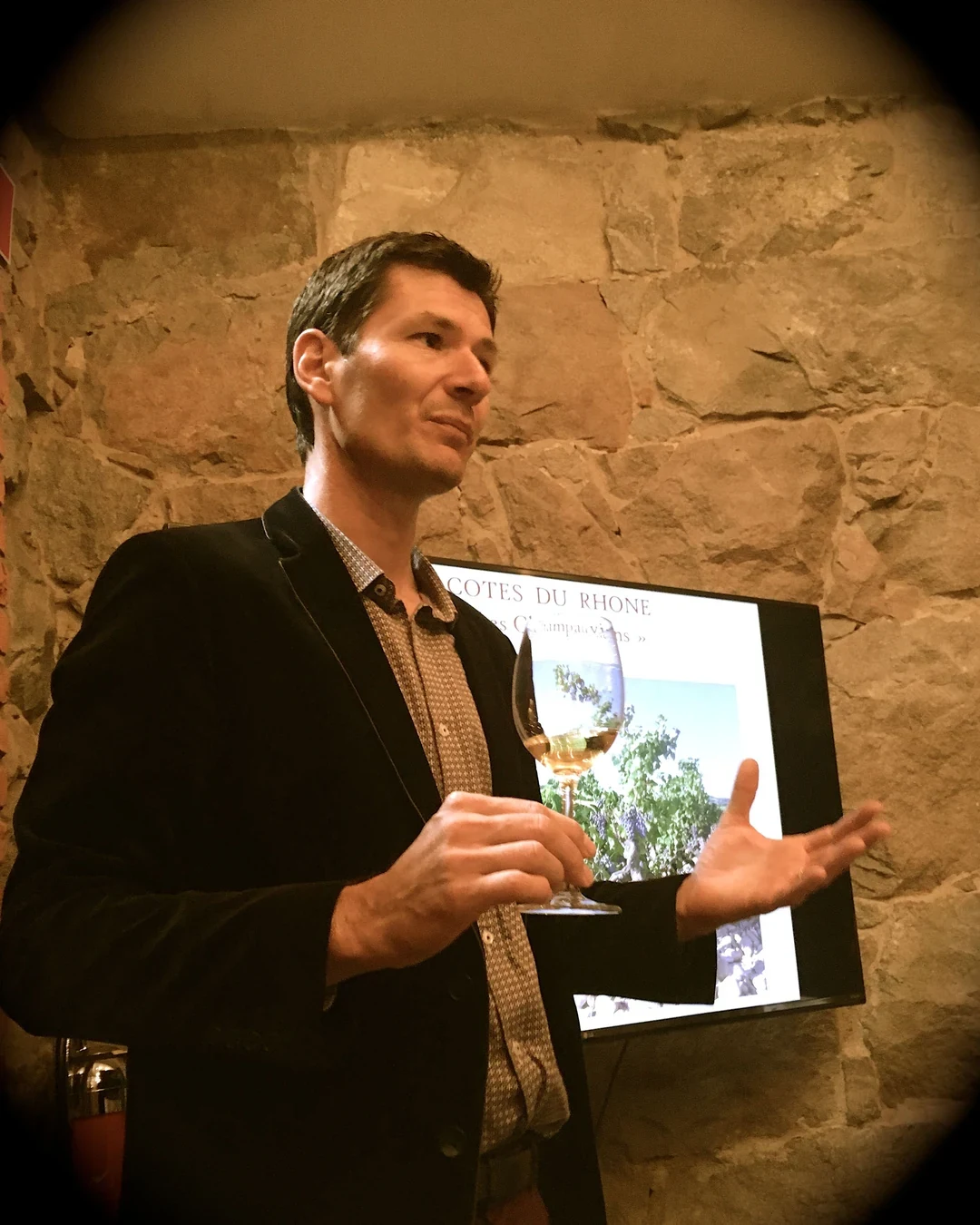
Portrait of Christophe Jaume
i. Biography
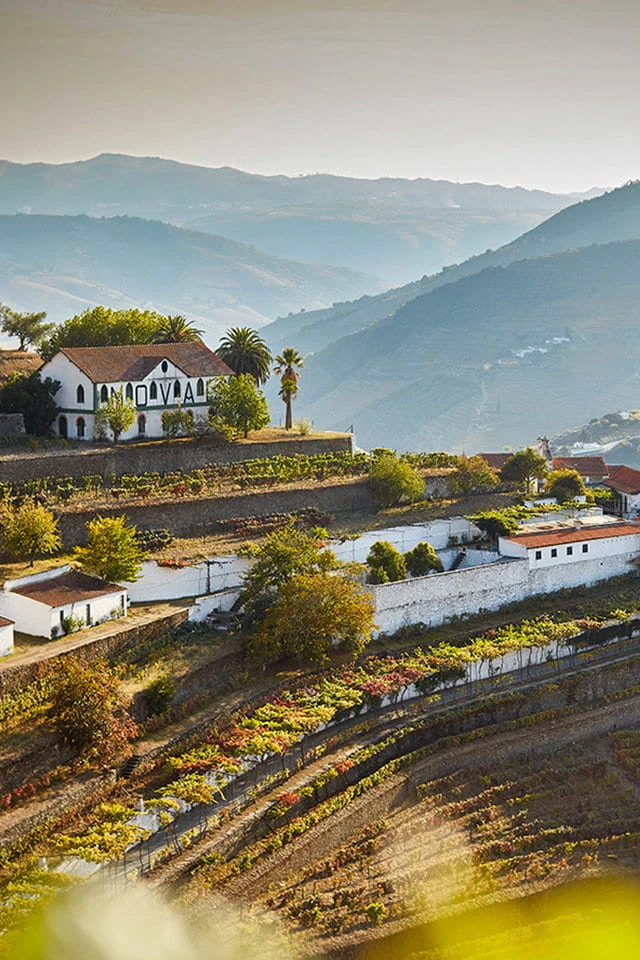
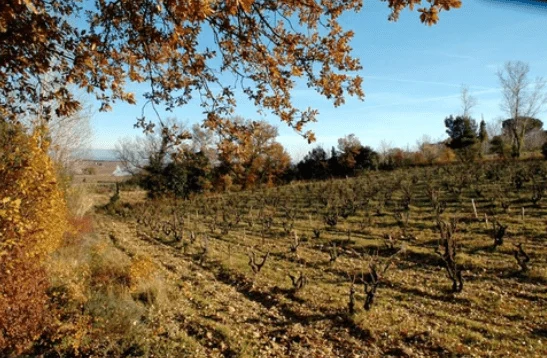
Christophe Jaume is a sixth-generation winemaker at Domaine Grand Veneur in Orange, France, where family work, vineyard practice, and appellation identity remain closely linked. Raised plateaus, galets, red clay, sand, and old vines shape the estate’s Southern Rhône vineyards, and hand sorting before pressing remains a final selection point between vineyard and fermentation. Christophe Jaume took on responsibility for Domaine Grand Veneur with Sébastien and Hélène Jaume in 2015. His work continues a family line that treats inheritance as responsibility rather than ornament, carrying forward the estate through close attention to vineyard, season, and fruit. He is also co-owner of ALAIN JAUME in the Rhône Valley, extending the family name across a broader house while keeping the same link between place, practice, and appellation. The vineyards are certified organic, and that framework guides the farming across the estate. Light plowing and vegetal compost are used to maintain the soils, and organic-permitted treatments are applied only when there are justified risks to vine health. The aim is harmony between grape and soil, but the work depends on repeated decisions in the field throughout the growing season. Green-harvesting is used to control yields and optimize sun exposure, and harvest is done by hand. Sorting then selects the best grapes to press, placing fruit selection at the center of the process before fermentation begins. At Domaine Grand Veneur, farming is the base layer of every cuvée. Châteauneuf du Pape Vieilles Vignes reflects old-vine material at the center of the wine’s identity. It is made from 50% Grenache, 10% Syrah, and 40% Mourvèdre. Grenache is aged in cement tank, while Syrah and Mourvèdre age in truncated wooden tank for 16 months. The red cuvée Vieilles Vignes comes from the oldest vines in the area, making vineyard age a defining part of the wine rather than a detail. Site distinction is also expressed through the red cuvées Miocène and Les Origines. Miocène comes from a raised plateau of large rounded pebbles and sand. Les Origines is grown on a plateau of galets, red clay, and sand, right next to Beaucastel. These differences in ground texture and exposure help define the estate’s wines within the same family practice. Christophe Jaume’s current work connects Domaine Grand Veneur in Orange with the wider ALAIN JAUME house in the Rhône Valley and Châteauneuf du Pape. Across both, the emphasis remains on inherited land, certified practice, careful fruit selection, and the disciplined farming that gives structure to the wines before cellar work begins.
The Sunday letter
Read Made By's new profiles every Sunday.
Meet the chefs, winemakers and sommeliers behind the places we cover. See a sample below before you subscribe.
See a sample of the Sunday emailOne email a week. Unsubscribe from any issue.
Explore
In the same rooms


Similar Winemakers
The Sunday letter
Get the next Made By profile in your inbox.
We send one email every Sunday morning with the people we profiled that week.
See a sample of the Sunday emailOne email a week. Unsubscribe from any issue.