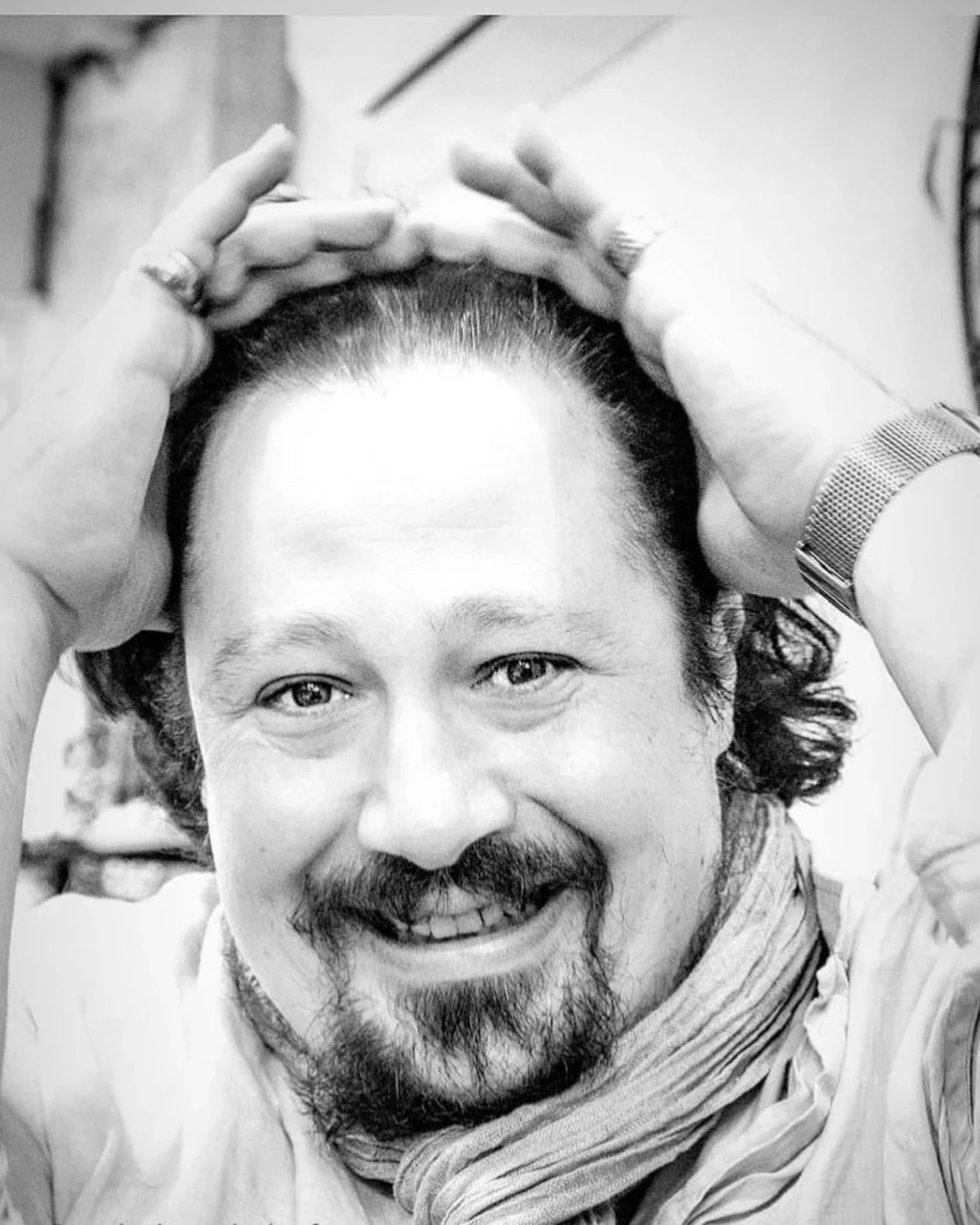
Portrait of Christophe Philippe
i. Biography
Amarante in Paris works a plain register: fat, heat, innards, and restraint. The cooking associated with Christophe Philippe does not soften its materials for easy approval. Meat keeps its richness; fish and meat are protected from overcooking; butter is used without apology. Natural wines sit beside plates that do not lean on garnish, acidity, or brightness to make themselves more accommodating. The house style is not austerity, and it is not rusticity staged for effect. It is appetite-led cooking, built on density, warmth, and animal depth. At Amarante / L’Amarante, directness is the point: a plate that does not flatter, a glass that keeps its edges, and a Paris dining room stripped of ornament in a city where refinement often arrives polished to a shine.
The Sunday letter
Read Made By's new profiles every Sunday.
Meet the chefs, winemakers and sommeliers behind the places we cover. See a sample below before you subscribe.
See a sample of the Sunday emailOne email a week. Unsubscribe from any issue.
The Route
Restaurant identity is made in repetition: buying, trimming, seasoning, cooking, serving, and refusing drift. Since 2015, Christophe Philippe has been chef of Amarante / L’Amarante, shaping the house through that kind of steady definition rather than through slogans or reinventions. Service after service, the restaurant’s language has narrowed until its priorities are clear. The force of the cooking comes from its lack of explanation. Amarante’s identity has gathered through reduction, attention, and acceptance of intensity. In a city fluent in elegance, Philippe works in a less decorative vocabulary, trusting heat, texture, fat, and the appetite of the diner.
Where They Are Now
“Real food” is a useful description when it points to a lack of disguise. At Amarante, the phrase is attached to a menu that includes winter soup, pumpkin soup with crisp bacon, desserts, and a wine list heavily influenced by natural wines. Soup is allowed to be soup; bacon is allowed to be crisp; desserts are kept inside the meal rather than treated as an afterthought to savour. The wine position follows the same logic as the cooking: less polish, more texture; less surface charm, more appetite. Natural wines sit naturally beside food that does not try to become lighter than its ingredients or brighter than its mood. The table has its own gravity, and the diner is asked to meet the meal on those terms. The intended appetite is clearly drawn. Philippe aims the restaurant at diners who like meat with some fat, fish and meat not overcooked, butter, and a healthy appetite. The house is equally clear about what it is not for: diners who enjoy Coca-Cola are outside the restaurant’s imagined table. The line is sharp, but it clarifies the kind of pleasure Amarante is built to serve. Scale is part of the method. Philippe links Amarante’s small team to its limited opening hours, a practical detail that explains the rhythm of service without turning it into a slogan. The restaurant’s character depends on concentration, and concentration has limits.
Career - Chef — Amarante / L’Amarante, near Bastille, Paris (2015–present)
Accolades
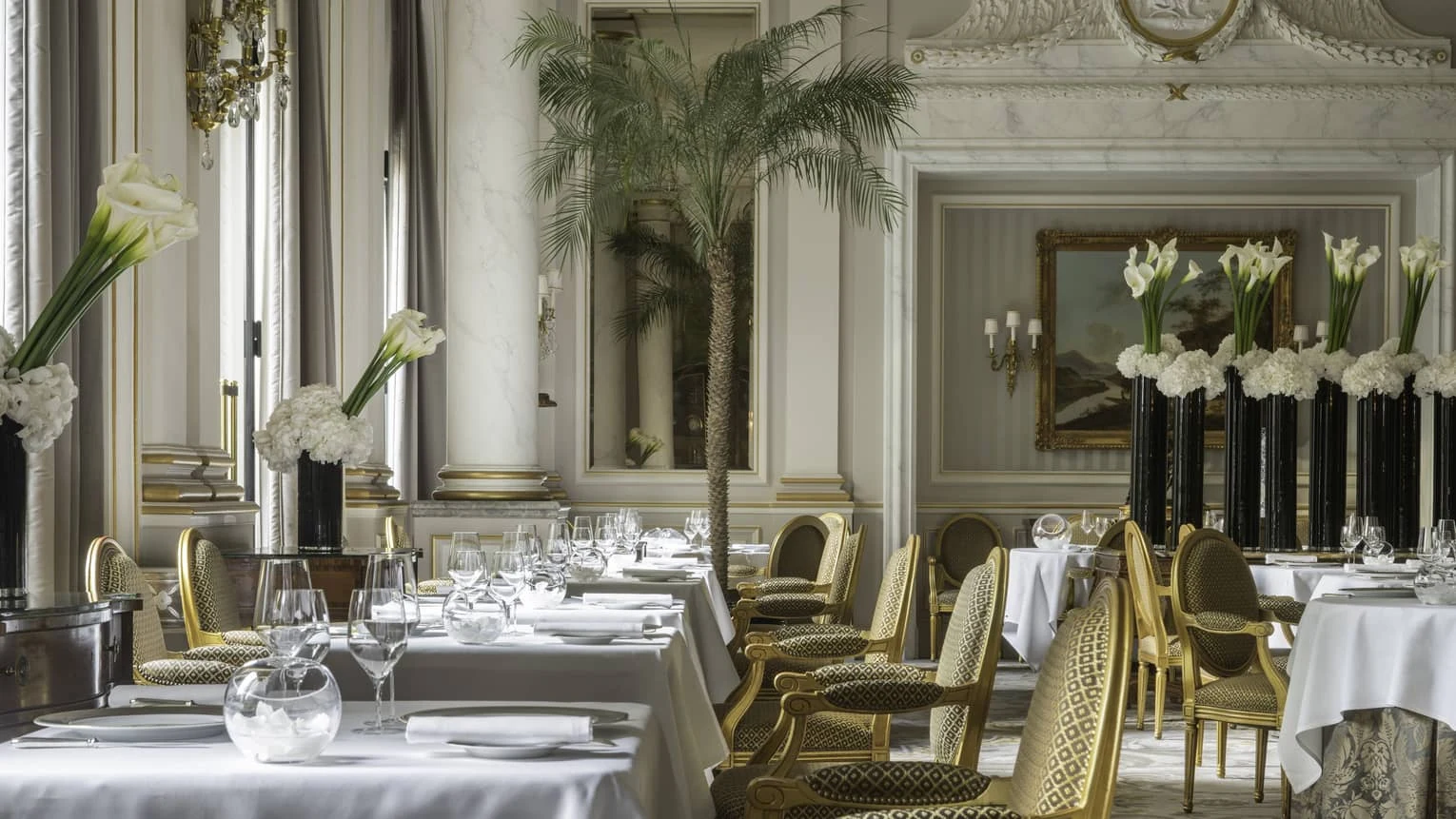
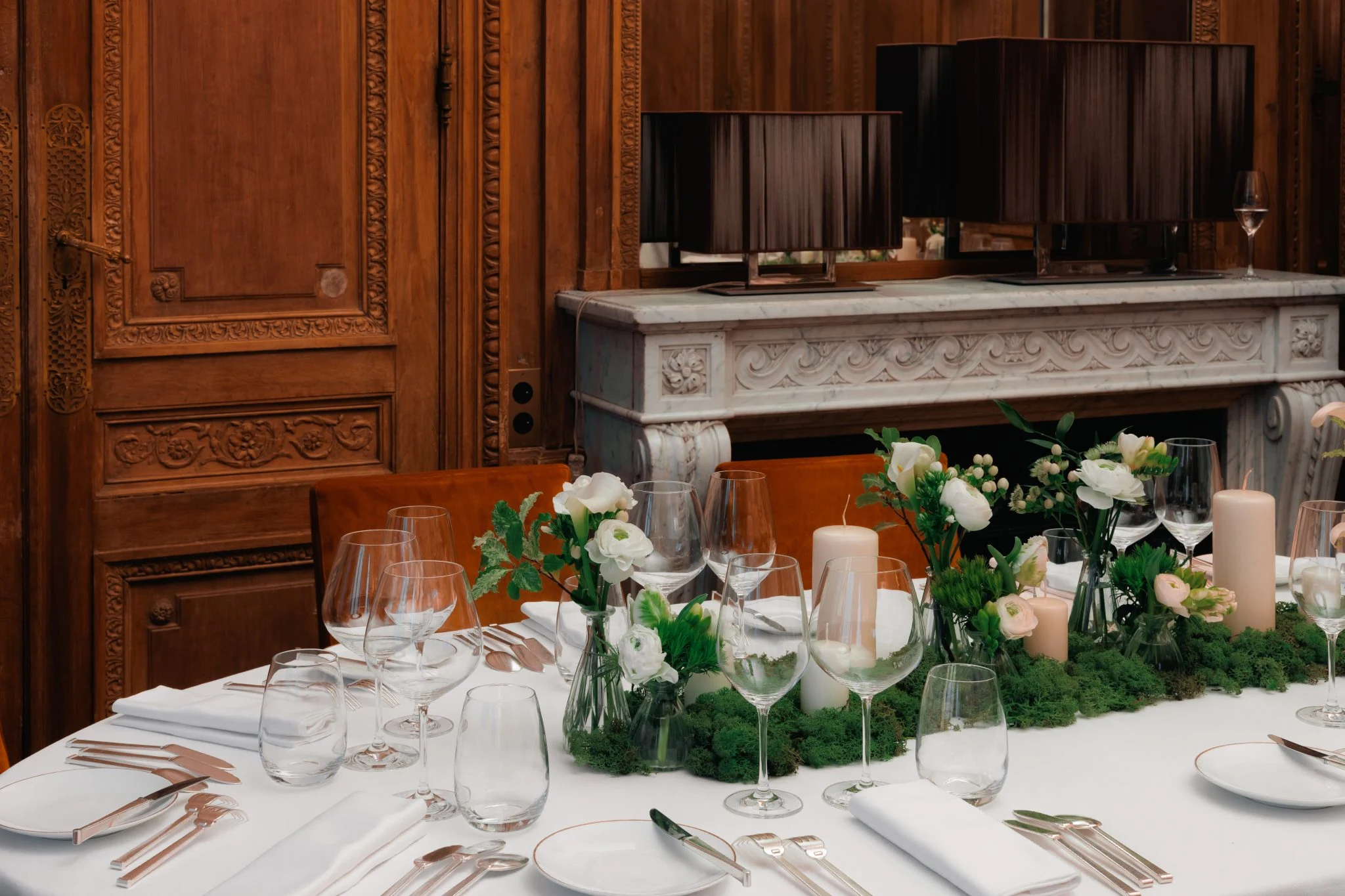
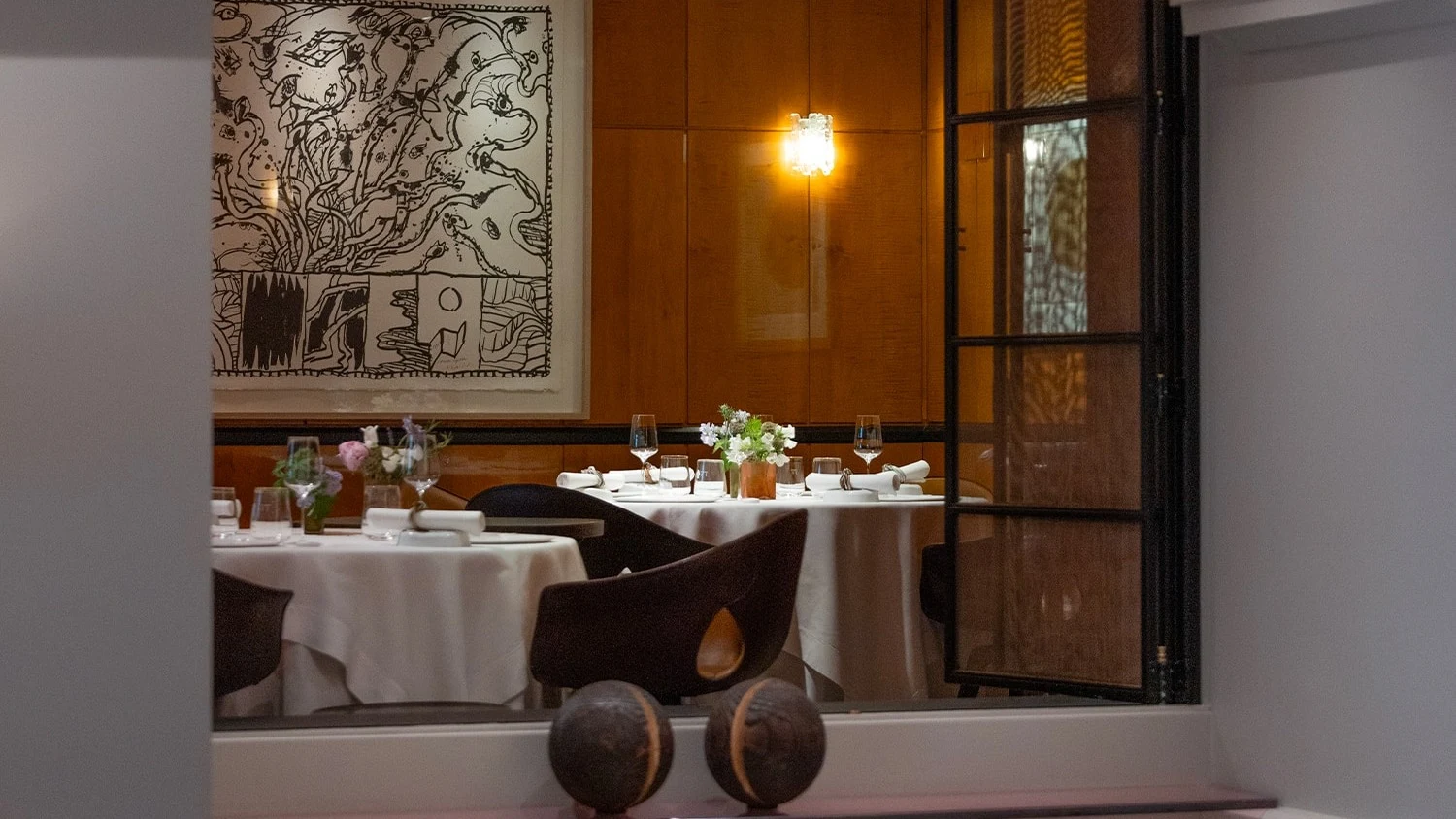
Amarante’s recognition rests in the clarity of its position: fatty food and offal, natural wine, and a dining room stripped of ornament in Paris. The restaurant’s strongest marker is the firmness of its style. Philippe cooks there as chef-proprietor, maintaining an approach that does not chase lightness or polish. In a city with many versions of refinement, Amarante keeps its faith with appetite, animal fat, and technique.
FAQ What does Christophe Philippe do now? Christophe Philippe is chef at Amarante — Bistro, Traditional Cuisine. What is Christophe Philippe known for? Fatty food and offal.


The Sunday letter
Get the next Made By profile in your inbox.
We send one email every Sunday morning with the people we profiled that week.
See a sample of the Sunday emailOne email a week. Unsubscribe from any issue.