Chef
Danile Boulud
- Discipline
- Chef
- Based in
- New York City, New York, United States

i. Biography
Born in Saint-Pierre-de-Chandieu, France, in 1955, Danile Boulud was shaped by a farm outside Lyon where seasonality, labor, and close reading of the land were part of daily life. That background is legible in the work: a style that has long balanced precision with abundance, and tradition with a disciplined sense of hospitality. It also set the terms for a career that moved from the French countryside into New York dining, where control, polish, and generosity became part of the signature.
Where They Are Now
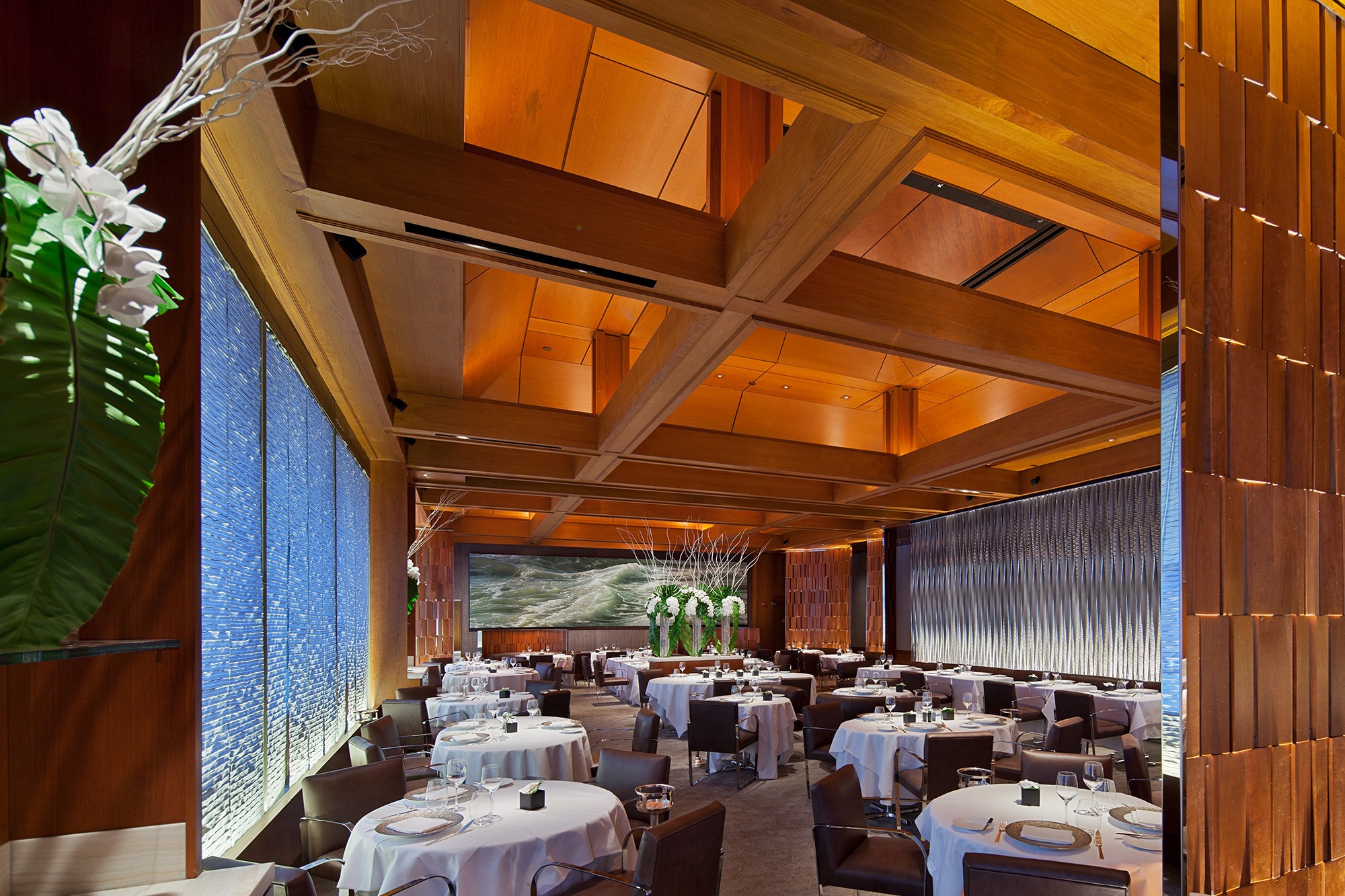
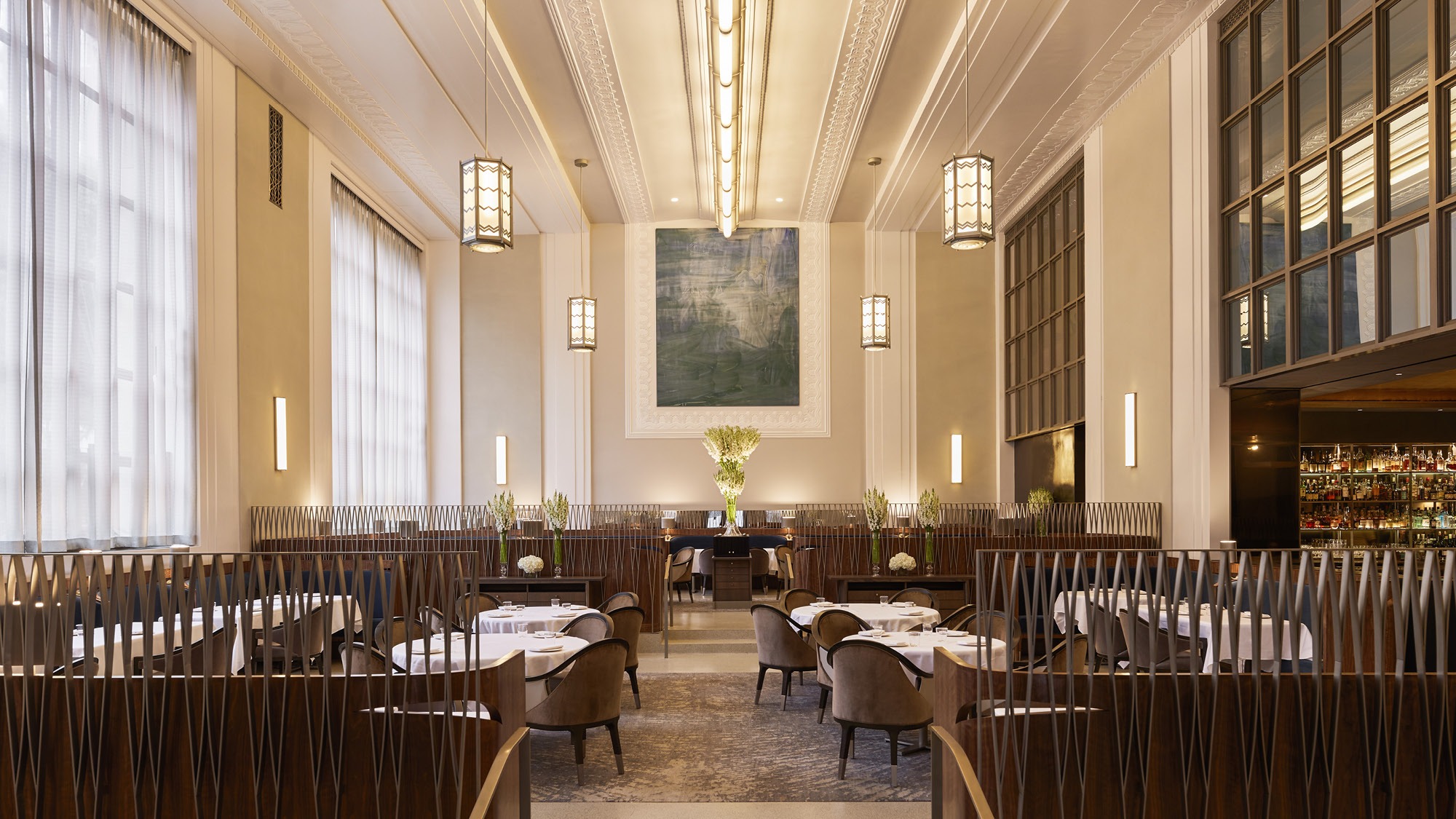
At Le Cirque in New York City, Danile Boulud served as executive chef until 1993, a role that placed him inside one of the city’s most closely watched dining rooms. The job required consistency, detail, and calm under pressure, and it helped establish the pace and discipline that would carry into later work. In 1993, he became chef/restaurateur of Daniel, and the restaurant has remained tied to his name ever since. The room reflects a composed approach to fine dining, with an emphasis on clarity, ease, and service that unfolds without friction. That range extends further through Epicerie Boulud, where Danile Boulud has been chef-owner since 2011. The name points to a different register of French food culture: provisions, prepared foods, and the everyday architecture of eating well. Across Daniel and Epicerie Boulud, the thread is consistency of standard rather than sameness of form. One setting is formal, the other more quotidian, but both rest on the same trade values: coherence, attention, and a clear sense of what diners return for.
Signature
Épicerie Boulud Galette sits squarely in the world Danile Boulud has built: refined, but not stiff; familiar, but clearly shaped by hand. It carries the logic of a classic executed with care, and it shows how his work can move from restaurant craft into something more everyday without losing definition. As a named signature, it reads as an example of how he translates appetite, memory, and technique into a single dish.
In Their Words “My idea was to create a wonderful program of boulangerie, charcuterie, fromagerie, and then salads, sandwiches, soups, having also, of course, viennoiseries in the morning, then pâtisseries and ice cream.” The list is a working blueprint, not a slogan: bread, cured meats, cheese, salads, sandwiches, soups, pastries, and ice cream arranged across the day. It describes a retail and dining program built on variety, sequence, and utility, with enough range to meet different hours and appetites. The emphasis is on breadth without drift, and on a French pantry logic that can be read straight through the menu. “I think that people are very happy.” It is a short measure of success, but a practical one. The line points to the standard that matters in service: whether guests leave satisfied, whether the room feels cared for, whether the offer lands as intended. For a chef/restaurateur, that kind of result is as useful as any other metric, because it turns craft into repeat use.
FAQ
Profile updated August 2026