i. Biography
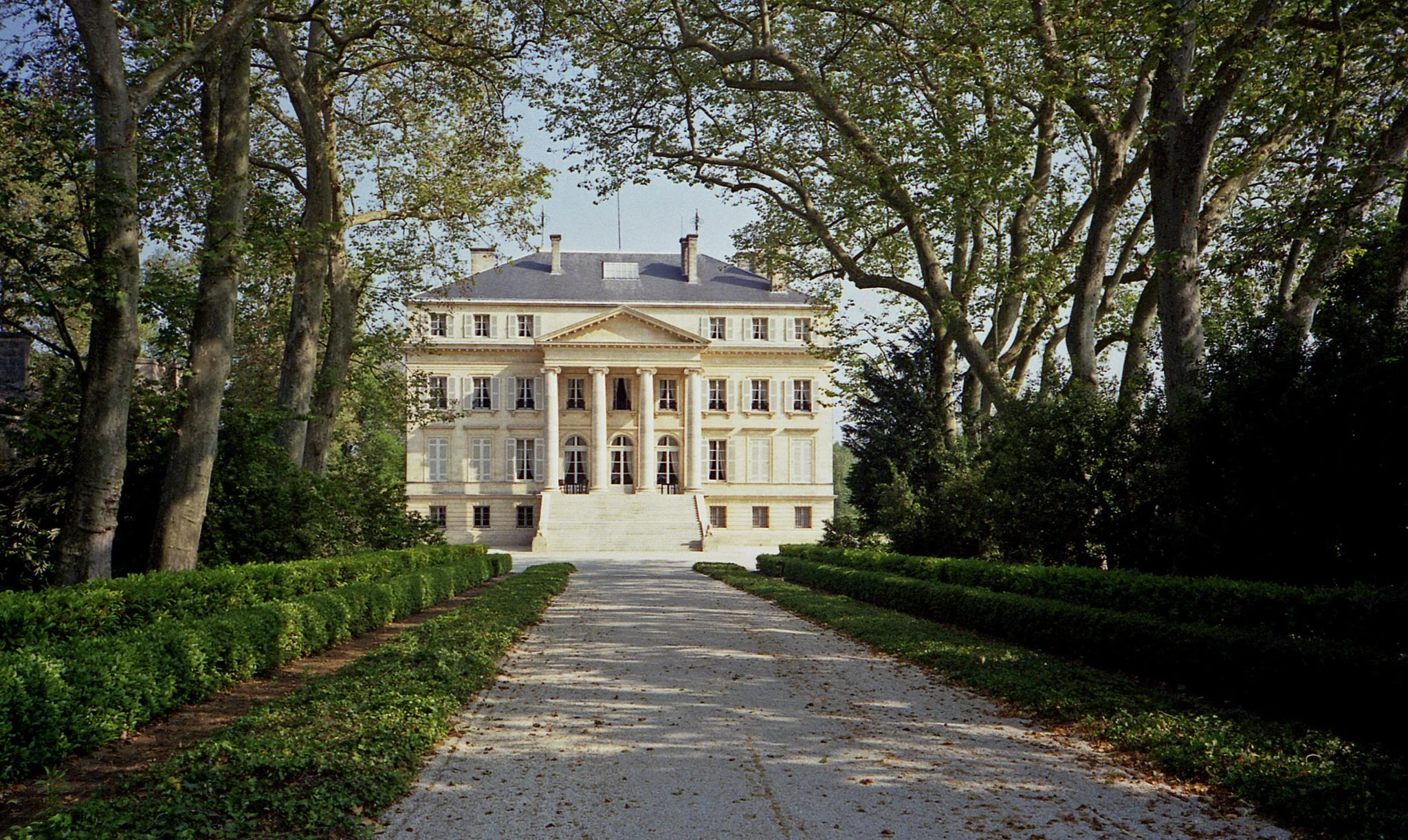
From that year onward, the work centered on the Margaux estate, and the handover set the terms for everything that followed. Denis Lurton’s path was not built through a chain of appointments, but through one property carried forward with care: a family estate managed to favor typicity, finesse, and elegance. The task has been twofold throughout—raising Château Desmirail’s profile while keeping the wine measured, composed, and faithful to the appellation. “Beautiful balance” is more than a phrase in this context. It names the discipline behind the work, where extraction cannot be allowed to push past restraint and each choice is judged by whether it preserves character. The result is an approach that reads as practice rather than proclamation, attentive to what the estate already knows how to express.
Today
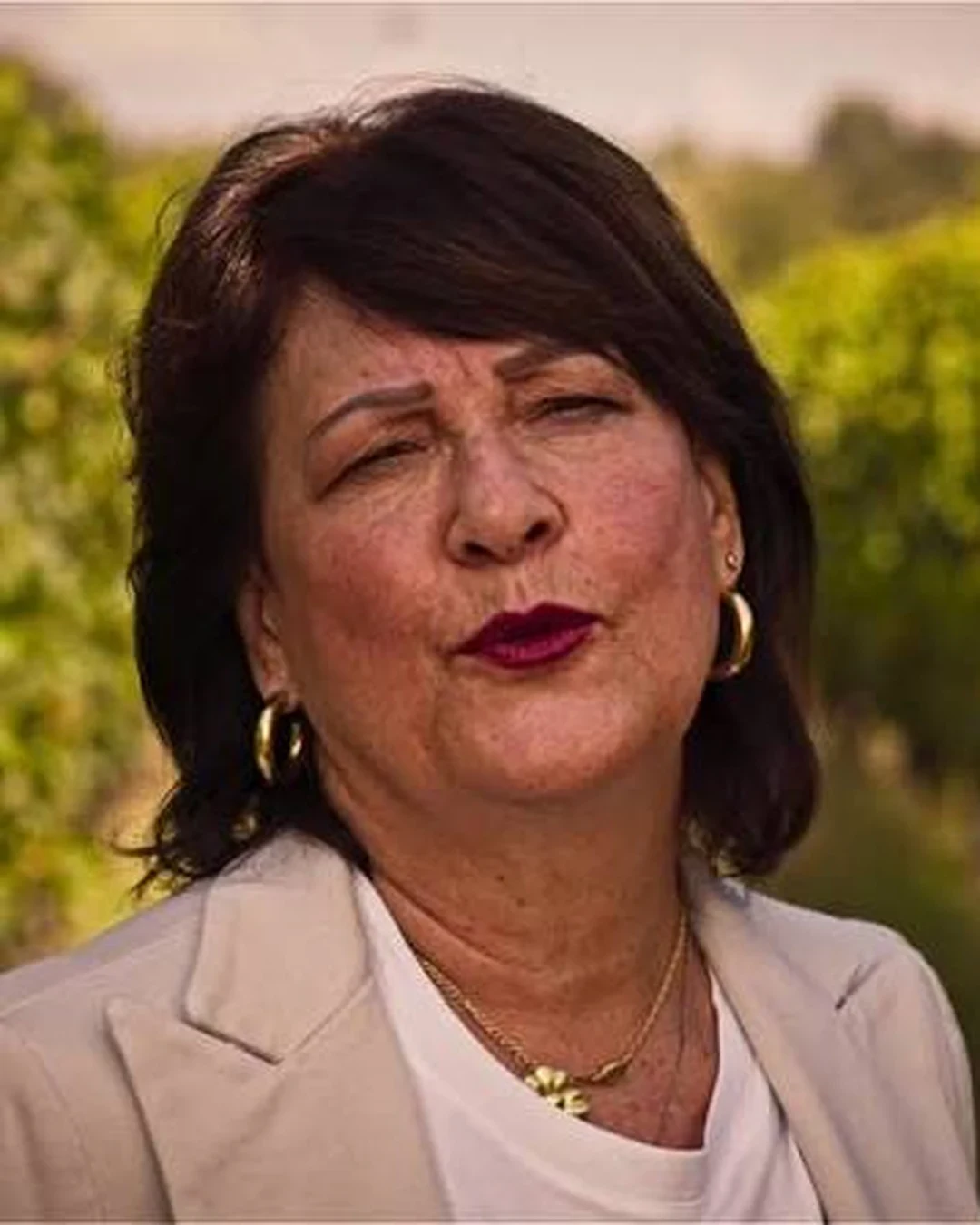
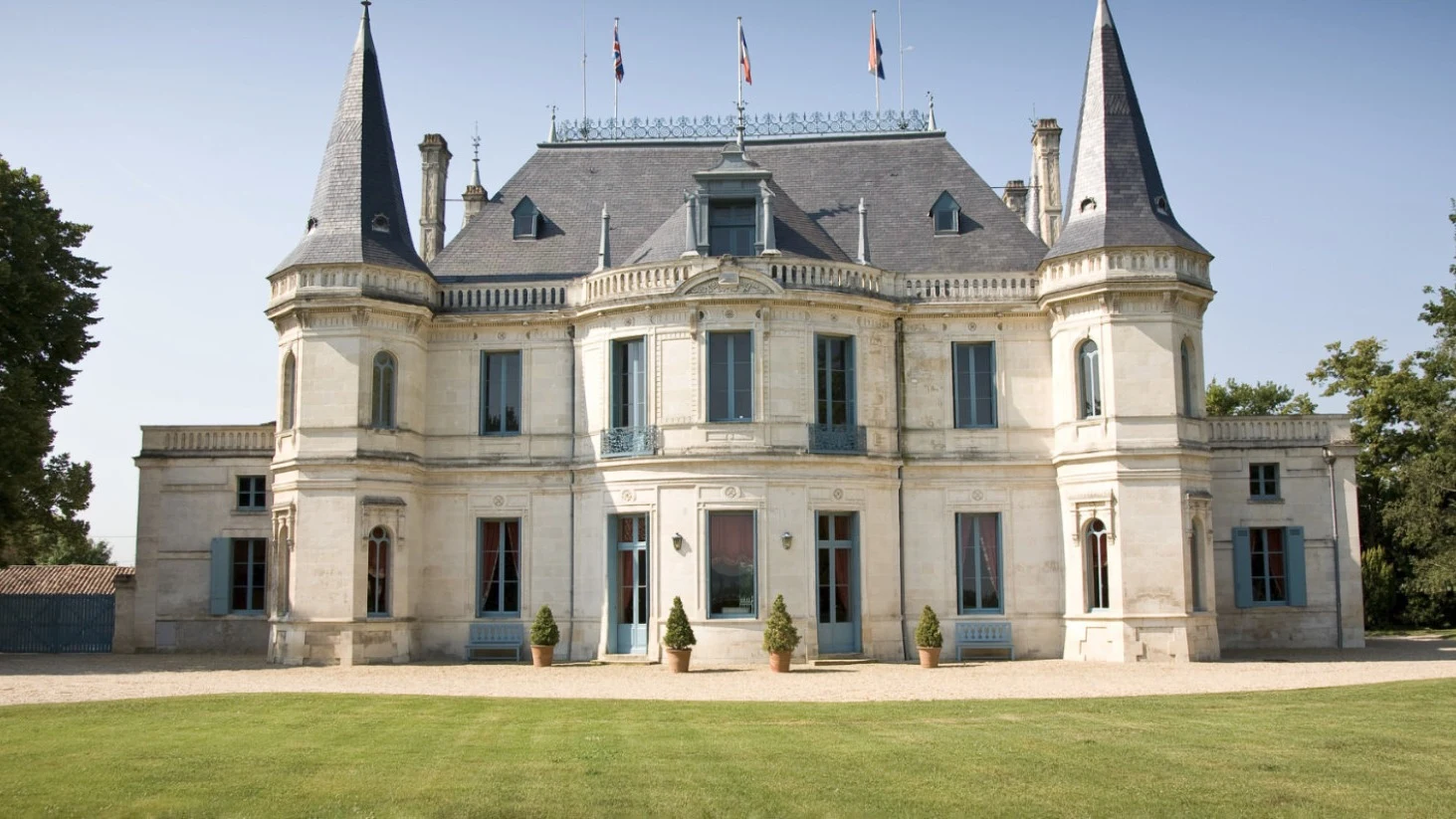
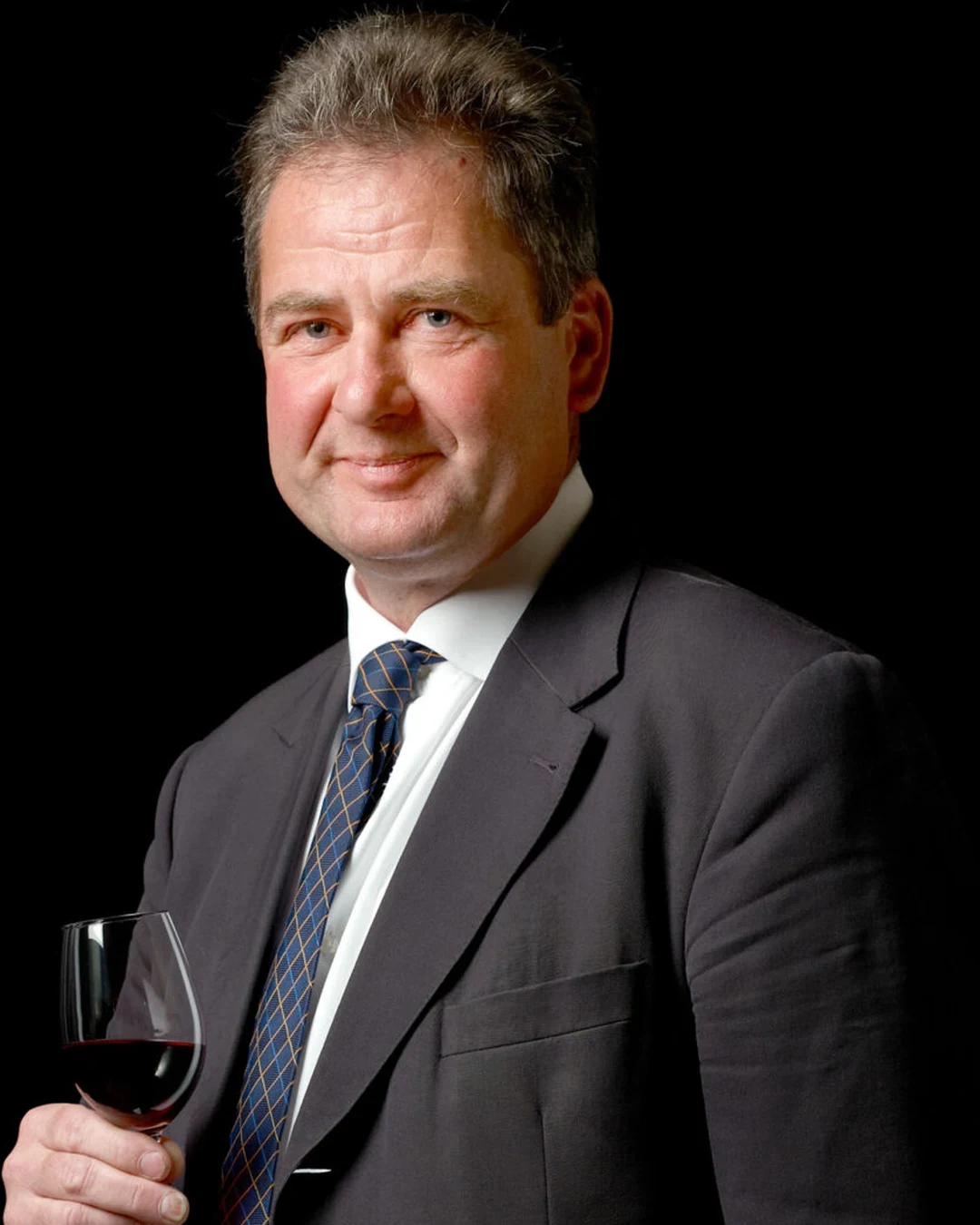
Denis Lurton is today the owner of Château Desmirail, a role he has held since 1992. That long tenure gives his stewardship a particular continuity: the kind that allows a property to be guided patiently, with the accumulated awareness that comes from living with its rhythm year after year.
Career - Owner — Château Desmirail, Margaux (1992–present)
Signature
Denis's signature wines include Château Desmirail. The name itself carries the weight of the estate, and the wines are presented as an extension of that identity rather than a departure from it—refined, deliberate, and anchored in the house style.
In Their Words “We did not extract too much; we sought a beautiful balance.” Taken together, these remarks sketch a practical method: first, the work of making the estate visible; then the equally exacting work of bringing the wines to market without compromising their character. The language is plain, but the priority is clear—visibility without excess.
Recognition
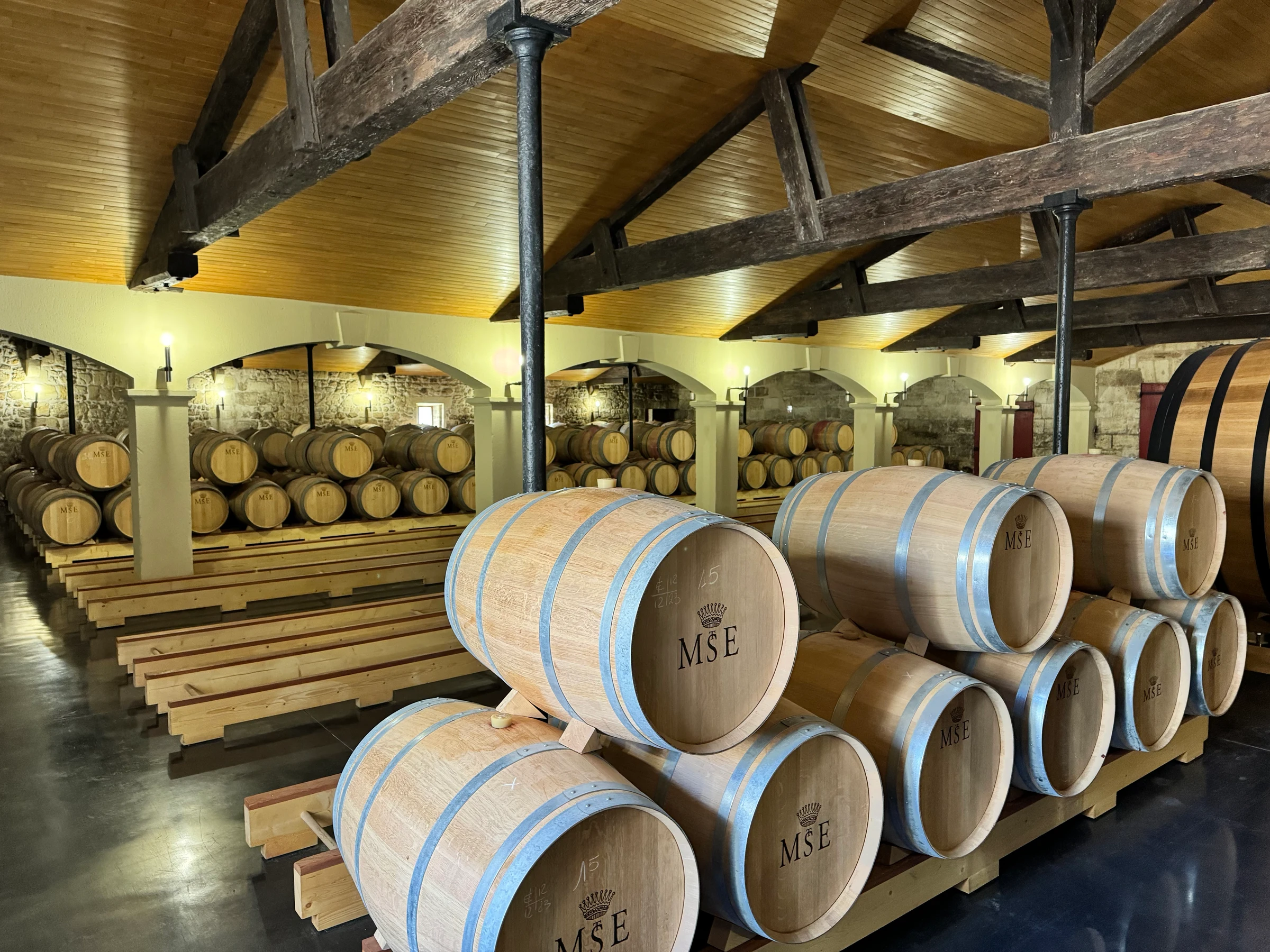
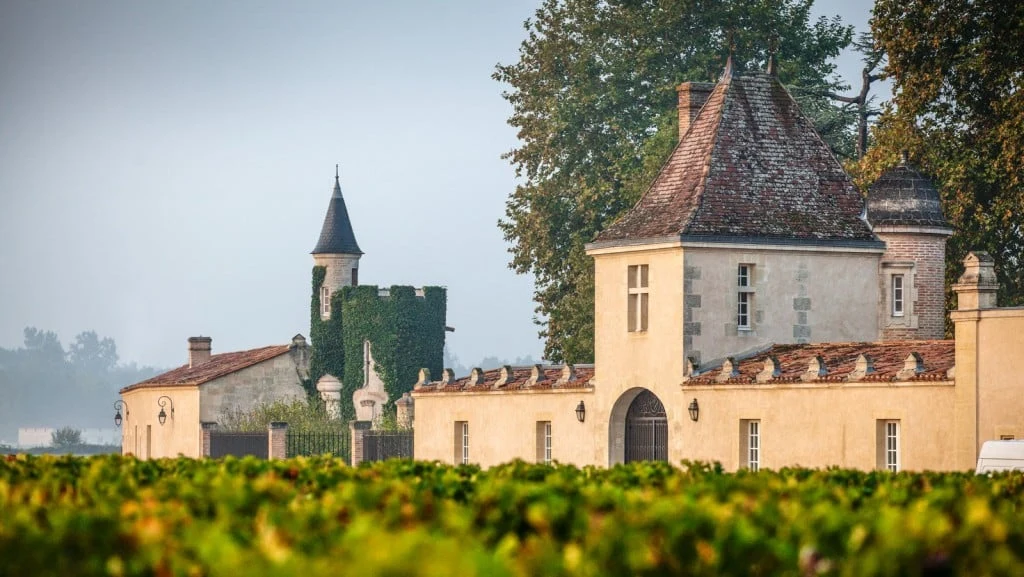
In 2018, Château Desmirail received HVE 3. For Lurton, that recognition aligns with the sustainable viticulture practiced at the estate and with the long ban on chemical weed killers and insecticides. It is a formal acknowledgment, yes, but also a reflection of habits already embedded in the life of the property. The honor gives a clear marker to choices that had long been part of the estate’s working identity. In a place known for wines characterized by finesse and elegance, environmental discipline and cellar discipline appear as related gestures: both rely on patience, limits, and close attention to what the grapes can carry without being forced. That coherence—between vineyard, cellar, and the broader idea of the estate—is what gives Denis Lurton’s stewardship its quiet authority.
FAQ What is Denis Lurton known for? Makes smooth, elegant wines in the classic Margaux style. What recognition has Denis Lurton received? HVE 3 (2018).