i. Biography
The Work Today
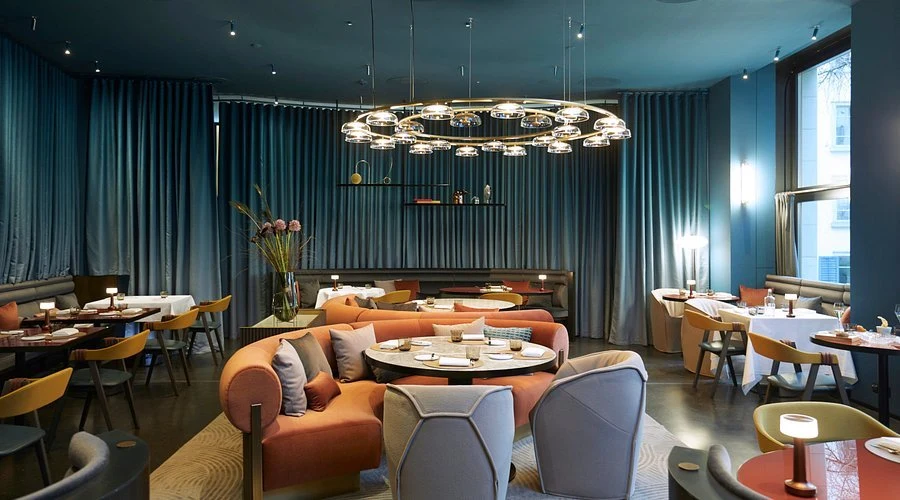
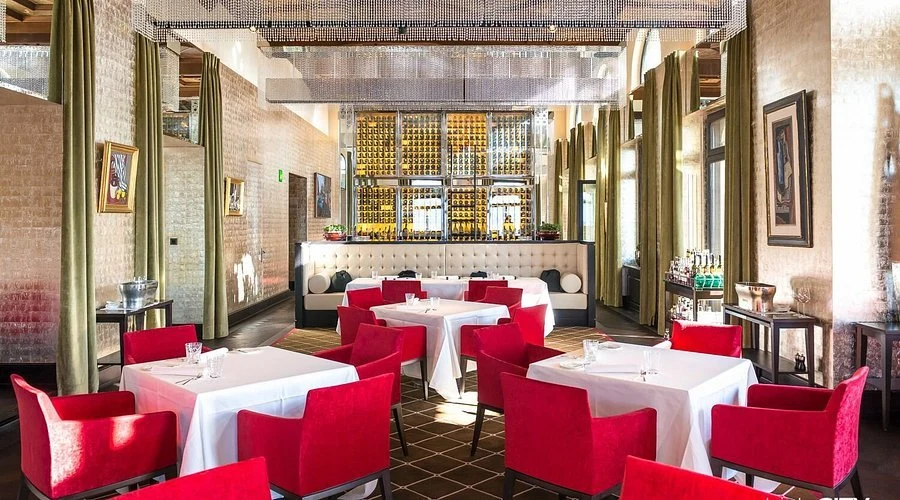
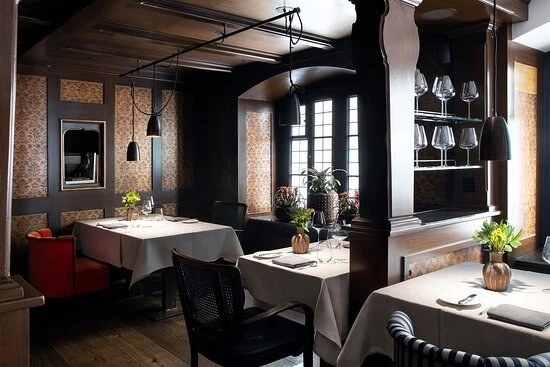
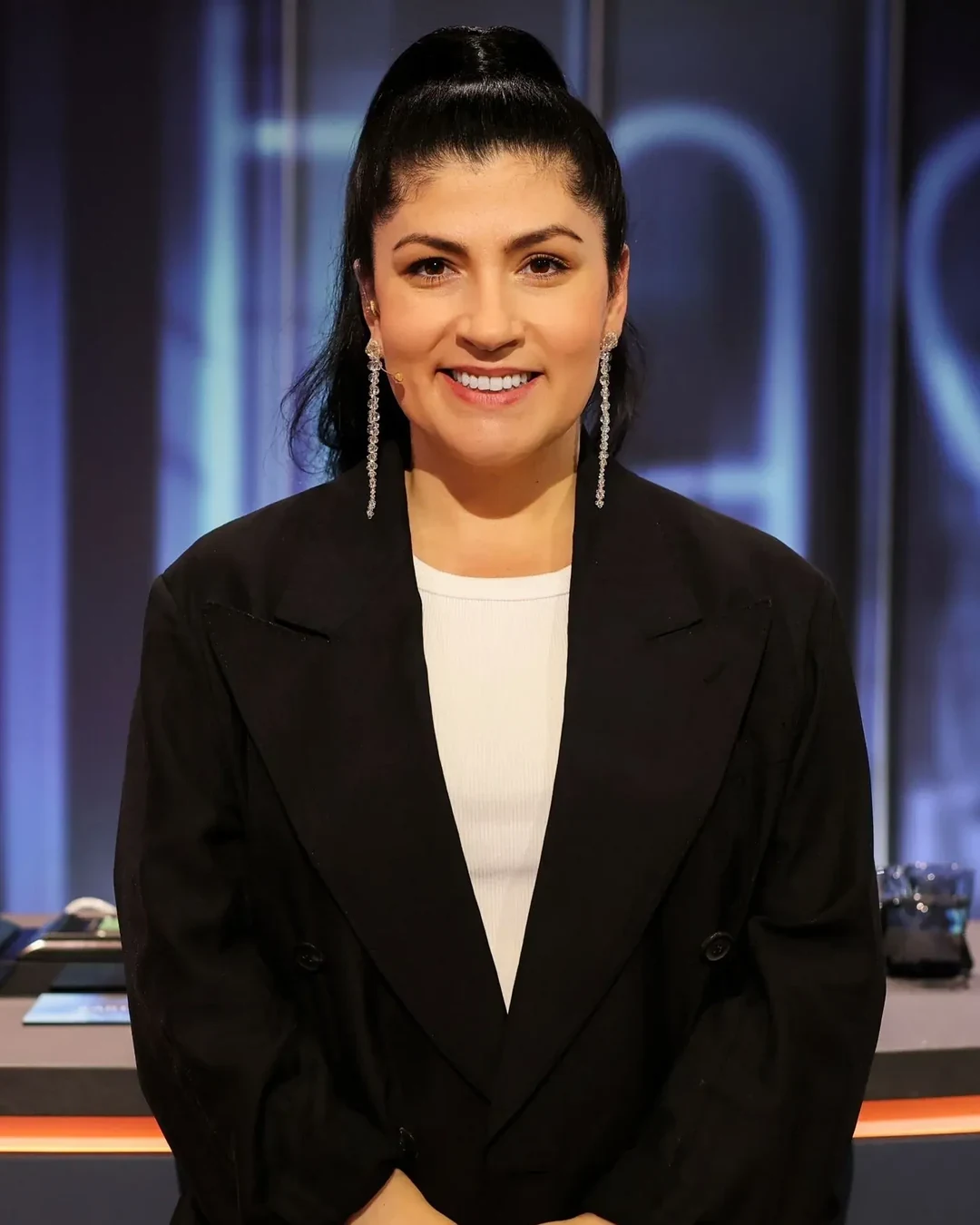
Craft at this level is built in rooms that demand repetition, speed, and accuracy. Elif Oskan trained at Romantik Seehotel Sonne, Küsnacht, where the basics were set in a setting defined by care and precision. The line of kitchens that followed — Mesa in Zurich, Rigiblick in Zurich, Restaurant Heimberg (now 1818) in Zermatt, and Grain de Sel in Dole, France — shows a practice formed across different service cadences, with each stop adding to her command of technique and her sense of direction. At Gül (since 2019), those experiences are organized into one role rather than scattered across several. As co-owner, host, and chef, Elif Oskan works across the room and the pass, shaping both the structure of the service and the food that comes off it. The position requires more than execution; it ties the kitchen to the atmosphere of the dining room, with the cooking, the welcome, and the operation all carrying the same point of view.
Career - Co-owner, host, and chef — Gül, Zurich (2019–present) - Chef — Mesa, Zurich - Chef — Rigiblick, Zurich - Chef — Restaurant Heimberg (now 1818), Zermatt - Chef — Grain de Sel, Dole, France Education: Romantik Seehotel Sonne, Küsnacht
Signature
Elif's signature dishes include Marküs Bayildi. A signature dish earns its place by holding tradition without becoming rigid. In Marküs Bayildi, Elif Oskan gives the name weight as a marker of both personality and memory, and the dish functions as a clear example of how she works within a familiar frame while still shaping something distinctly her own. It sits within her larger style as a reference point for how she handles flavor, structure, and recognition.
In Their Words “From savory kebabs to sweet treats like baklava, each dish tells its own story and is an expression of our hospitality and cultural identity.” “In my cuisine, this means that I present traditional recipes in a way that appeals to both history and contemporary tastes.” Those two lines point to a kitchen organized around hospitality as a craft, not a slogan. The range from savory kebabs to sweet treats like baklava shows a menu built to carry more than one register, while still speaking in the language of a shared table. Traditional recipes are not left untouched for their own sake; they are presented so they can meet contemporary tastes without losing the evidence of where they come from. That approach gives the work a clear function. The meal becomes a place where cultural identity is made legible through technique, pacing, and flavor, rather than through explanation alone. Elif Oskan’s cuisine holds memory and present-day service in the same frame, which is why the food reads as both practical and deliberate.
Acclaim
Her profile is shaped by a cooking style that expresses hospitality and cultural identity. That combination is what defines the regard around her work: a kitchen practice where hospitality is built into the method, not appended to it.
FAQ Where did Elif Oskan train or study? Elif Oskan trained at Romantik Seehotel Sonne, Küsnacht. What is Elif Oskan known for? Nouvelle CÜISINE.