Winemaker
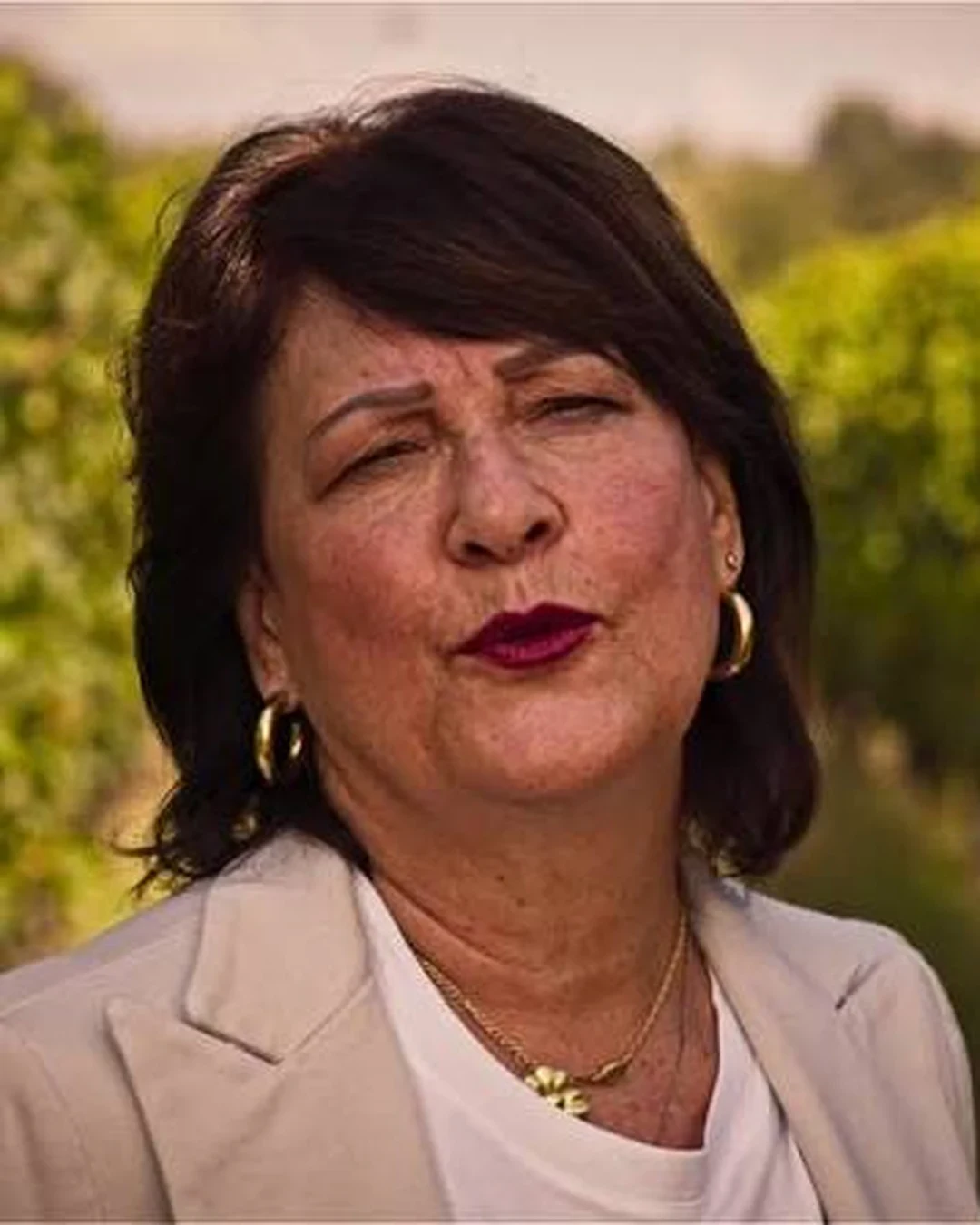
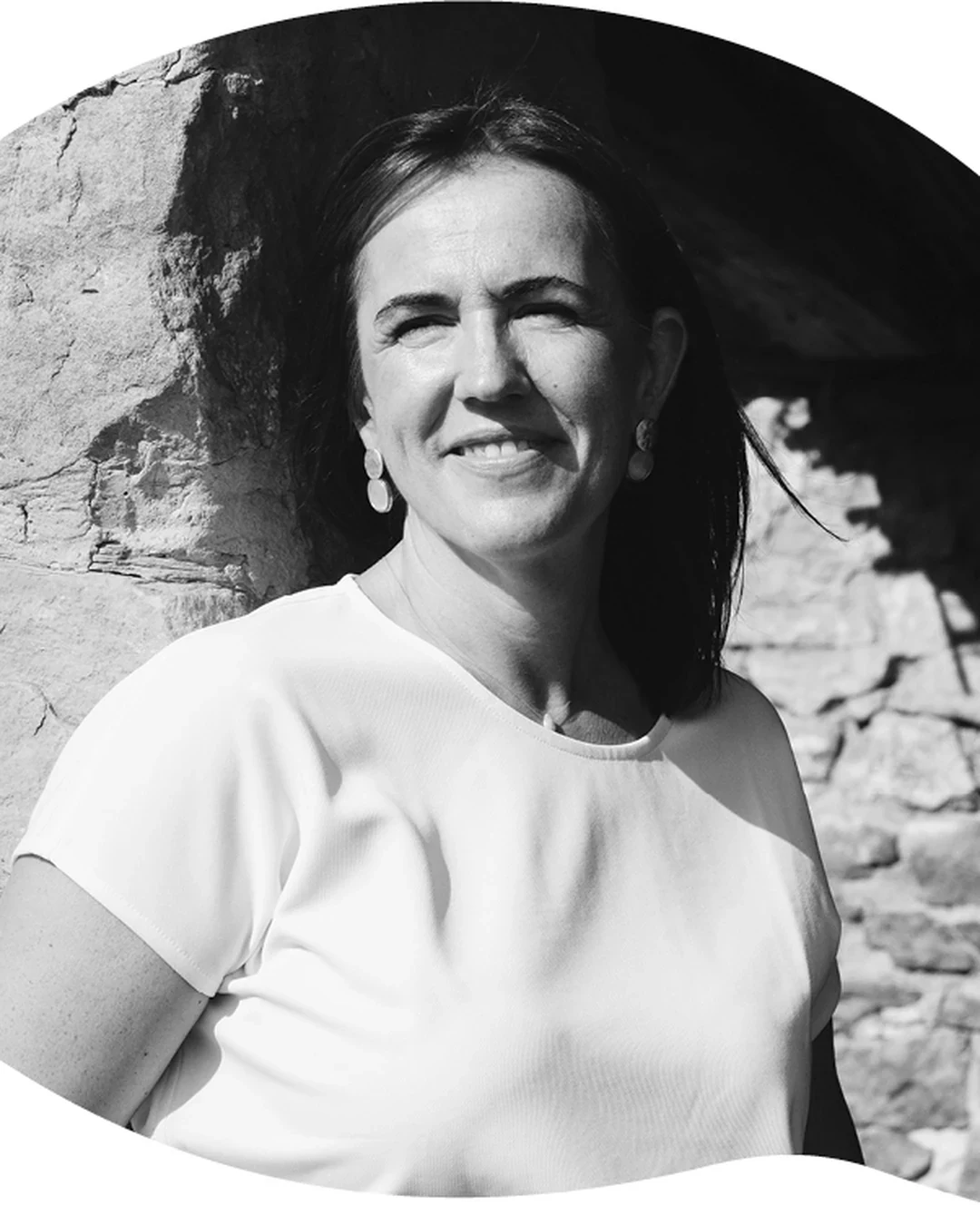
Elisabeth Egrot
- Discipline
- Winemaker
- Based in
- Aÿ, France
i. Biography
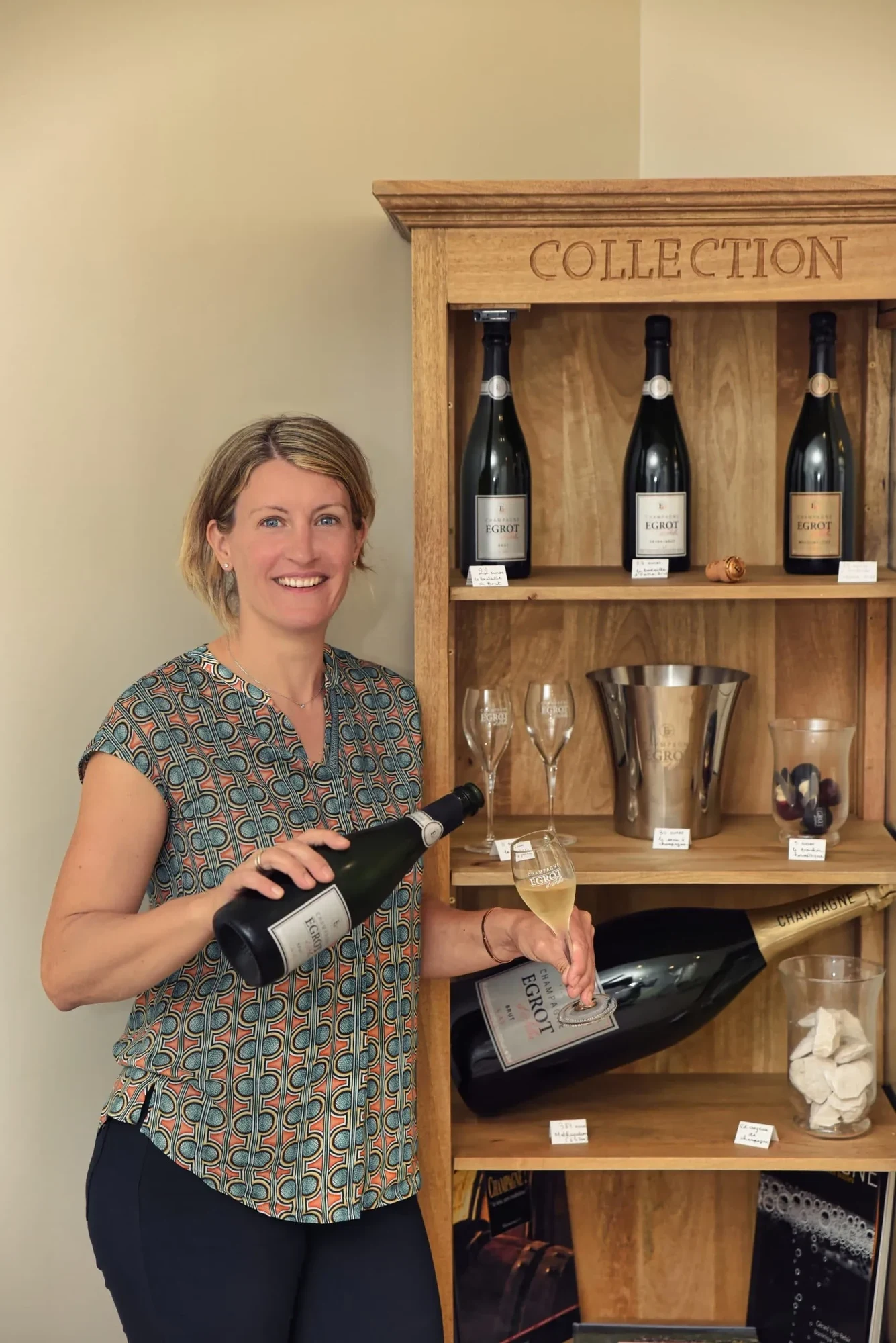
Winemaking at CHAMPAGNE EGROT et Filles is framed by continuity of site and house: one family winery in Ay, France, working through Champagne’s demands for timing, restraint, and repeatable cellar judgment. In Elisabeth Egrot’s case, the public record is concentrated rather than scattered: the work sits inside a family name, a Champagne village, Pinot Noir vineyards, and Aÿ Grand Cru-powered wines. The craft claim is narrow and legible—family, vineyard, and bottle held in close contact.
The Climb
Today, Elisabeth Egrot is winemaker of CHAMPAGNE EGROT et Filles. A Champagne career can be read through movement between houses; this one is read through depth inside a single address. The climb, in Elisabeth Egrot’s case, is not presented through a long list of posts, but through work inside CHAMPAGNE EGROT et Filles, where cellar rhythm and vineyard demand remain part of the same frame. In Ay, France, Champagne asks for precision across decisions that often leave only quiet evidence in the finished wine. Fruit character, cellar handling, and final expression are linked by sequence and timing. For Egrot, that work is tied to a family winery whose identity is carried in the bottle rather than in a broad institutional résumé.
Today
The current craft position is winemaker at the family winery in Ay, France, where Elisabeth Egrot’s public identity remains tied to family, vineyard, and Champagne production at one address. That frame is narrow and demanding. The wines are connected to Aÿ Grand Cru power, and the Pinot Noir vineyards noted in 2019 give the role an agricultural anchor, not just a cellar description. The useful reading is from ground to glass: vineyard as source, cellar as interpreter, finished Champagne as the meeting point of family name and regional identity. Aÿ Grand Cru carries weight in Champagne, and Pinot Noir gives the wines a thread of structure and presence. Egrot’s task, as winemaker, is to move that material through Champagne production while keeping the link to place visible. The scale is family-estate; the implications are exacting, because sparkling wine exposes decisions across the whole chain.
Career - Winemaker — CHAMPAGNE EGROT et Filles, Ay, France
Signature
Elisabeth's signature dishes include 2011 Ergot et Filles Millésime Brut, CHAMPAGNE EGROT et Filles, MILLÉSIME 2019, EXTRA-BRUT Millésime 2019, and CHAMPAGNE EGROT et Filles EXTRA-BRUT A AY Extra-Brut. The named signatures show the public vocabulary of the work: millésime, extra-brut, Aÿ, Champagne, and the family name. Each title returns to the same coordinates—vintage expression, regional identity, and CHAMPAGNE EGROT Et Filles. The EXTRA-BRUT references place attention on balance and clarity, while the 2019 names keep the wines tied to a defined vineyard and cellar moment.
Recognition
Falstaff rated the wine 92, giving a specific critical marker to a bottle carrying the Egrot family name. That rating links outside assessment to Champagne origin and family production in one cited point. In a profile built on focus rather than breadth, it gives the trade reader a clean reference: Elisabeth Egrot, CHAMPAGNE EGROT et Filles, Ay, France, and a family Champagne carrying a measured score from Falstaff.
FAQ What is Elisabeth Egrot's current role? As of 2026, Elisabeth Egrot is Winemaker at CHAMPAGNE EGROT Et Filles. What is Elisabeth Egrot known for? Aÿ Grand Cru-powered wines of Egrot.
Explore
In the same rooms

Similar Winemakers