- Falstaff Winery - Listed · 2026
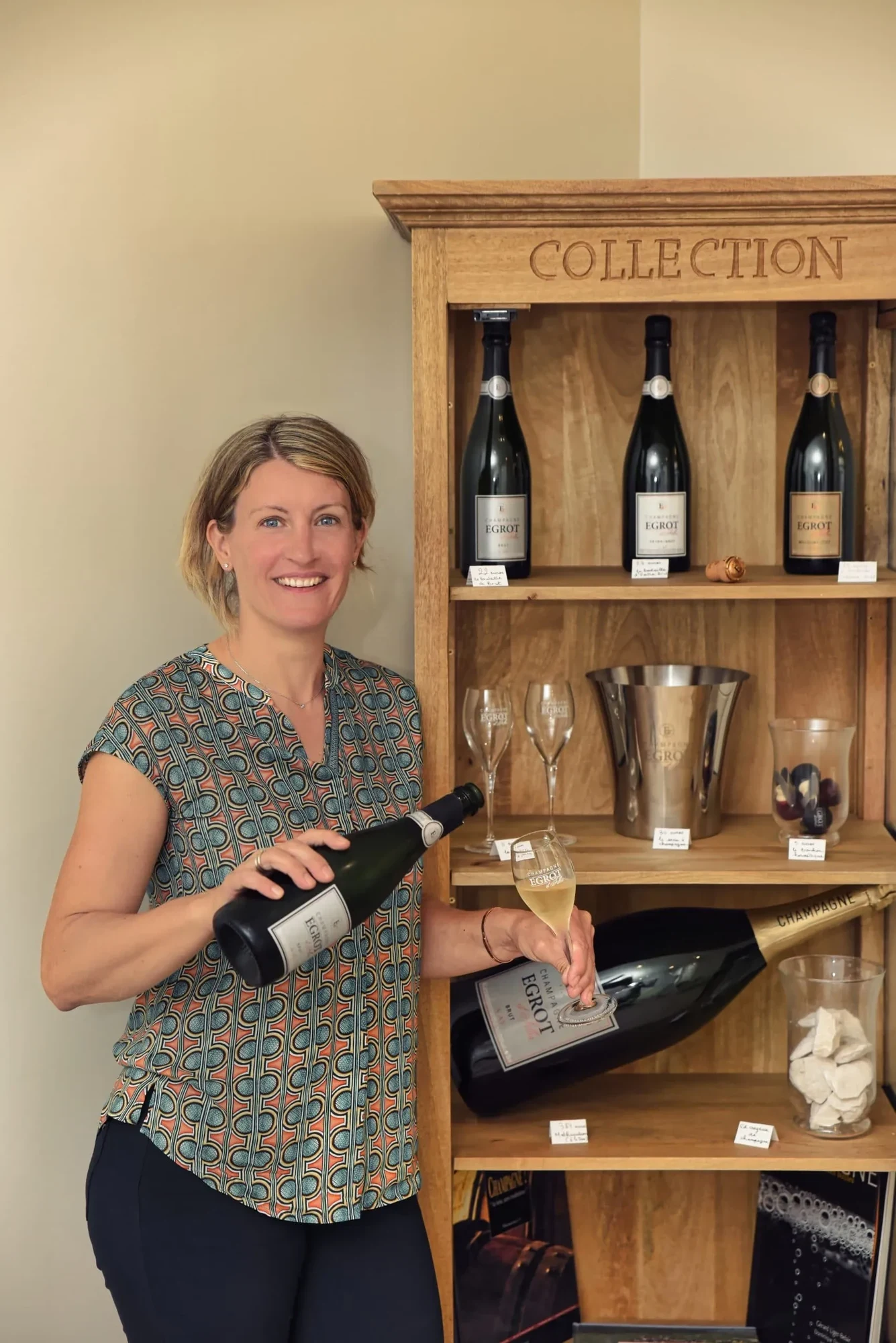
The first cue in Aÿ is chalk: not as romance, but as part of the Champagne experience. Champagne Egrot et Filles is a small, family-run Champagne house where the visit centers on historic chalk cellars, a warm personal tour style and a relaxed tasting atmosphere. The tone is modest rather than grand, and that matters: the place is presented less as a polished showpiece than as a close-range encounter with the setting in which Champagne is explained, tasted and understood.
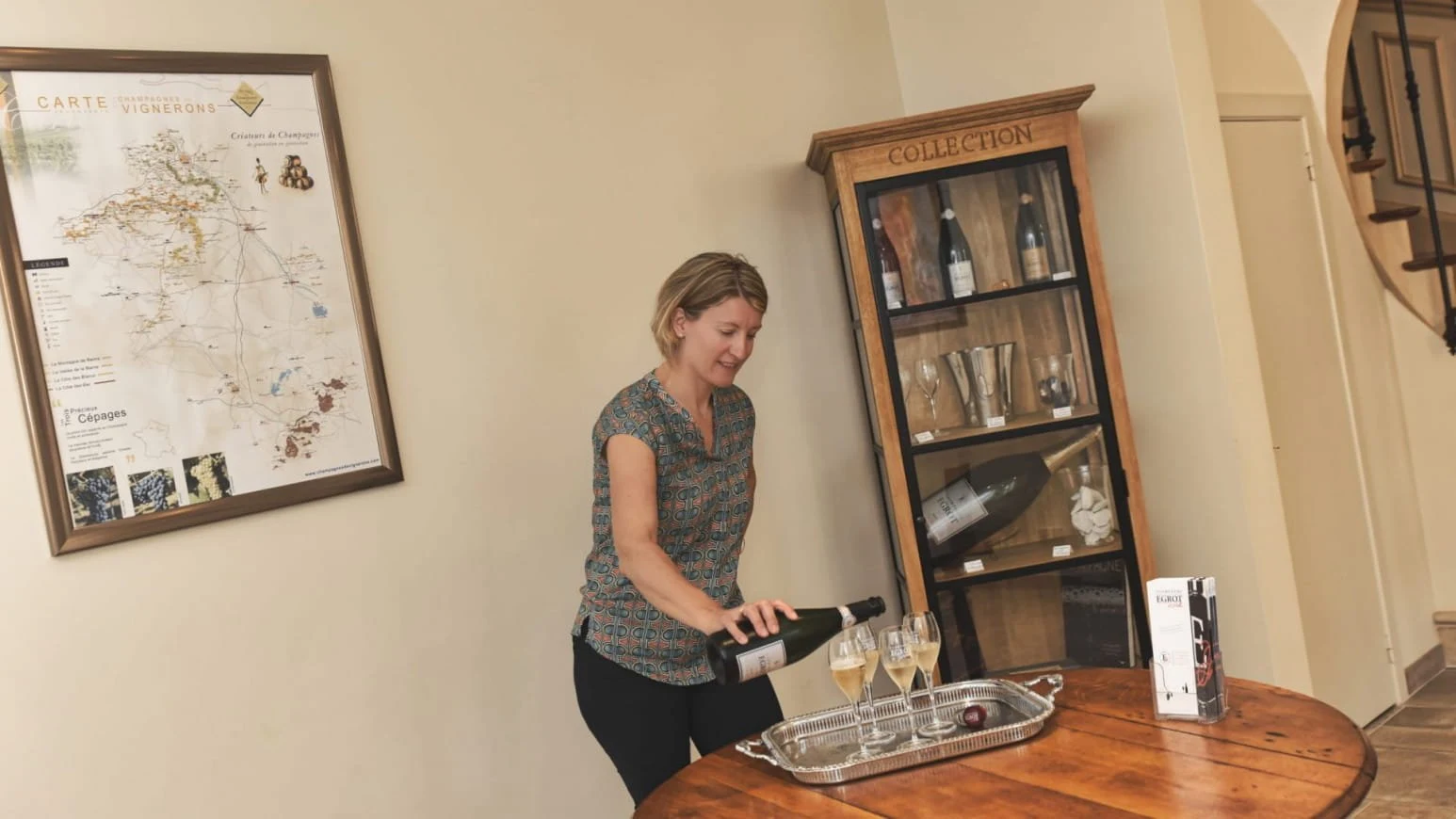
For travellers trying to understand Champagne at a human scale, the appeal is the intimacy of the setting. Rather than presenting the region through a large visitor circuit, Champagne Egrot et Filles offers a cozy, classic and rustic way to connect the cellar environment with the basics of Champagne production. The experience works because it keeps the focus tight. Visitors are not being asked to take in a broad catalogue of claims or distractions; they are being invited to slow down, look at the chalk-cellar context, and let the house’s family-run character shape the visit.
Chalk cellars make the production lesson concrete
The house’s strongest argument is its educational focus. The experience is built around historic chalk cellars and a personal explanation of production, making the visit useful for guests who want context rather than spectacle. Chalk is not just a backdrop here; it is the physical setting that helps make the production lesson feel concrete. For travellers who may have heard Champagne discussed in abstract terms, the cellar setting gives the conversation a more tangible frame.
The atmosphere is convivial and relaxed. This is the kind of stop that suits travellers who prefer a small, family-run setting, where the cellar visit and tasting feel close, direct and easy to follow. The relaxed character is central to the appeal: it suggests a visit in which questions, explanation and tasting can sit naturally together, without the pressure of a highly staged experience. In that sense, the educational value is tied closely to the scale of the house.
Confirmed draw is the warm, family-run character, the chalk-cellar setting and the educational approach. Those three elements reinforce one another. The family-run scale gives the visit its personal tone; the chalk cellars give it a strong sense of place; and the production explanation gives the stop a clear purpose beyond simply tasting Champagne. For travellers building a day around understanding the region, that combination is the main reason to include it.
A small Champagne-house experience in Aÿ
Specific grape varieties, cuvées and vineyard details are not confirmed in the data. What can be said safely is that Champagne Egrot et Filles presents Champagne production in Aÿ through a small, intimate house experience. The emphasis is on the visit as a whole: the cellar, the explanation, the tasting atmosphere and the sense of a house operating at a human scale.
That makes it a useful stop for travellers who want a quieter counterpoint to more polished Champagne itineraries. The value lies in the scale: cozy, personal, hidden-gem in feeling, and focused on helping visitors understand the Champagne-house experience. It is the kind of venue that can round out a Champagne route by offering a different rhythm, one that is more about proximity and conversation than breadth or performance.
For wider context in Aÿ, consider other local dining and itinerary options generically when planning the day, while keeping Champagne Egrot et Filles as the Champagne-house stop in the itinerary. Its role is clearest when treated as a focused visit rather than as an all-purpose hospitality stop. Built into a broader day, it can give the itinerary a grounded cellar component, especially for travellers who want the Champagne landscape to feel personal as well as regional.
A focused stop for travellers who prefer intimacy to theatre
Champagne Egrot et Filles is best understood as an intimate Champagne-house visit in Aÿ. The price is $20 per person, and the experience is described as warm, personal, educational and relaxed. Those descriptors are important because they set expectations accurately. This is not framed as a dramatic, high-production visit; it is framed as a small-scale encounter where the main pleasures are clarity, setting and tone.
The experience is not presented here as a restaurant, bar or full hospitality venue. Its confirmed strengths are the historic chalk cellars, the family-run scale and the convivial tasting atmosphere. That narrower identity is part of the usefulness of the stop. Travellers know what to come for: the cellar context, a direct explanation of production and a tasting environment that feels approachable rather than formal.
Travellers looking for a grounded Champagne stop in Aÿ should come for the cellar context and the personal tone rather than for extras. On the confirmed facts, Champagne Egrot et Filles is a small, classic and rustic-feeling house with a clear educational focus. It is well suited to visitors who value intimacy over theatre, and who want their understanding of Champagne to be shaped by a modest house, a chalk-cellar setting and a relaxed tasting that keeps the experience close to the essentials.
Questions
Frequently asked
Who works at Champagne Egrot et Filles?
Made By profiles Elisabeth Egrot (Winemaker) and Jean-Marie Egrot (Winemaker) at Champagne Egrot et Filles.
How expensive is Champagne Egrot et Filles?
Champagne Egrot et Filles is listed at a price level of $$.
The field
How it compares
| Place | Notes | Awards |
|---|---|---|
| Champagne Egrot et Filles | Aÿ-Champagne, $$ | · |
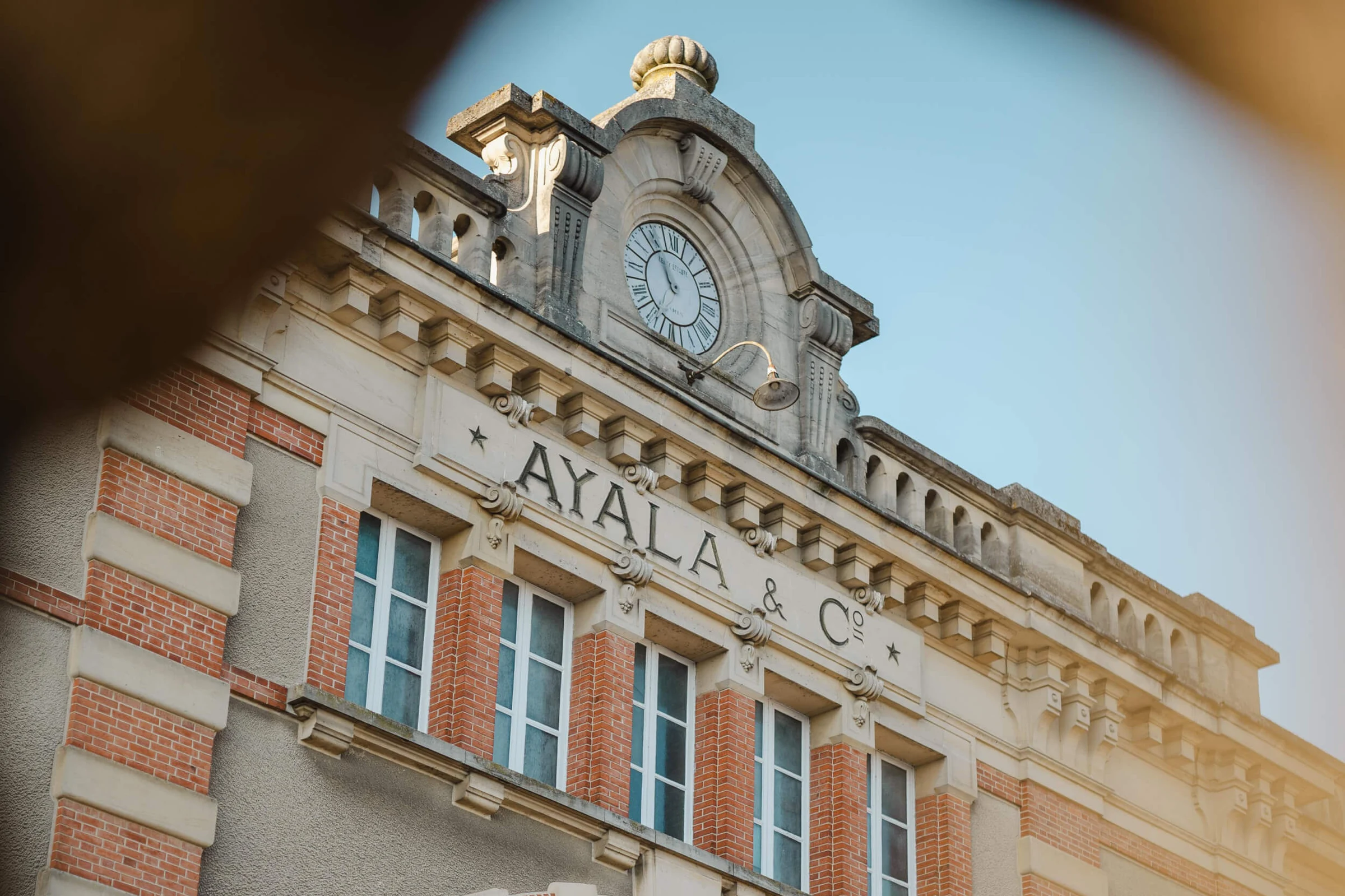
| Ayala | Aÿ | · |
| Billecart-Salmon | Aÿ | World's 50 Best |
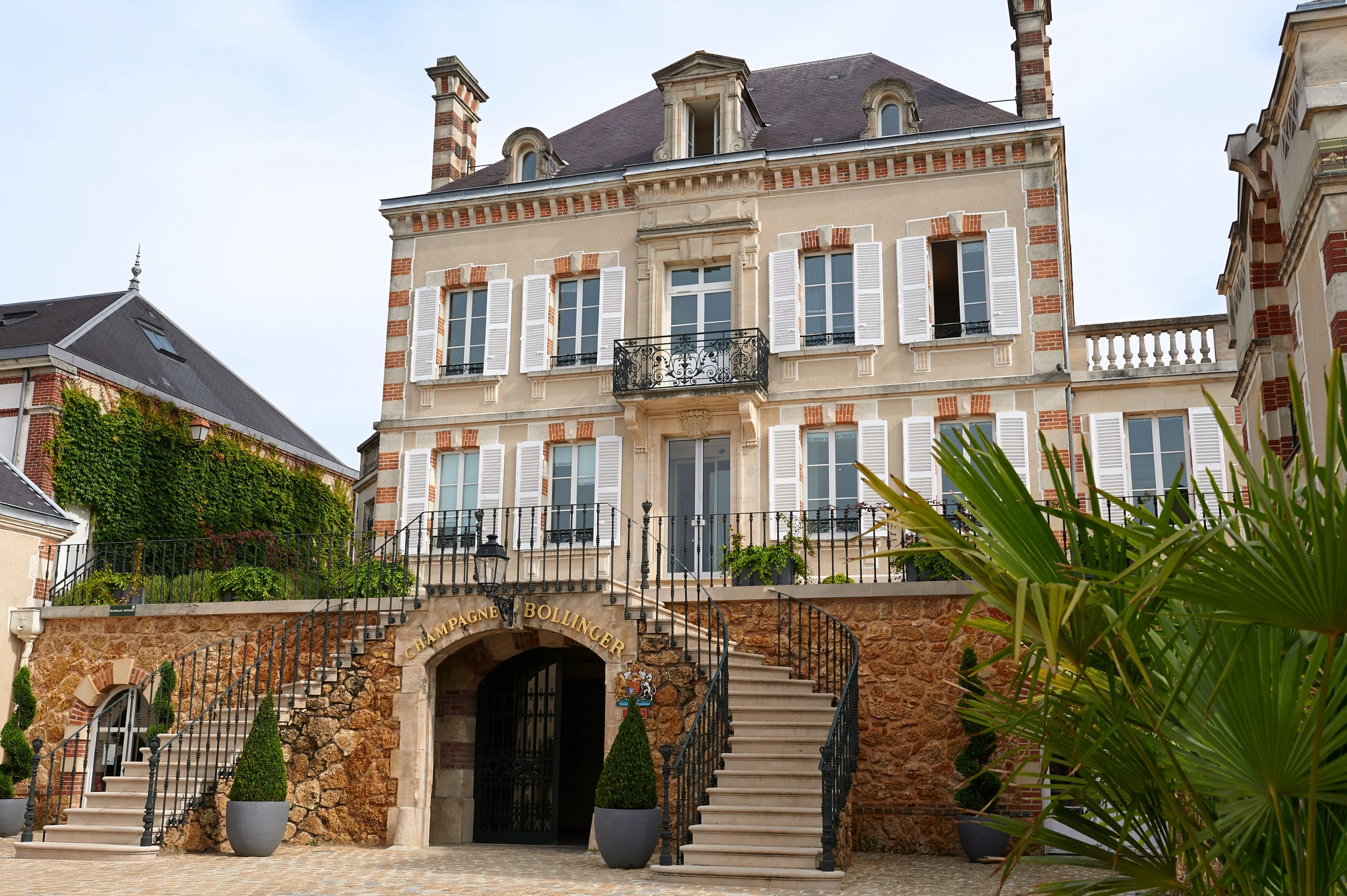
| Bollinger | Aÿ | World's 50 Best |
| Deutz | Aÿ | · |
| Lallier | Aÿ | · |
| Philipponnat | Aÿ | World's 50 Best |