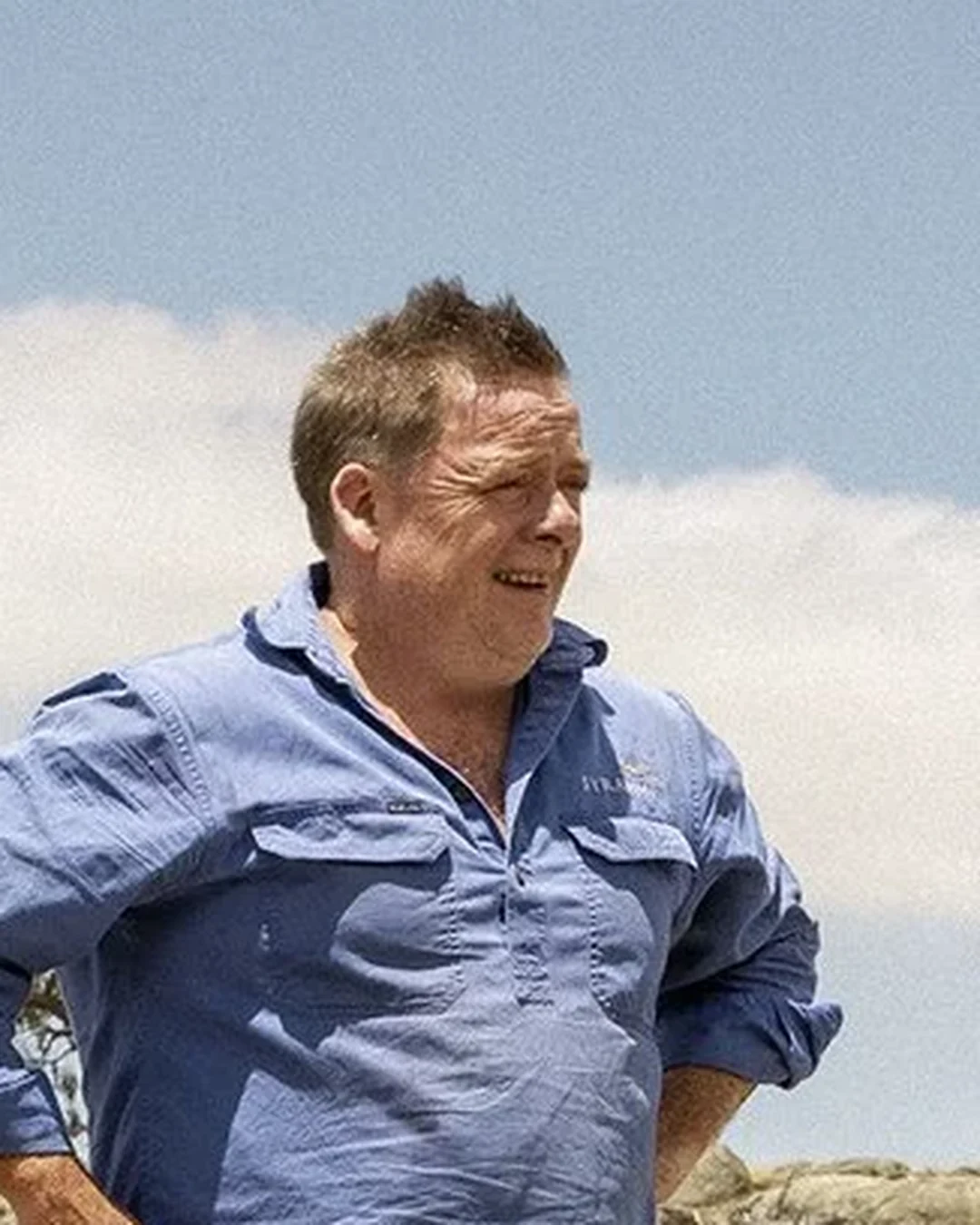
i. Biography
Filippo Chia comes into view not as a name attached to a string of far-flung posts, but as someone formed by a place and by the slow, communal intelligence of wine country. His story runs through Sangiovese, mountain terroir, and a local culture of exchange he has described with unusual warmth: “Everything was really spontaneous. These guys would sit around the tables at the local _fiaschetteria_, trading cuttings and secrets.” The image is vivid because it is exact: not a grand theory of winemaking, but a living network of tables, conversation, and shared material, where knowledge is passed hand to hand.
The Path
The title suggests both responsibility and continuity, a stewardship that extends beyond the cellar and into the broader identity of the estate. At Castello Romitorio, the work is not simply about making wine; it is about maintaining a point of view, one that connects the present to the accumulated discipline of the place.
The Work Today
Today, Chia’s focus centers on Brunello di Montalcino, the specialty most closely tied to the estate’s Sangiovese and mountain terroir. The wines are described as rich in minerality and purity of fruit, with elegance and refinement rather than force alone. That balance gives the wines their particular register: lifted, precise, and grounded in the landscape that shaped them. In the cellar, the house uses a delicate combination of large barrels and French oak for long, patient aging. Nothing here feels rushed or overdrawn; instead, the wines are given time to gather structure, absorb nuance, and arrive with clarity. The result is a sequence of bottles that read like variations on a single theme, each one attentive to the same underlying source. The core bottles make the lineage legible. Brunello di Montalcino Riserva, Brunello di Montalcino, and Rosso di Montalcino are among the estate wines that embody its Sangiovese and mountain terroir. Romito del Romitorio has a special place in the family of wines, named as the first wine bottled by the estate, a marker of origin as well as identity.
Career - owner and head winemaker — Castello Romitorio, Montalcino, Tuscany, Italy
Signature
Filippo's signature wines include Brunello di Montalcino Riserva, Brunello di Montalcino, Rosso di Montalcino, and Romito del Romitorio. Together they sketch an approach that is both disciplined and deeply rooted, with each bottle carrying the estate’s particular sense of place.
In Their Words “Everything was really spontaneous. These guys would sit around the tables at the local _fiaschetteria_, trading cuttings and secrets.” “The philosophy was different and so were the goals: they looked for color, structure, and alcohol.”
Acclaim
The recognition around Chia is best read through the specificity of the wines: Brunello, Riserva, Rosso, and the historical first bottling that gives Romito del Romitorio its place in the chronology. Together they trace a producer’s attention to Montalcino not as a broad appellation label, but as a set of vineyard decisions, cellar vessels, and inherited conversations. For a reader following Tuscan wine through people rather than labels alone, Chia’s importance lies in continuity: he carries forward an estate story through Castello Romitorio. The work is rooted in one place, and its language is the language of Brunello di Montalcino.
FAQ What is Filippo Chia known for? Brunello di Montalcino.