i. Biography
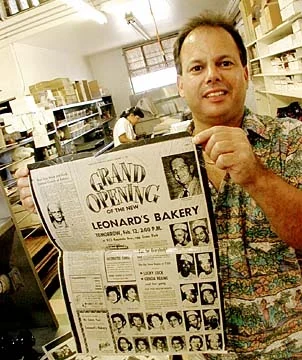
“The bakers all thought, ‘This will be too ethnic. No one will go for this.’”
The Idea
Inheritance, in this case, is not decoration around the product; it is the working brief. In Frank Rego’s idea, the name carried family memory into a bakery format, with the recipe asked to do what familiar sweets often do best: give customers a reason to return to the same counter for the same eating experience. Specificity became the advantage. What cautious bakers read as “too ethnic” was also the malassada’s point of difference: warm dough, sugar, fragrance, and immediacy. The product did not require explanation at the case. It worked through the direct language of fried dough served fresh, finished sweet, and eaten while heat and aroma were still part of the structure.
The Execution
The signature work is Leonard’s malassada, described as a sugary, well-browned, somewhat oily, fragrant dough ball that became a cultural icon. Its first signals are technical and sensory: color from frying, sugar on the surface, retained heat in the dough, and aroma strong enough to make the wait part of the sale. The technique depends on balance. The malasada has to be light enough to avoid heaviness, substantial enough to hold a filling, and sugared at the right moment so the coating adheres without clumping. That finish is not cosmetic. Applied too early or too late, the sugar changes the eating quality; handled correctly, it becomes part of the dough’s appeal rather than loose sweetness on top. Filled versions rely on the same discipline. The dough must stay tender without becoming fragile, generous without turning dense. A filled malasada still has to read first as a malasada: rounded, warm, scented, and sugared, with enough body to carry richness while keeping the immediacy of the original. The restraint is in the proportion. Browning, interior lightness, oil, heat, and sugar all have to meet without one element taking over. The result is celebratory food with no need for ceremony: direct, familiar, and legible even to a first-time customer.
On the Record
The record here is a family bakery product becoming a public ritual. In Frank Rego’s case, the early concern that the form and flavor might be “too ethnic” now reads as a useful trade lesson: a food tradition does not have to be diluted to travel. It can become durable because it remains particular.
Signature
Frank's signature dishes include malassada, malasadas, pao doce, malasada puffs, and pao doce pups.
In Their Words “From what I understand, it was a hit from the very first.”
FAQ What is Frank Rego's current role? Frank Rego is President & Owner. What is Frank Rego known for? Portuguese bakery cuisine at Leonard's Bakery.