i. Biography
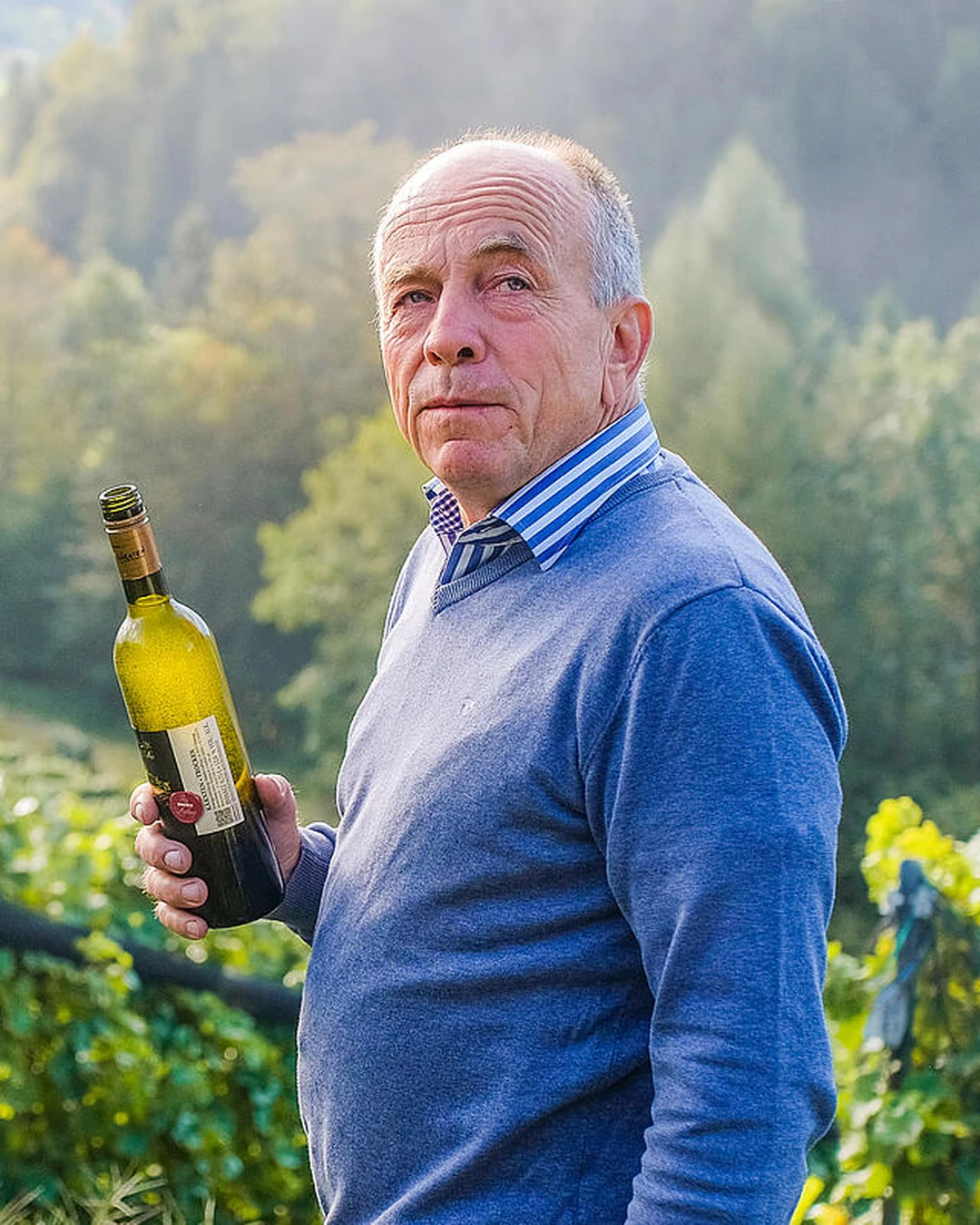
At Burg Glanegg, small-scale Carinthian wine is built around a direct relationship between site, family labor, and the medieval structure that gives the bottles their name. Franz Laßnig entered the craft after the age of 50, built his own winery there, and brought the family vineyard to its first harvest in 2012. The work is local in the plain sense: vines at the foot of the castle, wine made in Glanegg, and a holding measured at about two hectares.
Early Years
A late start changes the terms of a wine estate. After the age of 50, Laßnig built his own winery at Burg Glanegg, choosing a compact Carinthian site rather than an inherited empire or a sprawling estate. The medieval structure provides the name and setting, but the practical commitment is to the slope, the village, and the family work needed to bring vines into production. Family-scale viticulture depends on proximity. At the foot of the castle, the producer is tied to a small Carinthian site rather than to a large estate or far-flung region. The vineyard sits close to the landmark above it, with the work organized by rows, seasons, weather, and hands-on attention. A first harvest is the point where a vineyard project becomes wine. For the Laßnig family winery, that came in 2012, with grapes from a compact holding of about two hectares. From that year, Burg Glanegg was no longer only the site and name; it became a source of bottled wine shaped by the decisions of the family working it.
Making a Name
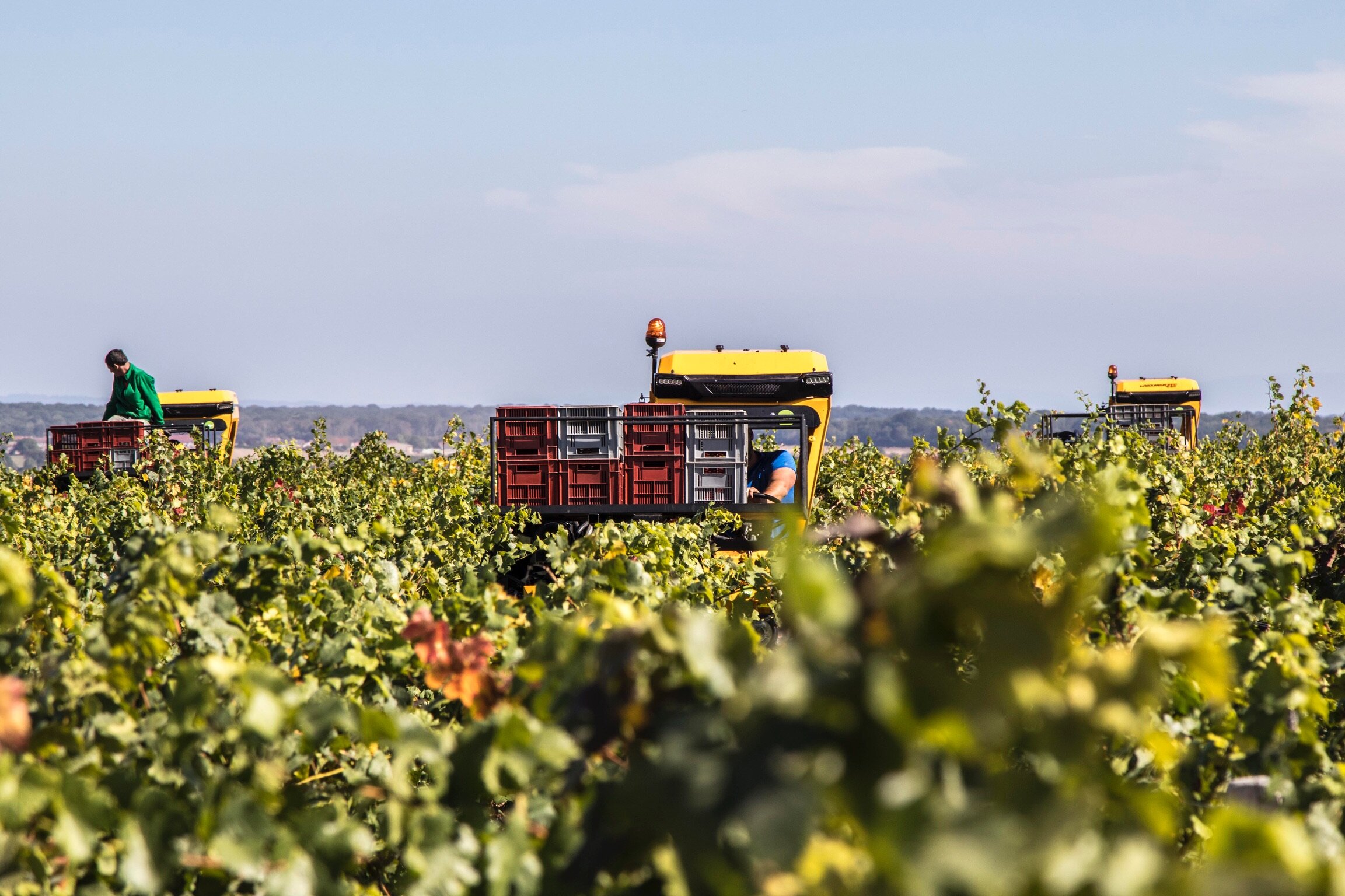
Scale is not a footnote in this kind of production. The Laßnig family cultivates about two hectares of vines at the foot of Burg Glanegg, with manual work central to the craft. On a holding of that size, the vineyard can be read row by row, and each stage of the season stays close to the people whose name is on the bottle. Carinthian wine from Glanegg carries its place before it carries any larger claim. The range includes Chardonnay, Sauvignon Blanc, Donauriesling and Zweigelt, giving the winery both white and red material to work with while keeping the focus on the small vineyard at the foot of the castle. The working language of the estate follows the vineyard calendar. In the words associated with Franz Laßnig, the concerns are practical: budbreak, frost, flowering, and the weather needed to support the season’s work.
The Present
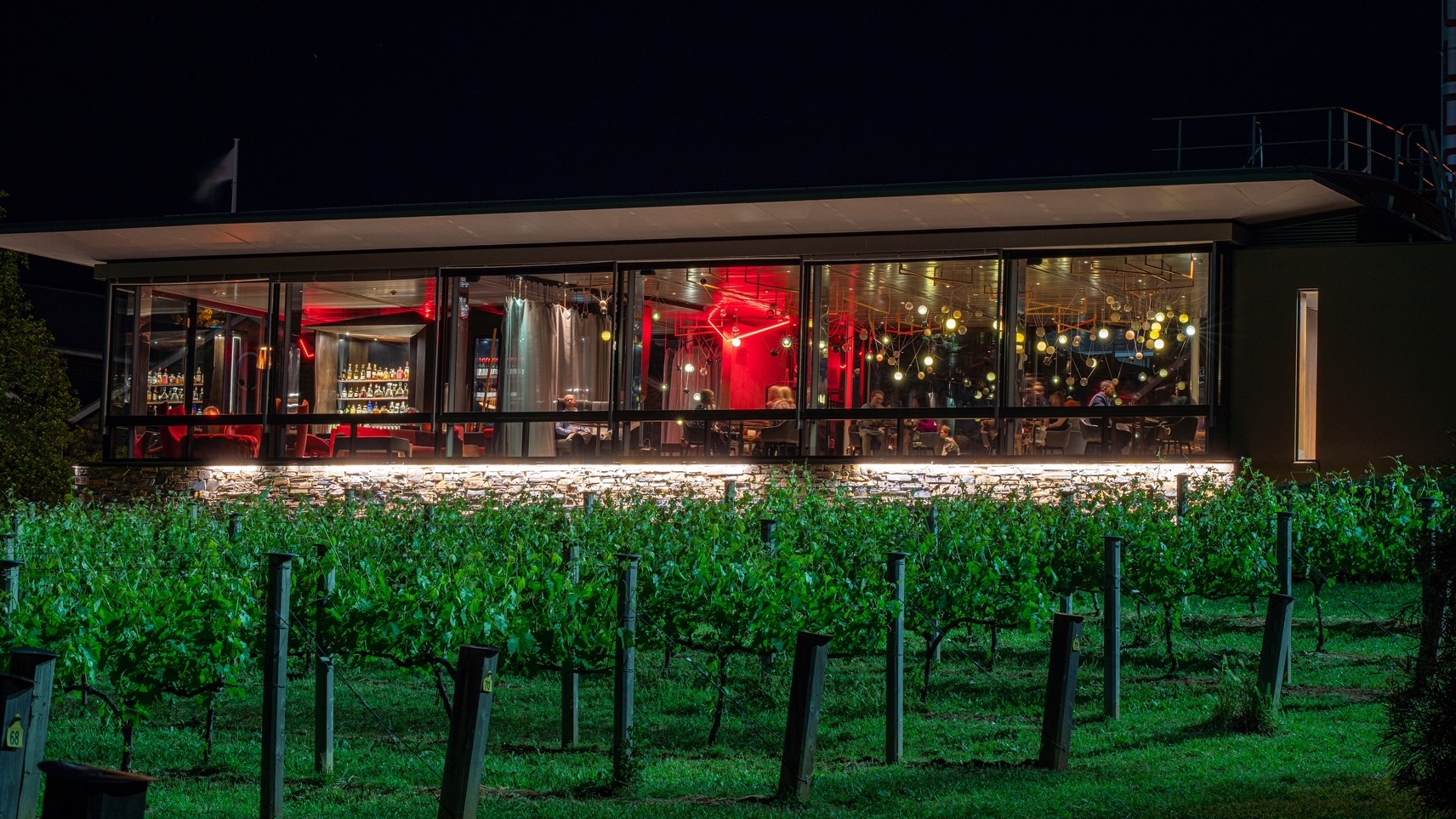
The work now runs through several local roles. Local wine culture is built from repeated obligations as much as from bottles. In this case, the circle remains tight: vines below the medieval castle, wines from a two-hectare family holding, a festival in the same village, and an association tied to the Burg itself. The through-line is concentrated rather than expansive: after 50, into a winery; from 2012, into harvest; now, into the continuing work of producing Carinthian wine in Glanegg. Place is the organizing structure here, not decoration. Burg Glanegg is more than a backdrop, and Glanegg is more than an address. Together they frame the Laßnig family winery as modest in scale, rooted in its village, and built through the slow accumulation of vineyard work into local life.
Signature
Franz's signature wines include Sauvignon Blanc, Donauriesling, and Zweigelt.
In Their Words “After budbreak began somewhat later than in recent years and the late frosts did not occur, we are hoping for good flowering weather in June.”
Profile updated July 2026
FAQ
Asked of Franz
What is Franz Laßnig's current role?
As of 2026, Franz Laßnig is Winemaker and wine producer.
What is Franz Laßnig known for?
Carinthian wine produced in Glanegg.