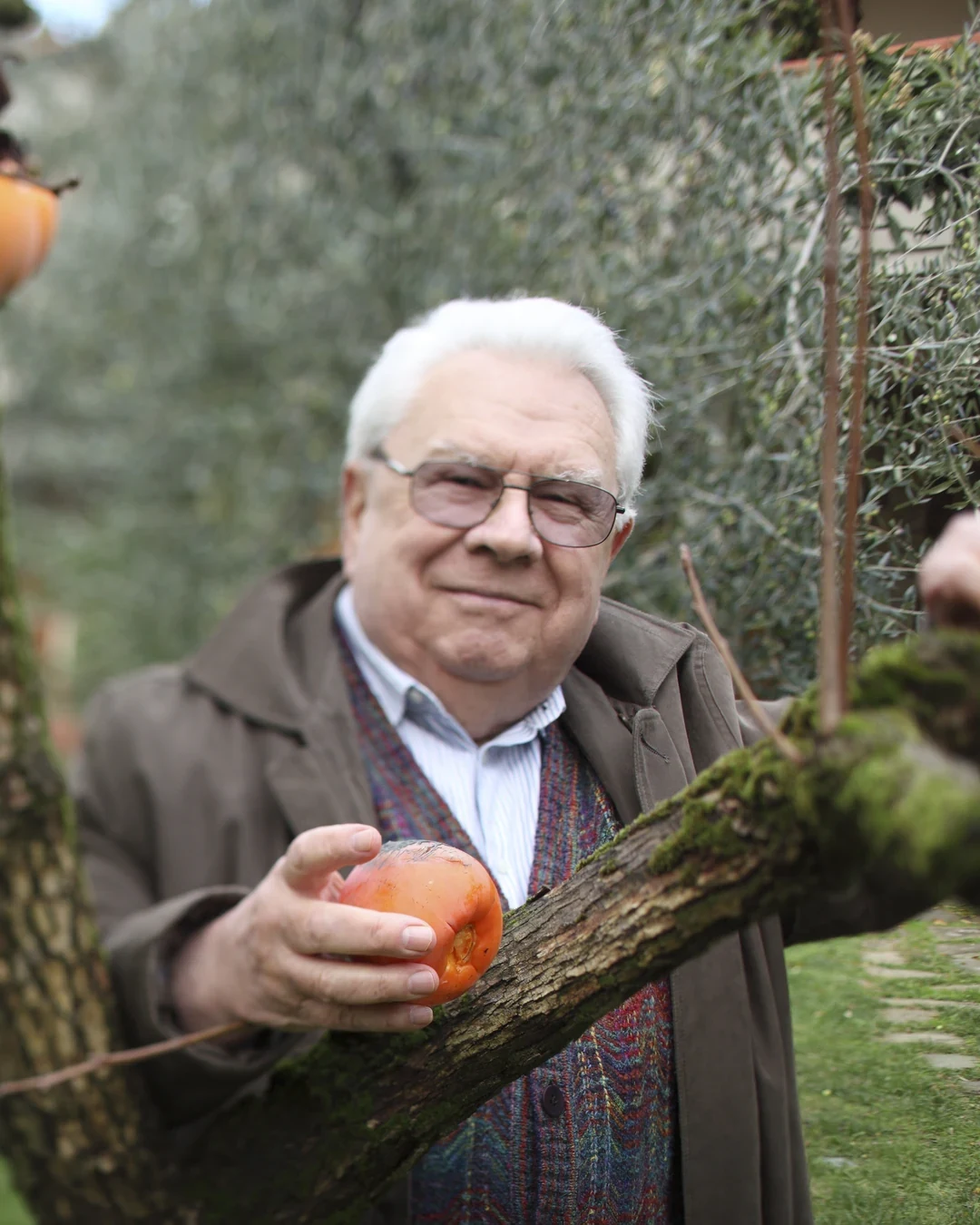
i. Biography
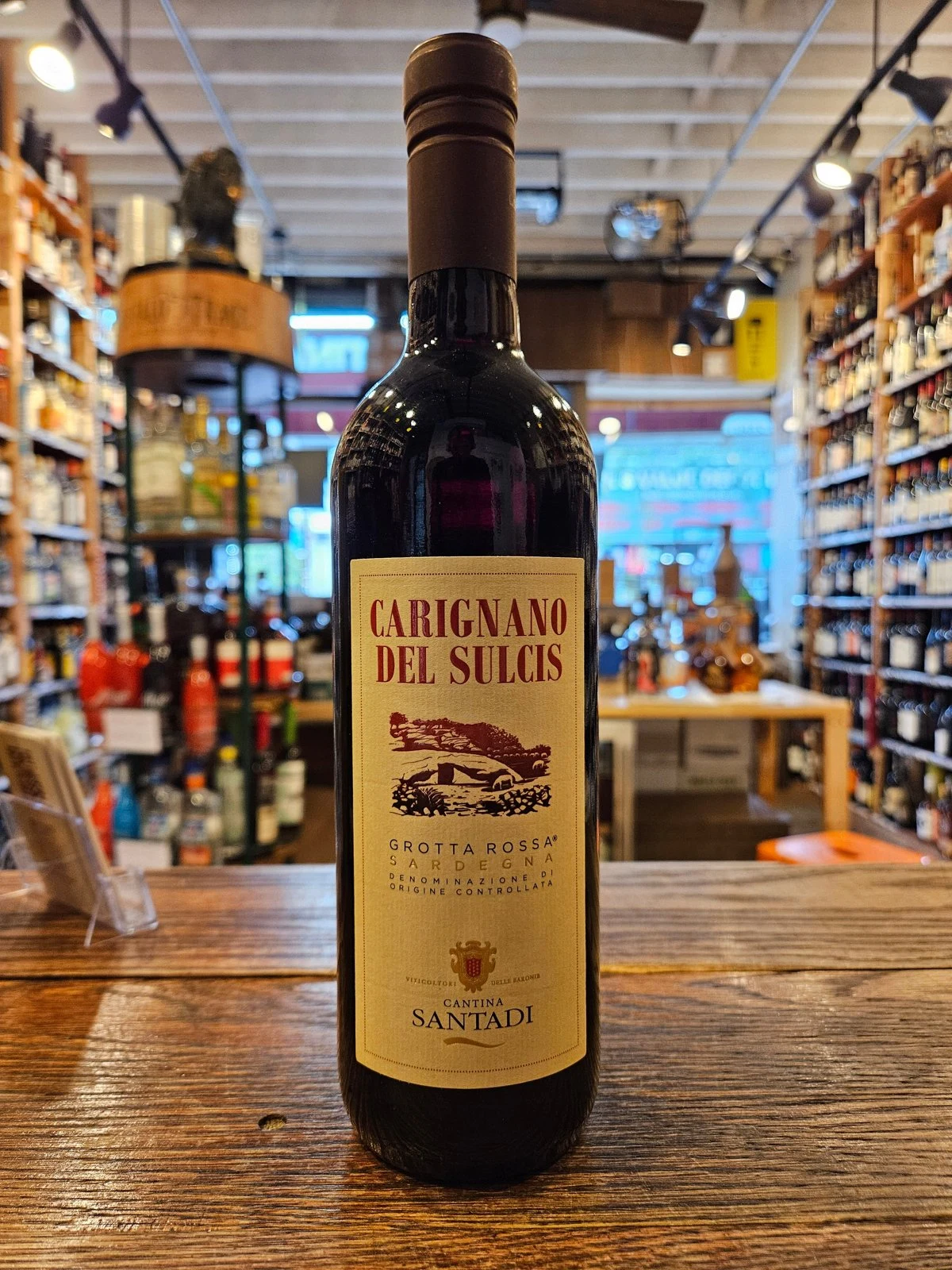
In Santadi, Sardinia, Carignano in Giacomo Tachis’s later work is treated as material with grain and structure rather than as a simple varietal marker. At Agripunica, that logic is carried through Barrua and Montessu, where vineyard selection and blending shape the wines as much as the fruit itself. Small percentages of Cabernet Sauvignon and Merlot, along with Bordeaux varieties used for complexity and phenolic richness, do not cover Carignano; they frame it, giving the wines a deeper contour and a longer finish.
The Path
Born in Turin on 4 November 1933, Giacomo Tachis studied at the Enology School of Alba before beginning the work that would make him known as the father of Super Tuscan wines. His career joined technical discipline with instinct, and his name became tied to Tignanello, the special cuvée created in 1970 from the most consistent vineyard on the Santa Cristina estate for Antinori. That wine marked a new seriousness in Italian winegrowing, where place, selection, and élevage could be reworked together. The Tuscan chapter continued with Solaia, created with Piero Antinori in the 1970s, another wine shaped by Tachis’s ability to bring precision to richness. At Tenuta San Guido in Bolgheri, he refined Sassicaia, the Bordeaux blend created in 1944 by Mario Incisa della Rocchetta, helping shape one of the enduring names in modern Italian wine. The Sardinian turn came in the early 1980s, when he arrived as a consultant to the Consortium of Sardinian Wines and as oenologist of Cantina Di Santadi. From there, the work shifted to a different landscape and a different set of materials. He continued as oenologist there until 2010, a long technical tenure that linked the cellar to the island’s growers and grapes, and allowed Carignano to emerge with renewed confidence and clarity.
The Work Today
The project’s signature wine was Barrua, created from Carignano with small percentages of Cabernet Sauvignon and Merlot; it is described as an excellence of Sardinian Wines. In that blend, Tachis’s method reads like construction: selecting, proportioning, and refining until the wine speaks with concentration without excess. Montessu followed in 2005 with a 60% Carignano base supplemented by Bordeaux varieties. Its identity is noted for complexity and phenolic richness, a description that points to texture: the grip of skins, the weight of extract, and the way Carignano carries structure when handled with precision. Where the earlier Tuscan wines worked from one set of assumptions about power and elegance, these Sardinian Wines translated the same intelligence into another Mediterranean register. Those wines belong to the same career logic as the earlier cuvées, but the material changed. Instead of Tuscany’s Santa Cristina estate or Bolgheri, the focus became Sardinia, where Carignano provided the base and the blending choices gave it another expression.
Signature
Giacomo's signature wines include Barrua, Montessu, Tignanello, Solaia, and Sassicaia.
Acclaim
Giacomo's honors include Decanter Man of the Year (2011).
FAQ What recognition has Giacomo Tachis received? Decanter Man of the Year (2011). What is Giacomo Tachis known for? Known as the father of Super Tuscan wines.