Winemaker
Guido Fantino
- Discipline
- Winemaker
i. Biography
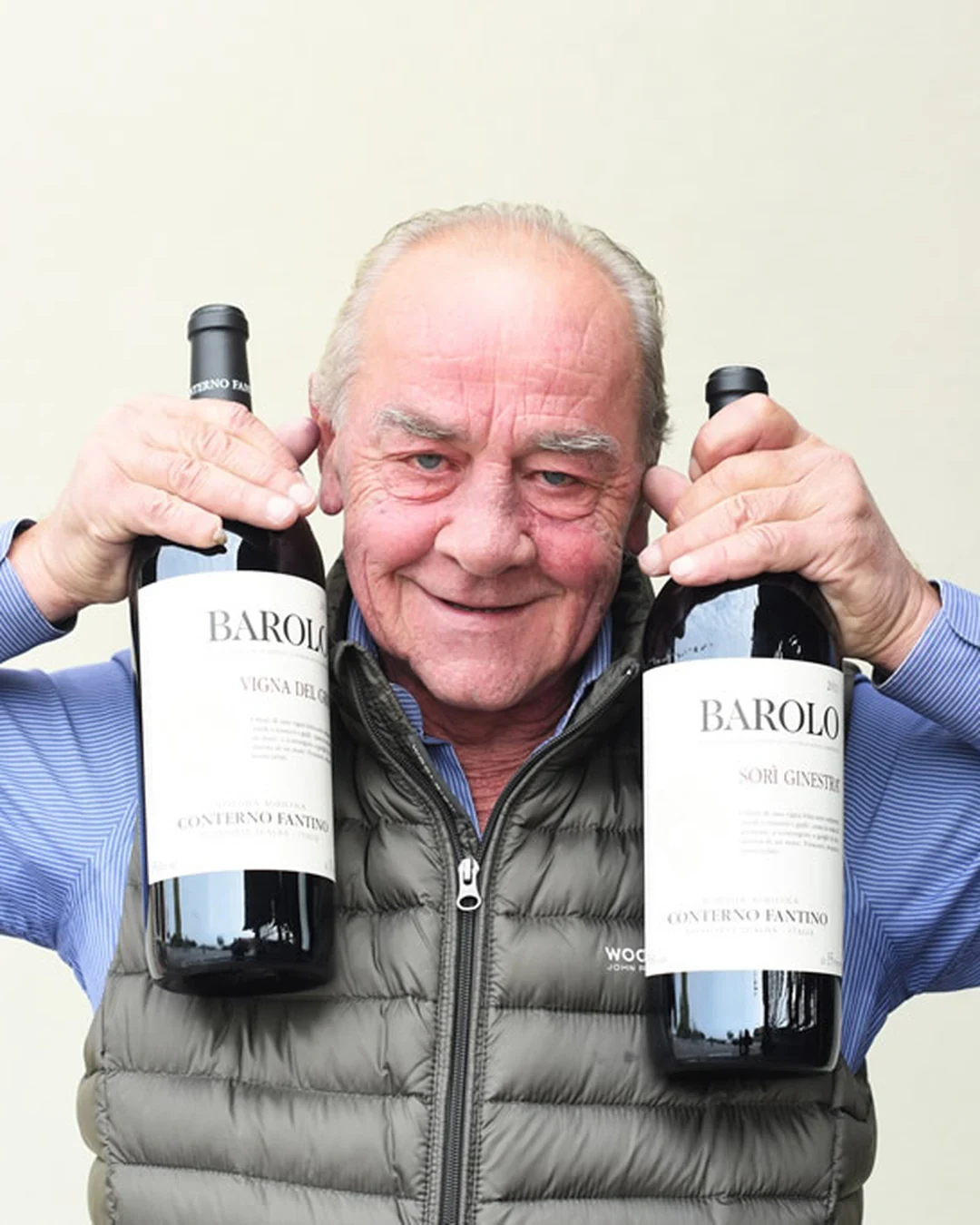
In Monforte d'Alba, the work begins with steep vineyard material: Nebbiolo for Barolo, alongside Barbera, Dolcetto and Chardonnay grown from the estate’s vineyards. At Conterno Fantino, owner Guido Fantino has tied his name to Modern Barolo shaped by hand work, cellar judgment and the south-facing slopes of Ginestra.
The Place Guido Fantino co-founded Conterno Fantino in 1982 with Claudio Conterno in Monforte d'Alba, Italy. The estate’s identity is rooted in wines from its own vineyards, with Nebbiolo carrying the Barolo work and Barbera, Dolcetto and Chardonnay widening the range without leaving the place behind. The guiding aim is direct: to totally and faithfully express each individual terroir through the wines. That idea is matched in the vineyards by environmental sustainability, biodiversity and respect for the soil, with organically cultivated farming shaping the raw material before it reaches the cellar. Ginestra gives the estate one of its defining coordinates. It was the first wine made by the estate, a Barolo named after the south-facing slopes where it is grown. The site is also its original cru, a historic Barolo cru documented as far back as the 1800s.
The Method The style associated with Fantino is Modern Barolo, but the method is built from a sequence of tactile choices rather than a slogan. Fruit selection is painstaking and manual; harvest is done by hand in small crates; fermentation begins spontaneously from indigenous yeasts. In the cellar, wood is used with care, followed by bottle ageing and a minimal use of sulfites. The wines are styled to reflect their own identity, a phrase that sits close to the estate’s terroir goal: each site is treated as something to read, not cover. A decisive turn came when Fantino and Claudio Conterno made the unprecedented choice to age Barolo in French oak barrels and use shorter maceration and fermentation. The result was wines with more body and flavour, a modern expression made within the Barolo tradition rather than outside it. That balance still matters to the house’s language. The cellar works with both traditional large wooden barrels and modern elements, holding old and new tools in the same room while the fruit remains the point of attention.
The Range Barolo Sorì Ginestra is listed among the estate’s flagship wines, carrying forward the original cru and the south-facing slope that gave the first wine its name. It is the bottle most directly tied to Ginestra’s place in the house story. Barolo Mosconi is also listed among the flagship wines and has been bottled since 2004. Together, those Barolo bottlings sit alongside the broader production from Monforte d'Alba vineyards: Nebbiolo, Barbera, Dolcetto and Chardonnay, each handled through the same framework of hand harvest, indigenous yeast fermentation, wood ageing, low sulfite use and time in bottle. Fantino’s work is not presented as a split between tradition and modernity. It is more precise than that: organic vineyard practice, manual selection and spontaneous fermentation on one side; French oak, shorter maceration and modern cellar elements on the other; with the estate’s own terroirs setting the terms.
FAQ What is Guido Fantino known for making? Guido Fantino is known for Modern Barolo at Conterno Fantino, including Barolo Sorì Ginestra and Barolo Mosconi. Where does Guido Fantino work? Guido Fantino works at Conterno Fantino in Monforte d'Alba, Italy, the estate he co-founded in 1982. What style or method defines Guido Fantino's work? His work is defined by manual fruit selection, hand harvest in small crates, indigenous yeast fermentation, careful wood ageing, minimal sulfites, bottle ageing and Barolo shaped with French oak and shorter maceration.


